
Ever wonder if the clever design behind everyday bridges also influences how airplanes and space missions take off? Aerospace systems design mixes tough materials and smart computer code (a set of instructions a computer follows) so well that it works like a perfect team. Picture engineers carefully fitting every piece together with lots of planning and creative ideas to build projects that are safe and fit the budget. Today, we'll look at how clear, thoughtful design sparks new ideas and paves the way for the future of flight.
Foundational Principles of Aerospace Systems Design
When designing big projects like airliners and space missions, everything starts with a smart systems design. This means arranging every part, from solid mechanical pieces to clever software, so they all work together perfectly. For a closer look at this, check out What is Aerospace Engineering.
Engineers in this field are like great matchmakers. They bring together ideas from mechanical, electrical, and computer areas to make sure all the parts run smoothly and stay on budget. They mix advanced tech with smart money choices, making sure each project is both reliable and affordable. It’s a true blend of teamwork and precision.
Here’s a quick look at the main ideas:
| Core Principle | Description |
|---|---|
| Multi-disciplinary integration | Bringing together mechanical, electrical, and software parts into one unified system |
| Lifecycle management | Handling the system from its first idea through daily operations and even when it retires |
| Economic efficiency | Making sure the project performs well without breaking the bank |
| Reliability requirements | Ensuring every part does its job, even in the toughest conditions |
| Scalability | Designing systems that can grow and adapt as needs change |
In advanced aerospace projects, these principles come together to spark real innovation. Engineers use a clear design process and creative systems integration to build projects that are not only safe and effective but also economically smart. It’s like mixing careful planning with a dash of creativity to build the future of flight.
Technical Architecture Planning in Aerospace Systems Design
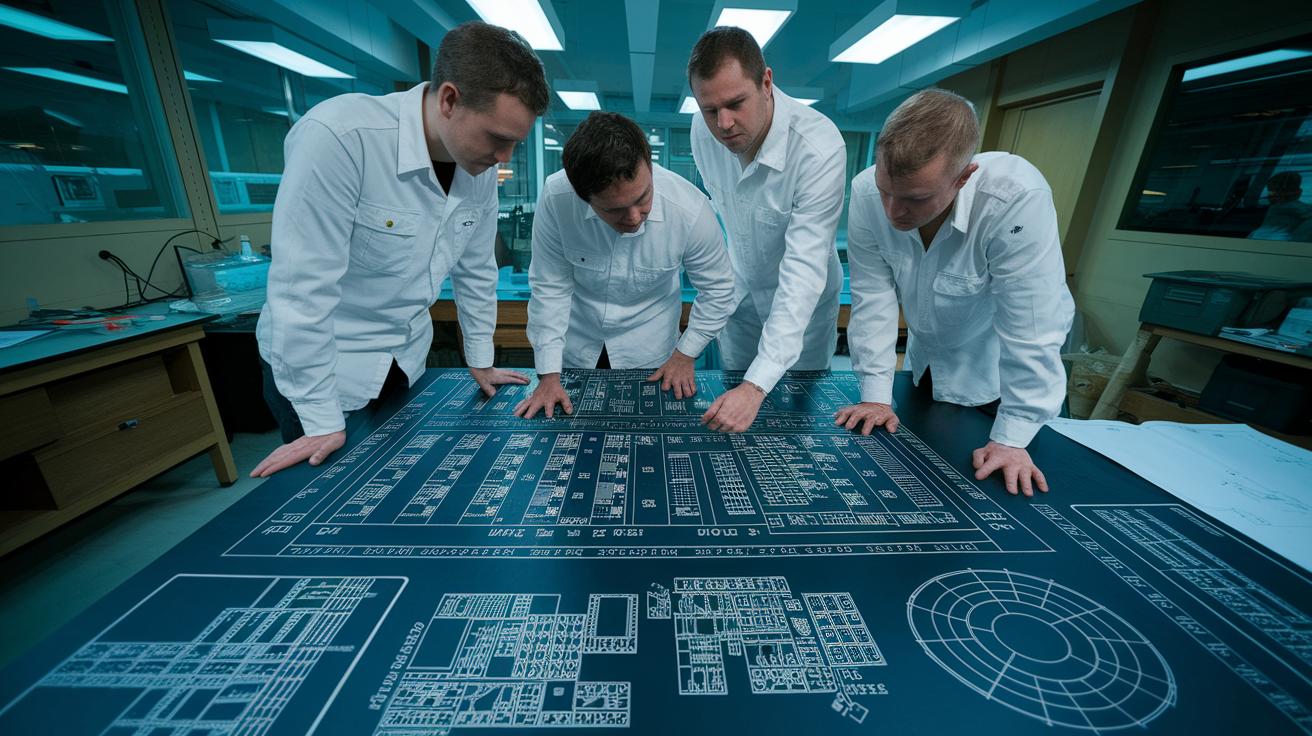
Technical architecture planning is super important when designing aerospace systems. It weaves mechanical parts, electrical circuits, and software algorithms (computer instructions) into one big, connected system. This planning makes sure every part talks to the others, kind of like how pieces of a puzzle fit together. When engineers set clear connection points, they pave the way for smooth and dependable performance. This careful setup leads to smart control systems and thoughtful integration of electronics, always pushing aerospace design to be both safe and innovative.
Defining System Architecture
Breaking the system into clear, manageable pieces is key. Engineers split a complex project into smaller sections so each part can do its unique job. It’s like putting together a big jigsaw puzzle, where each module fits perfectly with the next, making the entire system work better and more predictably.
Integrating Control and Electronics
In aerospace design, getting control and electronics to work well together is critical. Systems like avionics (the electronic systems used on aircraft), flight control, and detailed wiring plans ensure everything operates with precision. These interconnected parts handle data from sensors and keep responses stable during flight maneuvers. When control systems and electronics integrate seamlessly, they adjust in real time, ensuring both hardware and software work reliably even when conditions change quickly.
Model-Based Engineering Workflow
Engineers now use digital models for early testing and smoother updates. With these virtual simulations, teams spot problems and fine-tune interfaces long before building the real thing. This approach not only helps in catching issues early but also makes it easier to manage any changes that pop up during the design process.
Aerospace Systems Design: Simulation-Driven Methodologies and Computational Modeling Techniques
Simulation tools are changing the way we design aerospace systems. Engineers can now test ideas right on a computer before building anything in real life. Using techniques like computational fluid dynamics (CFD) (a way to study how air moves) and digital twins (virtual models that act like real systems), they can watch how air flows over a wing or see how a fuselage reacts to stress. This early spotting of issues means fewer costly prototypes. With aerodynamic flow simulation, engineers can predict how parts like wings and control surfaces will behave under different flight conditions.
Computational modeling helps speed up the design process by breaking a large system into smaller, testable parts. Simulation software lets engineers run many tests virtually, so they can tweak and improve designs quickly. This method of simulating designs leads to fewer surprises when building the actual parts and lowers overall risks. It’s a cycle of rapid trial and error that not only cuts costs but also makes the jump from theory to real operation smoother.
| Tool | Primary Function |
|---|---|
| ANSYS Fluent | CFD |
| MATLAB/Simulink | System dynamics |
| Siemens NX | CAD & FEM |
Using simulation-driven methods gives engineers the speed and flexibility needed to keep improving designs over time. This approach not only helps catch issues before production starts but also guides the creation of safer and more reliable aerospace systems.
Systems Integration Methodology and Risk Management Protocols in Aerospace Systems Design
Working on aerospace projects means making sure all the different parts work together perfectly. When you send a satellite or plan a space mission, even a tiny mistake can have a big impact. In these extreme conditions, everything from software and hardware to mechanical pieces must cooperate smoothly.
Engineers follow a clear set of steps to keep everything in line. First, they define the requirements, which means they write down exactly what each part should do. Next comes interface control, where they plan out how these parts talk to each other. Then they do a risk assessment, spotting any potential issues before they become serious. After that, they work on verification planning to test systems in conditions that mimic what they’ll face in space. Finally, they perform compliance reviews to check that each piece meets strict safety and performance rules.
For example, imagine a satellite mission where these steps made all the difference. The team first carefully outlined what each subsystem needed to do. They then set up clear channels for communication between parts. With a thorough risk check, they found and fixed problems before launch. They even ran simulations that felt just like the actual mission. And through regular reviews, they made sure everything was up to standard. Thanks to this disciplined approach, the satellite handled sudden space weather changes, proving that careful planning and risk management lead to smart and safe aerospace designs.
Performance Optimization Frameworks and Design Optimization Strategies in Aerospace Systems Design
Did you know that a small change in a jet’s wing shape can really make a difference? Engineers use special computer methods, like genetic techniques (inspired by nature) and step-by-step change tools, to find the best balance between cost, weight, fuel use, and performance. These methods let teams play with designs on a computer, spotting possible problems early and using resources wisely.
Next, teams from different fields, mechanical, electrical, and software engineers, come together to make the whole system better. Each expert brings a unique viewpoint to improve every part of an aircraft. For example, when building a new commercial airliner, this teamwork helps lower risks and speeds up the project. In the end, these smart strategies create reliable and efficient planes while pushing aerospace technology to exciting new heights.
Prototype Testing Procedures and Experimental Testing Methodologies in Aerospace Systems Design
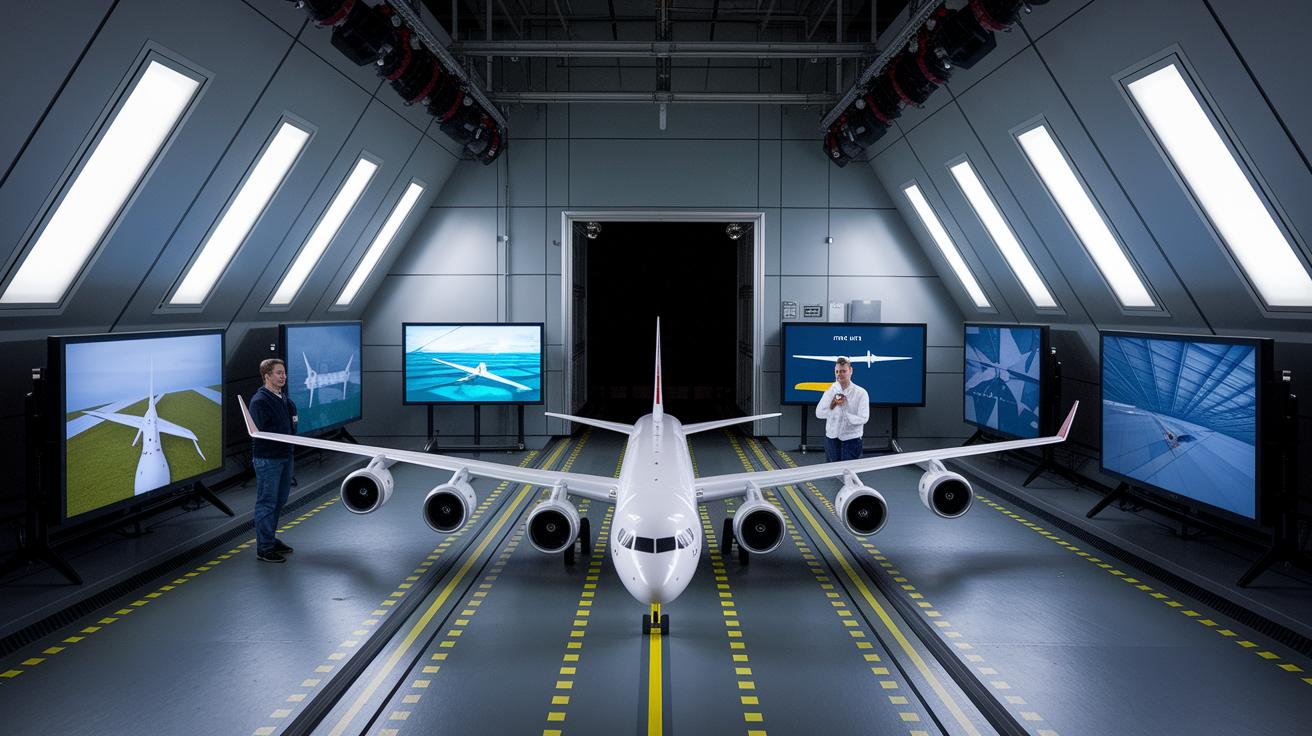
Prototype testing plays a super important role in getting aerospace systems right. Engineers run a bunch of tests so every part works well before the project gets the official seal of approval. They use tests like wind-tunnel experiments, hardware-in-the-loop simulations (which mean mixing real parts with computer models), and even actual flight trials. These hands-on tests help confirm design ideas and often reveal problems that might be missed in computer simulations.
Following strict testing routines lowers risks and builds trust in the system’s safety and performance. Here’s how they break it down:
- Component Verification: Check each part on its own to make sure it works as it should.
- System Integration: Ensure that all the different subsystems cooperate smoothly.
- Environmental Qualification: Test how the system holds up under tough, simulated conditions.
- Flight Demonstration: Confirm that the whole system behaves as expected during real operations.
The data from these tests is gold for engineers. They study the results to spot any issues and then tweak the design for better performance. By using regular feedback, teams can reduce risks, boost reliability, and make the entire system work even better. This ongoing cycle of testing and refining is key to advancing aerospace design while keeping safety top of mind.
Future Trends and Innovations in Aerospace Systems Design
Recent advancements in systems engineering are opening up exciting new paths in designing aerospace systems. Engineers now use AI and machine learning (tools that help computers learn from data) to fine-tune designs. They can spot the best performance trade-offs and even predict when maintenance might be needed. Digital engineering platforms let teams from different companies and universities work together closely, sparking creative solutions. All these changes are not only paving the way for smarter airplane builds and space missions but also making them more energy-efficient and sustainable.
- AI-driven optimization
- Digital twins
- Advanced composites
- Autonomous flight systems
- Sustainable propulsion
More and more, partnerships between industry and academia are playing a key role in driving aerospace innovation. These collaborations put solid research to work, testing new materials and propulsion methods that make aircraft safer and more efficient. It’s like watching fresh ideas from university labs turn into real-world solutions. With shared knowledge among established companies and startups alike, the future of flight and space exploration is truly taking off, much like those groundbreaking science breakthroughs found in space exploration.
Final Words
In the action of exploring aerospace systems design, we walked through core principles, technical architecture, simulation methods, integration techniques, and performance optimization. We also saw how testing and emerging innovations pave the way for smarter, efficient projects. Each step shows how blending engineering skills with creativity sparks progress. This overview reminds us that aerospace systems design isn’t just technical, it’s a human endeavor full of energy and promise. Keep the excitement alive as science continues to shape our everyday future.
FAQ
Q: What are aerospace systems design jobs?
A: Aerospace systems design jobs involve creating and managing complex systems found in aircraft and spacecraft. They blend mechanical, electrical, and software engineering to build safe, efficient vehicles.
Q: What is an aerospace systems design course?
A: An aerospace systems design course teaches skills for planning and testing aircraft and spacecraft systems. It combines theory with hands-on projects and simulation tools to illustrate how different components work together.
Q: What is an aerospace systems design degree?
A: An aerospace systems design degree provides in-depth study of engineering principles, simulation techniques, and integrated system planning. Graduates learn to create robust designs for both commercial airliners and space missions.
Q: What is an aerospace systems design laboratory?
A: An aerospace systems design laboratory is a facility where students and engineers test models and prototypes. It offers a hands-on environment to validate theories and refine design ideas through real-world experiments.
Q: What is aerospace systems design certification?
A: Aerospace systems design certification offers formal recognition of skills in creating and testing integrated aerospace solutions. It validates expertise in system planning, simulation use, and compliance with industry standards.
Q: What are control systems for aerospace?
A: Control systems for aerospace manage the automated and manual regulation of flight operations. They ensure that aircraft and spacecraft respond correctly during flight by adjusting controls and monitoring performance factors.
Q: What are aerospace materials?
A: Aerospace materials refer to specialized substances used to build aircraft and spacecraft. They are chosen for their strength and lightness to improve performance, safety, and fuel efficiency during flight.
Q: What does engineering aerospace involve?
A: Engineering aerospace involves applying scientific methods to design and build aircraft, spacecraft, and related systems. It focuses on integrating multiple engineering disciplines to ensure reliable operation and efficient performance.
Q: Do aerospace engineers make 800k a year?
A: Aerospace engineers typically do not earn 800k a year. Their salaries vary with experience and position, and such high earnings are extremely rare in the field.
Q: Who are the big 4 in aerospace?
A: The big 4 in aerospace are widely recognized as Boeing, Airbus, Lockheed Martin, and Northrop Grumman. These companies lead major projects in aircraft and defense systems worldwide.
Q: What does an aerospace designer do?
A: An aerospace designer creates detailed blueprints and simulations for aircraft and spacecraft. They work closely with engineers to produce safe, high-performance vehicles through computer modeling and prototype testing.
Q: What is the highest paying job in aerospace?
A: The highest paying jobs in aerospace usually include senior engineering and management roles. These positions require extensive expertise and leadership, and they often command salaries that surpass those of typical engineering roles.

