
Ever wonder how companies boost their performance without risking a costly breakdown? Digital twin technology creates a virtual copy of actual systems (basically, a computer-made duplicate) so that businesses can try out new ideas in a safe digital space.
It’s like having a mini model of a machine that shows every little change in real time. This way, any problems can be spotted early on. In short, companies use this smart approach to test fixes and keep operations running smoothly, which helps them grow and make work easier.
What Is Digital Twin Technology? Key Principles and Overview
Digital twin technology makes a copy of real-world systems as a digital model. It lets businesses try out ideas and check how things work without stopping the real equipment. Imagine having a mini version of a factory machine in your computer that shows you all its details. Before digital twins came along, companies had to rely on manual checks from time to time instead of keeping an eye on things all the time.
These virtual copies work by drawing data from sensors (devices that measure things like temperature and pressure) and Internet of Things (IoT) devices. They track everything, from small shifts in temperature to changes in pressure, so potential problems can be caught early. For instance, a digital copy of an engine can alert technicians if it picks up unusual vibrations, helping prevent breakdowns. This strong connection between the digital model and the actual machine means businesses can test different scenarios, help their equipment work smoother, and keep things running longer.
At the heart of these models is a mix of live data and smart predictions. The system constantly syncs data so that any change in the real world is quickly shown in the digital replica. This keep-it-all-up-to-date approach lets companies react fast and make quick fixes when needed.
Experts believe digital twin technology will keep shaking up various industries. A study from 2020 even predicted that this market could grow to $48.2 billion by 2026, showing just how important and fast-growing these digital models are.
How Digital Twin Technology Works: Architecture and Lifecycle
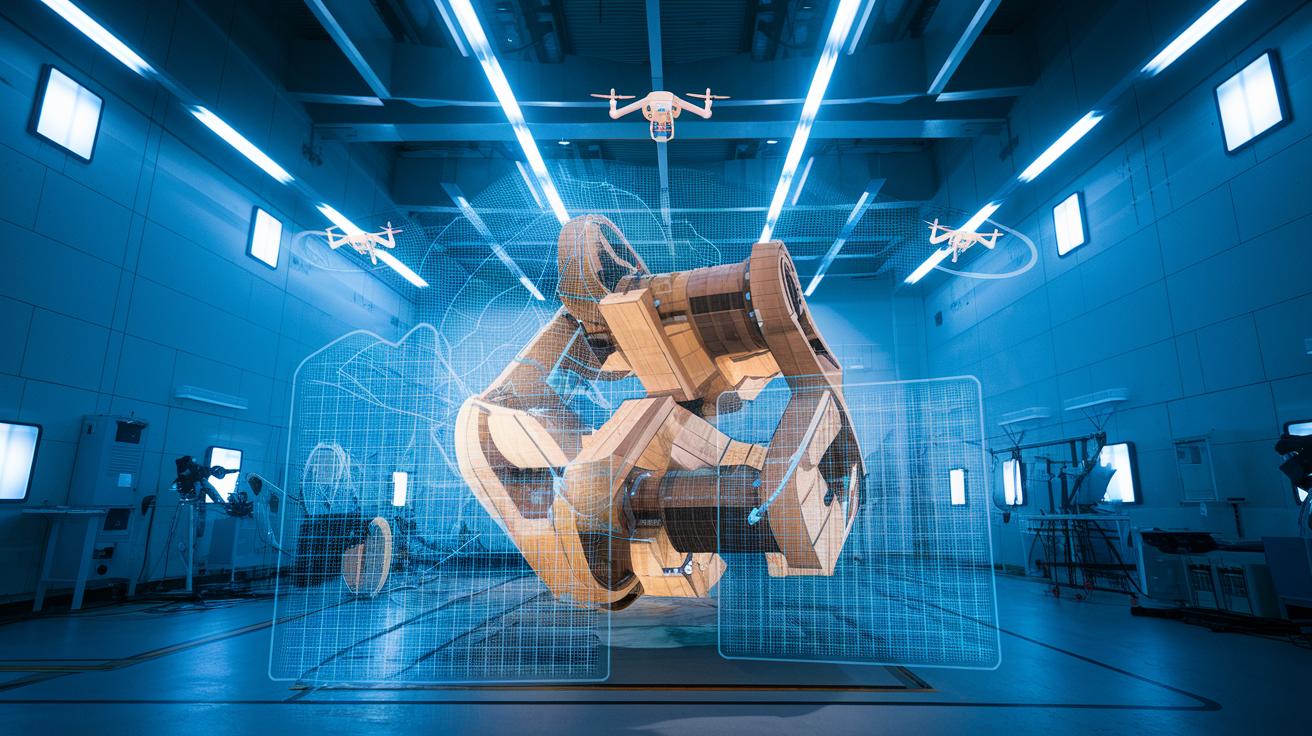
Digital twin technology starts by gathering rich real-world details using tools like 3D laser scanners, drones, sensors, cameras, and other Internet-connected devices (devices that share data over the internet). These tools capture everything from physical properties to how something performs, then feed that data into simulation software. This creates a digital copy, a virtual twin, that mirrors a physical asset and forms the base for deeper analysis.
Right after the data is collected, AI takes over. It automatically updates the digital model to mirror any changes in its real-world counterpart. With smart automation handling these updates, the system stays current and true to life. Plus, integrating advanced AI makes it easier to process data and helps maintain an accurate, reliable digital replica that supports various cyber-physical toolkits (systems combining digital and physical elements).
The digital twin lifecycle follows a clear, step-by-step path. First, important assets are chosen. Next, a digital model is built to reflect each asset exactly. Sensors are then added to capture real-time data, which is turned into practical insights. Finally, the digital model is integrated into operations and continuously refined, ensuring that the bridge between the physical and digital remains strong and reliable.
Digital Twin Technology Applications Across Industries
Digital twin technology is shaking up many different fields by creating an exact digital copy of a real-life system (like a computer version of something physical). It lets companies try out ideas and test scenarios without risking the actual system. This hands-on tool helps businesses spot issues early, boost efficiency, and make smarter decisions.
- In manufacturing, Rolls-Royce uses its IntelligentEngine, which gathers more than a dozen sensor readings per engine. These sensors track performance in real-time and help predict when service is needed.
- In the automotive world, Volvo builds digital twins to check material properties and fine-tune the car’s shape, making vehicles perform better.
- In construction, London’s Crossrail project uses digital twins to simulate earthquake and flood conditions, helping engineers find and reduce risks to structures.
- In oil and gas, BP uses sensor data to continuously monitor temperature, pressure, and equipment performance on offshore platforms so they can catch issues before they turn critical.
- In healthcare, Össur designs custom prosthetics with digital twin models that improve the fit and comfort of each product.
- In smart cities, the Virtual Singapore Platform creates detailed digital models of urban areas, helping city planners manage resources and plan for the future.
- In transportation, Ford uses digital replicas to simulate how autonomous vehicles behave under different conditions, ensuring safer technology.
- In medicine, Pfizer creates digital twins of disease processes to test and improve cancer treatment strategies.
- In retail, Walmart experiments with virtual store layouts so they can optimize product placement and customer flow.
- In sports, U.S. Ski and Snowboard uses real-time feedback from digital models to help athletes improve their performance during training.
- In logistics, DHL uses simulations to design better warehouse setups, plan efficient transportation routes, and reduce environmental impact.
- In mining, Rio Tinto builds detailed digital replicas of mining operations to monitor machinery and keep track of environmental conditions.
All these examples show how digital twin technology is making a big impact. Companies can keep a close eye on operations, use predictive insights, and experiment with different scenarios to adapt quickly. It’s a clear sign of how this smart technology is driving innovation in many industries.
Benefits of Digital Twin Technology: Efficiency, Cost Reduction, and Performance
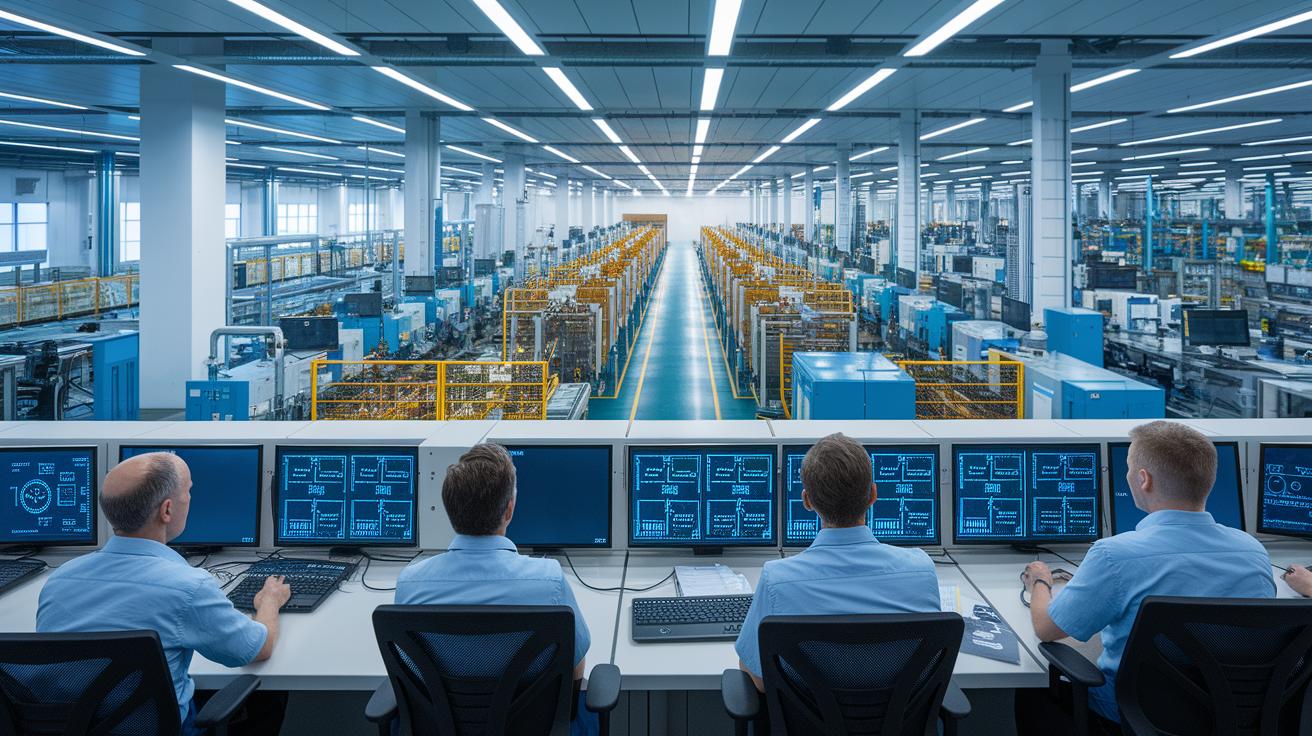
Digital twin technology makes it easy to see how a real system works by creating a live digital copy. This means you can watch equipment in action and catch little problems before they turn into big safety issues. It’s much like having a mirror that shows issues as soon as they start, so workers can stay safe and keep things running smoothly.
This smart approach also slashes costs and boosts return on investment. By running simulations, imagine playing out different repair scenarios, you can avoid unexpected breakdowns and reduce repair bills. In short, the constant stream of sensor data works like an early warning system, letting companies make quick, smart decisions. It’s a great way to save money and extend the life of your equipment.
Digital twins also help teams work better together and push for a greener way of doing business. They offer a single, real-time snapshot of how all your equipment is doing, which means everyone stays on the same page. This unified view simplifies keeping track of assets and even helps monitor energy use and waste. Ultimately, it’s an awesome tool for businesses that want to stay efficient, eco-friendly, and ready for tomorrow.
Implementation Steps for Digital Twin Technology
Digital twin technology helps companies boost how well they run by creating an online copy of real-world systems. This digital copy allows industries like manufacturing and transportation to cut down unexpected problems, sometimes lowering issues by around 20%. Imagine a hospital reducing equipment delays by 15% simply because its digital twin spotted potential problems before they turned into real issues.
- Asset Selection – Pick the items or parts that really need monitoring.
- Digital Model Creation – Build a detailed, virtual version of these key items.
- Sensor Integration & Data Collection – Use sensors that keep collecting current data non-stop.
- Analytical Model Development – Create smart tools that analyze the data and point out needed changes.
- Operational Integration – Blend the digital twin into your everyday work routines.
- Continuous Improvement & Training – Keep a steady feedback loop and regularly update your team’s training.
Following these steps can give companies a noticeable boost in performance and help them stay competitive. For example, one industrial plant saw a 25% improvement in efficiency with a digital twin that flagged issues early. Another logistics firm slashed maintenance delays by 15% by consistently reviewing sensor data.
Challenges and Best Practices in Digital Twin Technology Adoption
One big hurdle with digital twin tech is that it often struggles with steady connectivity. BIM models sometimes miss key as-built data, which makes it tough to keep the digital model in sync with the real asset. On top of that, companies worry about risk in mirror setups when the data stream gets interrupted or is incomplete. Security concerns and privacy issues in these synthetic models add extra layers of difficulty, and without common standards for proxy modeling, everything gets even more complicated. All these challenges can slow progress and shake confidence in the system.
A few proven strategies can help turn things around. For example, using robust project management software and a managed content approach really makes a difference. Establishing a common data environment ensures a smooth, continuous data flow that meets current cyber framework guidelines. By standardizing processes and sticking with established best practices, organizations can reduce security risks and make sure the digital twin stays a powerful tool for boosting performance and driving growth.
Future Trends in Digital Twin Technology Integration
The next wave in digital twin technology is changing the way we run simulations. These models use AI-powered platforms and machine learning (computer learning techniques) to closely mimic how real-world systems behave. Big data helps process information from many sensors, giving us up-to-date insights continuously. Cloud-based tools also make it easier for businesses to update and adjust these simulations quickly. And with IoT-enabled sensors streaming constant data, digital twins now refine themselves every time new data rolls in.
Looking ahead, digital twin technology will play a bigger role in Industry 4.0 practices, pushing toward self-optimizing systems and greener operations with advanced simulations. Companies are starting to use these cyber-based models for better planning and environmental checks, which shows how fast the market is evolving. Some forecasts even suggest that the digital twin market could reach $48.2 billion by 2026. It's exciting to think about how these developments could help us build smarter infrastructure and run automated systems more efficiently. In truth, these innovations signal a future where digital models become key partners in real-world decision-making, improving everything from resource management to sustainability.
Final Words
In the action, we walked through digital twin technology, looking at how it creates digital replicas of physical systems for smart testing and improvement.
We examined its design, real-life applications, and the benefits it brings, from boosting efficiency to reducing costs. We also touched on everyday steps for setup and challenges to watch out for, then wrapped up with thoughts on future trends.
This exploration shows that digital twin technology is shaping smarter, safer, and more innovative operations for everyday life.
FAQ
Q: What are digital twin examples?
A: Digital twin examples refer to virtual models created to mirror real-world systems. They include simulations in manufacturing, urban planning, and agriculture that help optimize performance and predict maintenance needs.
Q: What is digital twin software?
A: Digital twin software builds and manages virtual models of physical assets. It gathers sensor data to simulate real-world conditions, allowing engineers to test scenarios and enhance operations efficiently.
Q: How does digital twin technology apply in healthcare?
A: Digital twin technology in healthcare creates virtual replicas of patients or medical devices. It simulates health conditions and treatment protocols, leading to improved safety and more personalized care solutions.
Q: What is digital twin technology PDF?
A: Digital twin technology PDFs are downloadable resources that explain how virtual models of physical systems work. They cover key principles, methods, and industry applications in a clear, accessible format.
Q: How is digital twin technology used in civil engineering and construction?
A: Digital twin technology in civil engineering and construction builds virtual models to test building designs and simulate events like floods. It assists engineers in optimizing safety measures and improving design strategies.
Q: How does digital twin technology work in agriculture?
A: Digital twin technology in agriculture uses virtual models to monitor soil, crop growth, and equipment performance. This simulation helps farmers optimize resource use and boost crop yields while reducing costs.
Q: How is digital twin technology applied in manufacturing?
A: Digital twin technology in manufacturing creates virtual copies of production lines and machinery. Real-time sensor data feeds into these models to predict maintenance needs and improve operational efficiency.
Q: What is a digital twin in technology?
A: A digital twin in technology is a virtual model that mirrors a physical system. It uses real-time data from sensors to simulate and optimize performance, ensuring better maintenance and performance tracking.
Q: What are the 4 types of digital twins?
A: The 4 types of digital twins are component twins, asset twins, system twins, and process twins. Each type represents a different scale, from individual parts to complex operational systems in various industries.
Q: What is the difference between AI and digital twin?
A: The difference between AI and a digital twin is that AI makes decisions based on data analysis, while a digital twin is a virtual replica that continuously simulates a physical system’s behavior and performance.
Q: Is Google Maps a digital twin?
A: Google Maps is not a digital twin. It offers a virtual map interface but lacks the real-time sensor integration and simulation capabilities that define a true dynamic digital twin.

