
Have you ever thought that computers might help cool down our warming planet? Big companies are already using smart technology for climate research and to make eco-friendly decisions. They use satellites (space-based cameras watching our Earth) and sensors (tiny devices that measure changes) to gather live data on temperature rises and shifting weather patterns.
And with AI (smart computer programs that learn and think) sparking fresh ideas and delivering exact figures, we're starting to see clear ways to tackle environmental challenges. In this article, we explore how these modern tools are forming solutions to protect our climate and lead us toward a cleaner, more stable future.
Leveraging AI for Climate Research and Mitigation
Big companies are already making the most of AI. In fact, about 42 percent use smart algorithms to guide their decisions, and another 40 percent are exploring its potential. Imagine a world where nearly half of the top industry leaders rely on clever computer tools to shape their choices.
AI isn’t just for answering emails or handling routine tasks. It powers satellites that check weather patterns, track changes in sea ice, and even spot sudden rises in greenhouse gases (gases that trap heat in our atmosphere). Picture satellites quietly picking up signals of our changing climate while you go about your day. This kind of precise information leads to better weather forecasts and lets scientists monitor our planet almost in real time.
Remote monitoring with AI adds yet another helpful layer. Sensors and smart systems keep an eye on air quality, note changes in local ecosystems, and even follow wildlife movements. It’s like having a real-time guardian watching over our environment. This constant stream of insight helps cities and regions build stronger, more adaptable systems to protect our natural world.
Remember when ChatGPT launched in November 2022 and reached 100 million users in just two months? That rapid adoption shows how versatile AI can be. In climate research, AI speeds up the process of gathering and analyzing huge amounts of data, a crucial step in unraveling the mysteries of climate change. Together, these smart systems and speedy data processors are transforming how we track and plan for our ever-changing climate.
Predictive Climate Modeling with AI Algorithms

Cool new algorithms are making our climate forecasts really clear. For example, IBM’s GRAF model uses smart computer techniques to give us detailed weather predictions that help farmers and renewable energy projects. AI tools even simulate how city heat rises so local leaders can plan greener and more sustainable neighborhoods. Smart route planners help cut down fuel use by finding the best travel paths. Sure, the data centers running these tools use about 4.4% of U.S. electricity, and that power is almost 50% more carbon-heavy than usual, but the benefits of having a clear picture of our climate can outweigh these extra costs.
| Model Name | Application | Key Benefit |
|---|---|---|
| IBM GRAF | Weather Forecasting | High-resolution data |
| UrbanSim | Urban-Heat Modeling | Sustainable planning |
| RoutePlan | Transport Optimization | CO₂ reduction |
| EcoAnalytics | Data Center Impact | Efficiency insights |
These examples show how smart AI turns complex climate data into useful insights. By simulating weather patterns, city heat, and vehicle emissions, experts can adjust plans to lessen environmental harm and boost community strength. City planners now get better data that helps them choose spots for parks and cooling solutions. Before modern AI, city officials had outdated numbers and missed the cues that could have eased urban heat. With clear, modern data, energy use is managed better and emissions drop in areas like freight and public transit. Advanced analytics from these tools also guide smarter investments in renewable energy and infrastructure improvements. It’s exciting to see how this blend of technology and science gives us a better look at our changing environment and helps us balance urban growth with a healthier planet.
Real-World Case Studies of AI in Climate Mitigation
Some cities are turning to smart AI systems that mix weather information with sensor data to cool down very hot areas. For instance, one city switched the water to its parks when sensors sensed rising heat, lowering local temperatures by about 1.5°F. It’s pretty cool to see how small changes can make a big difference.
A cargo company also tried something smart. They used clever algorithms to rework their travel routes, and in just one month they cut fuel use by around 15%. This tweak not only made their operations leaner but also helped reduce harmful emissions. Imagine saving fuel while helping the environment!
AI isn’t stopping there. Satellites powered by AI now do more than just check for large areas of deforestation. They compare new images with old ones to spot small-scale illegal logging, so authorities have a much clearer view of what’s happening in their forests.
Out on the farmland, sensor networks help farmers keep track of soil moisture and plant health. These insights let them adjust watering in real time, making their crops sturdier while cutting down on wasted water. Believe it or not, some farmers have seen a 10% boost in crop resilience using these smart soil sensors.
There are also new models that blend old climate records with live data to warn communities about extreme weather faster. This combined approach helps people prepare better, protecting both lives and property.
- Smart urban planning: Adjust water flow and parks to cool city hotspots.
- AI in transportation: Revamp routes for big fuel savings.
- Advanced satellite imaging: Spot small-scale deforestation.
- Sustainable farming: Monitor soil and crops with sensors.
- Early weather warnings: Mix old and new data for faster alerts.
AI-Enhanced Renewable Energy Forecasting and Integration
Wind Power Forecasting
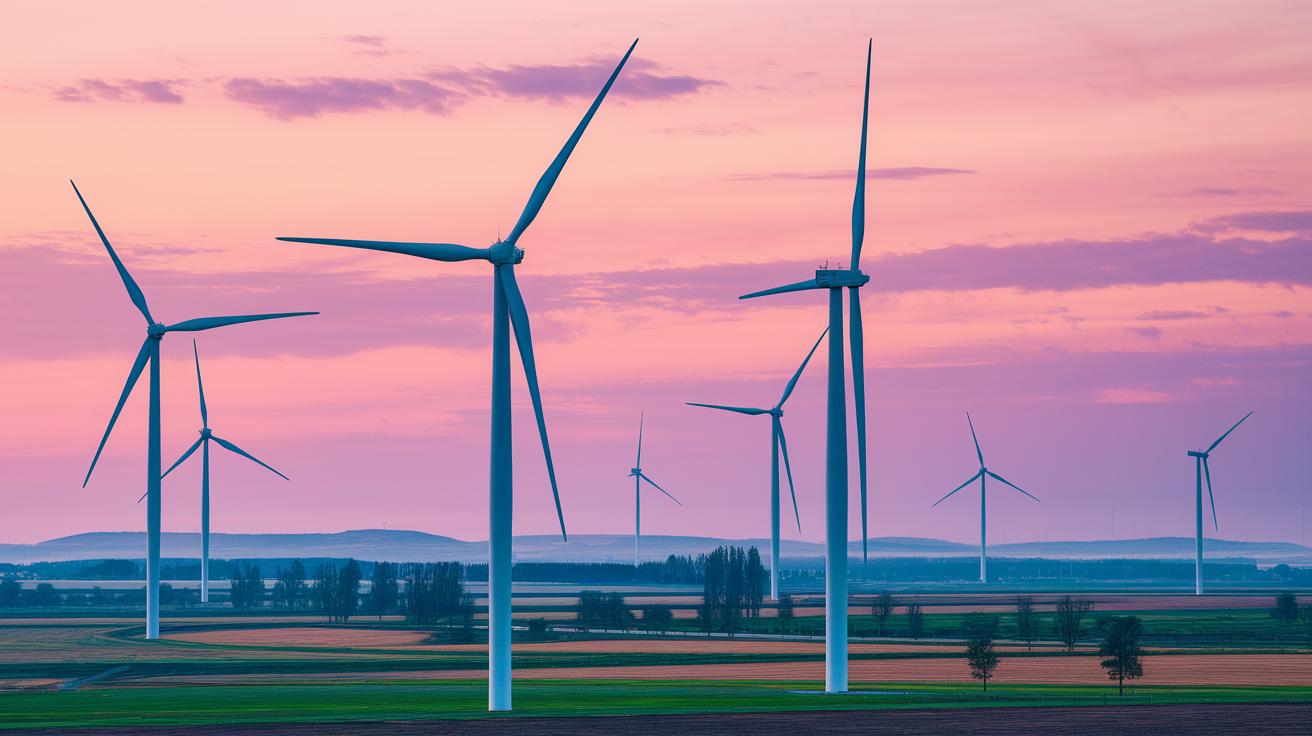
AI tools help wind farms by studying short-term wind patterns so they can adjust the angles of their turbines and plan maintenance when needed. These smart systems work with detailed data to tell when gusts or gentle breezes are coming, which helps turbines catch as much wind as possible. Picture a wind farm that becomes more efficient just by tweaking the turbine angles at just the right moment – it cuts down on wear and boosts energy output.
Solar Output Prediction
Advanced AI models keep a close eye on solar irradiance, which is just the amount of sunlight that hits solar panels. With these models, forecasts have errors below 5%, giving a clear idea of when sunlight will peak or fade. This means solar panels can be adjusted in real time for best results and energy storage plans. Imagine solar arrays tilting their panels just right when unexpected clouds drift by, keeping the energy flow smooth.
Grid Integration Optimization
AI also plays a key role in matching the energy produced by renewable sources with how much power the grid needs. By combining weather forecasts and energy demand data, AI helps schedule battery storage and manage the load balance. This careful coordination makes sure that power from wind and solar farms finds its way into the grid even when the weather shifts suddenly. Plus, AI-powered extreme-weather alerts make the system more reliable during sudden changes in power supply.
Reducing Carbon Footprint through AI Innovation
AI is opening up new ways to fight climate change by giving us clear, data-based insights to lower our carbon emissions. Right now, AI tools take up about 4.4% of U.S. power, but many of their designs can actually help us save energy when we fine-tune them. In fact, MIT Tech Review even warns that if we don't manage it, AI could use energy similar to that consumed by 22% of U.S. households. That stat really makes you pause and think about how we can cut the carbon cost of AI.
Imagine a future where clever new methods not only battle climate change but also reduce the waste created by technology itself. Today, AI apps help both companies and governments make smarter energy plans. They predict how systems will behave and spot where energy isn’t used efficiently. In doing so, these smart solutions ease the heavy energy demand while also taking better care of our environment.
Engineers and leaders are tackling these challenges head-on with some innovative strategies. They’re pushing for cleaner data centers that run on renewable energy like solar or wind. Designers are rethinking how AI models work so they need less computing power. In smart buildings, energy systems use AI to spot issues before they turn into big problems. Plus, AI is helping optimize delivery routes to reduce unnecessary fuel use. And thanks to digital dashboards that work across industries, keeping track of emissions is now a lot simpler.
- Move AI work to data centers powered by renewable energy.
- Redesign AI models to need less computing power.
- Use AI systems in smart buildings to control energy use.
- Rely on AI-driven predictive maintenance to stop industrial waste.
- Optimize logistics and fleet routes with AI to cut excess fuel use.
- Use AI to manage carbon accounting across entire supply chains.
- Monitor emissions easily with machine learning–powered dashboards.
Ethical and Policy Dimensions of AI in Climate Action

AI tools are changing how we tackle climate change, but they also bring up important questions about fairness and oversight. Big rules like the EU AI Act and South Korea’s AI Basic Act guide how these tools should be built to avoid harming our environment.
People are asking to see exactly how these tools are made. Regulators want full lifecycle assessments (reviews from start to finish) so that every step is clear. This way, everyone, lawmakers and the public, can understand how AI might affect climate projects and help avoid unexpected problems.
Around the world, climate action is not the same everywhere. Some countries have strong rules, while others are still catching up. Even though agreements like the Paris Agreement and the UN Sustainable Development Goals set targets, putting AI in action is uneven. This situation shows we need more consistent rules, so AI works well for everyone without creating new issues.
We also need to strike a balance between innovation and ethics. Without clear boundaries and accountability, these advanced tools might accidentally worsen problems as they grow. The goal is to make sure everyone follows the same standards, so AI can be a trusted partner on our journey to a greener future.
Future Prospects of AI for Climate Resilience
The future looks bright for artificial intelligence in helping communities tackle climate change. Some predictions say that if we don’t boost our efficiencies, AI might use as much energy as nearly one in four American homes by 2028. This challenge is urging us to develop smarter tools that give us improved climate forecasts while keeping their own energy use low.
New energy-friendly algorithms and quantum-inspired models (early technology that mimics how tiny particles behave) could cut the power needed by computers by 30 to 50%. These advances are changing climate science. Now, scientists can predict and respond to weather changes more accurately, all while saving energy. With lower energy demands, AI tools can easily become part of everyday plans to protect our environment without adding extra costs to nature.
Engineers are also creating AI-driven geoengineering simulations to test proactive fixes for major climate issues. Plus, smart, automated tools are being designed to quickly distribute resources during extreme weather events. As climate change pushes us to find advanced solutions, these new technologies are paving the way for a more resilient future.
Final Words
In the action, we explored how AI is making real strides in tackling climate change. We saw its role in tracking weather shifts, fine-tuning renewable energy outputs, and even cutting down on carbon emissions. Each section highlighted practical ways that ai climate change tools can shape our everyday lives. The post brought forward hands-on examples, clear comparisons, and ethical insights, all in a way that’s easy to follow. The future looks bright as these smart tools continue to move us toward a healthier planet.
FAQ
How does AI contribute to climate change prediction?
AI climate change prediction supports forecasting weather trends and environmental shifts. It uses smart data analysis to monitor greenhouse gas levels, sea-ice extent, and more, helping experts plan effective climate strategies.
What are some examples of AI projects addressing climate change?
Climate change AI projects include forecasting weather patterns, improving water management, optimizing urban planning, and integrating renewable energy systems. They turn raw data into actionable plans for addressing climate challenges.
What courses are available for learning about AI in climate change?
AI climate change courses offer lessons on data analytics, predictive modeling, and real-world applications. They guide learners through how artificial intelligence can help monitor and mitigate environmental issues.
What do discussions about AI and climate change on Reddit involve?
AI climate change Reddit threads feature diverse opinions, sharing of breakthrough research, and community debates. They highlight real-life experiences and ethical discussions around AI’s role in climate science.
How is AI used to solve water-related climate challenges?
AI climate change water projects utilize predictive analytics to manage water resources. They forecast droughts, track water quality, and optimize irrigation, ultimately supporting sustainable water practices.
What are the negative impacts of AI on climate change?
Negative impacts of AI on climate change include high energy usage by data centers and carbon-intensive computing processes. These challenges spark efforts to develop greener, more efficient AI systems.
What statistics illustrate AI’s environmental impact?
AI environmental impact statistics indicate that data centers often consume large amounts of electricity and contribute significantly to carbon emissions. These figures push innovators to seek energy-efficient solutions in AI development.