
Have you ever wondered how a tiny tweak to a plane's wing can help it use less fuel and fly more safely? Aircraft design is a mix of hands-on testing and careful planning. It's kind of like perfecting your favorite recipe, small changes can lead to big improvements in the sky.
In this article, we'll look at how forces like lift (the upward push from the air), drag (the resistance when moving through the air), weight, and thrust (the push from the engines) work together to give you smooth, reliable flights. Modern engineers blend smart ideas with everyday experiments to turn ordinary flights into something truly amazing.
Aircraft Design Overview: Core Principles and Methodology
Aircraft design kicks off by focusing on four key ideas: lift, drag, weight, and thrust. Think of lift as the force that helps the plane rise, drag as what slows it down, weight as how heavy it is, and thrust as the push that drives it forward. A neat example is when early tests showed that a tiny change in the wing’s shape allowed the plane to take off using less fuel. That fun fact shows how small tweaks can really boost efficiency.
At its heart, building an aircraft is a mix of solid science and hands-on trials. Beginners learn that balancing lift (the upward force) and drag (the slowing force) with the plane’s weight and thrust is the secret sauce behind every safe flight. Designers use cool tools along the way too. For example, a METAR Decoder helps understand current weather conditions, a Crosswind Calculator makes sure takeoffs and landings stay safe, and calculators for density altitude, airspeed conversion, and standard atmosphere help refine early design plans.
If you’re eager to dig deeper into the magic behind flight, checking out the basics of aerospace engineering is a great idea. It’s fascinating to see how natural forces and clever engineering work hand in hand to create the airplanes we see today.
In truth, the design process is all about trying ideas, testing them, and making adjustments. Every step and every tool used lays down another brick on the path from a simple idea to an airplane that’s both efficient and safe.
Conceptual Aircraft Design Process: Defining Requirements and Layout
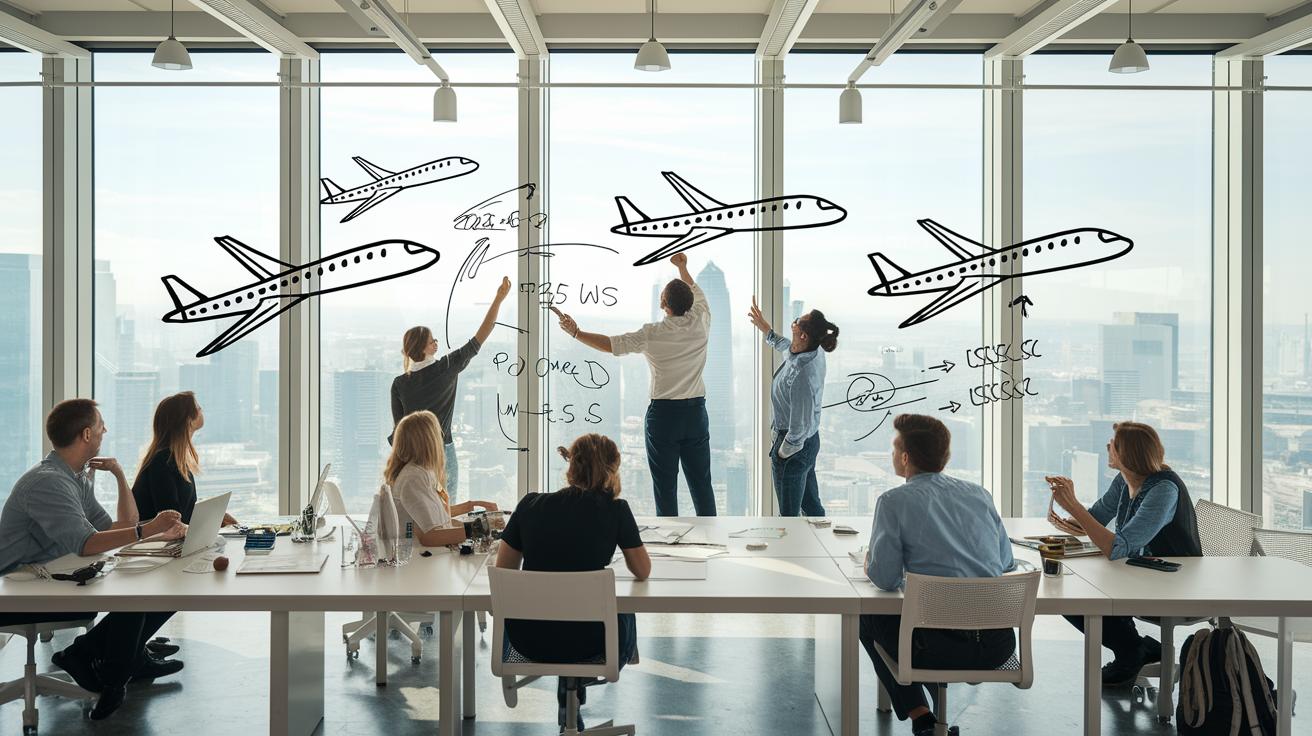
The process kicks off by figuring out what the plane needs to do. Designers start with a clear list of goals such as speed, range, and how many passengers it should hold. They draft simple sketches that show basic shapes and arrangements. For example, they might jot down, "I need a design that mixes speed with fuel efficiency." This step lays the groundwork for exploring deeper design ideas on the site.
Next, the team works in short cycles. Each cycle begins with the set requirements and a rough layout. They then run basic tests using simple calculations and simulations (for example, checking lift, which is the upward force, and drag, which is the resistance from air) to see if the design meets the goals. Imagine adjusting a wing's angle and running a quick simulation to check if the new shape helps the plane move more smoothly through the air.
Finally, designers often make small tweaks by physically adjusting dimensions and shifting parts around. This cycle of testing and refining continues until they settle on the best setup. In truth, this careful, back-and-forth approach ensures that the final airplane layout is both creative and realistic in performance.
Aerodynamic Modeling in Aircraft Design
In the 1970s, new computer tech completely changed how designers build airplanes. Today, using math models to study airflow is key to making planes work better and stay safe. Engineers now depend on computational fluid dynamics simulation (a computer method that shows how air flows) to see how air moves over wings. This method is vital for wing design because it lets experts adjust the wing's curve, twist, and thickness to boost performance. For example, one engineer might share a moment like, "I ran a simulation and discovered that a tiny change in the wing's curve cut drag a lot. It was like watching a digital experiment come alive."
Wind tunnel tests also play an important role alongside these computer models. In wind tunnels, small models face smooth, steady airflows that copy real-life conditions. The data from these tests is used in 3D airplane simulations, which helps engineers fine-tune shapes and lift devices step by step. A typical session might involve changing a wing design, running a simulation, and then checking the results in a wind tunnel. It is like watching images of airflow on a screen guide an engineer’s hand as they adjust the wing for extra lift.
Today, checking how air moves around a plane is an ongoing, interactive process. Engineers mix computer simulations, 3D models, and wind tunnel tests in a continuous loop. Every phase teaches something new, and each step makes the next one better. By combining digital models with real-life tests, every change improves fuel efficiency and safety. In truth, every tweak brings modern engineering one step closer to building the perfect airframe for tomorrow.
Structural Analysis and Materials in Aircraft Design
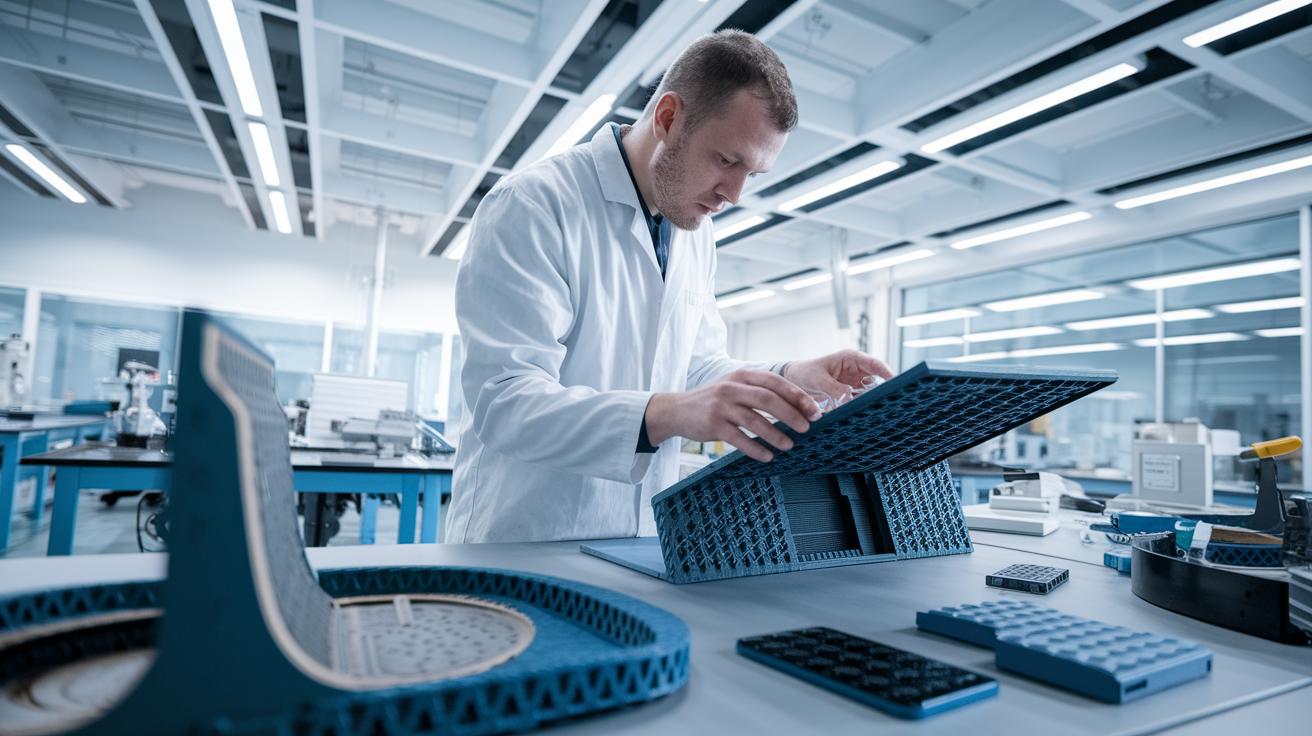
Since the Wright brothers’ first flight in 1903 and the Vuia II’s folded-wing design in 1907, airplane designs have evolved a lot. Early on, planes used heavy, simple materials that limited performance. Today, airframes are built with lightweight alloys and composites (mixed materials that are both light and strong). Engineers run careful tests to ensure every part can handle the forces experienced during flight.
Choosing the right materials is crucial. Modern engineers select materials that deliver both strength and lightness. For instance, one engineer mentioned how switching to a composite panel in a simulation noticeably improved stress tolerance. It’s a great example of how a small change during the design phase can lead to big performance benefits.
Wing layout planning is another key aspect. Designers break the wing down into smaller sections and test each part in specialized labs that mimic real flight conditions, including loads and vibrations. They check every curve, joint, and rib to make sure each can stand up to the stress. These detailed tests build on more than a century of aviation experience.
Modern design methods blend hands-on testing with computer simulations. This approach helps engineers figure out the best materials and structural designs. The result? Airplane structures that meet today’s safety standards and set the stage for the next generation of aviation innovation.
Propulsion and Systems Integration in Aircraft Design
The engines, onboard electronics, and extra helper systems all work together like a well-practiced team to keep an airplane cruising smoothly in the sky. Designers mix engine power with high-tech controls so everything flows naturally. For example, one engineer might say, "I ran a simulation to see how a TurboFan interacts with the landing gear systems, and the results confirmed our design makes takeoffs smoother."
Modern planes also come with special test setups, such as TurboFan, TurboShaft, and APU cells. These test cells let engineers watch how engines behave under real-life conditions. Systems engineering for aircraft means that every part, from the electrical circuits to the ice detection tools, is carefully planned and tested. A common test might involve running a simulation for an electrical network and using data from sound tests (tests that check how noise behaves) to find spots that need improvement.
Advanced flight mechanics modeling is another big piece of the puzzle. Engineers run simulations that mimic a range of conditions, like wild weather or high-speed maneuvers, to see how the aircraft responds. For instance, one engineer might tweak settings in a hydraulic system simulation to make sure the controls work well with the power coming from the engines.
The integration plan ties the electronics with the engines and other support systems. This strategy makes sure all parts of the plane talk to each other and help keep everything balanced. In real life, engineers refine their designs by comparing results from both lab tests and computer models. This back-and-forth process fine-tunes the balance between power, stability, and overall performance, making sure the final airplane design is efficient, safe, and ready to hit the skies.
Digital Design and Prototyping in Aircraft Design
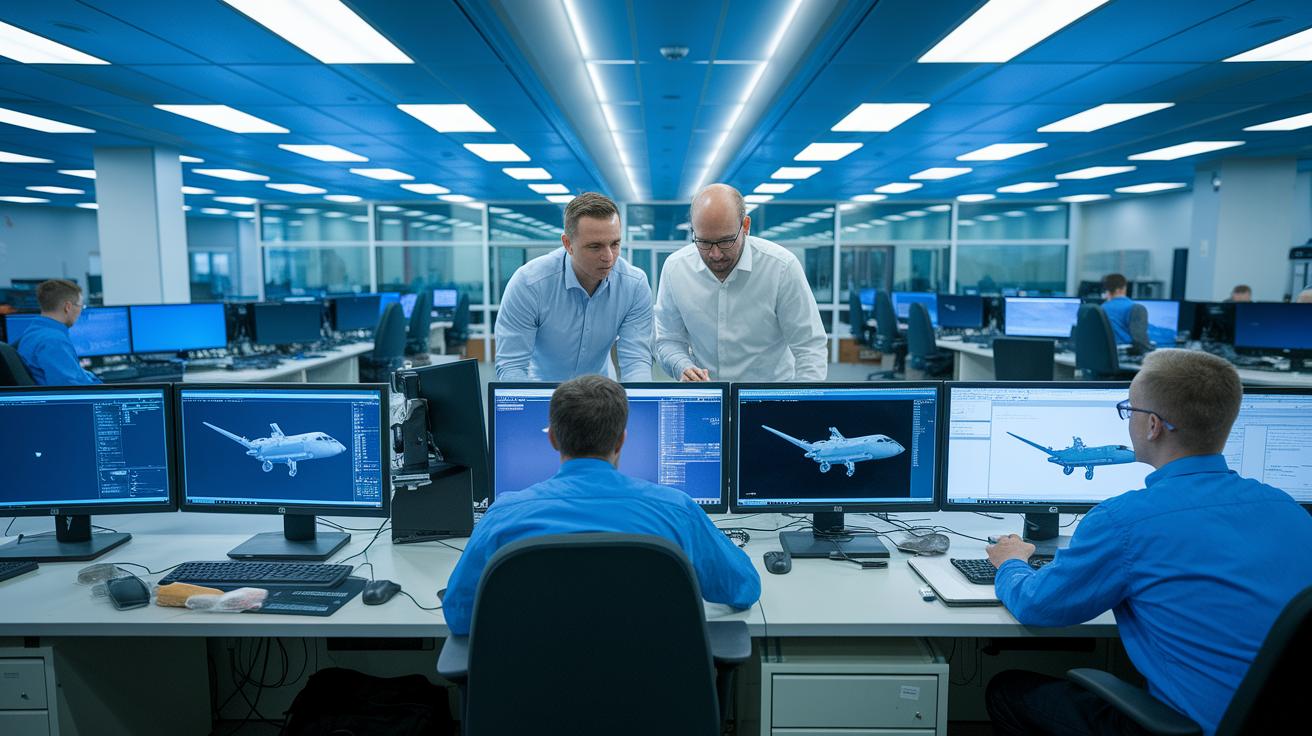
Today, engineers rely on computer-aided design (CAD) in aerospace to turn aircraft ideas into detailed digital plans that feel almost tangible. Using CAD/CAM platforms, they build digital models that behave much like real-life objects, letting them design, test, and adjust their ideas without the need for early physical prototypes. One cool tip: "My first CAD model revealed that a slight tweak in wing curvature could slash drag significantly, much like adjusting the sails on a boat changes its speed."
Virtual prototyping is another key player in this process. By crafting digital models using both open source design tools and professional software, engineers can simulate different conditions, like how an airplane might react to a sudden gust of wind. These real-time simulations help them visualize what might happen in different scenarios and fine-tune details before any actual metal is cut.
3D simulation tools are also super important. They let designers observe how every curve and joint behaves under various conditions. Sometimes an engineer will use these simulations to test new high-lift devices or find ways to improve fuel efficiency. It's a bit like having your own digital wind tunnel, where testing is both speedy and flexible.
This step-by-step process of digital design and virtual prototyping cuts down on trial and error, which means fewer early physical prototypes. Below, you'll see a simple outline of the main tools used in the digital design workflow:
| Tool | Role |
|---|---|
| CAD/CAM Platforms | Creating detailed digital models |
| 3D Simulation | Testing how designs handle air flow and movement |
| Open Source Software | Speeding up the design process with iterative testing |
This digital shift not only makes designing faster but also opens up exciting possibilities for innovative solutions in modern aircraft development.
Safety and Regulatory Framework in Aircraft Design
Keeping aircraft safe and reliable is at the heart of every design. In aviation, following strict rules (regulations) ensures that a plane can fly without risk. Engineers check every detail and keep clear records so that when experts review their work, every part meets high safety standards. One engineer even said, “I rechecked every test result to be sure our design fits the strict criteria set by the authorities.”
The process starts with setting goals that match the rules. Teams run real-world tests and computer simulations (virtual tests that mimic real conditions) to confirm the plane meets all its safety checks. They use simple checklists to make sure each part works properly, whether it’s the way systems connect, the strength of the materials, or that the electronic controls function as they should. This routine helps every component pass safety audits (formal checks).
Safety isn’t a one-time event. Detailed records, from early sketches to the final test reports, are kept so that authorities can confirm the aircraft’s airworthiness. Regular internal reviews, along with independent audits, create a strong framework to uphold safety standards.
Did you know? In a recent design review, a small change in a control system boosted overall safety performance, proving that even little adjustments can make a big difference. This careful, step-by-step approach shows that every new aircraft is built not just to fly, but to soar safely in the real world.
Future Trends in Aircraft Design

Recent work in aircraft design is all about making planes more efficient and reducing pollution. Scientists and engineers are mixing the best of both worlds by pairing electric motors (motors powered by electricity) with the engines we know. Imagine a plane that uses less fuel and emits fewer harmful gases. One researcher even noted, "Our computer model of this combined system showed much lower fuel use and emissions compared to traditional designs." That kind of feedback really boosts the drive toward greener flying.
There’s also a big push on unmanned aerial vehicles, think drones and small planes, that could handle specific tasks and make flying even safer. These self-flying systems (technology that lets planes steer themselves) are getting smarter every day, thanks to new sensors and clever computer programs. Soon, this tech might change not only commercial air travel but also help in emergency rescues and farming tasks.
New studies are also looking into biofuels, a type of energy made from plants or waste, to work alongside electric systems. For example, one test showed that blending biofuel with an electric setup can cut down overall emissions, much like how some cars run cleaner with alternative fuels. Researchers are fine-tuning their testing methods to mimic real-life flying, ensuring that each new design hits strict performance and environmental targets.
Every experiment and simulation is a step closer to a future where planes are safe, efficient, and eco-friendly. Engineers and scientists are teaming up, refining these new systems so that someday we’ll have aircraft that are as kind to our planet as they are advanced.
Final Words
In the action, we explored the basics of aircraft design, from key generating forces to the digital tools that bring ideas to life. We touched on planning the layout, modeling aerodynamics, testing structures, and integrating crucial systems. We also saw how safety and upcoming trends shape modern systems. Each step builds a clearer picture of how our skies are imagined and engineered. This exploration shows that aircraft design remains a powerful blend of science and creativity.