
Have you ever thought about how science touches your everyday life? It’s amazing to think that a curious experiment in a lab can end up in the smartphone in your hand or even help doctors treat illnesses.
Every day, discoveries in fields like biology (the study of living things), computer science (the study of how computers work), and space research (the study of the universe) change the way we live, work, and stay connected. These breakthroughs power our gadgets, help communities speak with one another, and even protect our environment.
In this post, we'll dive into how simple lab experiments turn into practical tools that make life a little easier and push technology forward. Join us on this journey as we explore the exciting world of science in action and see how it sparks progress all around us.
How Scientific Discoveries Propel Technology Innovation
Science research builds the very foundation of our daily technology. Breakthroughs in biology have given us life-saving vaccines, while studies in environmental science help guide rules to cut down deforestation, control polluted soil, and lower greenhouse gases. Years of computer and data science work have brought us smart systems like AI (artificial intelligence, or computer programs that mimic human thinking) and automation that power our smartphones, heating and cooling systems, and even our roads. And insights from astrophysics (the study of space and stars) and materials science have helped create the satellites and space networks that keep us connected.
For example, did you know that before scientists understood how bacteria behave, hospitals had a tough time fighting infections? Today, thanks to this insight, we easily treat them with medicine. Every big leap in our gadgets, from early radios to the digital devices we trust every day, stems from a scientific discovery. If you’re curious to learn more about how science keeps pushing technology forward, you might want to check out this bit on technological advancements.
Every field, whether in healthcare, caring for our environment, or keeping in touch via space communications, benefits from ongoing research breakthroughs. These discoveries stretch the limits of our technology and spark new ideas that brighten our daily lives.
Historical Technological Transformations Driven by Scientific Discoveries

In many cases, scientists viewed their experiments as simple tests, never expecting these breakthroughs to redefine the way entire societies operate. In the mid-1400s, Gutenberg's printing press completely changed how people shared information. Instead of painstakingly copying manuscripts by hand, books could now be printed in large numbers. Imagine being a clerk in a small town who suddenly discovers a library of printed works ready to spark new ideas and learning.
In 1775, James Watt improved the steam engine in a way that powered not just trains, but also the early machines in factories. This breakthrough sped up industrial growth and led to the rise of busy urban centers. Picture a train station filled with the rhythmic chug of steam, driving commerce and changing work life practically overnight.
Then, Thomas Edison invented the light bulb in 1880. This invention turned nights into days by extending working hours beyond natural sunlight. With the development of electrical grids, communities began to glow with this new energy, bringing people together in a whole new way.
Alexander Graham Bell patented the telephone in 1876, which started global voice networks that linked people across great distances almost instantly. Just a few decades later, in 1903, the Wright brothers made their first controlled flight. Their daring step into the skies marked the beginning of commercial aviation and changed the way people and goods traveled around the world.
The story continues with the creation of the transistor in 1947 and the introduction of the microprocessor in 1971, both of which opened the door to personal computers and our digital age. In 1969, ARPANET laid the foundation for what we now know as the Internet while TCP/IP protocols further refined this global network. Remember Motorola's 1983 DynaTac? That mobile phone was one of the first signs of the communication revolution to come. Even back in 1956, the Logic Theorist showed early promise for what would eventually grow into modern artificial intelligence.
Scientific Discoveries in Computation Fuel the Digital Technology Revolution
It all started in 1947 when scientists created the transistor and then in 1958 came integrated circuits that tied many tiny parts together. These early breakthroughs slowly built the path to the microprocessor revolution in 1971. You can picture those first computers booting up, each component working like a well-tuned orchestra. Fun fact: the very first microprocessors were about the same size as a postage stamp, yet they unleashed a wave of computing power we never imagined.
As time went on and we reached the 1980s and 1990s, new ideas like smart algorithms and simple machine learning techniques began to take shape. These clever tools helped create deep neural networks (computer models that work a bit like the human brain) used in everyday things like recognizing faces on your smartphone. Have you ever marveled at how your phone instantly tags a friend in a photo? That’s thanks to these advanced, brain-inspired networks.
Then came the magic of the cloud. Cloud infrastructure and virtualization brought about on-demand computing, making it seem like resources appear right when you need them, almost as if by magic. Imagine platforms sharing huge amounts of data and processing power at breathtaking speeds, connecting billions of devices into one large digital world.
Every step in these advances has helped build a society where digital tech is woven into every part of our daily lives, making what we once thought was impossible seem just within reach for the future.
Biomedical Discoveries Reshaping Healthcare Technology
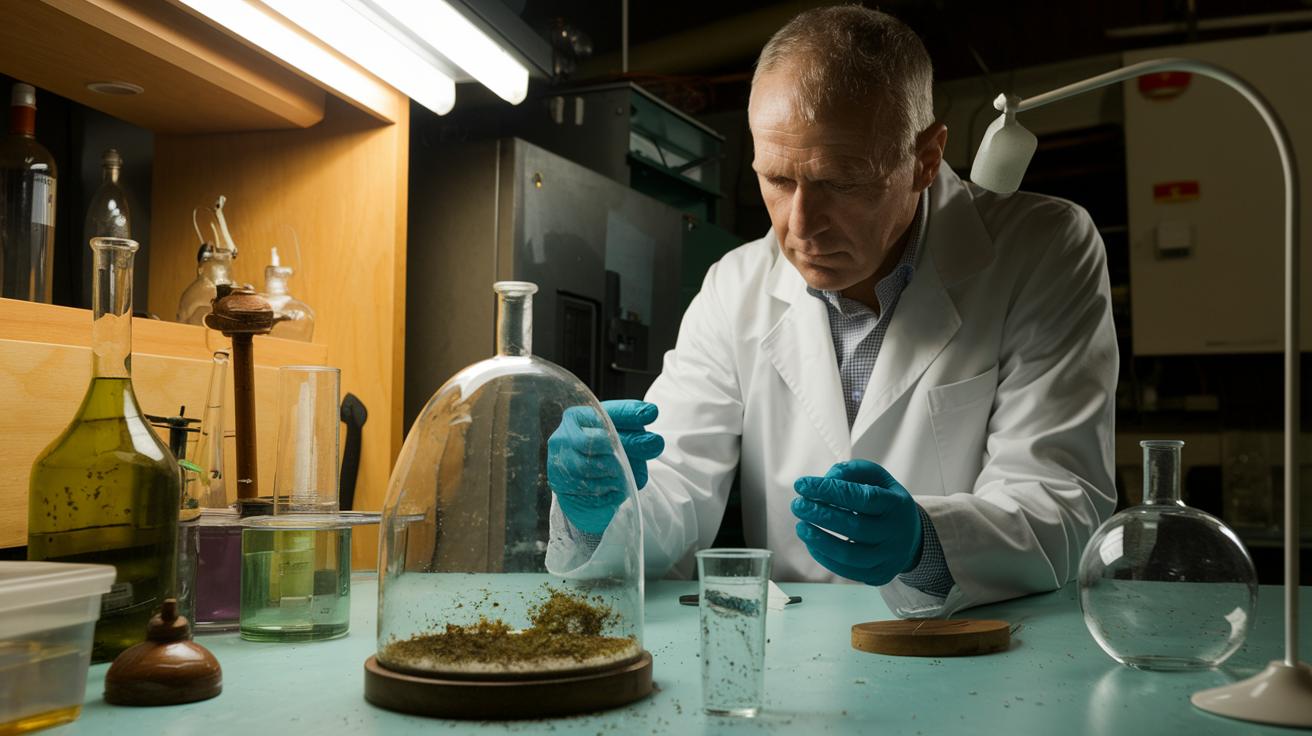
Back in 1928, Alexander Fleming made a surprising find in his small lab. He noticed that a mold was killing the bacteria around it. Suddenly, medicine had a powerful new tool to fight infections, saving millions of lives.
Vaccines started from simple ideas about germs and how our bodies fight them. They’ve grown into a giant shield against diseases. Since 1974, vaccines have saved 154 million lives! Every day, routine shots help protect people from dangerous outbreaks. For more details on these life-saving tools, check out medical breakthroughs.
In the early 2000s, scientists began reading our unique genetic codes. This breakthrough allowed for treatments designed just for you – kind of like choosing the perfect outfit for a special day. Then in 2012, CRISPR (a tool for editing genes) opened new doors in fixing diseases by working right at the genetic level.
Everyday health tools got a big boost too. Researchers found the right alcohol mix in hand sanitizers to zap germs quickly. And modern fitness trackers now use brain science (neuroscience) and smart data tools to monitor our health in real time. These advances help people take charge of their wellbeing every day.
Driving Engineering Evolution for Sustainable Technologies
Scientists have been making big strides in renewable energy by learning more about materials for solar panels and the way wind turbines catch the wind. They’ve figured out how to redesign solar panels so they can change more of the sunlight into electricity. One really cool example is a solar cell that once managed to transform half of the sun’s light into energy, a result that left many engineers amazed.
This research into both the sun and wind power has not only boosted how much energy we can get but has also helped make large projects more realistic and affordable. In truth, studies have shown that looking at the environmental effects and costs has paved the way for big solar and wind projects that work well and don’t break the bank. New ideas like using stronger, lighter materials (nanomaterials are tiny particles you can’t see with your eyes) in green building designs have also made these systems tougher and more efficient.
- Grid modulation upgrades help move electricity more efficiently.
- Power-saving improvements make our energy use smarter.
- Climate adaptation plans are steering the development of carbon capture and cleaner transportation.
These engineering breakthroughs are paving the way for a future where our green energy systems can stand up to climate challenges, making them more resilient and easier for communities to rely on.
Interdisciplinary Synergy Shaping Future Technology

Different areas of science are coming together like never before. With new computer simulations (virtual testing methods) and digital twin mapping (creating a virtual copy of a real system), engineers in fields like airplane and car design can try out ideas much faster. Imagine software running a quick, virtual test flight, it’s that simple.
Research in bioinformatics (using computers to study living things) and molecular computing (tiny computers working at the molecular level) is opening doors to personalized medicine and even exploring ways to slow down aging. Pipenet’s idea of a smooth pipeline that sends goods faster than 1500 km/h shows just how creative these cross-field ideas can be.
Then there are projects like space elevators and ideas about a physical Internet that mix materials science with green energy methods. And when you add together things like the Internet of Things (smart devices that talk to each other) and blockchain (a secure digital ledger), you get a seamless blend between digital and physical worlds.
These innovations show that when different scientific fields join forces, they solve today’s problems and pave the way for tomorrow’s breakthroughs. It’s amazing to see how combining diverse ideas can change our everyday lives and inspire new generations to explore fresh, exciting possibilities.
Final Words
in the action, this article takes you through key moments where science sparked innovations in everyday tech. It shows how breakthroughs fueled smarter devices, improved healthcare, greener energy options, and digital tools that shape our day-to-day life. Each section highlights the clear impact of scientific discoveries on technology by tracing historical transformations and modern advances. The discussion reminds us that curiosity and research keep pushing us toward exciting, positive changes in our world.
FAQ
What is the positive impact of scientific discoveries on technology?
The positive impact of scientific discoveries on technology is that they spark breakthroughs leading to improvements like modern computing, better healthcare devices, and more efficient renewable energy systems.
How do scientific discoveries influence technology?
Scientific discoveries influence technology by offering new insights that guide practical inventions, such as advanced communication tools, refined medical treatments, and efficient energy solutions.
What are some examples of science and technology advancements?
Examples include the development of the transistor, smartphones, renewable energy systems, and modern medical therapies, each showing how research has reshaped everyday technologies.
What is the relationship between science and technology?
The relationship between science and technology is that careful research drives innovations which then lead to tools and systems, creating a supportive cycle between discovery and application.
What are the benefits of scientific discoveries in society?
The benefits of scientific discoveries in society include improved healthcare, more effective communication methods, modern education tools, and economic growth that boost overall quality of life.
In what five ways have science and technology influenced society?
Science and technology influence society through better health care, enhanced communication, sustainable energy solutions, efficient transportation, and advanced computing, all improving daily life.
How do scientific discoveries impact society?
Scientific discoveries impact society by sparking essential tech improvements that bring forward innovative healthcare, education, communication, and energy solutions to support community well-being.
How do biotechnology, technology, science, education, and mathematics connect?
These fields connect by building on shared research and innovation, where progress in one area helps drive advances in others, promoting comprehensive improvements in our everyday lives.