
Have you ever thought that one voice might change our future? Back in the early 80s, Al Gore stepped up and spoke out about rising carbon dioxide (a gas that warms our planet) levels long before many people knew it could be a big problem. He took hard science and turned it into everyday conversation that grabbed people’s attention.
Gore made a tricky issue feel clear and simple. His straightforward talk opened up hope for a cleaner and healthier world. Today, his early warnings remind us that every voice counts when we work together to protect our planet.
Al Gore’s Pioneering Climate Change Advocacy
Back in 1981, when Al Gore was a House member from Tennessee, he pointed out a sharp rise in carbon dioxide levels that most people simply ignored. In front of congressional committees, he showed clear evidence of growing CO₂ (a gas that warms our planet) levels, stirring both surprise and a bit of doubt among his colleagues. He even said, "I’ve been waiting patiently for the greenhouse effect to resolve itself – if only nature offered a timetable," a remark that mixed disbelief with urgency. It’s fascinating to think that before becoming a climate icon, Gore was already wrestling with the reality of new environmental threats.
Later on, during his two terms as vice president from 1993 to 2001, Gore brought climate science right into the heart of policy debates. He laid out easy-to-understand facts about our changing environment, turning hard scientific data into everyday talk. By linking what scientists discovered with issues that affected daily life, he made the idea of climate change real for many who used to think it was just an abstract concept. His work nudged political leaders to look toward long-term solutions, even when not many laws changed.
After his time in politics, Gore shifted gears and focused on spreading awareness about environmental issues. He became a true environmental advocate, famous for his documentaries that painted global warming as an urgent, planet-wide problem. By turning complex numbers and studies into a simple message like, "Imagine a world where every step counts," he showed how anyone could make a difference. His journey from a cautious lawmaker to a passionate climate champion still sparks hope and inspires people all over the world.
Al Gore Climate Change Documentary: 'An Inconvenient Truth' Spotlight

Released in 2006 and directed by Davis Guggenheim, "An Inconvenient Truth" quickly grabbed the world’s attention with its simple, fact-filled look at how our planet is heating up. The film uses Al Gore’s memorable slideshow of climate facts to spark a major shift in how people talk about the environment. It even won big awards like Best Documentary Feature and Best Original Song at the Academy Awards, pulling in nearly $50 million worldwide. Think of it as a blockbuster movie that entertains while showing us clear evidence of what might be waiting for our planet. Plus, it hit theaters at a time when carbon dioxide levels (the gas in our air that makes the planet warmer) had just passed 400 parts per million, a milestone that now rings alarm bells for scientists and everyday folks alike.
What makes this documentary stand out is its heavy reliance on real data linking rising carbon emissions to wild weather and big changes in society. Gore points to numbers, like predictions that CO₂ levels would climb above 417 parts per million by 2021, to show us just how much strain our world could face. By mixing solid science with vivid images, the film gives us a clear call to action, one that makes us think about changing our habits and policies for a healthier future. In truth, it’s not just about informing us; it’s about urging us to see how our daily choices shape the fate of our shared home.
Influence of 'An Inconvenient Truth' on Policy and Public Awareness
Right after the film hit theaters, conversations about our changing climate quickly took off. Local leaders and community groups began holding meetings that focused on the warming trend and set in motion early initiatives. Those talks opened the door to fresh ideas and plans aimed at protecting our planet.
| Initiative | Outcome |
|---|---|
| Global warming symposiums | Boosted climate education in schools and communities |
| Local emissions targets | Shifted city planning and state policy toward cleaner air |
| Civic group partnerships | Strengthened grassroots projects for environmental action |
Even as these discussions grew, a gap between knowing and acting remained. While local groups and some state policies pushed for cleaner energy and tighter emissions targets, the federal government has been slow to respond. Severe weather events, like the storms in Asheville, NC and the wildfires in California, keep reminding us of the film's important message. International groups, such as those involved in the Paris Climate Agreement, have tried to set global guidelines, yet strong legislative action is still hard to come by.
Public interest and grassroots efforts continue to rise, but turning that energy into strict laws has proven to be a tough challenge. Many experts believe that real change will only happen when informed citizens join forces with determined lawmakers.
Eco Activist Speech Analysis: Al Gore’s Iconic Climate Oratory

Al Gore shows a unique mix of calm leadership and a burning passion for change. When he takes the stage, be it during the 2006 Oscars or at UN climate gatherings, he speaks in a way that brings hard science down to everyday life. His words are personal and convincing, almost like chatting with a good friend who deeply cares about our planet. He uses ideas about right and wrong, and even money, to invite everyone to join him in pushing for change. Plus, he avoids heavy technical talk so that anyone can feel the weight of what climate change means.
Three quotes really stick with you. Back in 1981, he said, "I’ve been waiting patiently for the greenhouse effect to resolve itself." This line made people think about nature's ability to fix itself, even when it might not. At the Oscars, his plea "to prevent a collision between civilization and the planet" was a clear call to act fast. And then, at a UN conference, he connected the dots between the numbers of emissions and real-world economic effects. This blend of facts and feelings makes you want to take a stand for the Earth. His words continue to echo in the ongoing fight for our planet.
Real-Time Climate Data Initiative: Al Gore’s Latest Environmental Tool
Al Gore’s new climate dashboard gives you live updates on global temperatures, CO₂ levels, and even alerts for extreme weather. It mixes satellite images with on-the-ground data to show clear, real-time snapshots of our changing world. Imagine a system that sparks to life the very moment a storm starts, letting both scientists and everyday people see what's happening right now.
Experts love how this digital tool connects science with policy. Researchers can now catch tiny climate shifts in real time, making their studies quicker and more accurate. News teams are using the dashboard to share vivid stories that really capture our attention. And when leaders get instant data, they can jump into discussions and make smarter decisions fast. This shift from old, slow reports to active, live updates not only makes climate data easier to understand but also inspires us all to take action against environmental challenges.
This dashboard shows off Gore’s lasting passion for mixing solid science with everyday activism. By putting accurate, live data in the hands of everyone, he reminds us that when we’re well-informed, we can spark real change. It’s a big digital step forward, inviting communities around the world to see and respond to climate realities right away. In truth, it’s a great example of how new ideas can help us all fight climate change together.
Al Gore’s Climate Change Legacy and Next Steps in Eco Advocacy
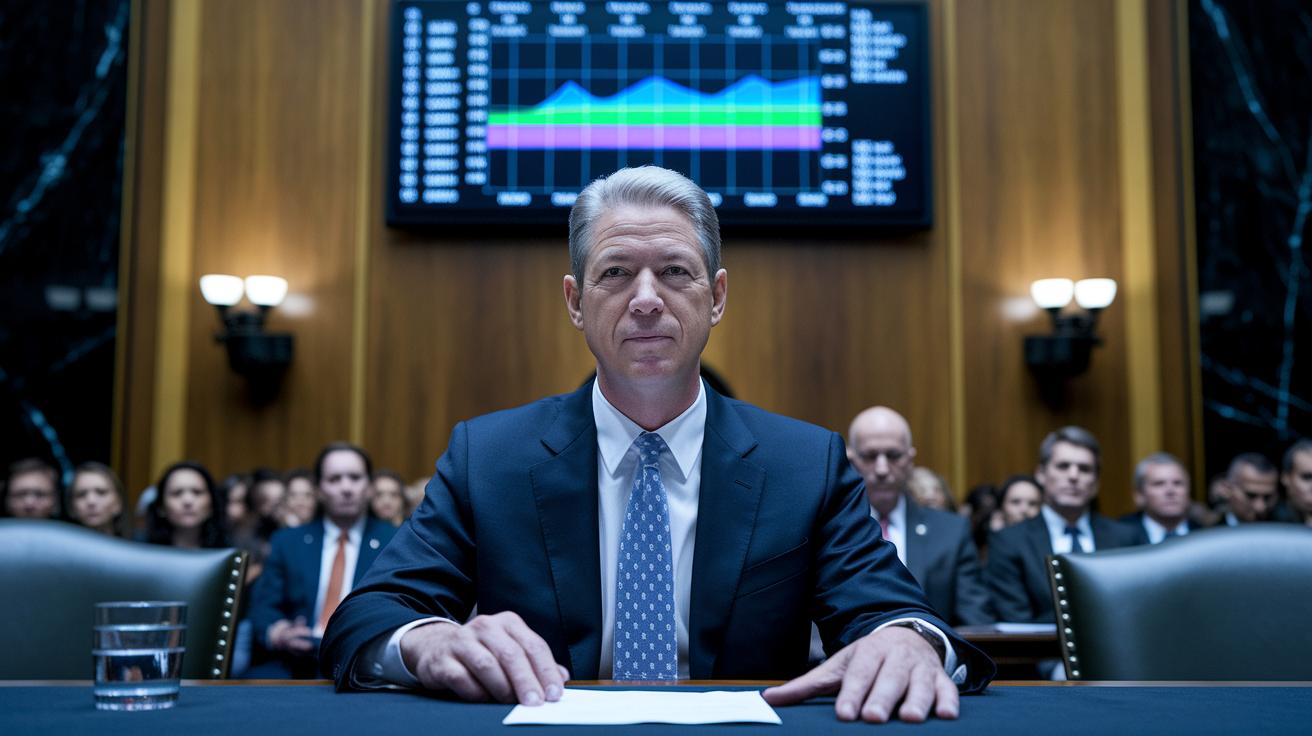
Gore’s early caution signs really got people talking about climate change. His efforts in congressional hearings sparked conversations that still guide our fight for a safer climate. I remember him saying, "I warned that our future depended on immediate change – and that call still rings true today." It’s a reminder that we must act before it’s too late.
Over time, his work evolved into projects like the Climate Reality Project and mentorship programs for up-and-coming eco advocates. Now, there’s even talk of a new film that will focus on today’s rising CO₂ levels, over 417 parts per million, to show just how much current policies need to change. Imagine a filmmaker saying, "We must see the science in action to reshape our future." That idea really brings the issue home.
Today, eco advocacy is all about taking action at the local level. We need to forge stronger links between scientists and policymakers, and give everyday communities the power to lead the charge on green solutions. Picture someone saying, "It’s time for every community to take the lead on green solutions." That’s the kind of fresh, local action that can truly make a difference.
Final Words
In the action from early warnings to powerful documentaries, we see how one voice transformed public opinion on climate issues. The narrative flowed from congressional debates to inspiring on-screen moments, spurring talk of new environmental tools and real-time data.
The evolution of al gore climate change advocacy shows the impact of clear scientific insights on everyday understanding. It reminds us that science communication can spark lasting changes, inviting all of us to monitor our world with fresh eyes and optimism.
FAQ
What does Al Gore’s climate change book discuss?
The Al Gore climate change book explains global warming facts in easy-to-understand language, sharing his personal perspective on the challenges and science behind climate change.
What is Al Gore’s climate change film and its significance?
The Al Gore climate change film, “An Inconvenient Truth,” uses clear data to show rising CO₂ levels and urges viewers to take action, sparking public discussions on climate change.
How did Al Gore’s work lead to a Nobel Prize in climate change?
Al Gore’s dedicated efforts to raise awareness about global warming and promote science-based climate policies earned him a prestigious prize recognizing his impact on environmental advocacy.
What is notable about Al Gore’s climate change speech?
Al Gore’s climate change speech mixes solid facts with sincere passion to call on everyone to take action, making his words a memorable prompt for urgent environmental change.
What was Al Gore’s role in addressing climate change in the 1990s and 2000s?
Al Gore raised early warnings about CO₂ increases in the 1990s and used his vice presidency in the 2000s to bring climate science into policy debates and public discussions.
What does Al Gore’s net worth say about his climate work?
While Al Gore’s net worth reflects his varied career, his lasting impact stems from his commitment to sharing climate science and inspiring people to understand and address global warming.
What did Al Gore do about climate change?
Al Gore warned about rising CO₂ levels early on, used influential roles and media, such as films and speeches, to highlight climate science, and continues to promote understanding and action on global warming.