
Have you ever thought solving our health mysteries might be like putting together a giant jigsaw puzzle? Integrative bioinformatics brings together information about genes, proteins, and little details from our cells (think of each piece as a tiny clue) to create a clearer picture of what’s happening when we get sick.
This new approach helps researchers spot important clues faster and plan experiments that link different parts of our biology. In short, mixing all this information can really speed up the journey toward better treatments.
Driving Accelerated Research Outcomes with Integrative Bioinformatics
Integrative bioinformatics brings together tools for studying our genes, proteins, small molecules, and even chemical markers in our cells. This mix helps scientists see the full picture of diseases. When researchers combine these different types of data (like how genes work or how proteins behave), they can come up with ideas faster and plan experiments that explore several layers of biology at once. Imagine comparing changes across different systems all at once, it speeds up finding new ways to treat diseases and makes research smoother.
This field is booming. The world of bioinformatics has grown from about US$6.19 billion in 2016 to an estimated US$34.65 billion by 2025. Plus, reading our DNA, which used to cost billions, now costs less than US$500. These big changes prove that as collecting data gets cheaper, scientists can dive into research on many diseases with much more detail.
Using these richer, varied datasets, researchers are shortening the time from coming up with a hypothesis to actually testing it out. The detailed data lets them quickly spot important signals inside cells, design smart experiments, and create personalized treatment plans. It’s a hands-on way to bring advanced research right to the clinic and make a difference in people’s lives.
Advanced Data Amalgamation Strategies in Integrative Bioinformatics
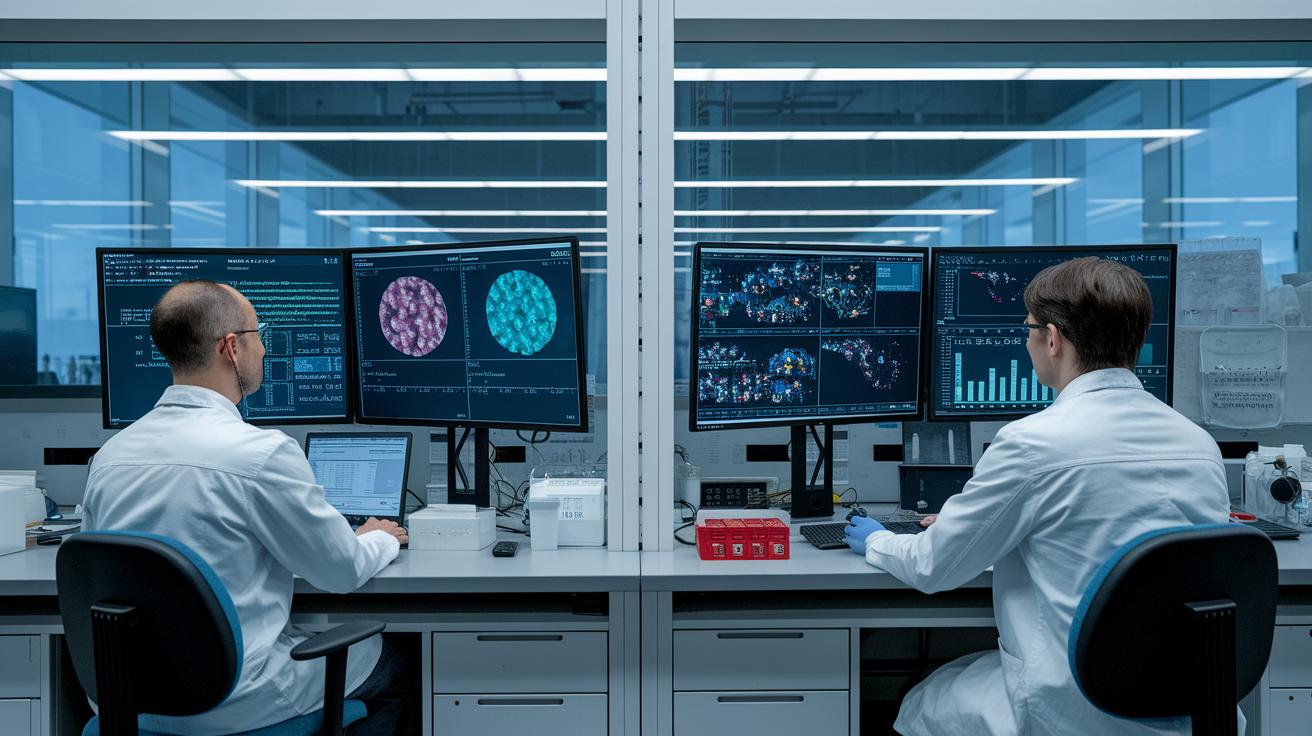
Data amalgamation is all about putting together various biological details into one clear picture. When researchers mix data from clinical records, lab tests, and genomic studies (which look at an organism's complete set of genes), they get a fuller view of how our bodies work. This approach helps spot trends quicker and plan experiments that really work. In short, these advanced methods supercharge our ability to analyze complex biological systems.
Imagine being able to merge over 270 million patient records securely without having to physically move raw data around. That’s what federated data lakehouse and Trusted Research Environment frameworks do. They team up with cloud tools like Lifebit CloudOS to cut down the time it takes to analyze data by 40% and lower costs by up to 30% per sample. These systems are designed to handle lots of different data sources and make using them simple and effective. They provide flexible computing tools, handle huge datasets easily, and stick to standards that let different institutions work together smoothly. It’s a modern way to encourage teamwork among researchers while keeping patient data safe.
At the heart of these systems are governance, security, and the ability to scale up quickly. Built-in controls make sure that only the right people get access to the data, and strict security measures protect sensitive patient information. Cloud platforms further empower research teams by giving them the power to manage and analyze massive amounts of data efficiently.
Emerging Computational Genomics Analysis Tools for Integrative Bioinformatics
Scientists are now exploring the secrets of our DNA faster and cheaper than ever before. High-speed sequencing machines can now read an entire genome in just a few hours for under US$500. That's a huge change from 2003 when it cost US$2.7 billion!
Imagine tools like DeepMind’s AlphaGenome. This clever tool (which predicts gene control over long sequences) can handle DNA strands stretching up to one million base pairs. It makes it much easier to mix different types of molecular information in one go. And thanks to cloud-based services, researchers can build reliable workflows and work together on huge datasets, sometimes even terabytes in size.
| Tool | Primary Application | Core Advantage |
|---|---|---|
| AlphaGenome | Gene regulation prediction | Works with sequences up to one million base pairs |
| NextSeq Pro | High-throughput sequencing analysis | Delivers fast and affordable genome data |
| CloudSeq Analyzer | Cloud-based data processing | Supports live collaboration and reliable results |
| GenomeXplorer | Genomic data mining | Handles terabyte-scale datasets efficiently |
| SequenziQ | Next-generation sequencing informatics | Makes analysis pipelines quicker for faster insights |
Cloud platforms now give researchers strong tools that work the same way every time and let teams share and check data in real time. This means scientists can try out ideas quickly and sort through layers of complex data without breaking a sweat. The speed and ease of these new methods are propelling integrative bioinformatics into a new era of discovery.
Machine Learning and Algorithmic Breakthroughs in Integrative Bioinformatics
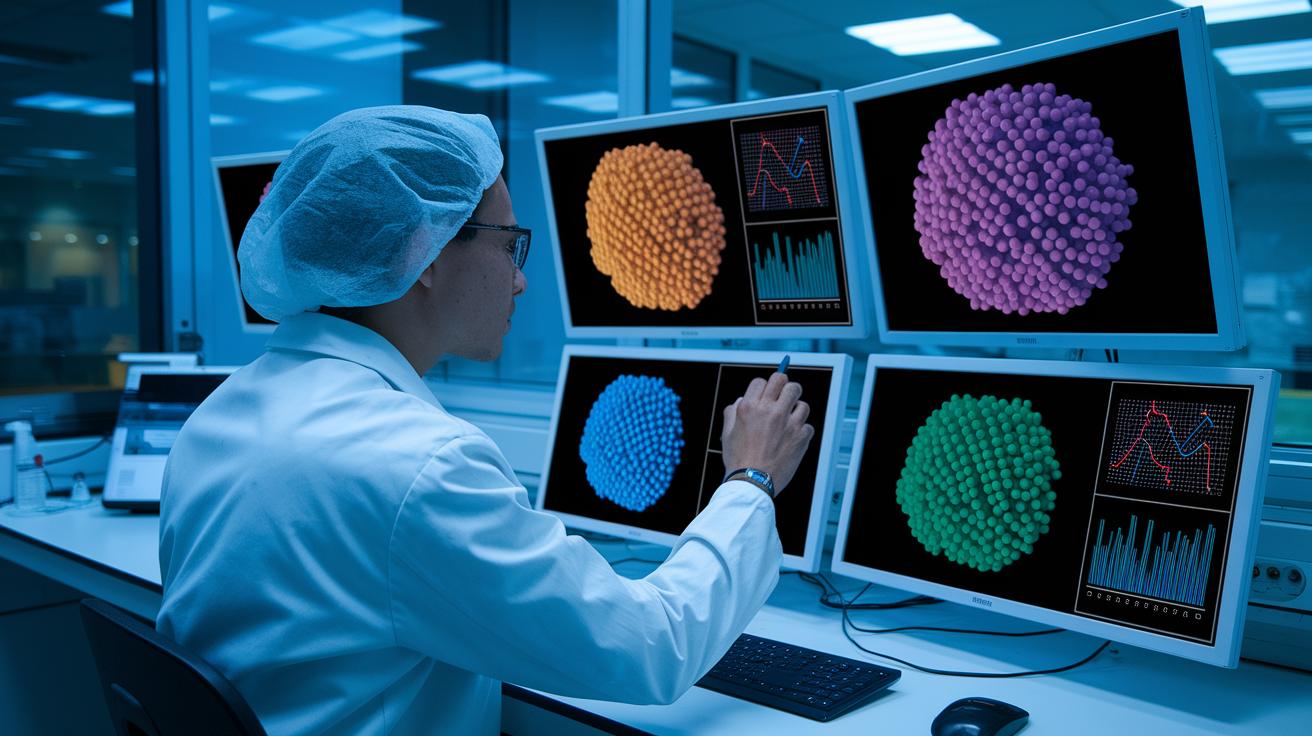
Machine learning tools are changing how scientists look at biological data in exciting new ways. Researchers now use smart methods like the one behind Google’s AlphaFold to predict protein shapes and even design new proteins from scratch. These tools learn from huge collections of genetic and protein data, making it easier to understand complex molecular systems. They bring a hands-on, data-driven approach that helps research teams tackle heavy computations more quickly.
New discovery techniques, such as TxGNN, are also breaking new ground. These smart systems are designed to work through enormous datasets and can identify treatment options for over 17,000 diseases with about 50% more accuracy than older methods. Plus, fresh generative AI models are starting to play a role, offering new ideas for drug design and predicting molecule structures. These flexible strategies mix different types of data into one clear picture, making it faster and easier to test out new ideas and speed up breakthroughs.
Predictive modeling has become a key part of creating new drugs and studying proteins. Today, scientists use these models to virtually test thousands of compounds and forecast how molecules might interact with each other. There's a real AI-powered rush in medicine that cuts down the time needed for experiments. In studies of protein structure, these models refine predictions and even suggest new shapes, which accelerates lab work. Together, these tools not only quicken research cycles but also bring insights that can improve personalized medicine.
Systems Modeling and Network Reconstruction in Integrative Bioinformatics
Systems modeling helps us understand the intricate world of biology by creating digital maps that show how genes, proteins, and cell signals work together. These computer models let researchers see how even the smallest changes can affect an entire system, which in turn guides the way we personalize treatments for diseases. Tools in this area help us move away from guesswork toward more reliable, predictive insights.
Here are some key types:
- Gene regulatory
- Protein-protein interactions (PPIs, which are the ways proteins connect and interact)
- Metabolic
- Signaling
- Multi-layer
Network reconstruction digs deeply into biological data, breaking it down into clear and manageable patterns. Gene regulatory networks explain how certain genes control one another, while PPI maps look at how proteins interact. Metabolic networks outline the biochemical reactions that keep cells running, and signaling maps show us how cells receive and act on different messages. When we combine these approaches, we get a fuller picture of how our biological systems work.
Visualization techniques play a big role here too. By turning heaps of data into colorful maps and diagrams, they make it much easier to spot key interactions. Sometimes, though, the data can feel a bit overwhelming, making it hard to pick out the important details. Researchers face the challenge of keeping these visuals both accurate and simple enough to use. Still, new improvements in these tools are making them more user-friendly, helping us dive deeper into disease models and develop fresh ways to monitor and treat illnesses.
Case Studies Illustrating Accelerated Discoveries with Integrative Bioinformatics
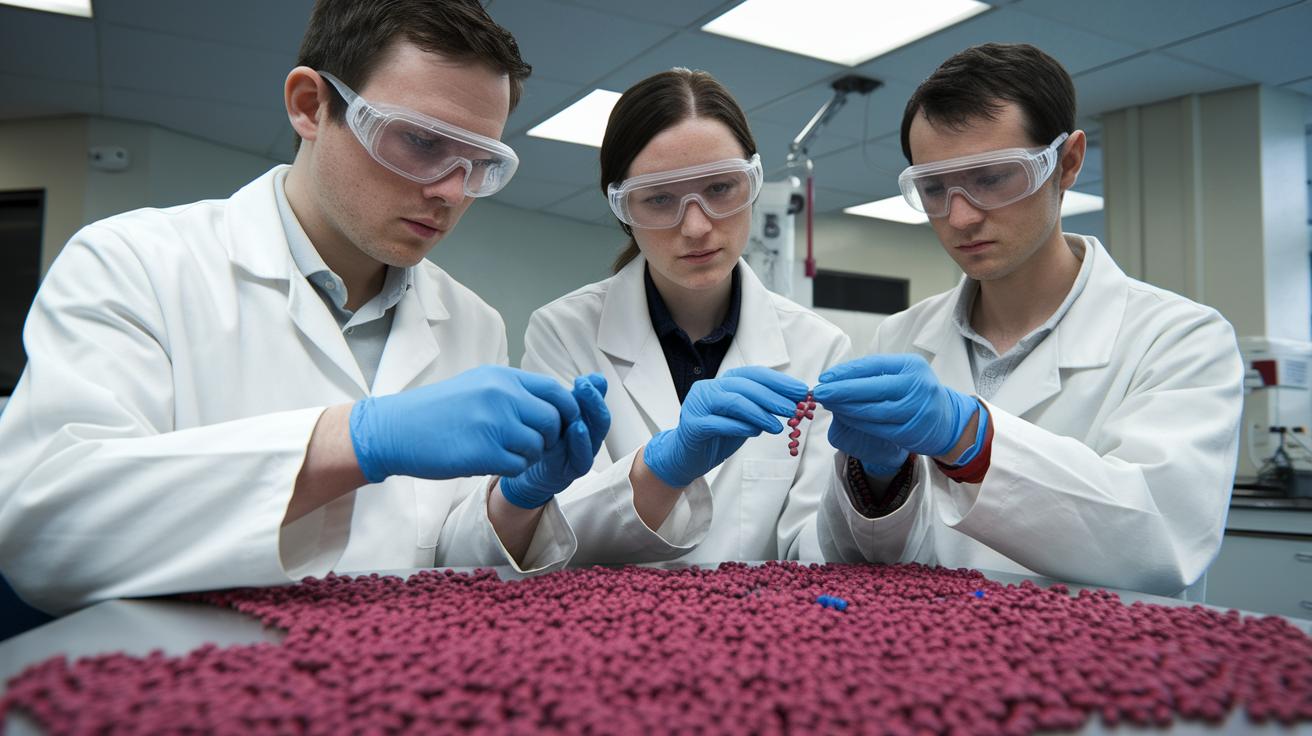
A hospital research team was up against a tough challenge: figuring out how a very aggressive cancer worked. They mixed different kinds of information, like genes, cell markers, proteins, and chemicals in the cells, to get a full picture of the tumor. This approach helped them better predict how patients might respond to immunotherapy and shortened the time needed to adjust treatment plans.
Another team faced a different problem. The tumor had many different types of cells, making it hard to pinpoint a clear treatment target. They used special single-cell bioinformatics methods (techniques that study individual cells) to track small cell groups and see how different cells acted. This clear view of the tumor helped guide treatments that could change over time and made it easier to choose therapies that worked best.
A separate research group struggled with early cancer detection because traditional tissue biopsies are invasive. Instead, they tried liquid biopsy tests, which examine bits of tumor DNA and RNA found in blood or other fluids. By using integrative bioinformatics to analyze this data, they could detect cancer earlier and keep a close eye on how the disease was changing. This non-invasive method really sped up patient care.
Lastly, slow drug trial processes were holding back new treatments. Researchers turned to an AI-supported platform that combined strong preclinical models with virtual screening tests. This mix of techniques cut down research time and shortened the process of starting new drug trials by 15 to 30 percent. Isn’t it amazing how combining data in smart ways can lead to clear, real-world benefits?
Practical Applications in Integrative Bioinformatics for Precision Medicine
Collecting and linking clinical data is a huge job. Systems are tasked with handling details from over 270 million patient records while keeping everything secure. Hospitals, research centers, and labs all store their data in different places, which can make merging information a real challenge. Luckily, federated platforms allow us to combine these records without moving sensitive files, building a stronger base for clinical genomics and real-world studies.
In patient care, using real-world data means mixing in electronic health records, signals from wearable devices, and detailed lab profiles (like multi-omics, which looks at different types of biological data). This mix helps doctors get a clear, complete picture of a patient’s health that goes beyond traditional clinical trials. For instance, a wearable might track a patient’s heart rate and that data can be linked with their gene information and lab tests. This complete view helps create personalized treatment plans that are finely tuned to each individual's needs, bridging the gap between research and everyday medical care.
New techniques, such as precision omics (tailored ways of studying small biological details), are being used to hone CRISPR guide choices and design focused therapies. This approach can slash experimental obstacles by up to 50% and brings integrative bioinformatics closer to delivering treatment plans as unique as every patient. These advances promise to fine-tune medical interventions even further, raising the standard of care to exciting new levels.
Final Words
In the action, our article explored how merging multiple biological data types can speed up scientific progress. We walked through market trends, cost cuts, and the innovative computer tools that shape this field. Each section revealed a clear link between advanced computational methods and faster research outcomes. The insights shared help us see how everyday breakthroughs become possible through integrative bioinformatics: accelerating research breakthroughs. This journey keeps our curiosity alive and pushes science forward, one insight at a time.
FAQ
What do integrative bioinformatics breakthroughs in 2020-2022 indicate?
The integrative bioinformatics breakthroughs during 2020–2022 show how combining genomics, proteomics, metabolomics, and epigenomics speeds up discovering disease mechanisms. They reflect more effective hypothesis testing and faster research progress.
What information does the integrative bioinformatics breakthroughs pdf provide?
The pdf delivers a detailed overview of how merging multi-omics data quickens hypothesis testing and discovery. It covers practical examples, key statistics, and insights into rapidly evolving bioinformatics methods.
What benefits come from taking an AI in bioinformatics course?
The AI in bioinformatics course explains machine learning applications in biology. It teaches how advanced algorithms analyze large-scale biological data to address complex research challenges efficiently.
How does Google Scholar support integrative bioinformatics research?
Google Scholar streamlines research by indexing scholarly articles from diverse fields. It makes it easier for researchers to access the latest studies and data that drive innovations in integrative bioinformatics.