
Have you ever wondered how big machines keep running even under tough conditions? Smart tech like efficient filters, reliable steam hoses, and sturdy bearings help these machines work smoothly. They turn risky, unpredictable workdays into safer, easier ones.
In this article, we'll dive into four key technologies that not only keep industrial processes on track but also open doors for your career growth. Stick around to see how these innovations are building safer and more successful work environments.
Practical Applications of Applied Industrial Technologies
Applied industrial technologies help keep machines working longer and cut down on unexpected stops in busy fields like aggregate, energy, and mining. They’re built tough for rough jobs and help operations run without a hitch. For example, modern filtration and chemical dosing systems keep equipment clean and efficient, while special bearing solutions hold strong against constant shaking and high temperatures. It’s amazing to think that before these systems became popular, they were custom-built to tackle the toughest challenges on rough work sites.
Take Donaldson’s advanced filters and Danfoss’s steam hoses, for instance. These tools make it easier to process products and clean machines smoothly. They not only help important parts last longer but also make industrial work safer and more reliable. They are the backbone of today’s industrial operations, ensuring that even in high-stress settings, machines keep doing their job.
- Advanced Filtration Systems (Donaldson)
- Steam Hose Solutions (Danfoss)
- Heavy-Duty Bearings (Regal Rexnord, MAXAM, GGB)
- Chemical Pumping Systems (ARO Pumps)
- Hydraulic Products and Electric Motors
- Abrasives, Couplings, and Filtration Units
When these technologies are added to everyday industrial processes, they boost efficiency by cutting down on sudden downtime and lowering repair costs. This means operations run continuously and precisely, which is crucial for meeting production goals and keeping workplaces safe. Imagine a factory where every machine can signal its needs in real time, paving the way for smooth operations and setting a new bar for industrial endurance.
Automation Innovations in Applied Industrial Technologies

AI-powered predictive maintenance is changing the way factories work by finding issues before they can stop production. Factories are now using smart sensors and small computer programs that solve specific tasks to keep an eye on machines in real time. These tools notice the first hints of wear and tear, letting technicians know it’s time to fix parts before a problem grows. In many cases, this approach even cuts unexpected downtime by half!
Network rewiring efforts are boosting the way machines talk to each other in a secure and steady manner. By upgrading data pathways and setting up strong security measures, these projects create a smoother flow of information even when the pressure is high. Lots of factories now depend on these network improvements, ensuring their systems can keep growing without losing their secure edge.
Process optimization techniques, powered by these new technologies, make production run more smoothly from beginning to end. Automation tools take in performance data and adjust operations on the spot, which helps cut energy use and fine-tune schedules. Picture a factory where every machine works in perfect rhythm, reducing waste and keeping production at its best.
Applied Industrial Technologies for Smart Factories and Digital Transformation
Smart factories connect machines and systems with digital tools to make operations smoother and more responsive. Today’s methods use smart data analysis (advanced techniques that find hidden trends) to spot issues in production. For example, one mid-sized facility dug into its production data, spotted inefficiencies, and tweaked its scheduling to save a lot of time.
Cloud-based management systems and workflow automation tools make it easier to monitor operations from afar while delivering detailed insights. Operators now use digital dashboards to keep an eye on machine performance, resource use, and trends as they happen. For instance, one industrial plant used cloud analytics to adjust its maintenance schedules, noticeably cutting down on downtime.
Digital workplace platforms have become central hubs for sharing insights and coordinating smart moves across teams. By mixing data readiness with cross-team collaboration, these platforms let everyone discuss findings and decide on steps to boost productivity. As an example, when one shared digital report flagged a drop in output during peak hours, a team reorganized shift patterns, leading to improved performance.
Applied Industrial Technologies in Action: Industry Case Studies
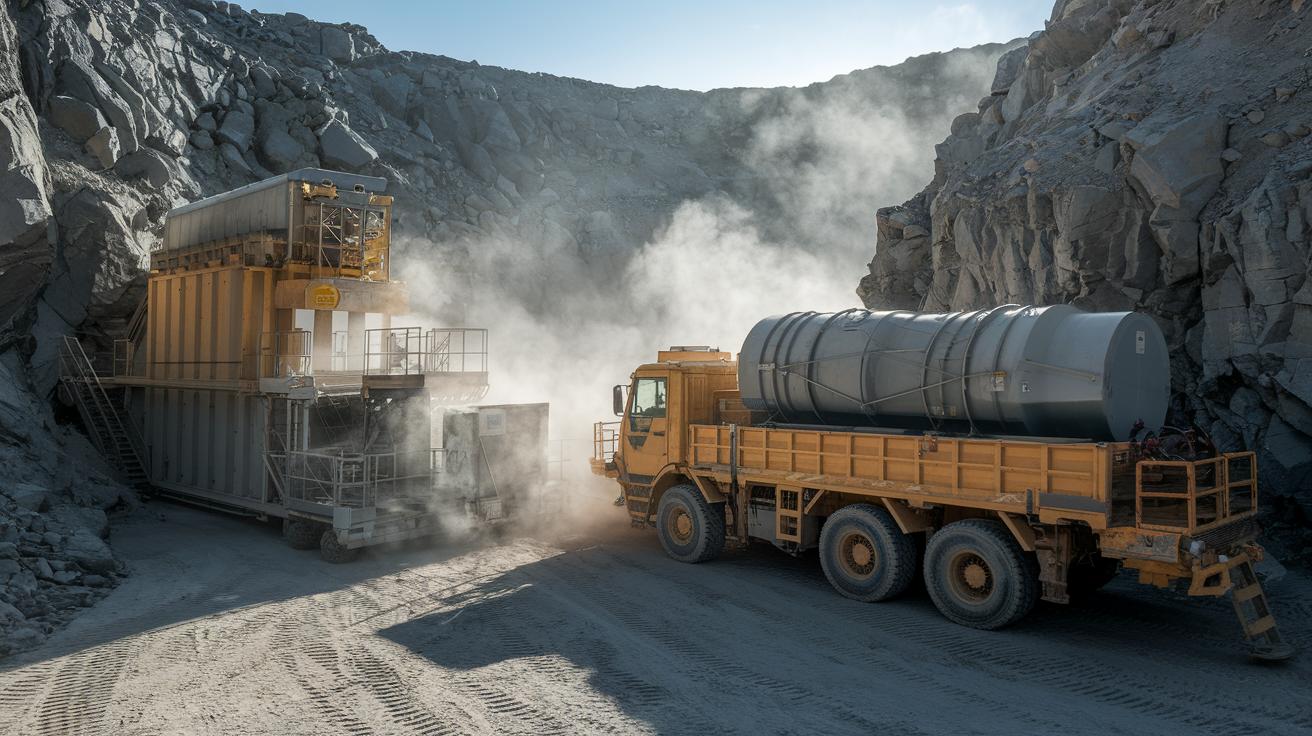
Real-life examples show that even when companies use similar technology, each industry faces its own unique challenges. For instance, dust in mines or extreme heat in chemical plants demands tailored solutions.
| Company | Technology | Industry Application | Benefit |
|---|---|---|---|
| Donaldson | Filtration Systems | Mining and Energy | Reduces wear from dust and debris, lowering downtime |
| Danfoss | Steam Hose Solutions | Chemical Processing | Handles intense heat and pressure changes to maintain quality |
| Regal Rexnord / MAXAM | Heavy-Duty Bearings | Agricultural Machinery | Supports sudden load increases and high vibrations |
| ARO Pumps | Chemical Dosing Systems | Aggregate and Chemical Sectors | Offers precise control over corrosive liquids |
Each case highlights how industries adapt similar technologies to meet specific needs. Donaldson’s systems, for example, keep mining equipment running smoothly despite heavy dust. Meanwhile, Danfoss’s hose designs tackle the challenge of high temperatures in chemical plants. These careful adjustments help ensure that equipment stays in top shape, keeping operations efficient and safe.
Educational Programs and Careers in Applied Industrial Technologies
Many colleges and universities offer degree programs that help you step into the world of industrial technology. You can choose associate or bachelor's degrees that cover important topics like how machines work, digital control systems (tools that use computers to control machines), and managing production processes. Certificate programs in automation and smart manufacturing teach you specific skills such as using robots for process control and analyzing production data. Plus, hands-on labs let you see how things work in real life, imagine building a mini assembly line as part of your project!
You also learn a lot on the job and through online courses that let you study at your own pace. Many companies now sponsor apprenticeships and internships where you work with experienced experts and learn everyday technical skills while handling live projects. Online lessons are interactive and packed with industry-related content. For example, one module might walk you through programming a controller (a device that directs machines), making the learning experience both practical and flexible.
If you build your technical skills well, plenty of entry-level jobs are waiting for you. Employers look for abilities like precise troubleshooting, reading technical schematics (detailed machine diagrams), and using digital monitoring tools. With these skills, you can start a career as an automation technician, a process control specialist, or a maintenance engineer. Once you have a solid foundation, the path to a rewarding career in industrial technology becomes much clearer.
Research and Innovation in Applied Industrial Technologies

Across many industries, spending on research and development is growing every day. Companies are putting more money into new and advanced technologies that help them create exciting new products. They believe that by investing now, they can work in safer, smarter, and more productive ways later.
In innovative labs, teams are exploring fresh ideas like new materials and IoT sensor networks (gadgets that connect machines). Engineers are also testing out 3D printing methods to make production more reliable. Sometimes, groups work together, like with Nextgen Technologies, to find even better ways to run factory processes. These experiments show us that manufacturing can achieve things we once thought were impossible.
Not only do these ideas bring innovation, but they also open up new job opportunities. People with special skills in research and process improvement become key team members. As work methods evolve, these experts gain valuable skills that apply all over different fields. Every lab test and field trial helps build safer operations and smarter production, preparing the workforce to meet the challenges of tomorrow.
Sustainability in Applied Industrial Technologies
Industrial tech helps factories work smarter by reducing waste and saving energy. These systems use smart controls (computer programs that adjust operations automatically) and careful data watching to cut down on wasted energy while boosting overall performance. For example, one clever update at a plant dropped its energy use by 20%. It’s amazing how a small change can save money and protect our planet at the same time.
Upgrading equipment is another key part of the puzzle. Today’s machines use advanced materials and smoother shapes to lower drag (the force that slows them down) and friction. Imagine a pump that runs as effortlessly as a bike on a smooth road. These design improvements mean that machines can work faster and more quietly, which not only helps the environment but also takes better care of vital infrastructure.
Plus, modern systems now keep a close eye on waste and carbon emissions (gases that contribute to climate change). By tracking these in real time, facilities can make smart changes, like adjusting recycling methods, to save energy and reduce their carbon footprint. Ultimately, these innovations let companies use resources wisely while cutting costs and caring for our world.
Final Words
In the action, this article explored smart ways to use applied industrial technologies. We reviewed hands-on examples that show how advanced machinery and automation spark change in real work settings.
The post also highlighted education, career paths, and research that keep science moving forward. Each example reminds us how these ideas support everyday progress and help make sense of modern changes.
Stay positive and keep an open mind as new advances light up our daily lives.
FAQ
Applied Industrial Technologies locations, HQ, Ohio, Cleveland, USA, and near me
The location details for Applied Industrial Technologies show that their headquarters is in Cleveland, Ohio, with multiple sites across the United States. Use their locator tool to find a nearby facility.
What do Applied Industrial Technologies do?
Applied Industrial Technologies provides industrial products and solutions. They supply quality equipment and technical support that help industries like manufacturing, construction, and energy run smoothly.
Applied Industrial Technologies careers, salary, and work environment
The career options at Applied Industrial Technologies offer competitive wages and growth opportunities. Employee feedback often notes a supportive environment that values technical skills and safety standards.
When did Applied Industrial Technologies go public?
The public trading history of Applied Industrial Technologies dates back many years, supporting its growth through capital raised from its initial public offering. Historical records provide the exact timeline details.