
Imagine if a prosthetic could feel just like your real arm or leg. Today, scientists are getting closer to making that true thanks to cool breakthroughs in biomedical engineering (the science of using tech to help our bodies work better). They’re using smart designs and computer models (digital tools that let us try ideas on a screen) to build devices that move naturally and even send signals like real limbs. This progress means that someday, these high-tech parts might help people move easier and feel more like themselves. With research growing and new products coming out, it sure seems like we’re on the edge of a big change in how we heal and rebuild our bodies.
Landmark Biomedical Engineering Breakthroughs in Prosthetics and Implants
In 2022, the global biomedical engineering market hit $227 billion with a steady 6.8% growth rate. This surge shows how fresh ideas and practical solutions are transforming the way doctors treat patients. New projects now bring together detailed engineering and advanced computing to create devices that feel like a natural part of the body. No wonder experts call these innovations some of the most exciting medical breakthroughs today.
At the heart of these changes are four key tech pillars that are reshaping prosthetics and implants. Scientists are mixing smart computer models, modern sensors, and clever design techniques to create prosthetic limbs and devices that move and feel more like the real thing.
- AI-driven computer modeling (using smart algorithms to optimize shape and function)
- Bioelectronic interfaces that give sensory feedback (helping devices feel more natural)
- Robotics and soft-robotics for flexible, adaptive movement
- In-silico prototyping (rapid design iterations using computer simulations)
These advances are expected to boost patient mobility and improve long-term outcomes. As engineers blend artificial intelligence with an in-depth understanding of body mechanics and genetics, devices are becoming more precise and uniquely tuned to a person’s needs. This not only cuts down on mistakes during design but also moves us closer to prosthetics that mimic natural movement, offering users a better quality of life.
AI-Driven Design in Biomedical Engineering for Advanced Prosthetics and Implants

AI is changing how we design prosthetics and implants. It reads biomechanical data to shape device outlines and adjust inner structures. Using smart computer techniques like machine learning and deep learning (which help computers learn from data), these systems quickly scan huge amounts of information to spot how our bodies move and where pressure builds up. For example, they even pick up on tiny shifts in muscle tension. This guides engineers to craft prosthetics that feel natural and fit perfectly. In short, every design becomes as unique as the person using it.
Engineers also run computer models over and over to predict how a device will handle stress, material wear, and contact with soft tissue. They mix computer simulations, plain data analysis, and clear visuals to see in advance how a design might perform. This step-by-step process shows where tweaks are needed before any physical tests. It helps cut down on mistakes and speeds up the path from design to clinical trials.
The benefits for patients are clear. There are fewer fitting errors, faster regulatory approval, and more satisfaction overall. Patients receive prosthetics and implants that work well and feel comfortable right away. This smart design method not only makes devices work better but also fuels recent medical breakthroughs (recent medical breakthroughs – https://buzzyandclever.com?p=1709) that keep improving patient care.
Personalized Prosthetics and Implants via 3D Printing and Virtual Modeling in Biomedical Engineering Breakthroughs
Digital modeling gives engineers the chance to build prosthetics and implants that fit each patient perfectly. They take pictures from CT or MRI scans (ways to see inside the body) and turn them into computer designs. This lets them see how a new device will work before it’s made, ensuring it feels comfortable and works well.
Virtual Modeling and In-Silico Prototyping
Engineers mix patient images with methods like finite element analysis (a way to check how designs handle stress) to run digital stress tests. These tests show if a design can handle pressure, bending, and normal movements without any problems. For example, a digital model might reveal a slight misalignment that could cause discomfort so that engineers can fix it early on.
3D Printing in Bioengineering
With 3D printing, devices are created using materials such as polymers (plastic-like substances), composites (mixtures of different materials), and bioceramics (ceramic materials made for the body). Methods like stereolithography (a process that uses light to shape liquids) and selective laser sintering (a process that uses lasers to fuse powder) help engineers build complex structures with varying stiffness. This means the final product can match the natural changes in a limb or implant, offering just the right mix of strength and flexibility.
These techniques cut down on development time and cost while also improving how well the device fits with the body. The result is a quicker, more natural movement for the patient.
Cutting-Edge Materials and Biointegration for Implants in Biomedical Engineering Breakthroughs
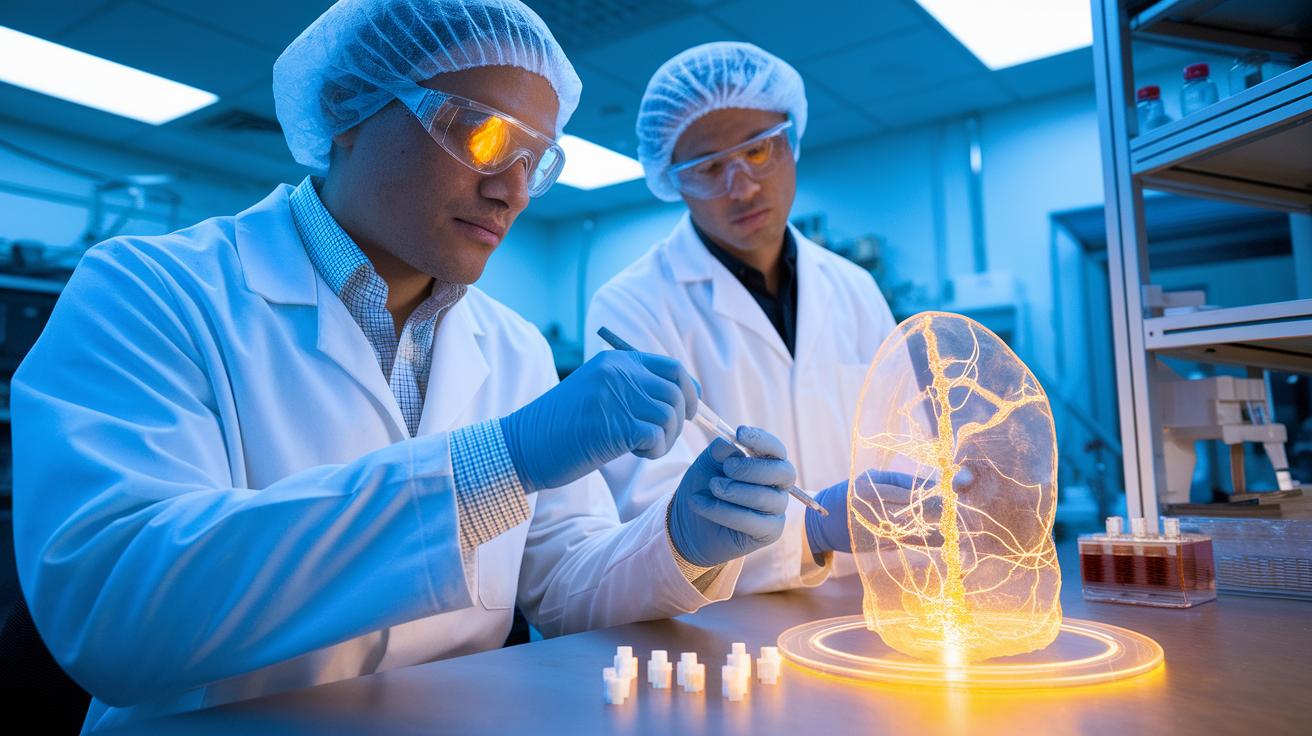
Biomedical engineers are mixing gene and cell therapies with studies on genes and how they work (that’s functional genomics in plain terms) to build support structures for growing new tissues. They think differently about how cells bond with man-made materials, so the structures they design not only fill gaps in bones and tissues but also help kick-start the body’s own healing. It’s all about triggering the right signals within cells to boost growth and repair.
And it gets even cooler. By combining smart bioelectronics (devices that can talk to your body) with ways that let cells truly bond with these materials, scientists are creating implants that feel like a natural part of you. This approach aims to make implants that your body welcomes with open arms, which means less irritation and a smoother ride for long-term use.
Here are some of the techniques in use:
| Technique | Benefit |
|---|---|
| Nano-engineered surface coatings | Makes bones latch on quickly |
| Bioactive composite scaffolds with growth factors | Boosts tissue regrowth |
| Smart polymer blends | Adjusts to the stress from movement |
| Cellular fusion matrices | Promotes new blood vessel growth |
| Advanced ceramics with tailored porosity | Helps tissues grow into the implant |
These smart materials and methods help the implants feel more like a natural part of the body. When implants blend smoothly with living tissue, there’s less chance of irritation or rejection. This means patients enjoy better movement and comfort because the implant works in harmony with their biology. It’s a design approach that not only heals but stays reliable over time, truly supporting your body’s own repair process.
Clinical Applications and Case Studies of Biomedical Engineering Breakthroughs in Prosthetics and Implants
Testing these devices in real life is really important when trying out new prosthetics and implants. Using them in clinical work gives us proof they work and shows clear benefits like better grip, accurate signal conversion, and increased comfort for patients. For example, PhD student Félix Chamberland and master’s student Sébastien Rigaut led a project with a bionic hand that uses sensors to change muscle signals into commands for a tiny computer. This hands-on project shows how mixing simple converters with a microcontroller can really improve daily use. It gives engineers the feedback they need to polish their designs before they roll them out on a larger scale, all while keeping patient safety and recovery in mind.
| Project | Technology | Outcome |
|---|---|---|
| Bionic Hand (Chamberland & Rigaut) | Sensor-integrated bionic hand | Regained multi-grip function |
| Gene-Cell Scaffold Implant | Bioactive cellular fusion matrix | Accelerated bone integration |
Looking at these projects makes it clear how measuring real-world outcomes can drive improvements in biomedical engineering. The bionic hand’s ability to restore grip and the gene-cell scaffold implant’s role in speeding up bone healing show that computer models (simulated tests) can reduce trial-and-error. These discoveries not only push forward robotic limb technology and modern rehabilitation techniques but also help shape wearable devices that monitor patients after their procedures. Together, these real-life successes help us build better recovery plans and stronger safety rules, paving the way for a future where custom, responsive prosthetics and implants are the everyday norm.
Future Directions and Ethical Considerations in Biomedical Engineering Breakthroughs for Prosthetics and Implants
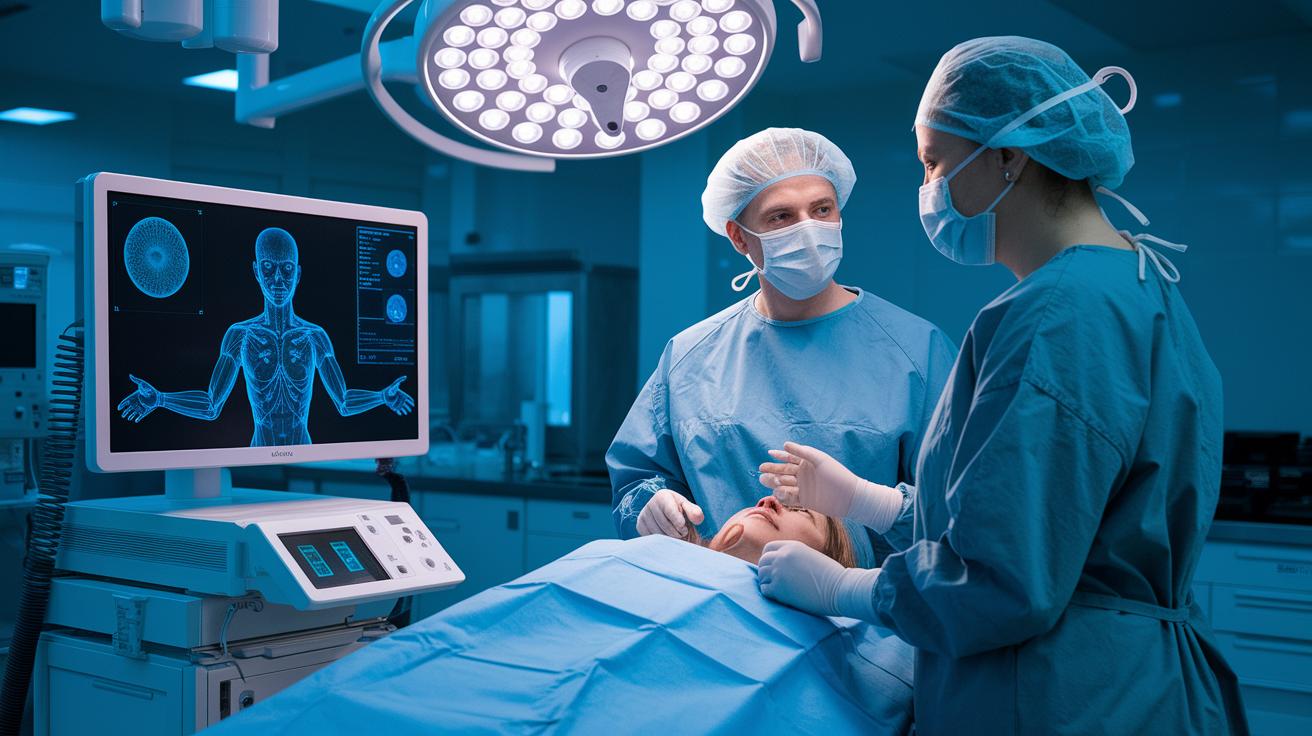
Smart devices in prosthetics and implants bring up some serious ethical and safety questions. We worry about who is responsible when these systems start making their own decisions, and we need to ensure patient safety from the very beginning. Regulators must update our rules to keep pace with new technology, and companies should work closely with oversight teams. This means we need a careful look at testing procedures and a clear plan for using AI (artificial intelligence, which lets machines make decisions) in medical devices.
- Develop strong safety checks and thorough testing for devices that control limbs automatically.
- Expand ways to monitor patients from a distance and use health data to improve care after implants.
- Invest in training programs that teach teams from different fields how to manage these new devices.
Following these steps will help lower risks and make sure these breakthroughs in biomedical engineering are safe for everyone. Clear guidelines and solid training can build trust among engineers, doctors, and regulators. When they work together, we create systems that not only perform well but also keep patients at ease. With an aging population and a growing need for precise treatments, strict safety checks and detailed monitoring are essential for ethical and lasting progress. The teamwork of tech experts and regulatory bodies is key to turning innovative ideas into reliable, everyday medical solutions.
Final Words
In the action, the article reviewed market trends, emerging tech pillars, virtual modeling, and real-life clinical examples that are changing prosthetics and implants. It touched on advances in AI, 3D printing, and biointegration methods with clear examples to clarify each concept.
These biomedical engineering breakthroughs: transforming prosthetics and implants are sparking exciting change in patient care and design. New studies and innovative practices pave a promising road ahead.
FAQ
Q: What is the current market context for biomedical engineering breakthroughs?
A: The article explains the global biomedical engineering market reached $227 billion with a 6.8% growth rate, showing strong investment in new prosthetic and implant technologies.
Q: What are the key technological pillars driving these biomedical innovations?
A: The article highlights key areas like AI-driven computational modeling, bioelectronic interfaces, adaptive robotics, and in-silico prototyping as central to improving prosthetics and implants.
Q: How does AI improve the design of prosthetics and implants?
A: The article shows AI processes complex biomechanical data to refine device shapes and internal structures, reducing fitting errors and boosting patient satisfaction with faster approval times.
Q: How do digital modeling and 3D printing contribute to personalized prosthetics?
A: The article indicates digital modeling and 3D printing enable custom prosthetic creation by using patient imaging and virtual prototyping, which reduces production time and cost while improving fit.
Q: What advanced materials and biointegration methods are used for implants?
A: The article describes using nano-engineered surface coatings, bioactive composites, smart polymer blends, cellular fusion matrices, and advanced ceramics to create implants that integrate well with tissue.
Q: What clinical examples illustrate biomedical engineering breakthroughs?
A: The article features a sensor-driven bionic hand restoring multi-grip function and a bioactive implant accelerating bone integration, showcasing real-world applications of these innovations.
Q: What future directions and ethical considerations are important in this field?
A: The article outlines priorities like establishing safety standards for autonomous devices, expanding remote monitoring, and training professionals, which are key for ethical and scalable biomedical integration.