
Ever wondered how a little tap can turn your day around? NFC, which stands for near field communication (a simple way for devices to chat when they're really close), makes things like paying for your coffee or syncing your smartwatch feel almost like magic. It only works when your devices are near each other, keeping everything safe and super quick. In this article, we'll explore how this nifty chip links our gadgets together, mixing cool modern tech with everyday ease. Get ready to see just how a tiny chip can change the way you connect with the digital world.
NFC Technology Overview: Definition and Core Principles
NFC stands for Near Field Communication. Simply put, it's a wireless technology that lets devices share data securely when they're just a few centimeters apart. It works at 13.56 MHz and can handle data speeds up to 424 kbit/s. Unlike older RFID (radio-frequency identification, a way to send data using radio waves) systems, NFC allows two-way talks between devices so information can bounce back and forth.
You see NFC in many everyday tasks. For example, tapping your phone at a payment terminal makes buying a cup of coffee fast and secure, and pairing your smartwatch with a smartphone can be as easy as a simple tap. Most NFC tags are passive, meaning they don’t have their own battery. They draw power from a nearby active device, which helps a tiny chip in a tag or sticker wake up and share its stored info when it gets close enough.
This technology is designed to make data sharing both easy and safe. It bridges the gap between advanced tech and everyday use, ensuring that our daily tasks, from payments to healthcare data access, are streamlined and user-friendly.
NFC Technology Mechanism: Components and Modes of Operation
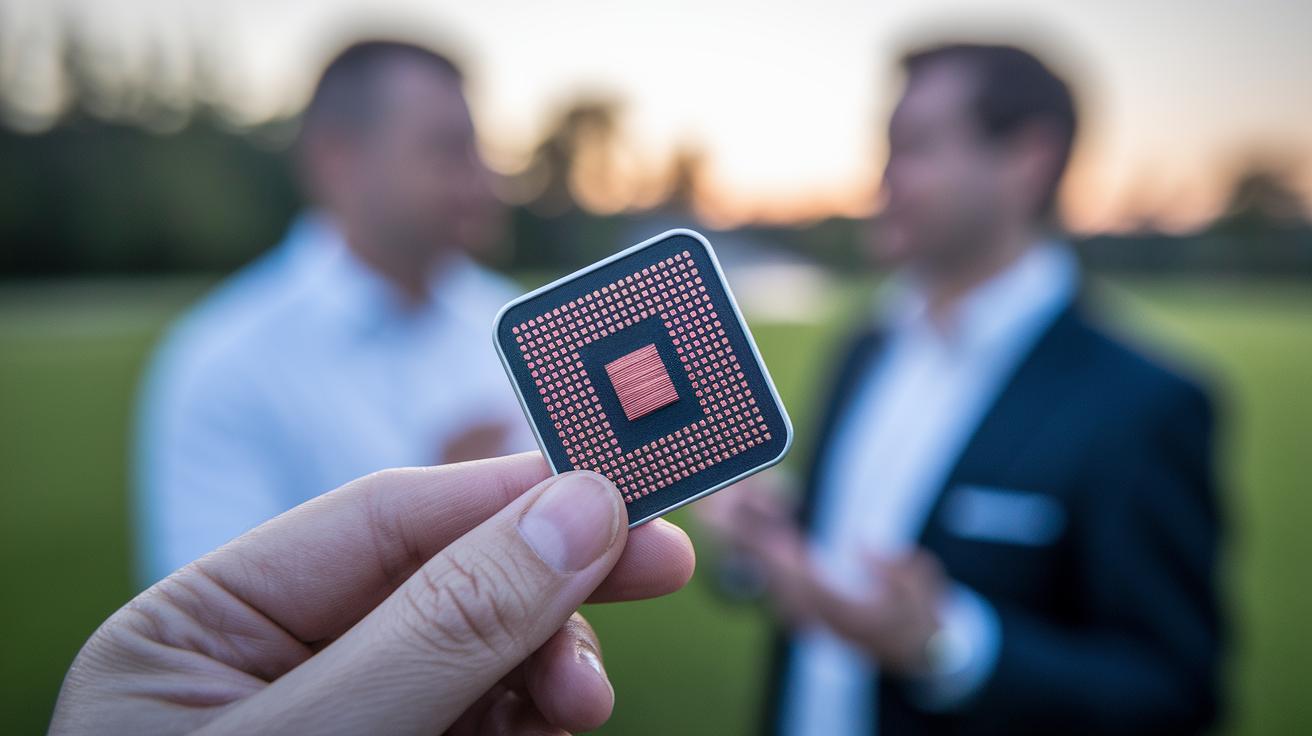
NFC works with a small chip that includes a copper coil and a bit of built-in storage. This handy design helps your devices chat using radio waves. It works in two main ways: one where a nearby device powers the tag and another where the devices power themselves. Think of it like a tiny copper coil that acts as a mini antenna, catching radio signals from the closest gadget.
Passive vs Active NFC Communication
Passive NFC tags don't have their own power supply. They draw energy from the radio frequency field sent out by another device. Active NFC devices, however, come with their own power source. This lets them create a radio field that can energize and communicate with passive tags. In simple terms, when you tap your device, the active one keeps the connection alive so data flows easily.
Frequency, Range, and Data Rates
The copper coil in the chip is built for short-range work, usually just a few centimeters. Its built-in storage makes sure radio signals travel smoothly between devices. This clever setup lets devices exchange information quickly and securely, without any extra hassle.
NFC Technology: Smart, Seamless Connections
NFC (near-field communication, a way for gadgets to talk when they're close together) is now part of our everyday lives. Think about tapping your phone to pay for a coffee or using a small fob to start your smart home's features. It’s almost like magic, quick and effortless.
This neat technology helps in many ways. Imagine walking up to a transit gate and simply tapping your digital ticket, or pairing a Bluetooth speaker without a long setup. In hospitals, NFC is a handy tool that keeps track of equipment and patient details, making everything run more smoothly.
Even when it comes to buying things, NFC can verify that a product is genuine instead of fake. This contactless tech makes our day-to-day tasks simpler and safer by linking smart solutions with real-world needs.
Some popular NFC uses include:
- Contactless payments (like Apple Pay and Google Pay)
- Digital ticketing for transit and events
- Smart home automation (such as door locks and lighting control)
- Device pairing (for Bluetooth speakers and wearable tech)
- Healthcare solutions (for tracking patient IDs and equipment)
- Smart packaging to check if products are authentic
By making these quick and seamless connections, NFC not only speeds up our daily tasks but also helps boost safety in important areas like healthcare. Whether you’re checking into an event or making sure your medicine is real, NFC is hard at work behind the scenes to make life easier. Isn't it cool how a simple tap can change your day?
NFC Integration in Mobile Devices: iOS and Android
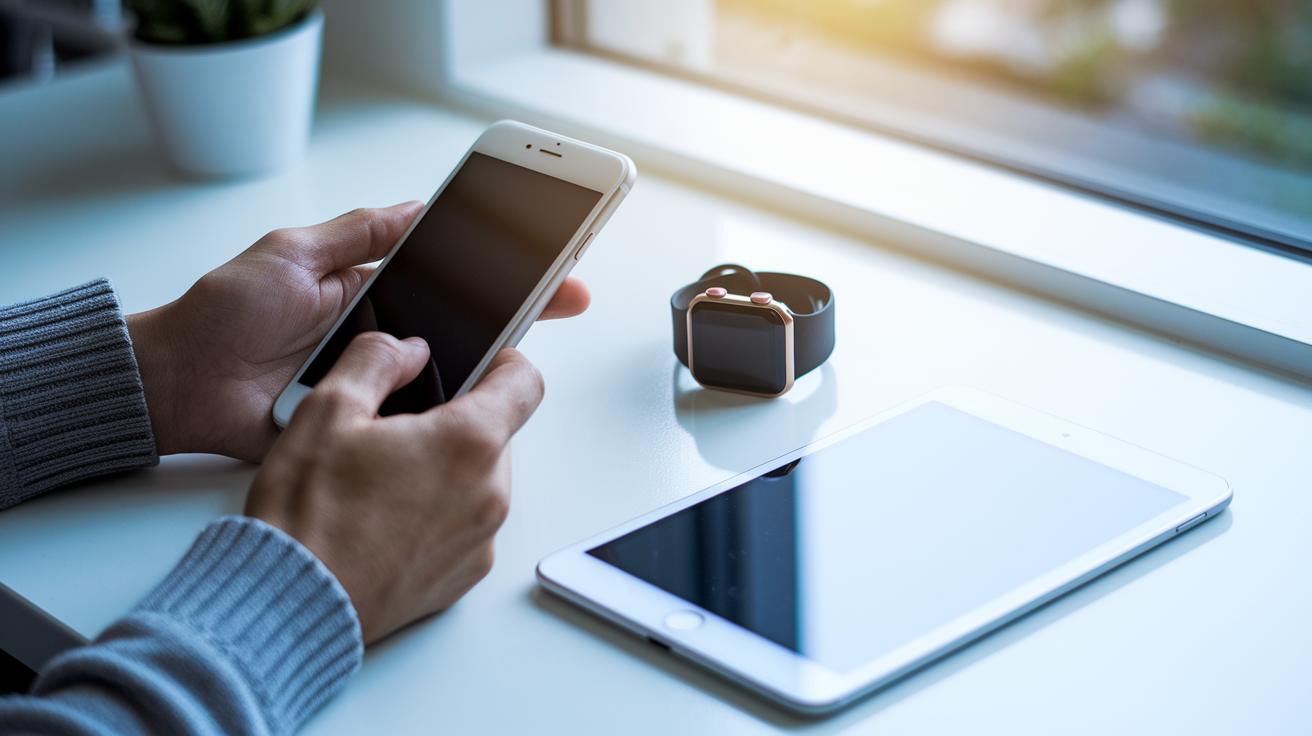
NFC is now a must-have feature in many of our gadgets, making everyday tasks smoother and safer. Our smartphones, tablets, and smartwatches can read tags and swap data with a quick tap. Imagine paying a bill or pairing devices without any extra steps, it’s almost like magic. This handy tool turns your phone into a powerful assistant for managing digital wallets and connecting with smart systems.
NFC on iOS Devices
Apple’s devices are packed with NFC features that simplify daily transactions. With Apple Pay, you can tap your iPhone for quick and secure payments. Plus, your device can quietly read NFC tags in the background, so you rarely notice it at work. It turns every tap into a smooth, secure experience that fits right into your day.
NFC on Android Devices
Android phones offer flexible NFC solutions too. Many support Google Pay, so you can make fast, secure tap-to-pay transactions. There are even apps that let you scan NFC tags for extra info or setup commands. And thanks to easy peer-to-peer data transfers, your Android device works seamlessly with various gadgets and wearables, keeping your tech life connected and hassle-free.
Security Protocols and Privacy in NFC Technology
NFC keeps your data safer because devices have to be really close, within just a few centimeters, to talk to each other. That short range makes it much tougher for snoops to intercept your information. Plus, your wireless data is wrapped up in strong codes (encryption, which scrambles info so only the right people can understand it) that work like digital locks. For example, when you tap your phone to pay, it sets off a secure, almost secret-handing process between devices. This setup cuts the chances of eavesdropping and tampering, so you can feel secure every time you make a transaction.
Extra safety rules built into tap systems help keep things extra private. These measures check that products are genuine and can spot any signs of tampering that might hint at fraud. Industries like healthcare and finance rely on these strong safety checks to protect both user details and the way their systems work. Device makers build these secure protocols right into their products so that every tap you make is solid, dependable, and well-guarded against cyber threats.
Future Trends and Innovations in NFC Technology
Experts expect more people will use NFC technology in the coming years as it changes the way our devices connect. Researchers are busy testing fresh ideas that could boost wireless tap systems with faster speeds, longer ranges, and better teamwork between gadgets. Companies are also exploring new uses like smart packaging, urban travel, and linking everyday objects in the Internet of Things (IoT) future tech. These improvements could let devices share information more quickly and smoothly than ever before.
Recent research on wireless tap solutions is all about making NFC systems perform better and reach further. Scientists are finding ways to simplify how devices connect, so that NFC isn’t just used for everyday payments but also for smarter tasks in connected homes and offices. Around the world, as more devices and industries rely on NFC, its ability to create smooth, real-time communication will keep growing.
Final Words
In the action, we saw how nfc technology works through its clear definition, simple components, and everyday applications from payments to healthcare. The blog post walked us through the basics of contactless communication and then moved to real uses in mobile devices and security measures.
We also checked out future innovations, showing how even simple tech can impact our daily lives. It all comes together to remind us that tapping into science can keep life both safe and exciting.
FAQ
How does NFC technology work on Android devices, including Samsung, and how do I use it on my phone?
The NFC technology on Android, including Samsung devices, lets you make payments and share data by tapping. You can activate it in your settings under connection or wireless preferences for easy use.
How does NFC technology function on iPhone?
The NFC technology in iPhone powers services like Apple Pay and tag scanning. It works in the background, allowing you to complete secure transactions and access data simply by holding your phone near an NFC reader.
How can I tell if my phone has NFC?
The NFC feature on your phone can be confirmed by checking settings (often in the wireless section), reading the user manual, or looking up the device’s specifications online for detailed information.
What is NFC technology used for?
The NFC technology is used for contactless payments, digital ticketing, device pairing, and data transfers. It enables quick, secure interactions with a simple tap between devices.
What are NFC Cards and NFC Tags?
An NFC Card uses an embedded chip for secure data exchanges or payments, while an NFC Tag is a small, passive device that stores information and becomes active when near an NFC reader.
Is NFC better than Bluetooth?
The NFC technology suits quick, secure tap interactions such as payments, while Bluetooth handles longer-range tasks like continuous audio streaming and broader data transfers, making each ideal for different uses.
What are the disadvantages of NFC technology?
The NFC technology has some drawbacks including a very short range, slower data transfer speeds compared to other methods, and potential security issues if sensitive data is not properly protected.

