
Ever wondered what it might feel like to hop aboard a spaceship? Blue Origin is getting ready for its 15th flight, and they’re inviting curious space fans to join in on a one-of-a-kind adventure. There’s even a surprise guest and a booking system that’s easy to use.
Experts are chatting about the ticket costs, which could go up to $300,000 or sometimes even come with free spots. In this post, we break down all the key details about the flight schedule, price ranges, and how you can reserve your seat on this modern space journey.
Booking Details for Blue Origin Space Flights
Blue Origin is all set for its 15th space trip, launching at 9:40 a.m. ET on October 8 from West Texas. Six Space Nomads will take part, and one of them is a surprise guest, adding a fun twist to the mission. Booking your seat is easy – just use the official Blue Origin portal for a smooth experience. They plan their flights on a monthly schedule, and each mission gets the green light from the FAA (the Federal Aviation Administration, which makes sure flights are safe). This careful planning lets adventure-seekers organize their space journey ahead of time.
Not much has been revealed about the price per seat, which sparks plenty of curiosity. Some experts think tickets might cost between $200,000 and $300,000, though there have been free seats offered in previous flights. Blue Origin adjusts pricing based on market trends, so every booking might show slight changes. It's a smart idea for prospective flyers to keep an eye out for any updates on fares while enjoying the easy reservation process.
Booking your spot on a Blue Origin flight is both modern and user-friendly. The official portal makes it simple to see upcoming launch dates, check fare ranges, and view seat availability all in one place. When you reserve a seat, you're not just booking a flight; you're joining an exclusive group of space enthusiasts and becoming part of a rising space tourism trend that’s catching a lot of media buzz.
- Visit the official Blue Origin booking portal.
- Check the upcoming flight schedule and launch dates.
- Review the estimated fare ranges and seat availability.
- Follow the on-screen instructions to secure your reservation.
- Await confirmation and FAA flight clearance.
Technical Overview of Blue Origin Space Flight Systems

Blue Origin's New Shepard system is really pushing the limits of spacecraft engineering. The booster is powered by a BE-3 hydrogen engine (an engine that uses hydrogen as fuel) and features composite structures that help it get ready for another launch quickly. It sends the capsule soaring to heights between 346,802 ft (106 km) above ground and 350,449 ft (107 km) above sea level. At the moment when the main engine shuts down (called Main Engine Cutoff or MECO), the capsule separates from the booster, which then lands on its own in an upright, controlled manner. This well-timed process shows off how advanced propulsion can increase efficiency while keeping safety and performance in check.
Inside the cabin, smart design meets solid engineering. Life-support electronics work non-stop to create a safe environment, and large windows give a clear, breathtaking view of space. There’s also a set of dual-redundant avionics (backup electronic systems) that further ensure everything runs smoothly, even under challenging conditions. This blend of reusability and state-of-the-art propulsion insights really sets Blue Origin apart, turning each flight into a display of careful spacecraft design and top-notch operational precision.
| Parameter | Specification |
|---|---|
| Altitude Achieved | 346,802 ft (106 km) to 350,449 ft (107 km) |
| Engine Type | BE-3 Hydrogen Engine |
| Recovery Method | Autonomous Upright Landing after MECO |
7. blue origin space flight: Stellar flight info
Blue Origin takes safety very seriously. Every traveler sits in a crash-tested, reclining seat secured by a reliable five-point harness. This setup is designed to protect passengers on a short yet thrilling journey into space and safely back to Earth. They’ve refined these measures over many flight tests, ensuring that even if something unexpected happens, travelers stay comfortable and secure.
The spacecraft also has automated abort systems that keep a close eye on engine performance and cabin pressure. If anything seems off, these systems activate quickly to safely cancel the mission. Years of test-flight experience have helped fine-tune these procedures, so minor issues are spotted long before they turn serious, meeting high safety standards every time.
When it’s time to return, the capsule’s descent is managed with three main parachutes along with a retro-thrust system (rockets that help slow the capsule down). Together, they ensure a gentle landing. This smooth touchdown is one of the many aspects continuously tested and improved, giving every passenger a secure re-entry experience.
Once the capsule touches down, ground recovery teams spring into action. They quickly locate and retrieve the capsule, so any potential issues can be addressed immediately. With years of safety testing and lessons learned from past missions, every step, from launch all the way to recovery, is carefully planned to keep everyone safe.
Passenger Experience Aboard Blue Origin Space Flight
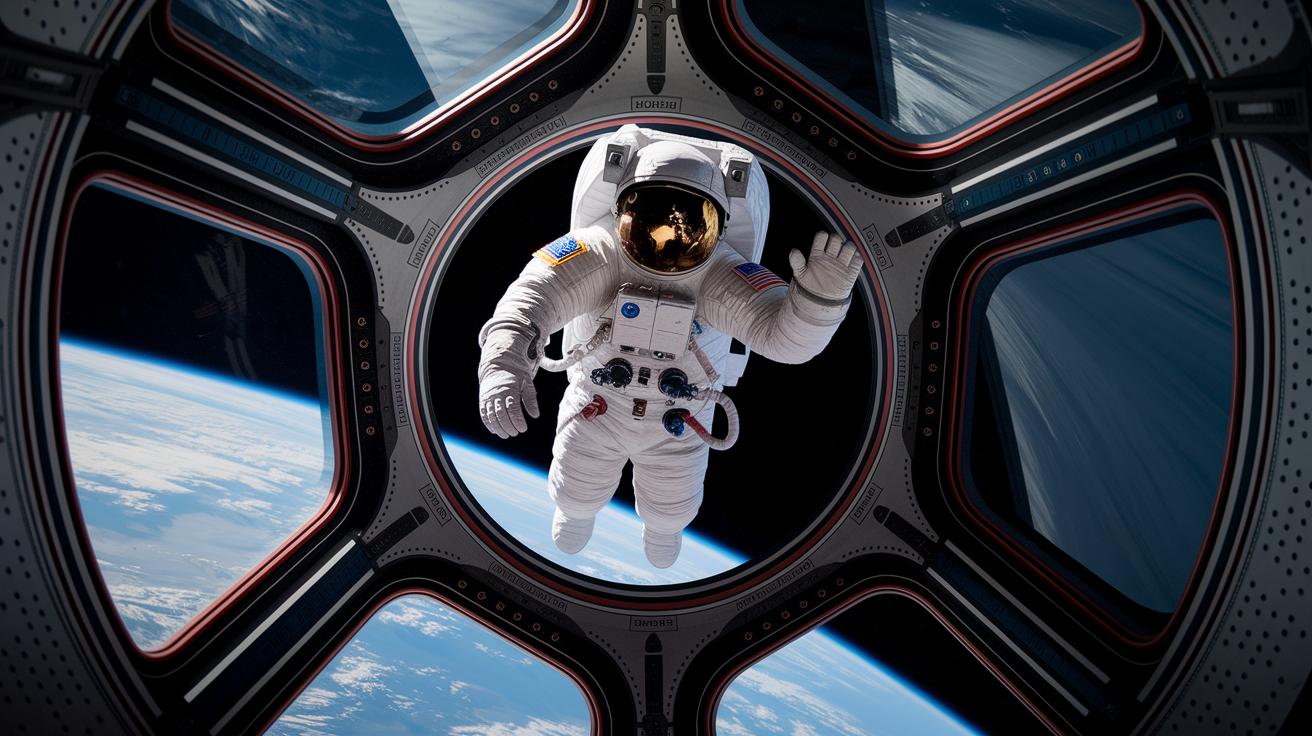
Imagine spending four incredible minutes in space where you can float as if gravity has taken a break. It’s a time filled with excitement, laughter, and surprising moments of pure joy. You hear cheers instead of the usual chatter, and every second feels like a mini-adventure as you drift through the capsule.
Inside, the space is all about comfort and ease. Big windows offer amazing views of Earth, making you feel like you’re looking at a moving painting. The air is just right, and the soft, reclining chairs make it easy to relax, whether you’re floating around or simply enjoying the ride.
And there are extra touches that add a personal vibe to the trip. Many travelers carry a “Zero G” keepsake to remember their time in space, while others sport custom designer spacesuits that mix style with practicality. Every smile, every cheer, is a reminder of the wonder of this unique space adventure.
Crew Selection for Blue Origin Space Flight
Blue Origin’s NS-15 journey brought together six crew members, including well-known figures, a mystery guest, and a few free-ticket winners. Every candidate first goes through a tough medical test (a check to see if they can handle the physical side of space travel). Then, they experience a short zero-G simulator session, where they get a taste of weightlessness. This hands-on step helps calm any worries about flying in space and gets everyone ready for the training ahead.
After the selection, each participant jumps into basic safety training. They learn emergency drills and get clear briefings on the mission’s systems. These sessions make sure everyone knows the proper steps at every stage of the flight, building confidence and offering a real look at what space travel involves.
Blue Origin’s leaders, including Jeff Bezos and Dave Limp, push for a welcoming approach to private space trips. They believe space should be open to many people and design their selection process to mix strong technical skills with a heartfelt passion for exploration. The mix of tough tests and hands-on training shows how committed Blue Origin is to making space travel safe and engaging.
Blue Origin in the Competitive Space Flight Market
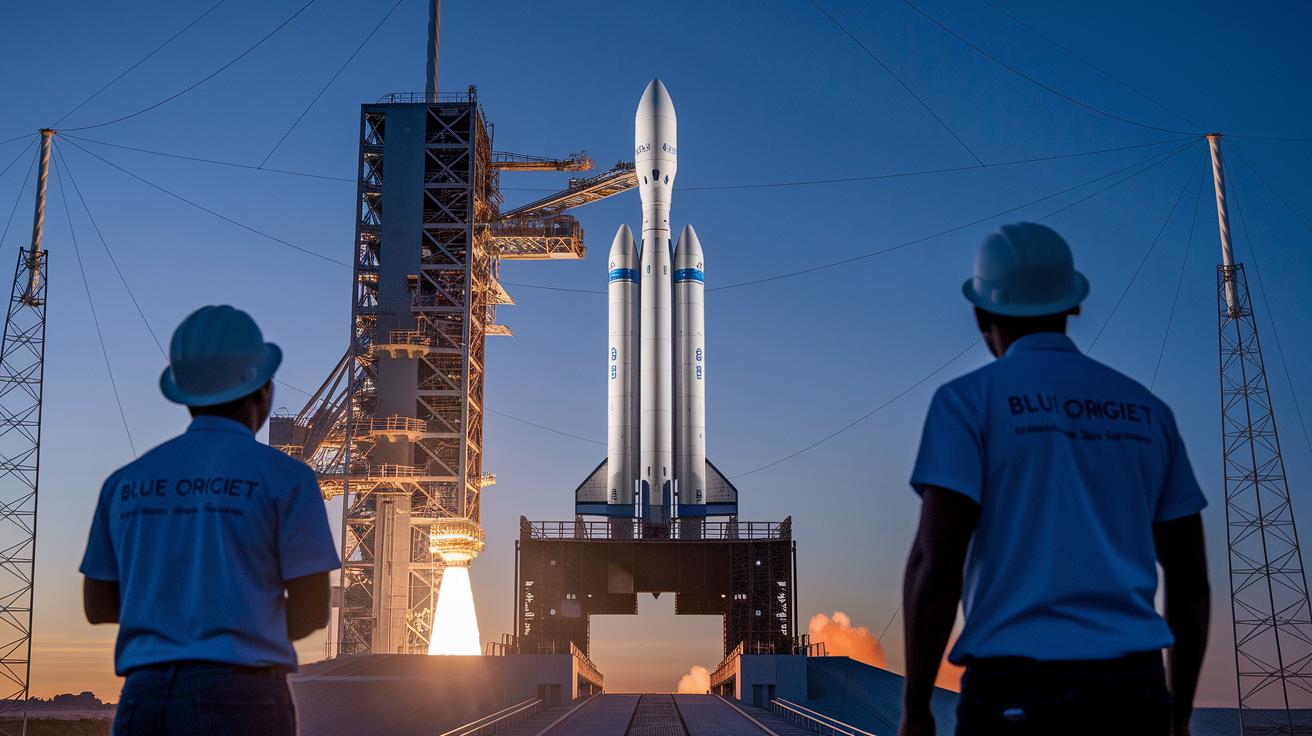
Blue Origin is holding its own among big space flight names like Virgin Galactic and ULA. They’re up against rivals who run flights that hover on the edge of space (we call these suborbital flights). Just recently, they completed their NS-15 mission, marking their 15th trip with people onboard, and they’re launching about once a month. This steady rhythm shows how committed they are to safe and regular commercial space trips, even as experts say private flights could soon reach over 1,000 a year.
Looking ahead, Blue Origin isn’t stopping at suborbital journeys. They’re setting their eyes on the New Glenn rocket, an orbital-class vehicle that will take trips full into space. Imagine the roar of engines venturing into the deep cosmos! By mixing consistent monthly launches with these bold projects, Blue Origin proves it’s ready to lead in a world where fresh ideas and steady progress really matter.
Media Coverage and Public Reaction to Blue Origin Space Flights
Live-stream videos of NS-15 drew in millions of viewers almost instantly, sparking a wave of excitement like a community coming together for a big event. At press briefings, voices like Aisha Bowe, former NASA astronaut Michael Massimino, and CEO Dave Limp explained the mission in clear terms, mixing enthusiasm with technical details (the nuts and bolts of how things work) in a way that everyone could understand.
Reporters highlighted the neat details of the capsule’s flight and cheered on how smoothly everything went. Their clear, factual storytelling combined expert insights with on-the-ground observations, making the whole event feel both inspiring and easy to grasp.
Social media buzzed with even more lively chatter. Fans posted comments and questions about the flight. Many celebrated the technical win, while a few had thoughtful debates about the high ticket fares. The buzz grew even more when celebrity passengers, like Katy Perry and Gayle King, joined in, sharing moments in stylish spacesuits that added a very personal touch.
All in all, the mix of media coverage and social media chatter shows just how much Blue Origin’s mission resonated with everyone. Isn't it amazing how a space flight can bring so many different voices together?
Cost and Market Impact of Blue Origin Space Flight

Even though we don’t have the exact ticket price, experts guess that each seat might cost between $200,000 and $300,000. A regular suborbital trip usually costs around $5 million to $10 million. Thanks to boosters that can be used more than once, which save about 30% on costs, the prices are expected to drop over time. This analysis shows the differences in cost for customers and hints at how the market could change.
Blue Origin is now valued at over $10 billion, backed by major venture capital and private investors. This strong financial support not only fuels the company’s research and development but also helps it stay competitive in the space industry. It also fuels more new ideas, which can make both the service and the cost efficiency even better down the road.
The benefits go beyond just space travel. In West Texas, for instance, local jobs are growing and tourism is picking up, which helps the community. Every mission sends a positive ripple through the local economy, boosting nearby businesses and influencing market prices as the commercial spaceflight sector grows.
Final Words
In the action, we traced Blue Origin’s 15th space tourism mission from booking details to crew selection and safety protocols. We shared how the passenger experience, technical systems, and competitive market come together in this blue origin space flight.
Every piece was mixed with insights on pricing, media buzz, and the ripple effects in the local economy.
The excitement and clarity in our breakdown help pinpoint what makes these missions not just thrilling but a smart leap for science and everyday exploration. Stay curious and keep learning.
FAQ
What is the estimated cost of a Blue Origin space flight?
The Blue Origin space flight cost is estimated to be around $200,000–$300,000 per seat, making it one of the pricier options in space tourism.
What backlash has Blue Origin space flight faced?
The Blue Origin flight backlash revolves around public criticism over high fares and debates about accessibility in commercial space travel.
What role does Katy Perry have in Blue Origin space flights?
The Blue Origin space flight featuring Katy Perry helped boost media attention, as her presence and role among celebrity passengers magnify the mission’s public appeal.
How are women and female crew represented in Blue Origin space flights?
The Blue Origin space flight welcomes women both as passengers and potential crew members, showcasing its commitment to casting a gender-diverse group for space missions.
What does Blue Origin have planned for flights in 2025?
The Blue Origin space flight timeline extends into 2025 and beyond, with missions following a monthly cadence once regulatory approvals are in place.
What is meant by the “door” in Blue Origin space flights?
The Blue Origin flight door refers to the capsule hatch that secures passengers during launch and landing, playing a key role in overall in-flight safety.
Who has participated in Blue Origin space flights?
The Blue Origin space flights have carried “Space Nomads” that include celebrities, mystery guests, and free-ticket recipients, all selected through rigorous criteria.
Does Jeff Bezos still own Blue Origin?
Jeff Bezos remains the founder of Blue Origin, and while the company is privately held, he continues to have significant influence over its operations.
How long does a typical Blue Origin space flight last?
The Blue Origin flight lasts only a few minutes, with passengers experiencing roughly four minutes of weightlessness at the flight’s peak altitude.