
Have you ever thought about medicine working quietly inside your body, for real, without having to take a pill every single day? Imagine a tiny implant that settles into your tissues and slowly releases treatment, much like water gently soaking into a sponge.
Scientists have developed a soft, flexible device that disappears over time while it keeps the drug levels just right. This clever, safe implant can help treat conditions like cancer, diabetes, and heart issues with less fuss and more comfort. In short, it works with your body’s natural healing process so you can feel better without the daily hassle.
How Breakthrough Biodegradable Implants Enable Prolonged Drug Delivery
The research team at DGIST, led by Professor Kim Sohee, has come up with an exciting new method to deliver medicine over long periods. They developed a soft, flexible implant that works a bit like a tiny, gentle balloon. This smart device uses special chemicals to let medicine drip slowly where it's needed, making it a promising option for conditions like cancer, diabetes, epilepsy, and heart problems.
At the heart of this implant is its clever structure. It’s made from biodegradable polymers (materials that naturally break down in your body) arranged in a sponge-like network. Think of it like a mini reservoir that holds and gradually releases medicine. This design helps the implant blend with your tissues while reducing irritation, almost like it’s invisible to your immune system.
The implant is also designed to naturally wear away over time. As enzymes (proteins in your body that speed up reactions) and water work on it, tiny pathways form. These pathways let the medicine seep out in a steady, predictable way. This ensures that the drug is released slowly, keeping the levels just right for a long-lasting treatment that’s both effective and eco-friendly.
Core Materials Powering Next-Generation Biodegradable Implants
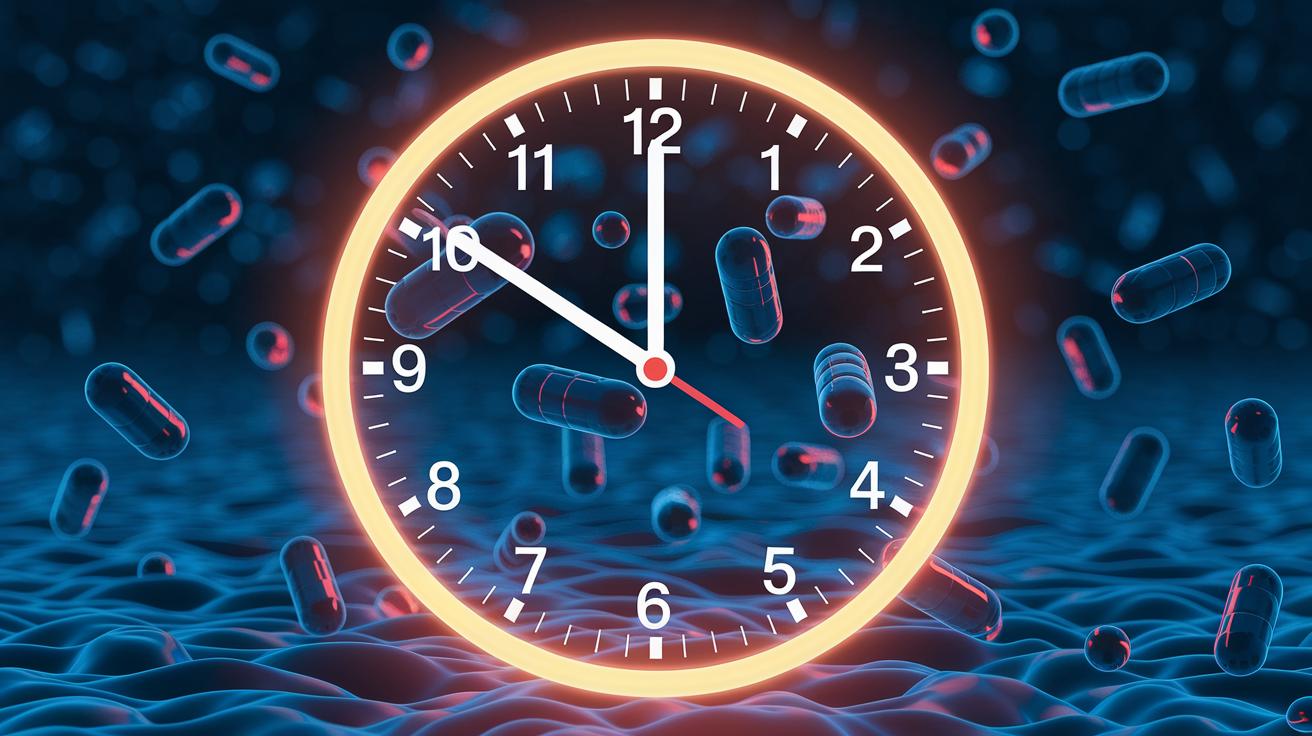
New polymer-based systems are really changing how we deliver medicine inside the body. Researchers are excited about materials like PLGA, PCL, and PLA. These polymers (special types of plastic) can break down at different speeds and offer flexible strength, which is perfect for creating dissolvable supports and advanced drug carriers. Imagine a tiny, built-in timer in your body that steadily releases medicine exactly when needed!
These materials slowly dissolve through interactions with water and natural enzymes in the body. This gives doctors a reliable way to control how medicine is released, meaning no extra surgeries to remove the device. Formulators combine these polymers to make treatments that work better and often cut costs by matching how quickly they vanish with how long the therapy should last.
| Polymer Name | Composition | Typical Degradation Timeline |
|---|---|---|
| PLGA | Poly(lactic-co-glycolic acid) | Weeks to months |
| PCL | Polycaprolactone | Months to years |
| PLA | Polylactic acid | Several months |
It’s fascinating to see how these biodegradable polymers let implants work gently and effectively, doing their job without a fuss inside our bodies.
Clinical Evaluation of Biodegradable Implant Systems
Recent studies in animals and early trials in people have shown that these biodegradable implants are both safe and work reliably. In one January 2018 study published in a drug delivery journal, researchers found that these implants can slowly release both small and large medicines inside the eye. It’s pretty interesting how the study used a unique DGIST balloon-type device made from an exceptionally soft material. The testing in animals showed that the drug levels stayed steady for weeks to months.
The implant breaks down naturally when it meets water and enzymes (substances that help speed up chemical changes), which means it releases the medicine slowly and gently. This careful breakdown helps keep inflammation low and works well with the surrounding tissue. I find it reassuring that the implant’s design meets the strict needs for internal drug delivery. The evidence suggests that this method can safely release medicine and might soon help treat eye problems and long-term illnesses.
Future work will continue to track how well the implant releases drugs and how the body reacts. The strong and repeatable test results give scientists and doctors a lot of confidence. These early findings lay a solid foundation for using these implants in people and show their promise as a steady way to deliver medicine.
- Versatility in releasing small and large molecules inside the eye
- Proven stability of drug levels over several weeks or months
- Minimal inflammation thanks to the ultra-soft balloon design
- Early signs that the treatment works well in relevant disease models
Therapeutic Applications of Breakthrough Biodegradable Implants
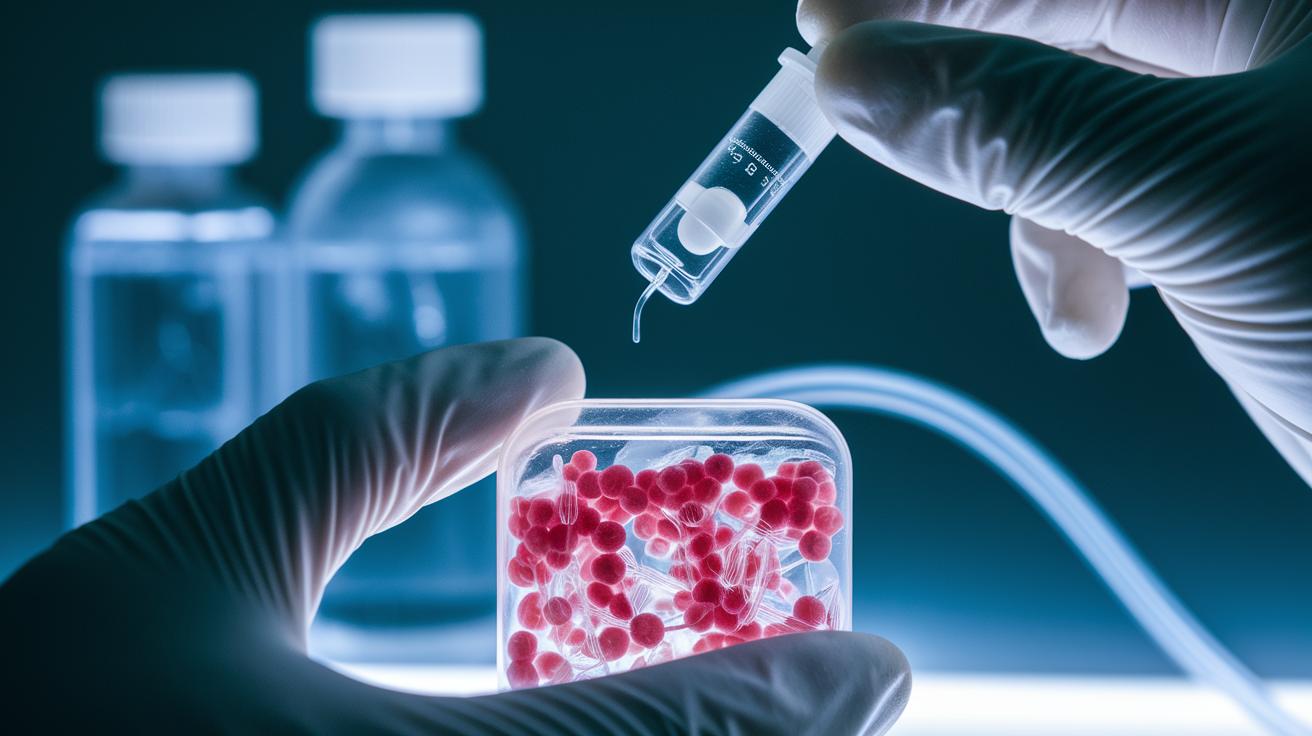
These breakthrough implants offer a new way to treat long-term health issues. They work by slowly releasing medicine over time, which means you don't have to take doses as often. As they dissolve naturally in your body, they deliver drugs right where they're needed, helping to keep medicine levels steady and safe.
This steady approach is especially promising in cancer care. For example, when used with new gene therapy methods, these implants can help reduce side effects while boosting treatment benefits. They also show great promise for managing conditions like diabetes by providing a constant flow of medicine, avoiding the highs and lows that can happen with pills taken by mouth.
The benefits don't stop there. Researchers are also exploring these implants for brain and heart conditions. They can be designed to release medicine for longer periods, matching exactly how long you need the treatment. There's even exciting work in helping repair injured tissues by delivering stem cells (cells that can become new tissue) directly where they're needed. This innovative method could open new doors for healing injuries with fewer unwanted reactions.
Biocompatibility and Safety Profiles of Biodegradable Drug Delivery Implants
Our early studies show that this implant interacts with the body in ways that set it apart. It barely clings to tissue proteins (the building blocks of cells), which may help cells settle in more smoothly. For example, one tissue test revealed very little protein build-up on the implant’s surface, making it easier for cells to nest around it. This lighter protein attachment is something we don’t often see in other similar devices.
In animal tests, researchers found that this implant prompted a gentler cell response compared to other biodegradable options. It naturally breaks down through its interactions with water and enzymes (natural chemicals that help break things down), so the body can safely absorb it over time without any major alarms. In one head-to-head study, the implant led to less cell reactivity, hinting at a softer, kinder interaction with body tissues.
Future Directions in Breakthrough Biodegradable Implants for Sustained Drug Delivery
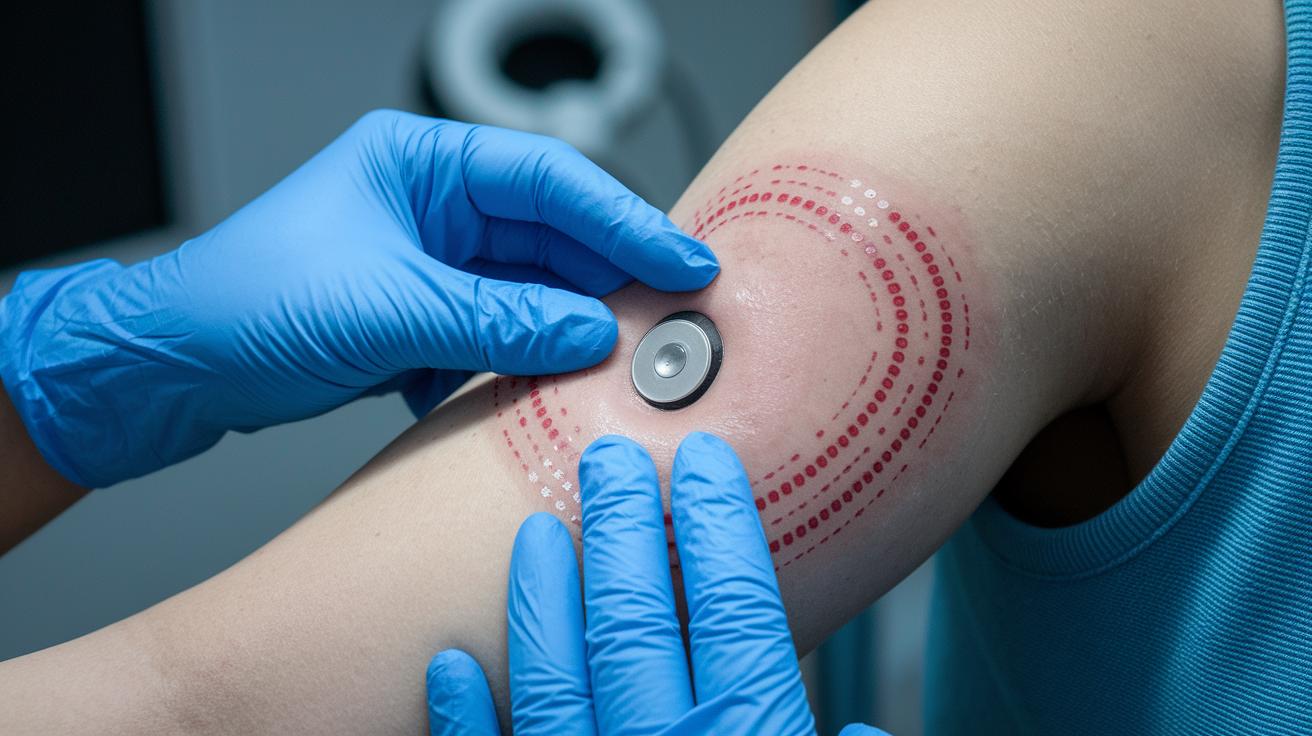
Scientists are now making implants smarter by using materials that react to the body’s own enzymes (proteins that help speed up chemical reactions). Just think of an implant that senses when these enzymes are busy and then adjusts how much medicine it releases automatically. This smart system could completely change how we get treatments.
Researchers are also using computer models to mimic how these implants work inside the body. These in silico tools (computer simulations that copy real-life biological processes) let scientists predict the drug release over time and design implants that suit specific needs. This way, they can make sure the medicine is delivered evenly without unexpected surges or drops.
In addition, adaptive biomaterials, substances that can change with their surroundings, are on the rise. These materials might alter their structure in different conditions to offer a dose that’s just right for each person. It’s pretty exciting to imagine a future where implants not only follow your body’s signals but also use smart computer tools to create a truly personalized treatment plan.
Final Words
In the action, our post outlined how design choices and material properties work together for sustained medicinal release. We explored controlled degradation, clinical findings, and key therapeutic applications. Safety profiles, biocompatibility studies, and future research trends were also highlighted. This fusion of design and science creates breakthrough biodegradable implants for sustained drug delivery that not only improve treatment protocols but also offer hope for managing chronic conditions. It’s a promising step forward that adds a new layer of ease to everyday healthcare discussions.
FAQ
Frequently Asked Questions
What example of an implantable drug delivery system explains its use?
The implantable drug delivery system example refers to devices placed inside the body that slowly release medication, helping manage chronic conditions with fewer doses.
How do solid implantable devices for sustained drug delivery work?
The solid implantable devices for sustained drug delivery work by gradually releasing drugs from a solid implant over time, allowing steady medication levels without frequent injections.
What does the rise of implantable drugs in drug delivery systems indicate?
The rise of implantable drugs signals a shift toward long-lasting treatments that offer stable medication release, improving patient care through technological innovation and ease of use.
What distinguishes a non biodegradable drug delivery implant from biodegradable ones?
The non biodegradable drug delivery implant remains intact after releasing drugs, which may require surgical removal, unlike biodegradable implants that safely break down in the body.
What is a transdermal drug delivery system and how does it function?
The transdermal drug delivery system works through the skin by using patches or gels to let medicine absorb gradually, offering a non-invasive and steady method of drug administration.