
Have you ever thought about what made us look up at the stars in the first place? After a huge war, countries around the world began a race to send machines and brave explorers into space. The very first satellite (a man-made object that circles the Earth) showed that our wild ideas could really work. Soon after, courageous pilots went farther than anyone had ever gone before. Each new step changed how we saw the sky and filled people with wonder. Join us as we go back to the early days of space travel and explore how those first adventures still light up daring dreams today.
Foundations of Space Exploration History
Have you ever wondered how the space race got started? After World War II, the United States and the Soviet Union jumped into a fierce competition driven by Cold War worries. Both countries pushed their technology to the limit to make a statement about national strength.
On October 4, 1957, Sputnik 1 became the first man-made satellite to orbit Earth. This amazing event changed everything and sparked a wave of new ideas and determination in space exploration.
Soon after, on March 17, 1958, the US Navy launched Vanguard 1, a solar-powered satellite. Even though it lost contact a while back, it still circles the Earth today and holds the title of the oldest man-made probe in space. Then, on April 12, 1961, Yuri Gagarin became the first person to fly into space. His journey showed us that humans could explore beyond our own planet.
And, of course, who could forget July 20, 1969? That's when Neil Armstrong stepped onto the Moon and famously said, "That's one small step for man." His lunar landing marked a major win in the space race and set the stage for the exciting space missions we enjoy today.
Origins of Rocketry in Space Exploration History
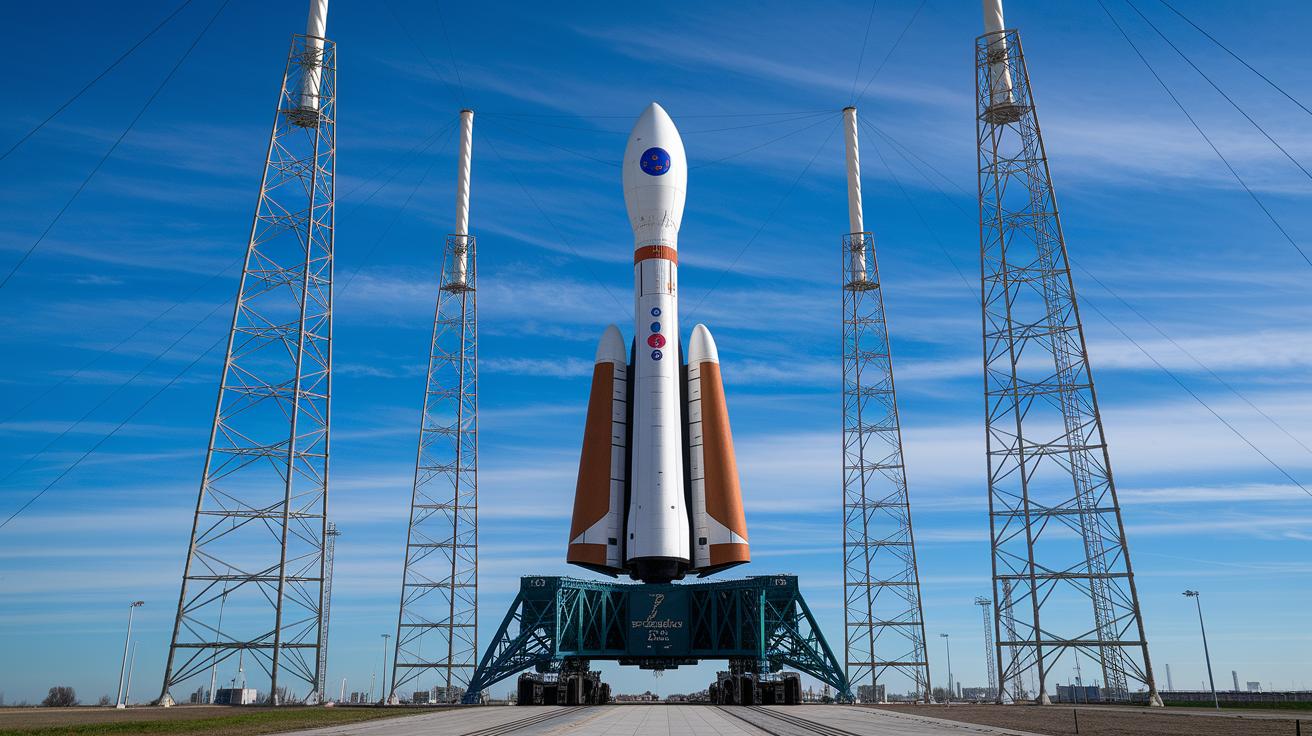
Back in the late 1950s, space research took an exciting new turn with bold tests on living creatures. The Soviet program decided to trust dogs with this risky adventure. For example, Laika flew on Sputnik 2 on November 3, 1957, showing incredible resilience in a space where no safe landing was planned. Laika became the very first living being to orbit Earth, setting an unforgettable example even though her mission never included coming home.
At the same time, the United States was busy launching primate missions up to space. These flights helped scientists understand how animals handled the powerful forces during rocket launches (think of it as really intense acceleration). Researchers needed these early tests to learn how to care for life in space before sending humans.
There was also some friendly debate at NASA about what to call these brave beings. Some people liked the term astronauts while others preferred cosmonauts, reflecting the different ideas between nations. In truth, these experiments with new rocket engines and biological testing built trust in space travel and paved the way for exploring the vast unknown.
Human Spaceflight in the History of Space Exploration
On April 12, 1961, Yuri Gagarin hopped aboard Vostok 1 and made history as the very first person to circle our planet. Before he joined the list of famous space explorers, his single orbit boldly showed that the endless space beyond Earth was not just a far-off dream, but something we could actually reach.
Not long after, the Mercury Seven burst onto the scene. These brave astronauts flew several missions from May 1961 to May 1963, each one adding a new page to our space adventure. For instance, John Glenn orbited Earth on February 20, 1962, aboard Friendship 7, a flight that caught the world’s eye and showcased America’s strong will to explore. His careful planning and fearless journey really made the mission feel personal.
Earlier that same year, in May 1961, Alan Shepard became the first American to venture into space. His journey set the stage for many big moments ahead. Who could forget his playful milestone on the Moon in 1971, where he hit a few golf balls? This fun and surprising moment caught people’s imagination and even sparked debates on whether these travelers should be called “astronauts” or “cosmonauts.” Each mission mixed cool technology with true human courage, inviting everyone to look up and wonder about the mysteries of space.
Lunar Missions in the History of Space Exploration
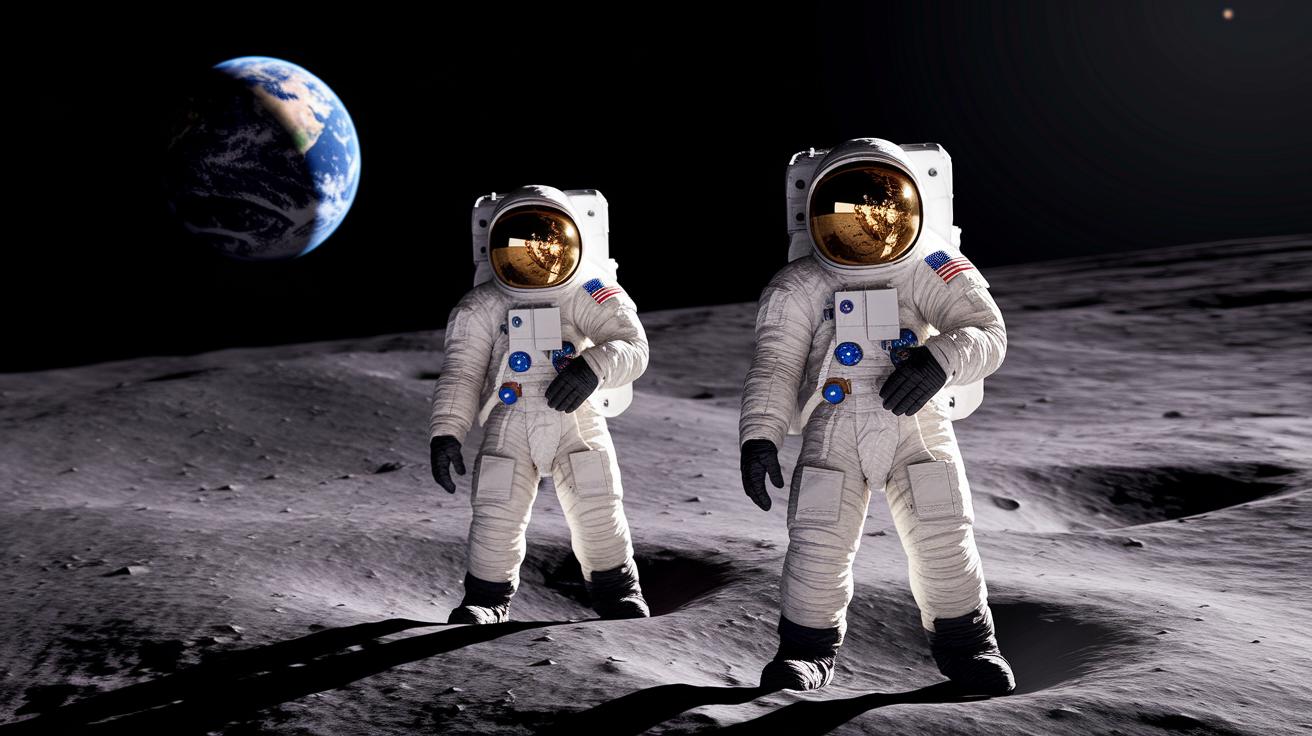
On July 20, 1969, Apollo 11 grabbed everyone’s attention when Neil Armstrong and Buzz Aldrin stepped onto the Moon. Imagine two brave explorers walking on a dusty, gray ground, leaving footprints that would spark wonder in generations to come. Their journey turned something we only dreamed about into a real-life achievement.
Just a few weeks later on November 14, 1969, Apollo 12 faced an unexpected challenge. Right after liftoff, a flash of lightning danced near the top of the rocket, putting the mission in real danger. Yet, the crew kept their cool and steered the command safely onward. This episode reminds us that even when nature throws a surprise, human creativity can rise to the occasion. For more details, check out the apollo missions page.
Then, on February 2, 1971, Apollo 14 brought a fun twist to space travel. Alan Shepard, known for his playful spirit and iron resolve, became the first to swing a golf club on the Moon. Imagine him teeing off beneath a vast, twinkling sky, a unique blend of sport and science that turned the lunar surface into an arena of human creativity.
The legacy of lunar exploration continued with Apollo 17 from December 11 to 14, 1972. Eugene Cernan, the mission commander, took careful steps on the Moon and left behind a story so powerful that he remains the last person to walk there. His thoughtful journey still sparks curiosity about the real challenges and rewards of exploring space. For a closer look at this important moment in history, visit the apollo missions section.
Orbital Platforms in the History of Space Exploration
Back in the 1970s, space exploration moved away from one-time rocket launches to building long-lasting labs in low Earth orbit. Early projects like the Soviet Salyut stations and the US Skylab let scientists live and work in space for extended times. These labs helped researchers discover the challenges of life in a place with very little gravity (where gravity is weak).
A really big moment happened on July 17, 1975, during the Apollo–Soyuz Test Project. US and Soviet spacecraft met up and worked together when it was rare for countries to team up across deep political divides.
Then, on April 12, 1981, the Space Shuttle Columbia launched, opening a whole new chapter with reusable technology and ongoing space studies. Columbia completed 24 missions before the heart-breaking Challenger disaster on January 28, 1986. Today, the International Space Station stands as a symbol of decades of progress, a living example of what we can achieve together while pushing the limits of science and exploration.
Future Prospects of Space Exploration History
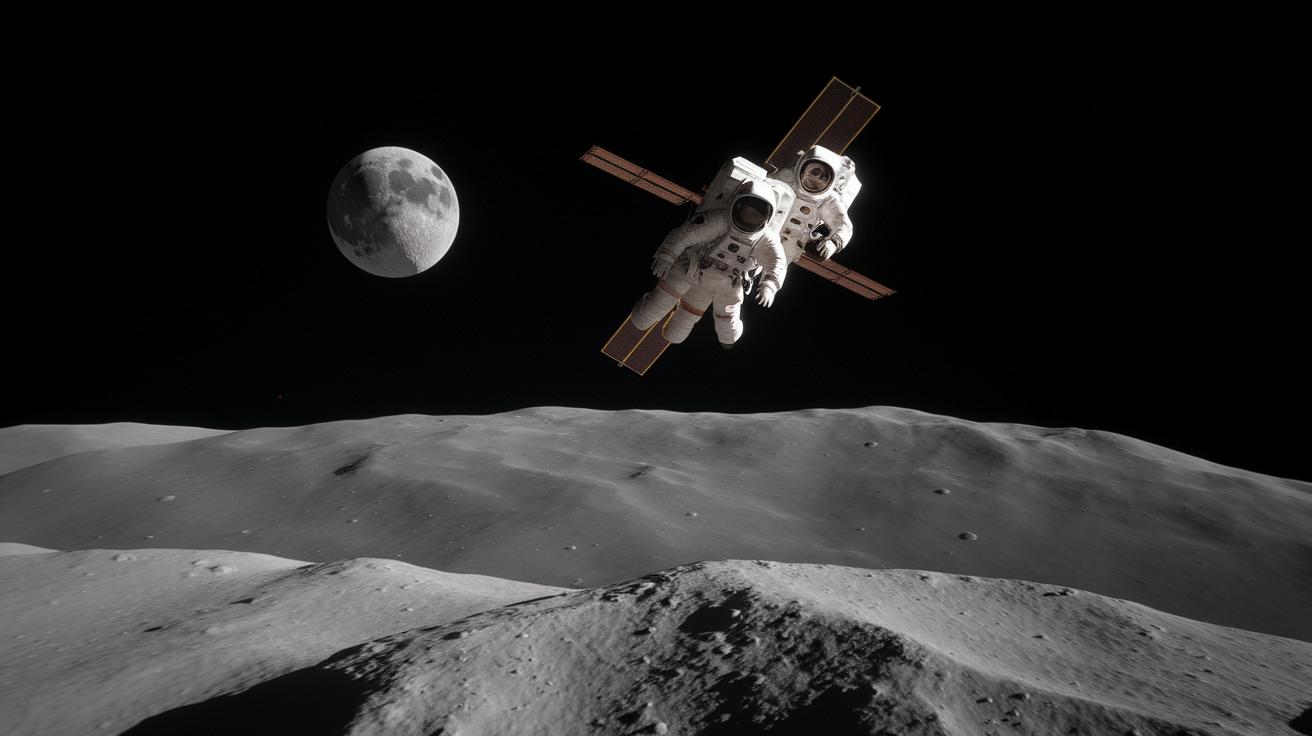
In recent years, a growing number of nations and companies have transformed space exploration into a global enterprise, sparking bold curiosity for what comes next. NASA’s Artemis program is on a mission to bring people back to the Moon. They plan to use the Lunar Gateway (a small space station orbiting the Moon) as a launch pad for even bigger journeys, like trips to Mars. This shows how serious NASA is about staying on the Moon longer and pushing further into deep space.
China has been a player since 2003, already sending humans into space with impressive skill. And now, India is ready to join the ranks. It’s thrilling to see space travel become less about just two countries and more about a worldwide effort.
Over the last twenty years, private companies like SpaceX and Blue Origin have really changed the game. They’ve made it easier for people and cargo to reach space, opening up a future where space travel is more common and full of new ideas.
Final Words
In the action, we explored the early space race, from the launch of Sputnik and animal missions to the bold steps of human spaceflight. We covered the lunar milestones and the evolution of orbital platforms that built a strong history of space exploration.
These highlights remind us how scientific innovation changes daily life. Every achievement, from rocket triumphs to future missions, inspires us to keep our eyes on the sky and our minds open to new ideas.