Have you ever wondered how a tiny chip can change the way we understand our brain? New advances in computational neuroscience (which means using computers to study the brain) let us see brain activity as if we're watching a live movie of our thoughts. Researchers are now using handy tools that pick up nerve signals in real time, revealing fresh insights that could improve both healthcare and everyday gadgets. It’s pretty amazing to think how these innovative methods are reshaping our view of the brain and opening the door to bold new ideas.
High-Impact Breakthroughs in Computational Neuroscience
Recent studies have taken brain research to exciting new levels. Scientists are now watching live brain signals in ways we once thought were impossible, mixing detailed maps of the brain with clues about behavior. It’s like watching the gentle hum of a busy city from above, but inside the mind.
These new methods are not only changing how we study the brain, they’re also leading to real-world uses in healthcare and technology. Researchers are finding fresh ways to mimic the brain’s work on a large scale, which could even help tailor treatments just for you.
Here are some cool examples:
- MIT has developed a real-time 3D map of brain activity in mice. They combine pictures of the brain’s structure with insights into behavior so they can see how nerve signals flow.
- At Stanford, the COSMOS bifocal microscope records lots of brain activity at once. This tool shows how the brain makes decisions in a way that’s almost like watching a movie in slow motion.
- Brown University’s neurograins are tiny chips, about the size of a salt grain, that can check brain signals wirelessly. It’s a tiny marvel that brings a whole new level of precision.
- Google DeepMind created an algorithm inspired by how parts of the brain work. This piece of tech boosts performance in games like chess and Go while using much less power.
- The University of Melbourne has made an implant that lets paralyzed patients control a computer. This breakthrough is a huge leap toward bringing brain research to everyday life.
All these advances show that scientists are building a bridge between cutting-edge technology and the everyday workings of our minds. It’s a fascinating mix of art and science that might eventually lead to personalized treatments and smart devices that work with our natural brain rhythms.
Advanced Brain Simulation Techniques in Digital Brain Science
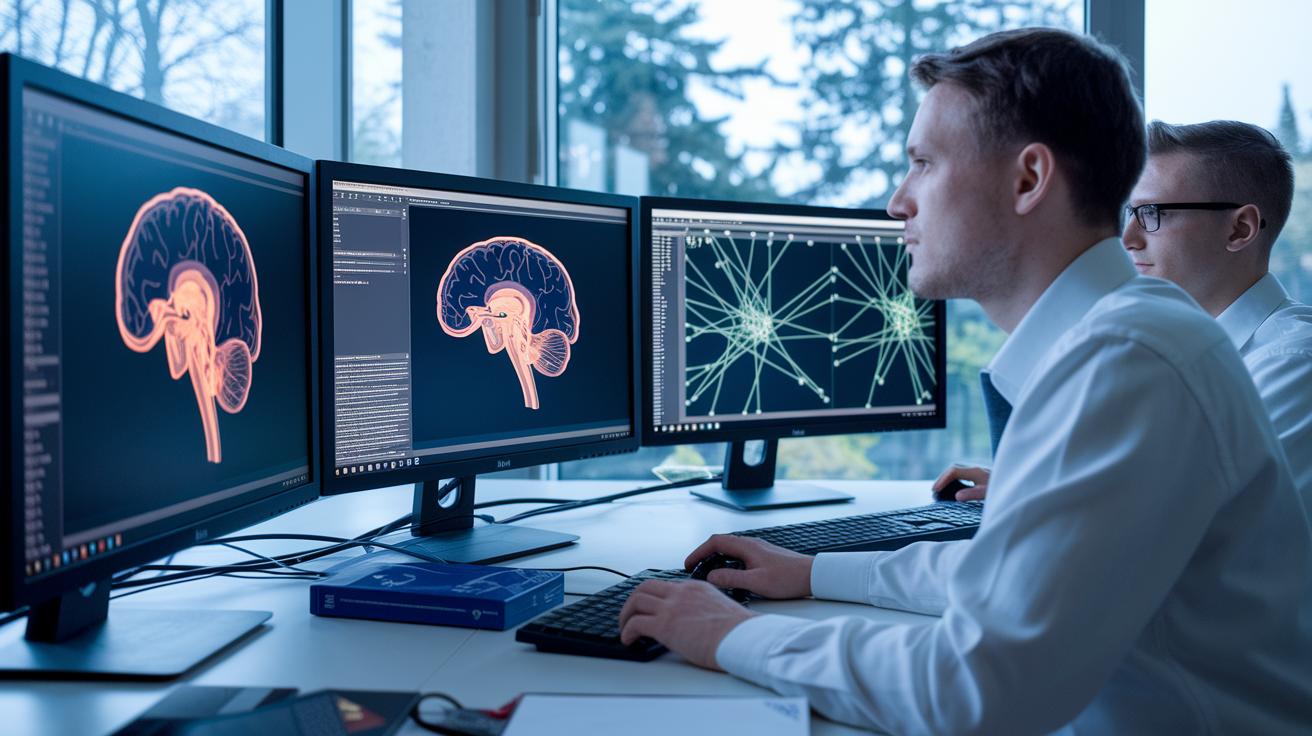
Simulation helps scientists explore how our brains work. Using computer models, researchers mimic the electrical and chemical signals that flow in brain circuits. This method acts like a bridge between hard data from experiments and new ideas from theory. It even lets us watch as signals hop from one brain cell (neuron) to another. It’s a bit like following a trail of lights in a forest!
Today, computer simulations are a must-have tool in brain research. Scientists can run tests on tiny parts of the brain or entire networks in a safe, computer-based setting before trying things out in real life. Tools like the MOOSE platform, The Virtual Brain, and NEURON software give us a clear picture of brain activity. They help link tiny bursts of neuron firing to the big picture of how the brain works, whether it’s in a healthy brain or one that might need a little extra help.
| Software Platform | Scale Modeled | Key Feature |
|---|---|---|
| MOOSE | Molecular to circuit level | Brings together electrical and chemical signals |
| The Virtual Brain | Whole-brain, multi-scale | Connects different brain regions for a full view |
| NEURON | Cellular level | Shows detailed neuron spikes and synapse activity |
These digital tools are fast-tracking new discoveries by letting scientists test ideas in a flexible and safe way. With digital replicas of brain functions, researchers can uncover hidden patterns and behaviors. As we strive to understand the complicated workings of our minds, these simulation techniques pave the way for future breakthroughs in brain science that will benefit both research and real-world applications.
Neuron-Inspired Algorithms and AI Integration in Computational Neuroscience
AI is changing how we understand the brain by imitating some of its own processes. Scientists are now mixing traditional brain study methods with new computing ideas to build systems that work like our own minds. These clever systems pick up deep patterns in brain data. This helps with everything from planning game strategies to noticing tiny shifts in brain signals. In truth, this new way of working makes analysis simpler and could help us catch brain problems earlier while teaching us more about how our minds work.
DeepMind’s Cortical Column Modeling
DeepMind has developed a technique that copies how the brain naturally groups into specialized layers (called neo-cortical columns). Their model has performed at the top level in strategic games while using far less computer power. By mirroring the brain’s own layout, this work builds a strong base for creating more natural and easy-to-use algorithms.
AI-Driven Neural Data Pipelines
Modern AI tools, powered by machine learning (a method that lets computers learn from experience), now manage huge amounts of brain imaging data. These systems clean and analyze brain signals in real time to figure out what the brain is saying. This progress is supporting new breakthroughs in brain research and medical studies, check out the data-driven discoveries fueling science breakthroughs.
- Real-time decoding of brain signals using deep neural networks (advanced computer models that mimic brain activity).
- Machine learning systems handling large sets of brain imaging data.
- Predictive tools that can spot early signs of brain disorders.
- Methods that recognize subtle changes in neural activity.
- Cognitive computing approaches that simulate parts of our thought process.
These techniques are a big leap toward digital systems that think a little like we do. Mixing neuron-inspired methods with new AI technology is setting fresh standards for brain research and holds exciting possibilities for both science and healthcare.
Clinical and Therapeutic Applications from Computational Neuroscience Innovations
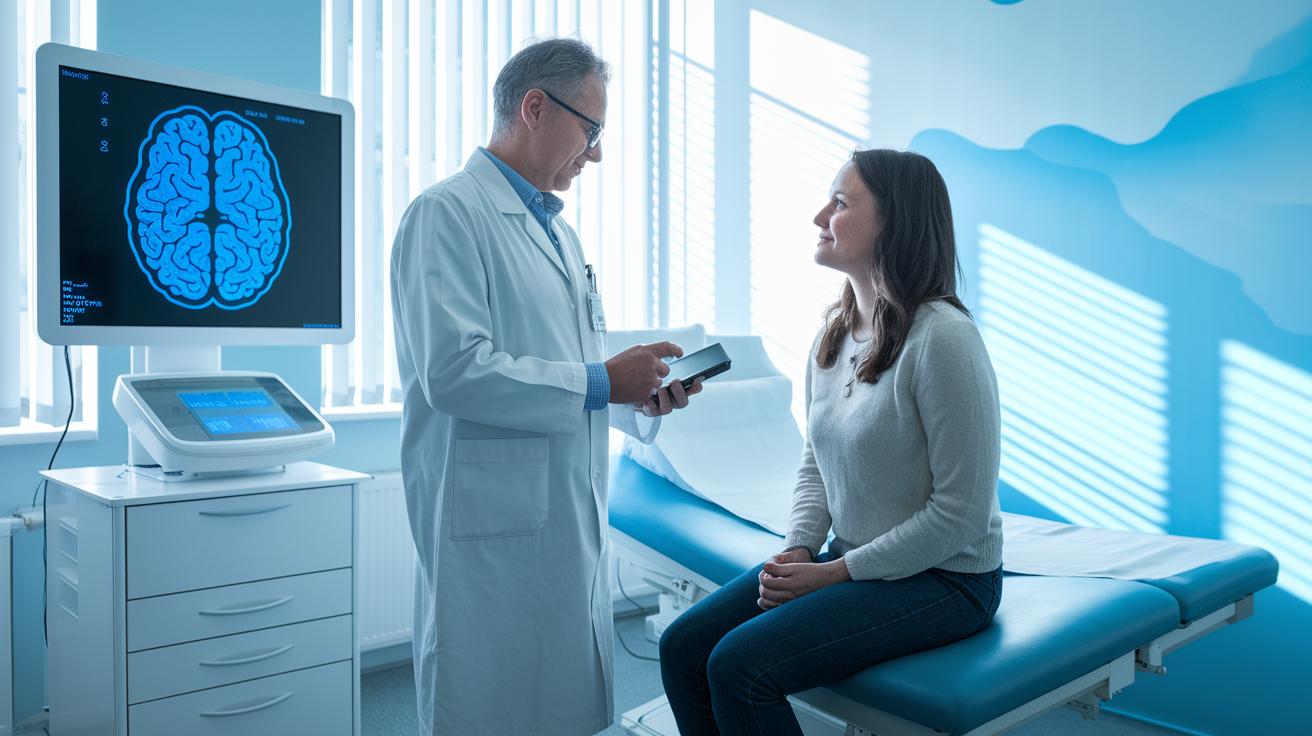
Breakthroughs in understanding brain signals are turning into treatments as unique as every person. New systems connect directly with our brain activity, letting doctors adjust treatments right on the spot. Techniques like adaptive deep brain stimulation (a way to change brain signals on the fly) and high-precision neuroprosthetics (tiny devices that link with your brain) are helping create therapies that are much more responsive to your needs. These innovations are starting to change how we treat problems like depression and even vision loss, making care more flexible and closely tied to what your brain is doing.
- Adaptive deep brain stimulation only kicks in for depression when symptoms show up.
- Vision neuroprosthetics use microelectrode arrays (tiny, precise tools) to help restore sight for people who are blind.
- Neurofeedback helps improve sleep and manages major depressive disorder by tuning into your brain signals.
- Spinal-cord regeneration therapies use injectable gene-network treatments (special formulas that guide cell behavior) to turn neurons into cells that can help repair damage.
- Epilepsy monitoring gets a boost from neurograin implants that constantly track brain activity.
- Brain-computer interface sleep interventions adjust your sleep patterns using real-time data from your brain.
In short, these advancements show how combining non-stop brain data with on-the-spot treatment changes the game for personalized medicine. Doctors can tailor treatments to match exactly what each brain needs, reducing risk and making therapies work better together. It’s amazing to see how cutting-edge tech adds a human touch to medicine, ensuring every treatment is as dynamic as the mind it cares for.
Mapping Cerebral Connectivity and Neuroimaging Analytics in Computational Neuroscience
Mapping how different parts of the brain connect is key to understanding how they talk to each other. There is a huge amount of brain data, so we need creative new ways to show both the physical structure (how the brain is built) and its activity (how it works). When scientists have accurate maps, they can spot small differences in brain disorders and make better treatment plans. New imaging and recording tools turn complicated signals into clear data, helping us build better models of brain activity.
| Technique | Data Type | Key Insight |
|---|---|---|
| PET/MRI variant mapping | Neuroimaging | Reveals distinct Parkinson’s variants |
| COSMOS full-cortex recording | Activation maps | Enables real-time brainwide monitoring |
| Electrophysiology processing frameworks | Neural signals | Enhances analysis with advanced algorithms |
Modern research is taking off by mixing methods like PET/MRI mapping, COSMOS imaging, and detailed reports of electrical activity in the brain. These approaches let scientists count connections between individual neurons using techniques from graph theory (a way of looking at connections in groups) to see how clusters of brain cells interact. Studies such as Aarhus University’s PET/MRI work and MIT’s tracking of responses to visual cues offer a more complete picture of brain networks.
This clearer view helps create strong models to test fresh ideas in brain science. Researchers can now ask new questions about how the brain works and build simulations that mirror individual differences in connectivity. By combining advanced signal processing with graph-based analysis, scientists uncover hidden patterns and predict brain behavior more clearly. This detailed mapping not only shows how brain regions work together during everyday activities but also sparks smarter ways to diagnose and treat brain disorders.
Final Words
In the action of cutting-edge studies, we uncovered key experiments, from MIT’s real-time 3D brain mapping to DeepMind’s innovative algorithms. The post shared exciting insights into digital brain science, neuron-inspired AI, clinical applications, and cerebral connectivity mapping.
Each section highlighted practical uses and emerging trends that are shaping our understanding of the mind. Together, these breakthrough developments in computational neuroscience point toward a promising future where science and technology unite to better our everyday lives.
FAQ
What are some recent high-impact breakthroughs in computational neuroscience?
High-impact breakthroughs include MIT’s real-time 3D brain function mapping, Stanford’s full-cortex neural recordings with bifocal microscopy, Brown University’s tiny wireless brain chips, DeepMind’s efficient cortical algorithm in games, and an implant from Melbourne helping paralyzed patients control a computer.
How do simulation platforms advance digital brain science?
Simulation platforms like MOOSE, The Virtual Brain, and NEURON model electrical, chemical, and neuronal interactions. They help scientists understand circuit behavior and whole-brain operations by integrating data across multiple scales.
What impact have neuron-inspired algorithms and AI had on brain studies?
Neuron-inspired algorithms and AI have improved game strategy performance and medical scan accuracy while supporting real-time decoding of brain signals and large-scale neuroimaging, thus enhancing our understanding of cognitive processes.
How do computational neuroscience innovations translate into clinical applications?
Innovations lead to adaptive deep brain stimulation for depression, vision restoration through neuroprosthetics, improved sleep and mental health via neurofeedback, spinal-cord repair using gene-network therapies, and continuous epilepsy monitoring.
What modern methods help map cerebral connectivity and analyze brain data?
Modern methods—like advanced signal processing, full-cortex recording techniques, and combined PET/MRI studies—create precise brain connectivity maps, offer insights into dynamic neural responses, and support the development of new research hypotheses.