
Have you ever thought that a tiny test might save lives during a risky pregnancy? New sensors that check both mother and baby are showing great promise. These smart devices send early alerts so doctors can spot issues before they get serious. In a big study with thousands of pregnancies, simple wearable tests and easy blood checks gave healthcare teams a chance to act fast. This blend of clever, non-invasive tools is changing the way moms and babies get care, offering every family a safer, healthier path.
Key Breakthroughs in Maternal-Fetal Monitoring for High-Risk Pregnancies
A recent study looked at 9,000 pregnancies and wrapped up on April 8, 2025. It shows that new prediction tools can warn us about conditions like preeclampsia (high blood pressure during pregnancy that can be dangerous) well before any signs show up. This means doctors can step in early to lower risks like early births and maternal complications. For example, simple blood tests can catch the first hints of trouble months ahead.
Mirvie’s innovative blood test is a game changer. It can signal severe fetal growth problems (when a baby might not be growing as expected, which can lead to stillbirth) long before any clear symptoms appear. Then, on December 25, 2023, Sheba Beyond highlighted remote pregnancy monitoring. This approach combines wearable devices and telehealth to provide nonstop care in high-risk situations.
By blending smart risk prediction tools with non-invasive tracking of pregnancy progress and monitoring baby health, these breakthroughs let doctors get real-time updates. Backed by large-scale studies, these new methods are raising the bar in caring for both moms and babies, offering better chances for healthy outcomes.
Wearable Maternal-Fetal Monitoring Devices Enhancing Home-Based Care
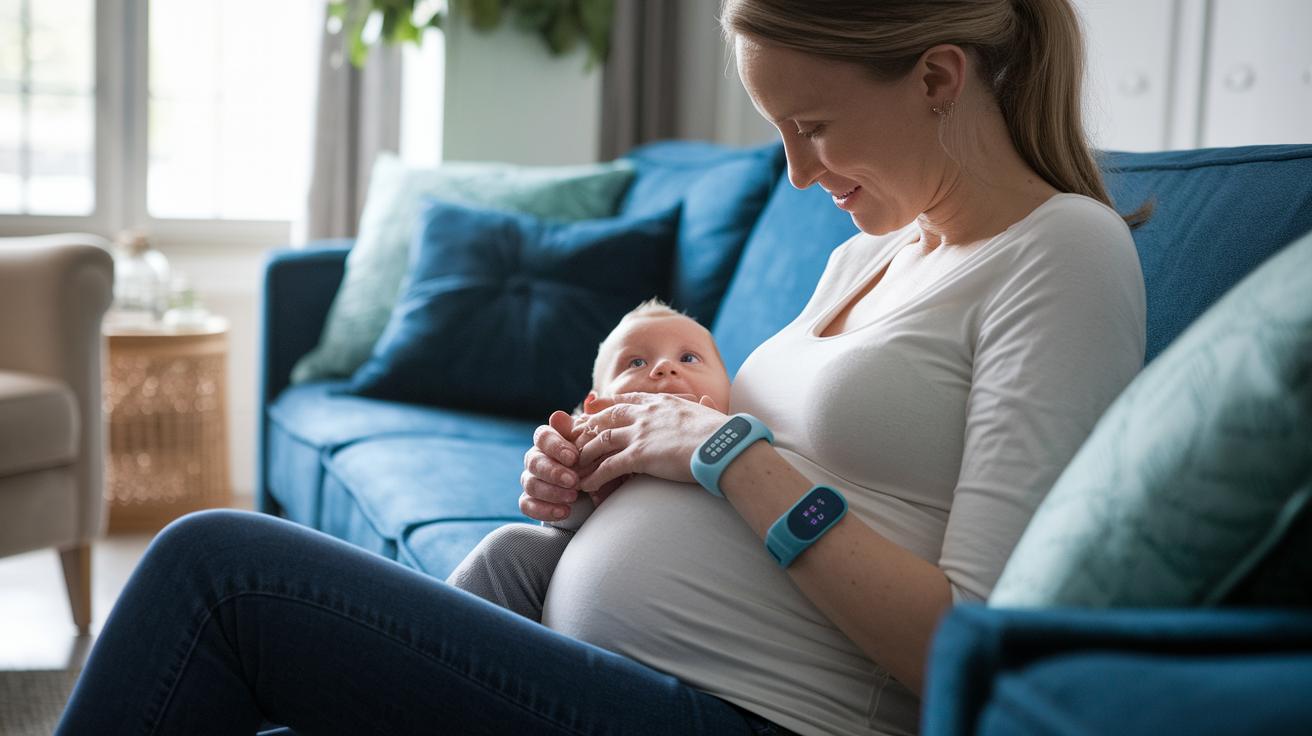
Wearable devices are really changing the way moms can keep an eye on both their own and their baby’s health right from home. Thanks to recent breakthroughs in gentle, non-invasive tracking (that is, methods that don’t require needles or painful procedures), mothers can stay comfy while still having access to important health data.
New sensor systems mix several measurements to give doctors a clear, complete picture of what’s happening with both mom and baby. For example, FDA-approved tools like the INVU belt and the Novii Patch are now used to monitor the baby’s heart rate, detect uterine contractions, check the mom’s heartbeat, and measure oxygen levels, all in real time.
These devices come in many forms:
- Wristbands: They keep tabs on a mom’s heart rate, stress levels, and daily activity.
- Abdominal sensors: They watch over uterine activity and can help spot early signs of labor.
- Sensor belts: They continuously record oxygen levels and vital signs as moms go about their day.
- Bodysuits: They include soft, flexible sensors that provide all-day monitoring without feeling bulky.
- Electrode patches: They focus on accurately capturing the baby’s heart rate and movements.
- Soft electronic devices: They’re designed to work safely even during MRI and X-ray exams.
By using these smart wearable tools, especially for high-risk pregnancies, moms get constant, gentle monitoring that supports their safety and comfort. The variety of devices means data is collected steadily without interrupting daily life. In truth, this approach lets clinicians see real-time insights into both maternal and fetal health, which means they can step in promptly when needed. For many expectant mothers facing higher risks, this reliable, non-invasive home-based care is not only practical but also empowering.
Clinical Validation of Maternal-Fetal Monitoring Technologies
New maternal-fetal monitors are put to the test by comparing them with trusted methods like CTG (a tool that tracks fetal heartbeat) and ultrasound. Studies show that these wearable devices almost match conventional tools, agreeing on fetal heart rates more than 95% of the time, spotting uterine contractions in just 2 minutes, and measuring a mother's heart rate with an error of only 3 beats per minute. Many patients have even mentioned that these devices cut down the number of hospital trips and make monitoring a lot more comfortable.
Clinical researchers have thoroughly checked these monitors and confirmed that they measure accurately, much like established imaging and electrical tracking tools.
| Device | Parameter Monitored | Accuracy vs CTG/USG |
|---|---|---|
| INVU Belt | Fetal Heart Rate | > 95% agreement |
| Novii Patch | Uterine Contractions | Detection within 2 minutes |
| Wearable Sensor | Maternal Heart Rate | ± 3 bpm accuracy |
These solid findings show that the new devices hold up well against standard care measures. Patients feel reassured by this user-friendly, reliable technology that keeps an eye on their health in real time. This continuous stream of clinical data is key for handling high-risk pregnancies effectively. Thanks to improved precision and fast feedback, hospital visits are reduced, and the devices are quickly becoming essential tools, offering faster insights and proactive care for both mothers and their babies.
Telemetric Maternal-Fetal Diagnostics in Prenatal Care
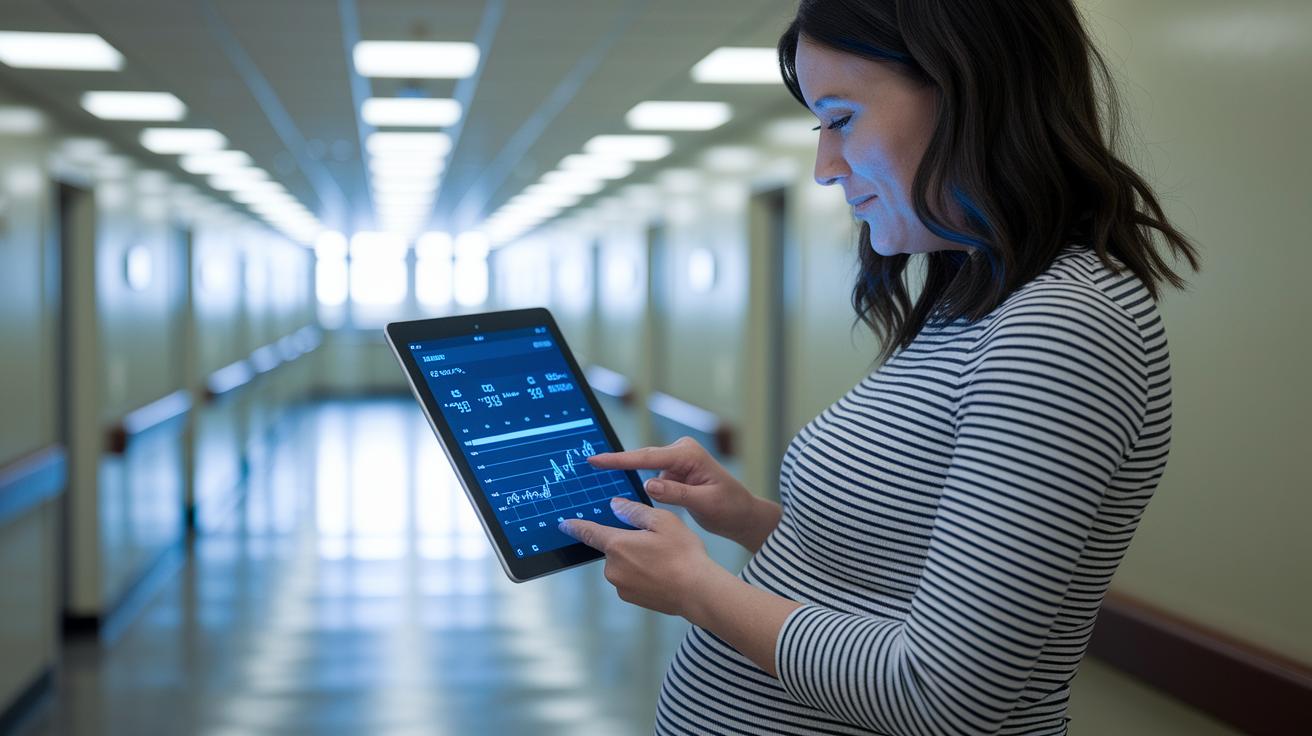
Today, remote monitoring is a game-changer for high-risk pregnancies. Using Bluetooth-enabled blood pressure cuffs and fetal Dopplers (devices that listen to a baby’s heartbeat) sends real-time data straight to doctors, keeping them updated on both mom and baby. Patients, even in places with fewer resources, can use mobile apps or web portals to check in virtually without needing frequent hospital visits. This setup helps spot even the tiniest changes in health, so care teams can step in quickly to keep everyone safe.
Integrated cloud dashboards collect all this live data, show trends, and even send out alerts when something seems off. This digital system, powered by new tech, helps doctors catch potential problems early and adjust treatments on the fly. By combining real-time diagnostics with remote monitoring, care providers are making prenatal care smarter, faster, and more accessible for those who need it most.
Overcoming Challenges in Maternal-Fetal Monitoring and Data Security
When it comes to watching over moms and their babies in real time, there are a few big challenges. We need data that stays spot-on, wireless signals that stay safe, and devices that can handle everyday use. Sometimes, systems have trouble sending private information securely or keeping measurements exactly right.
High-risk pregnancies rely on monitors that are both dependable and comfortable enough to wear for long stretches. Without a solid network of sensors and smart signal processing methods, these devices might deliver incomplete or fuzzy data right when it's needed most. It's a bit like trying to listen to a favorite song on a weak radio station, frustrating and potentially risky.
Engineers are stepping in with clever fixes. They’re using remote diagnostic tools to keep an eye on device performance from afar and equipping wearable recorders with strong end-to-end encryption (a way to lock down data so no one else can read it) and tough casings. Designers have even started using AI-based artifact filtering (smart algorithms that catch errors) along with comfy, user-friendly device layouts. These steps help make the gadgets more accurate and something people are happy to wear.
By zeroing in on data accuracy, secure transmission, and device durability, we're moving toward monitoring systems that really you can count on. This means better safety for high-risk pregnancies and extra reassurance for both moms and clinicians.
Future of Maternal-Fetal Monitoring: AI-Driven Predictive Models
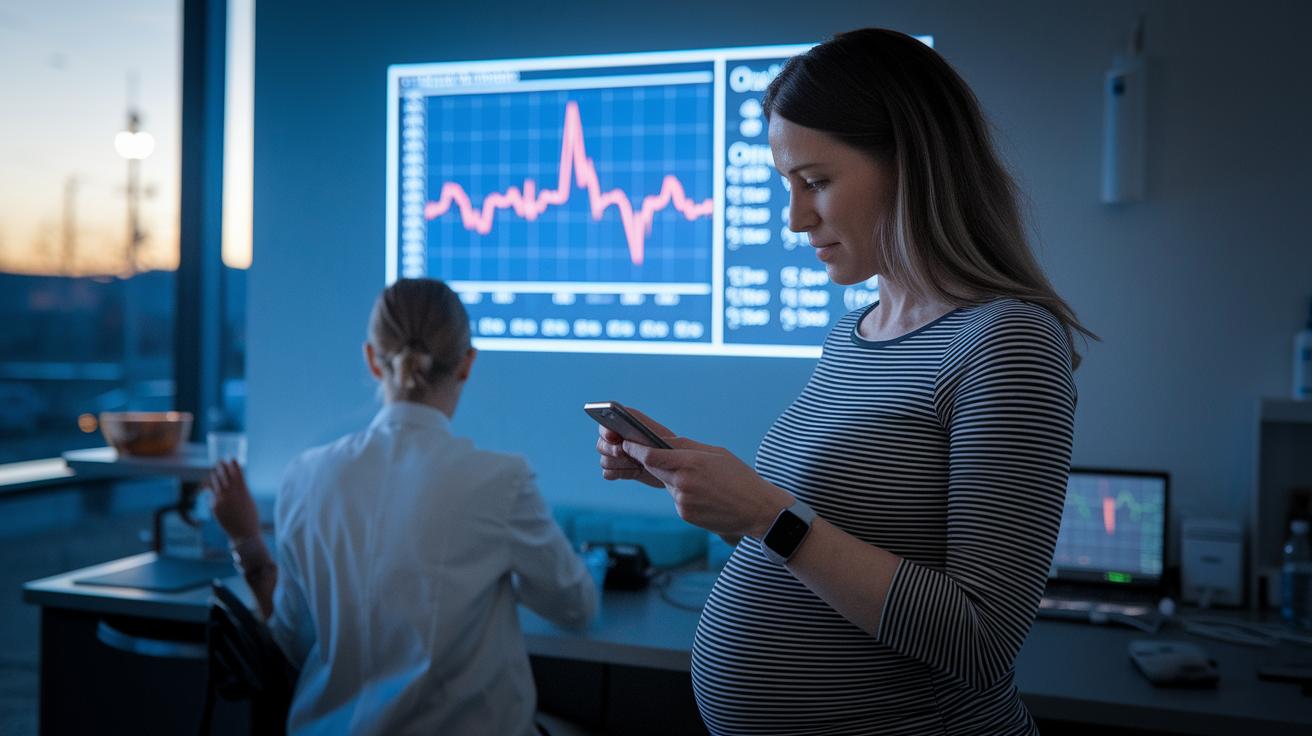
Imagine a future where high-risk pregnancies get extra care before any real trouble starts. New AI and machine learning tools can spot signs of problems like preeclampsia (a condition marked by high blood pressure), sepsis risk (a serious infection), or fetal distress from tiny changes in data. By gathering information from wearable devices and lab tests, these smart systems build a clear picture of each mom and baby, giving care teams a heads-up when intervention is needed.
Machine Learning Predictive Models
The system uses clever computer programs to watch continuous data from wearables on both the mom and her baby. It picks up subtle changes, little hints that something might be off. This early warning makes it easier for doctors to step in before minor issues turn into major emergencies.
Adaptive Risk Stratification Algorithms
These dynamic algorithms update a person’s risk score all the time as new data comes in. They take in changes in vital signs and key health markers, letting medical teams see a real-time snapshot of what’s happening. With this approach, doctors can adjust their care plans on the fly, making treatments safer and more personal.
EHR Integration for Personalized Care
By linking this predictive technology with electronic health records, every bit of data, from past records to live updates, is brought together in one place. This seamless connection makes it simpler for clinicians to get a full view of a patient’s health. In turn, it helps create a care plan that’s uniquely tailored to each mom and baby, ensuring nothing important gets overlooked.
Final Words
In the action, we covered cutting-edge techniques that improve care for expecting mothers and their babies. The post spotlighted predictive blood tests, wearable devices, and real-time clinical tools all aimed at breakthrough maternal-fetal monitoring technologies for high-risk pregnancies. We also touched on telehealth and AI-powered models that sharpen risk detection. With these advances, the future of prenatal care looks bright and ever more accessible for everyone involved.
FAQ
How do key breakthroughs in maternal-fetal monitoring improve outcomes for high-risk pregnancies?
The key breakthroughs improve outcomes by detecting complications like preeclampsia early using predictive blood tests and remote monitoring, ultimately reducing maternal mortality and preterm births.
What benefits do wearable monitoring devices offer for maternal-fetal health?
Wearable devices offer continuous tracking of vital signs like heart rates and uterine contractions, providing a convenient, non-invasive solution that reduces hospital visits and improves comfort for both mother and fetus.
How has clinical validation confirmed the accuracy of modern maternal-fetal monitoring technologies?
Clinical validation shows that these new devices match traditional methods with over 95% accuracy for fetal heart rate and timely uterine contraction detection, ensuring patients receive reliable and effective monitoring.
What role do telehealth and digital platforms play in enhancing prenatal care?
Telehealth and digital platforms allow for real-time data streaming, remote consultations, and automated alerts, which expand access to care and ensure timely interventions for those in high-risk pregnancy situations.
How will AI-driven predictive models influence the future of maternal-fetal monitoring?
AI-driven predictive models will enhance early detection of conditions like preeclampsia by refining risk scores with continuous sensor data, integrating multiple data sources to provide personalized care and quicker clinical responses.