Ever wonder what secrets hide in just one drop of water? Thanks to cool advances in microbiology (the study of really tiny living things), scientists can now make microbes glow and even read their genes in a flash. Researchers are watching these little creatures act in surprising ways that change how we see our whole planet. In this article, we explore how these new methods are helping us learn more about nature’s tiny wonders and why these minuscule beings matter more than we ever imagined.
Breakthrough Innovations in Microbiology That Illuminate Hidden Microbial Worlds
Scientists are exploring more than a trillion types of microbes, and it’s pretty amazing how much hidden life they’re uncovering. Using a mix of high-tech cameras, gene reading (sequencing), and tests on how microbes work, these discoveries are changing our view of the microscopic world. For example, Harvard researchers used really high-resolution imaging with fluorescent tagging (color markers that light up tiny parts) to reveal details in a drop of water that you’d never see otherwise.
Now, clever microscopy is teaming up with fast gene sequencing methods. In projects like Genomes to Phenomes, teams from Bigelow Laboratory, Desert Research Institute, and the University of New Hampshire are pairing each microbe’s genetic code with how actively it breathes (its respiration rate). They use single-cell sequencing along with flow cytometry (a technique to count and analyze cells quickly), which has shown that not all microbes work at the same pace.
One surprising discovery is a bacterium named Candidatus Desulforudis audaxviator that lives deep underground. Instead of behaving uniformly, these microbes can be very different in how active they are. This research not only deepens our understanding of life’s vast diversity, a key ingredient for a balanced environment, but also raises concerns about the risks these populations might face if their numbers decline.
By combining advanced imaging with sequencing techniques, scientists highlight how even the tiniest organisms have a big impact on our ecosystems. It really makes you wonder what other hidden wonders are still out there, just waiting for us to look a little closer.
Illuminating Unseen Worlds with Imaging Breakthroughs in Microbiology
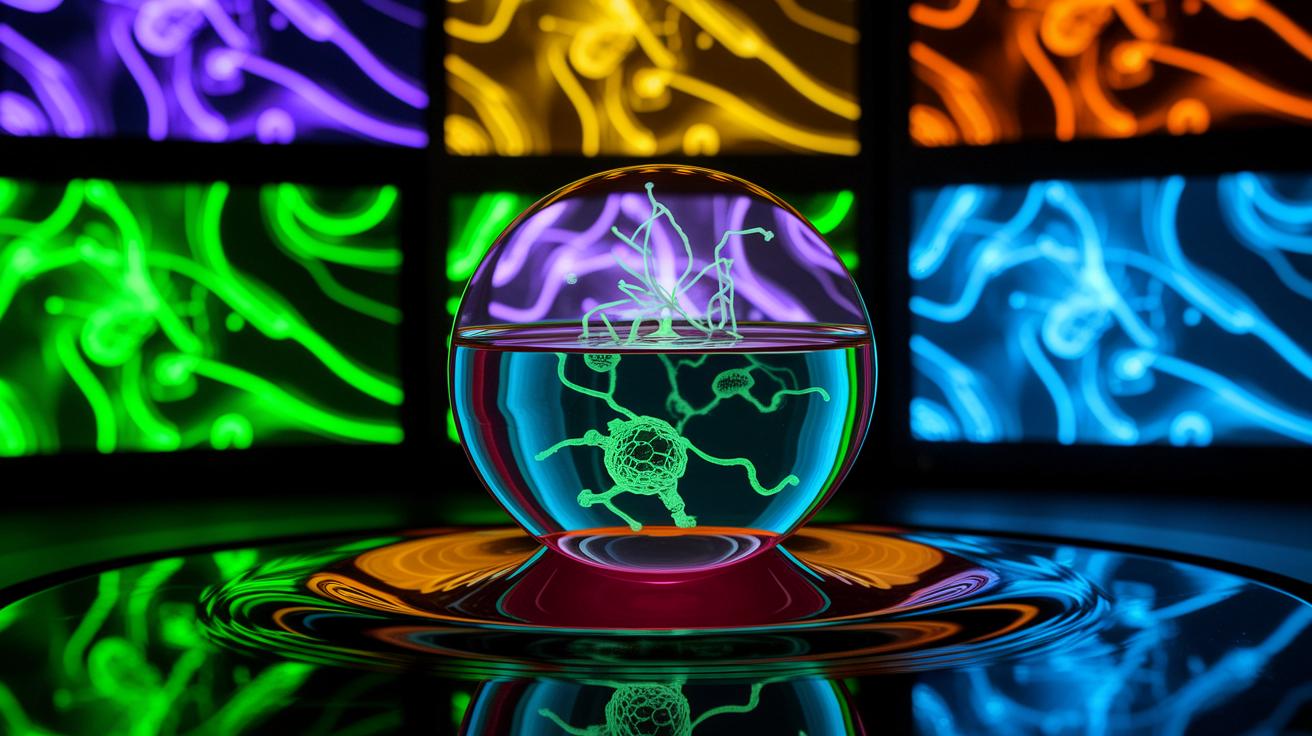
Imagine looking at a single drop of water and finding a hidden universe of tiny life forms. Harvard scientists used special glowing stains (fluorescent stains) and super-sharp cameras (ultrahigh-resolution imaging) to see details in microbes that most methods would miss. It's like uncovering secret parts of a miniature world with a burst of color and light.
At the "World in a Drop" photography exhibit, science meets art in a way that draws in everyone, even those who’ve never seen life up close. New lab chips (small devices that handle tiny amounts of liquid) let researchers watch how individual cells move and interact in real time. It’s almost like witnessing a miniature live show right under your eyes. If you’re curious to learn more, check out innovative scientific methodologies behind breakthroughs for a deeper look at these cool advances.
Using subcellular probe imaging (a way to see inside cells), scientists are now getting a glimpse into the busy lives of microbes. By mixing these techniques, they learn more about cell shapes and how cells work together, a blend of art and science that makes every new image or video a piece of a larger puzzle. And with each new discovery, more questions pop up about the mysterious small-scale world surrounding us.
Single-Cell and High-Throughput Sequencing Transform Microbial Profiling in Microbiology
Advanced computer methods are showing us surprising roles and actions in tiny microbe communities. Scientists use custom-built programs to pick up small signals and reveal energy patterns that older methods might miss. Did you know? Some single microbes do unique jobs that group studies never even catch, hinting at secret survival tricks in harsh places.
Mixing different sets of biological data can be tricky. Researchers now blend RNA instructions (the messages cells use) with full gene blueprints (all the genetic information) to get a clearer picture. This merging of data is at the heart of many new discoveries, deepening our grasp of how complex life works.
New techniques have uncovered strange behaviors in microbes that go beyond what we expected. Sometimes, a microbe in a quiet, seemingly inactive area can suddenly burst into energy, showing off its flexible survival tactics. Imagine a microbe deep underground lighting up with activity even when its surroundings are mostly asleep, it really makes you rethink what you thought you knew.
Modern computer systems now handle huge streams of gene data along with how these genes function. This combined approach gives us a much more real view of how microbes act in different environments.
| Technique | Unique Insight |
|---|---|
| Single-cell analysis | Reveals unexpected metabolic bursts |
| Computational integration | Solves challenges in blending diverse biological data |
Functional Microbiology Advances in Subsurface Microbial Study
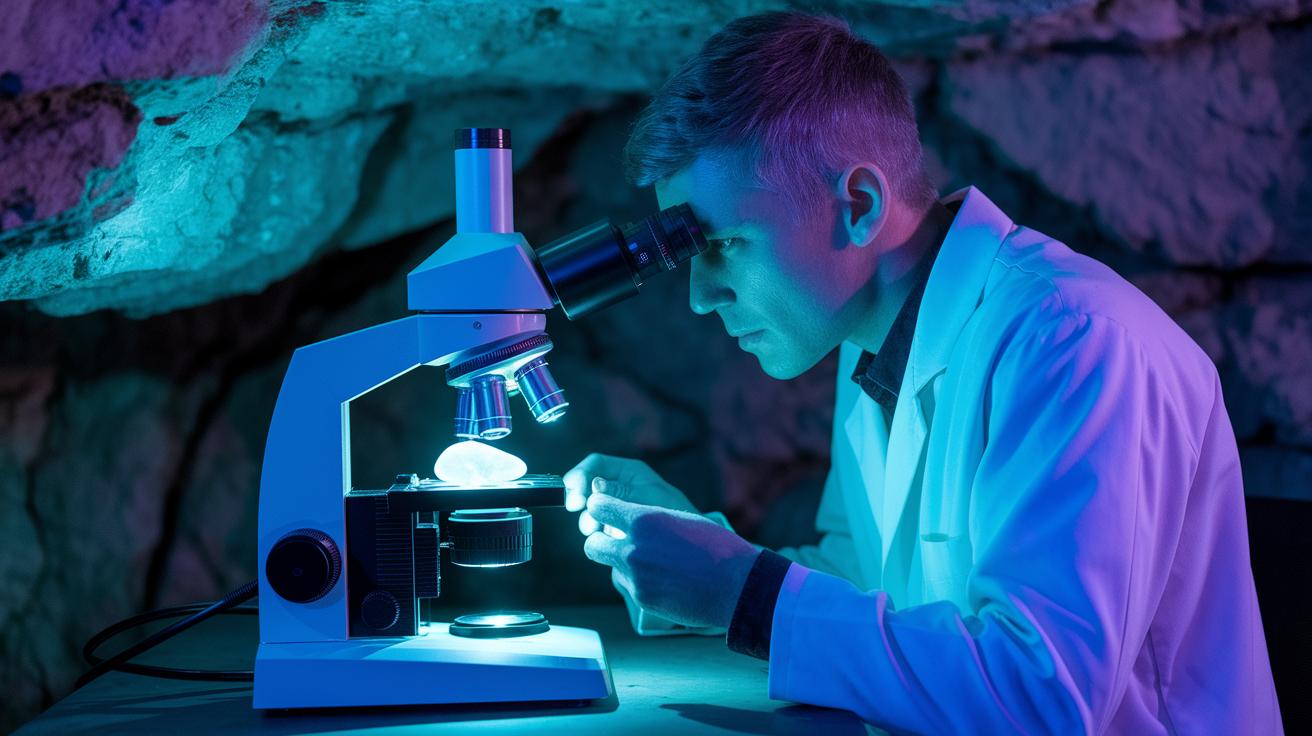
Scientists have been using cool new camera techniques and computer models to track how cells breathe deep underground. Their advanced microscopes can now pick up even tiny flickers of energy from single cells, like spotting the gentle pulse of life hidden in rock. For example, one study notes that a cell’s energy burst can vary by about 15% from its neighbor, showing just how different life can be even in the deep.
Instead of just looking at broad genetic data, researchers are zooming in on how cells use oxygen right where they live. This closer look reveals the many ways these microbes adjust their metabolism (how they turn food into energy) to survive underground. Even small shifts in the environment line up with bigger energy changes, offering new insights into how cells behave in these extreme settings.
Environmental Interactions and Impacts Revealed by Microbiology Innovations
New microbiology tools are letting us see just how much tiny organisms affect our world. Scientists now use clever methods to study how these little life forms change important chemicals like carbon and sulfur (building blocks for life). These approaches give us a new way to understand how microbe work keeps our climate balanced and our soil rich and healthy. Recent studies even hint that when nature changes quickly, the variety of these microbes might be getting smaller, which could tip nature off its balance.
Researchers are urging for full, combined surveys so we can keep a close eye on these microscopic communities. They mix field studies, lab experiments, and computer simulations to capture how nature’s pieces fit together. This work not only helps count the different types of microbes but also offers valuable clues to guide how we manage our environment in the future.
Key findings include:
- How the work of these tiny beings affects the natural cycles of nutrients around the globe
- Their part in keeping our water and air clean
- The risks that can come up if these microbe-based systems get out of whack
By tying these fresh insights into bigger picture ideas in ecology, scientists are looking to build better tools to protect and sustain our natural world. This research makes you wonder, “What could happen if a tiny shift in microbe activity leads to huge changes in our environment?” It’s a great reminder that even the smallest living things have a big role in shaping the world we live in.
Innovations in Microbiology Driving Microbial Diversity Preservation
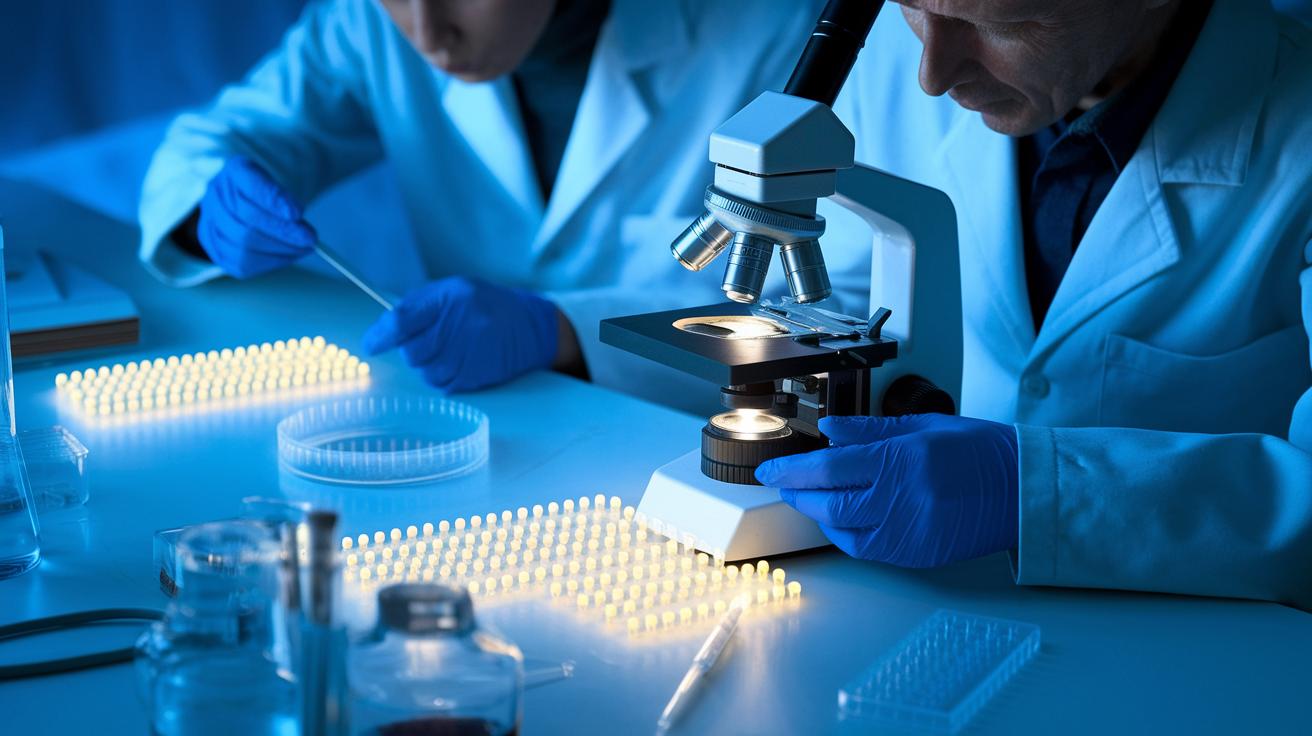
Scientists are getting more worried that many tiny life forms, called microbes, might vanish before we even get to know them well. New tools like DNA sequencing (a way to read an organism’s genetic code) and advanced imaging (methods to take really detailed pictures) are now used to count these species in soil, water, and even in the harshest places. One researcher put it nicely: in just one drop of pond water, there are hundreds of microbial species that we're only now starting to count and understand. This counting method not only shows us these small life forms clearly, but it also helps us notice changes in their numbers before they disappear.
Field studies mixed with lab work are creating teamwork between different experts to keep track of these microbes. People working on environmental clean-ups also use these smart tools to monitor and even bring back natural habitats. In many cases, counting all this tiny life gives scientists the clear information they need to protect these important species. By working together and sharing their findings, researchers are building a way to safeguard these little but mighty pieces of our world. Really, it’s about more than counting, it’s about saving life itself.
Final Words
In the action of exploring microbes, scientific tools like advanced imaging and high‐throughput sequencing have opened up vibrant insights into the hidden life beneath our feet. From tracking single cells to mapping environmental interactions, each step highlights how we can see what was once invisible. This article has shed light on breakthrough innovations in microbiology: unraveling unseen worlds, reminding us that everyday science has the power to transform our understanding and inspire new questions about life itself.
FAQ
What are the latest discoveries in microbiology?
The latest discoveries in microbiology reveal breakthroughs in imaging, sequencing, and functional assays that expose a wide range of microbial life impacting our understanding of environmental processes.
What are the newest microbiology technologies?
The newest microbiology technologies combine ultrahigh-resolution imaging, single-cell genetic sequencing, and microfluidic lab-on-chip platforms to analyze microbes at the cell level in both natural and challenging settings.
What are the innovations of microbiology?
The innovations of microbiology integrate advanced imaging techniques, high-throughput sequencing, and linking of gene content to cell function, which together provide fresh insights into microbial structure and activity.
What are the recent discoveries in microbiology 2025?
The recent discoveries in microbiology for 2025 focus on linking individual microbe gene data to activity rates, revealing unexpected diversity in subsurface environments and challenging old assumptions about microbial uniformity.