Have you ever wondered if there’s a quicker way to beat septic shock? It hits really fast while your body overreacts to an infection. New treatment methods are changing the game by using special, custom-made therapies just for sepsis. For example, computers can help find promising drugs and advanced machines can clean the blood (remove harmful substances). These fresh approaches may help lower complications and save more lives. In this article, we explore the surprising results and benefits these new ideas bring to treating septic shock in critical care.
Key Breakthrough Therapies for Septic Shock Management
Sepsis happens when the body goes into overdrive fighting an infection, and that can quickly hurt important organs. In the intensive care room, there’s no time to waste since every patient reacts in their own unique way. Experts from countries like Austria, China, France, Germany, Italy, Poland, Portugal, Spain, the UK, and the US are teaming up to beat this challenge. They’re moving away from the old one-size-fits-all methods toward treatments tailored to each patient. And with smart tools like AI (artificial intelligence, which means computer programs that learn and solve problems), promising new drugs are identified and developed faster than ever.
- AI-powered drug discovery: Clever algorithms sift through huge amounts of data to spot drugs that could target sepsis more precisely.
- Blood cleansing devices: These tools act like filters, removing harmful proteins from the blood to calm an overactive immune response.
- Specialized blood pressure drugs: Agents such as vasopressin receptor modulators help adjust blood pressure carefully, so the body isn’t overloaded.
- High-flow toxin removal: This approach uses rapid hemofiltration to clear away dangerous bacterial toxins, helping stabilize patients.
- Personalized antibody therapies: Custom-made antibodies work to match each patient’s unique immune response, making the treatment fit just right.
These innovative therapies are set to make sepsis treatment more precise and timely. Doctors can look forward to fewer complications and quicker recoveries. Early research shows that faster, more accurate treatment can save precious time and, ultimately, lives.
Immunomodulatory Mechanisms and Cytokine Regulation in Septic Shock Therapies
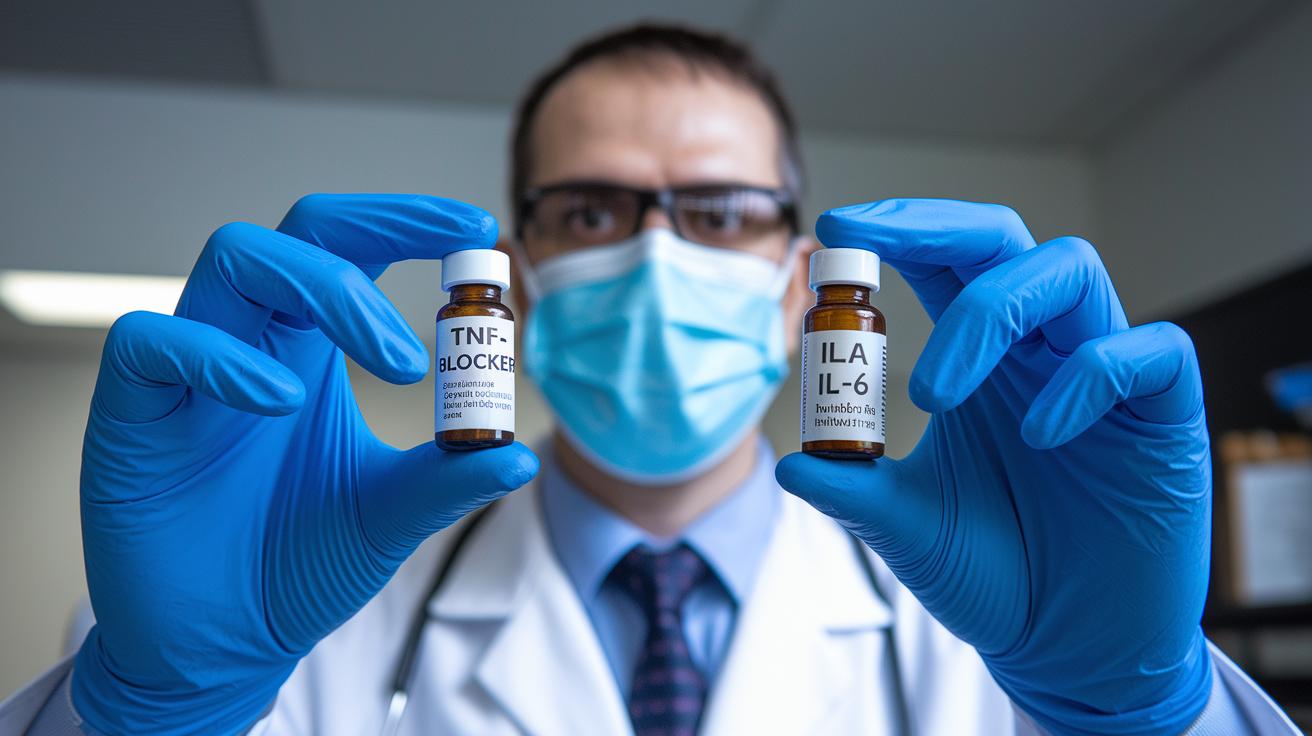
Septic shock kicks off when the body floods itself with inflammatory signals that spark a chaotic release of cytokines (chemical messengers that tell your body how to react). This overwhelming response can hurt organs more than the original infection itself. Researchers are now leaning towards more precise methods that adjust the immune system right when it starts to go into overdrive.
One hopeful approach involves using drugs like TNF-α blockers and IL-6 inhibitors. These treatments work by latching onto the excessive inflammatory molecules and neutralizing them, kind of like using a specific key to stop a runaway engine. In early studies, personalizing the dose based on a patient’s unique markers has helped reduce the need for extra blood pressure support and lessened organ damage. It’s an encouraging step toward balancing the immune response and giving patients a better shot at recovery.
Innovative Pharmacologic Agents for Septic Shock: Experimental Drug Compounds
Scientists are giving old medicines a fresh twist to tackle septic shock. They’re finding ways to reuse drugs so they both kill bacteria and calm an overactive immune system at the same time. Researchers are also checking out new compounds that were once used for other illnesses but now seem promising for treating sepsis. By mixing repurposing methods with new discoveries, they’re uncovering tiny molecules that might work faster and better than before.
Right now, lab teams are busy testing three main types of treatments. First up are modern molecular inhibitors that target key pathways like NF-κB and JAK-STAT (these are cell signaling routes that help control inflammation). They help turn down the signals that cause harmful swelling in the body. Next, scientists are exploring bioengineered defense agents, such as synthetic peptides (lab-made short proteins that copy natural ones), which could safely manage the immune response. Lastly, engineered antibodies are under study for their ability to lock onto and neutralize toxins released by invading germs, acting as precise toxin busters.
Early tests in animal models show promising results. These experimental drugs help reduce organ damage and boost survival rates. Preclinical studies (research done before human trials) suggest that such treatments could lower long-term risks and speed up recovery for very sick patients. In truth, this smart blend of targeted drug action and thoughtful repurposing is not only paving the way for safer septic shock medicines but also offering more personalized and effective treatment choices as research moves forward.
Precision Diagnostics and Rapid Microbial Detection for Septic Shock Management
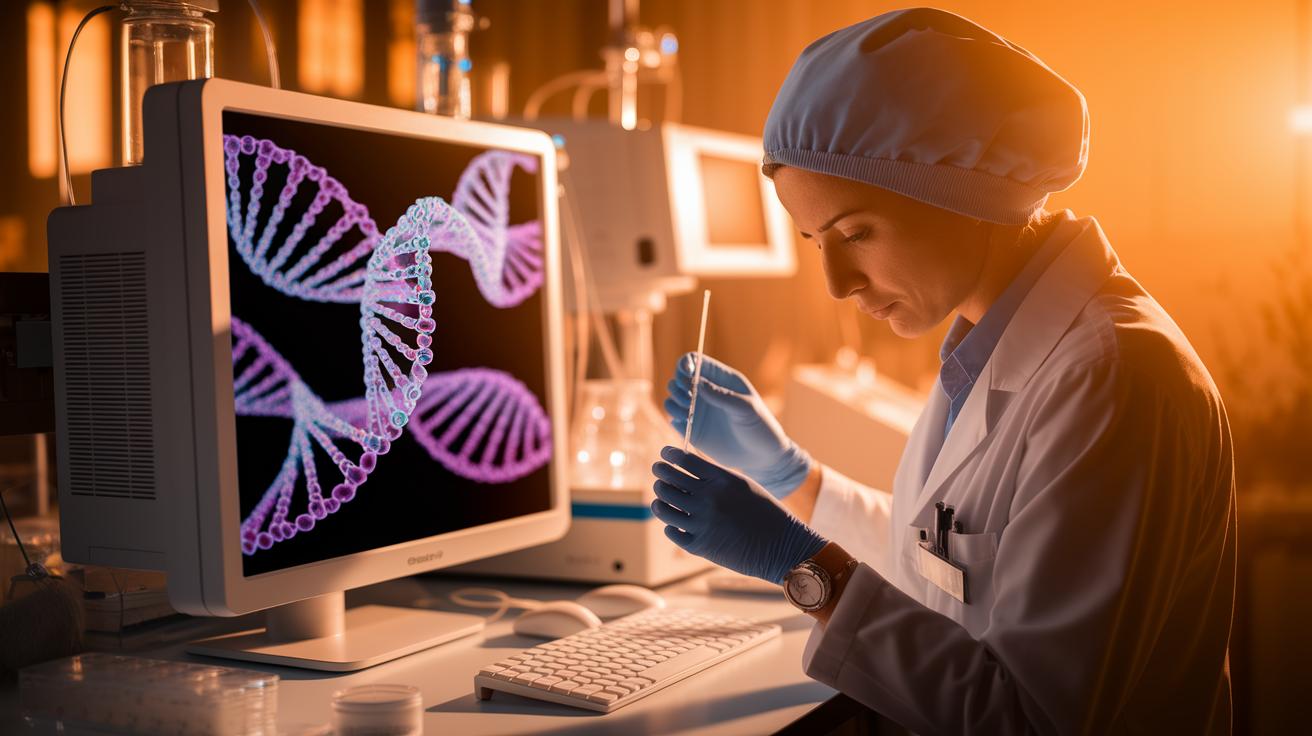
When it comes to treating septic shock, every minute counts. Quick tests can literally be the difference between life and death. Finding the right germ fast cuts waiting times by almost 20–30%. Imagine how much better it feels when doctors can pinpoint the infection and start the right treatment right away. I read that using advanced molecular tests early on can trim treatment delays by roughly one-third.
Tests like multiplex PCR (a method that copies and finds DNA from germs) and next-generation sequencing panels (a deep look into the genetic makeup of microbes) can spot the bad guys in less than 90 minutes. This helps the healthcare team choose treatments that work best. Researchers are also exploring biomarkers like procalcitonin and presepsin (signals in the body that hint at infection) to better figure out who is at risk. Plus, new imaging tools, such as near-infrared spectroscopy and handheld devices, give doctors a real-time view of how blood moves through tiny vessels right at the bedside.
By adding these smart diagnostic tools into busy intensive care units, patient care is getting a solid boost. With smoother processes and digital tech that analyzes data in real time, sepsis care is becoming quicker and more precise. This means doctors can adjust treatments faster, which can lead to higher survival rates and fewer complications in tough, critical care moments.
Advanced Hemodynamic Support and Extracorporeal Techniques in Septic Shock Management
Sometimes, the usual fluids and blood pressure medications don’t offer the careful control needed when managing blood pressure in septic shock. These treatments can lead to too much fluid in the body or sudden changes in blood flow that put patients at risk. For example, a patient’s blood pressure might suddenly spike, making it harder for their body to keep up. This shows why we need ways to stabilize circulation more precisely.
Mechanical help like ECMO (a system that oxygenates blood outside the body when the heart and lungs are tired) and high-volume hemofiltration (a process that cleans the blood by removing waste and toxins) can address these issues. These methods can be combined with fluid and metabolism plans that have been linked to a 15% drop in sudden kidney injuries. It’s pretty impressive how these tools can ease the burden on struggling organs.
New approaches with special blood pressure drugs and real-time monitoring of tiny blood vessels are also promising. Medications such as selepressin work by targeting specific receptors to gently adjust blood vessel tightness without causing major side effects. At the same time, using monitors that check the smallest blood vessels lets care teams fine-tune fluid and medication doses based on a patient’s response. This blend of careful medication use and mechanical support helps keep tissues healthy and the body balanced.
Clinical Trial Milestones Driving Septic Shock Management Innovations

New clinical trials are showing promising results in the fight against septic shock. In recent Phase II/III studies, patients experienced a 10 to 15 percent improvement in survival when doctors used special devices that remove cytokines (little proteins that help control immune responses) along with new drugs that help maintain blood pressure. One study even showed a 12 percent boost in survival, proving that even small changes in treatment can make a big difference.
Flexible studies from hospitals in ten different countries have also deepened our understanding of septic shock care. This global teamwork brings together people from different backgrounds and uses smart trial methods that let researchers adjust treatments on the fly. As a result, intensive care units are constantly updating their practices with the latest research.
Health regulators are playing a big role in getting these breakthroughs from the lab to the bedside. Early safety reports suggest that the new drugs, which help control the immune system, have manageable side effects. Fast-track paths like the FDA Breakthrough Therapy designation have sped up approvals, meaning these new ideas can reach patients faster. Together with ongoing research, this regulatory boost is paving the way for these innovations to become standard care for those facing septic shock.
Final Words
In the action, our article took a close look at advanced diagnostics, targeted immunomodulators, experimental drugs, and refined hemodynamic support systems that are reshaping care for septic shock. We discussed early intervention, international trial success, and the critical role of personalized treatment in improving patient outcomes.
By embracing breakthrough therapies for septic shock management, these evolving strategies offer a promising future for patient care and inspire ongoing scientific conversation.
FAQ
What are the key breakthrough therapies for septic shock management?
The key breakthrough therapies include AI-driven novel compound identification, extracorporeal cytokine adsorption devices, selective vasopressor analogs, high-flow hemofiltration, and personalized monoclonal antibody therapies to improve patient outcomes.
How do immunomodulatory mechanisms and cytokine regulation contribute to septic shock treatment?
Immunomodulatory mechanisms work by blocking harmful cytokines (messenger proteins) during a cytokine storm, helping to balance the immune response and reduce inflammation and organ damage.
What emerging pharmacologic agents are being developed for septic shock management?
Emerging agents include repurposed drugs, small-molecule inhibitors targeting key inflammatory pathways, synthetic peptides, and engineered antibodies designed to neutralize detrimental endotoxins and reduce organ injury.
How does precision diagnostics and rapid microbial detection improve septic shock outcomes?
Precision diagnostics use advanced PCR, next-generation sequencing, and biomarker assays to quickly identify pathogens, enabling targeted therapy that shortens time to treatment and increases survival rates.
What advanced hemodynamic support and extracorporeal techniques are used in septic shock management?
Advanced hemodynamic support includes the use of ECMO, high-volume hemofiltration, and novel vasopressors, which work together to stabilize circulation, improve microvascular flow, and reduce complications.
How have clinical trial milestones advanced septic shock management?
Clinical trials have demonstrated survival benefits from cytokine adsorbers and novel vasopressors, while adaptive international studies have streamlined drug approval processes and improved ICU protocols.