Have you ever wished for a pain reliever that doesn't rely on risky opioids? New breakthroughs in treatments are changing how doctors care for patients in really exciting ways. Researchers are exploring fresh methods to ease pain (techniques that help reduce discomfort) that work as well as older drugs but come with fewer side effects. They're even trying gene therapies (treatments that fix tiny errors in your DNA) to help your body heal in a smarter way. In this post, we'll take a look at these advances and see how they're letting doctors treat patients more quickly and safely. These aren’t just new ideas, they're important steps toward better, more personalized care for everyone.
Major Medical Breakthroughs Shaping Patient Care in 2025
Medicine is changing fast with new discoveries that help doctors treat patients better than ever. This year, we’ve seen smart solutions for pain relief, fresh gene editing methods (tools that fix small errors in your DNA), and faster ways to diagnose illnesses. These advances come from many years of research and offer treatments that are quicker, safer, and tailored just for you.
Take Journavx, for example. It is the first painkiller that doesn’t use opioids and has been tested on 2,000 patients. It works just as well as familiar drugs like hydrocodone and paracetamol but brings fewer side effects and no risk of addiction. Then there’s Baby KJ, which became the first patient to receive CRISPR therapy (a technique that edits genes to fix problems) for a liver enzyme disorder, restoring normal liver function. Roche has also introduced a new method called Sequencing by Expansion that boosts the accuracy of reading genomes and cuts costs, all in just 24 hours. And EssilorLuxottica’s Stellest lens, approved this year, has shown it can slow down the worsening of nearsightedness in children by about half.
Each of these breakthroughs is changing the way care is given. Better pain management can lead to fewer complications after surgery, while precise gene therapies open up new hope for fixing genetic issues early. New diagnostic tools help doctors decide on treatments more quickly and correctly. All in all, these steps are building a healthcare system that truly puts patients first.
Clinical Medical Breakthroughs: Non-Opioid Painkillers and mRNA Vaccines
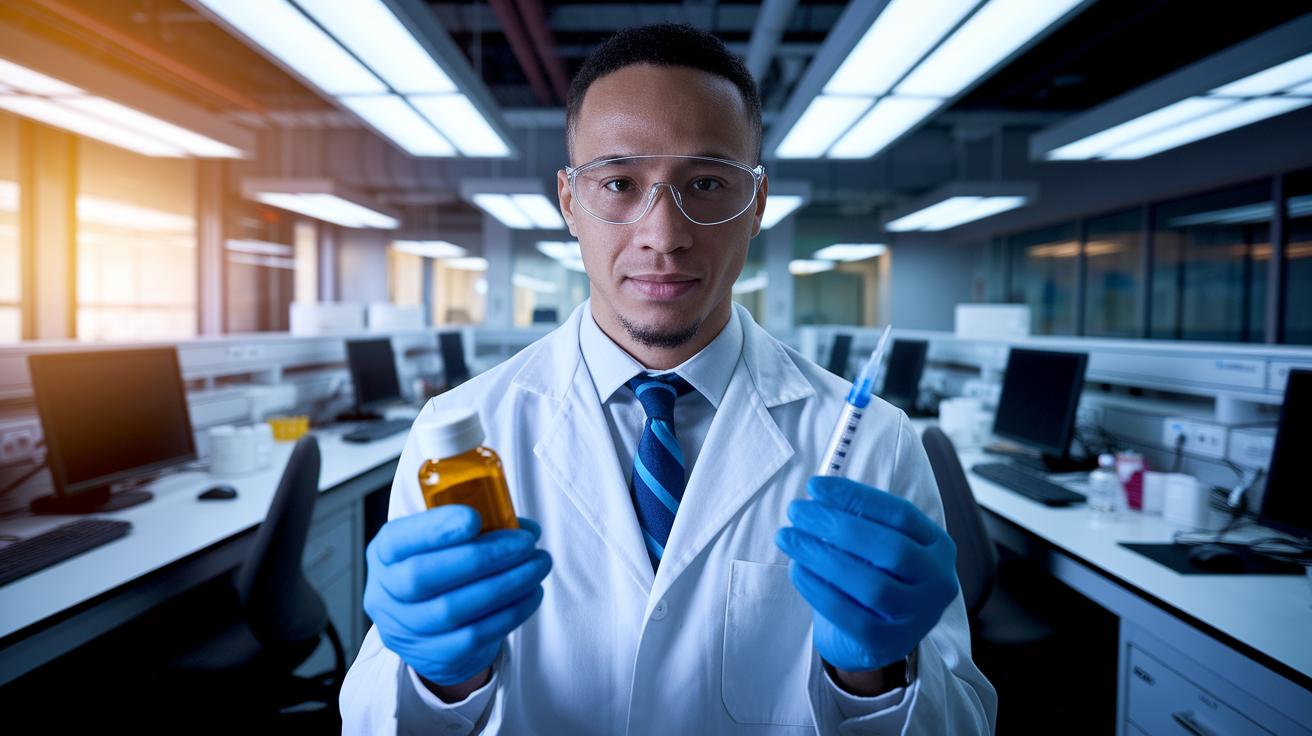
Scientists have been making exciting strides in finding better treatments for patients. In one study, 2,000 people tried Suzetrigine, a new pain reliever that doesn't rely on opioids. This drug worked just as well as common medications like hydrocodone and paracetamol. Even better, it caused fewer side effects and had little risk of addiction. At the same time, the mRNA vaccines that first helped us fight COVID-19 are now being explored for other diseases like the flu, RSV (a virus that causes breathing problems), and even some cancers.
| Therapy | Year | Phase or Approval | Key Outcome |
|---|---|---|---|
| Suzetrigine | 2025 | Phase 3 Trial | Non-inferior to traditional painkillers, fewer side effects |
| mRNA Vaccines | Launched 2020 | Nobel Recognition & Ongoing Trials | Effective against COVID-19, now expanding to other diseases |
These breakthroughs are quickly changing how doctors approve and use new treatments. Regulatory agencies are speeding up the process while still keeping safety in check, which means patients can get advanced care sooner. With these non-opioid painkillers, doctors can manage pain after surgery without relying on stronger drugs that come with bigger risks. And the new trials with mRNA vaccines hold the promise of wide-ranging protection against more illnesses.
All in all, these developments mark the start of a new era in medicine. They could mean fewer complications, quicker recoveries, and a much better quality of life for people everywhere. Isn't it amazing to see how science is working to make our lives healthier and safer?
Gene Editing Breakthroughs in Medicine
Gene editing isn’t just a lab experiment anymore, it’s now making a real difference in patient care. Scientists use a tool called CRISPR, which works like a pair of molecular scissors to snip out small errors in our genes, and they’re testing it in clinical trials. These trials are helping people with conditions such as sickle cell disease (a blood disorder that makes red blood cells misshapen), beta-thalassemia (another kind of blood disorder), and various eye problems. Imagine fixing a serious genetic issue with just a tiny change in our DNA. CRISPR is showing us that this future might not be far off.
First In Vivo CRISPR Therapy Case
In a groundbreaking treatment, Baby KJ received her first CRISPR therapy inside her body. Instead of taking cells out for editing, doctors used a specially designed virus (a safe delivery tool) to bring the CRISPR system straight to her cells. The treatment focused on the CPS1 gene, which normally helps the liver change toxic ammonia into harmless urea. And here’s the surprising bit: within just a few months, Baby KJ’s treatment fixed her enzyme deficiency, easing her liver’s burden and cutting down dangerous ammonia levels.
After a 12-month check-up, it was clear that Baby KJ had made impressive progress. Her ammonia levels stayed within a healthy range, and she reached important developmental milestones. This case not only shows how gene editing can quickly correct harmful enzyme problems, but it also paves the way for future therapies that target many other genetic conditions.
Genomic and Diagnostic Medical Breakthroughs
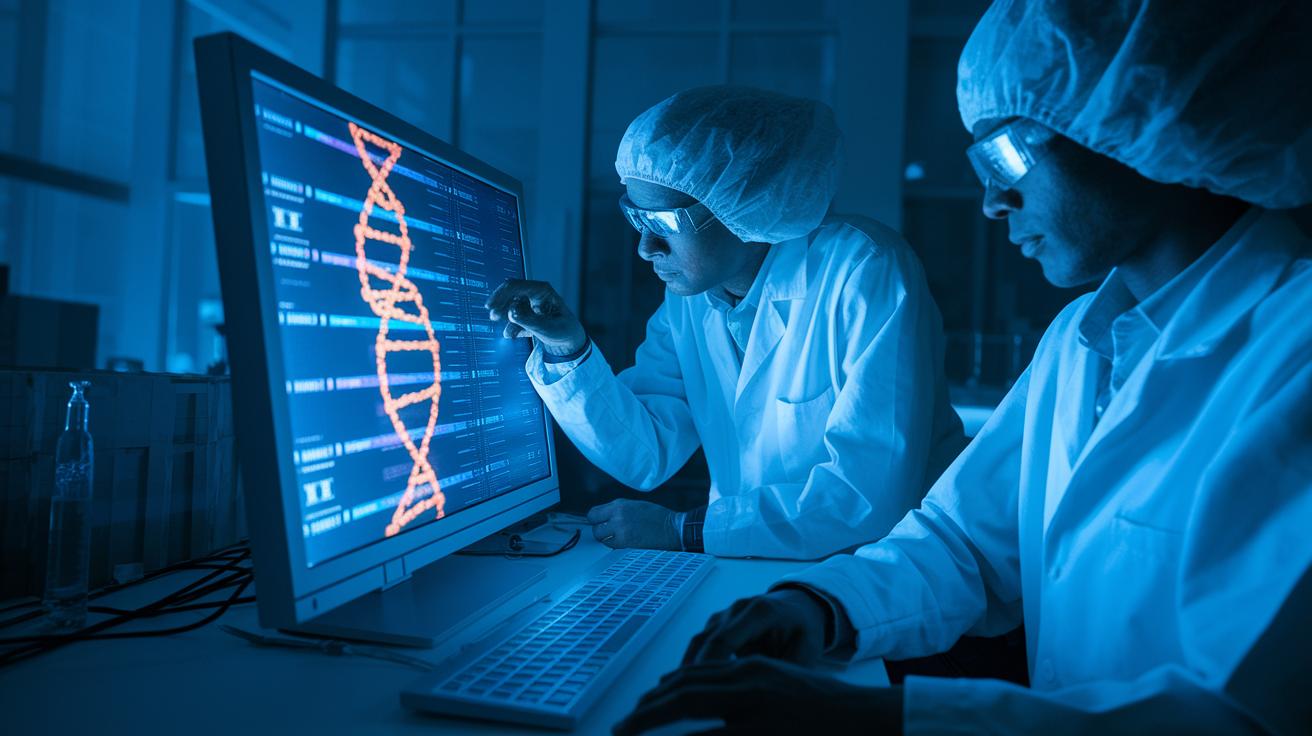
Modern genomic technology is changing the way we spot and treat diseases. Roche’s SBX sequencing uses Xpandomers (big DNA structures) to deliver a complete genome in just 24 hours. This method not only speeds things up; it also boosts reading accuracy by 30% and cuts costs per genome by 20%.
- 30% boost in sequencing accuracy
- 20% reduction in sequencing costs
- Complete genome assembled within 24 hours
New diagnostic tools are also shaking up healthcare. CRISPR-based tests (quick tools for gene editing) and portable nanopore devices (tiny machines that read DNA) now let us diagnose infections in less than an hour instead of days. These innovations work together with Roche’s genomic advances, making it easier for doctors to make faster, smarter decisions.
Did you know? Before modern genomic analysis got this fast, Roche’s team transformed a process that took 24 hours into one that takes only a few hours. This breakthrough shows how quickly doctors can now get the information they need to help patients. By combining cutting-edge genome analysis with new diagnostic tools, we’re on a clear path to quicker treatments and better care.
Medical Device and Surgical Breakthroughs
Stellest is a new type of eyeglass lens that got FDA approval in 2025. In simple early trials, it helped slow down the worsening of nearsightedness in kids by about half. Just think of it like this: a child goes through school with clearer, steadier vision every day, without having to change their prescription over and over. This is a fresh way to deal with nearsightedness, letting kids enjoy daily activities without constant eye checkups.
3D printing is also shaking up surgery by offering custom solutions for each patient. Surgeons now use 3D printing to make special tissue supports (think of them as tiny build-a-piece puzzles) for reconstructive surgery. Each implant fits just right with the patient’s own body, which helps the healing process and keeps everything working naturally. With custom-made prosthetic implants that match each individual's needs, patients get better surgical outcomes and can get back on their feet quicker. This progress is a big step forward in biomedical engineering, giving doctors new and powerful ways to help restore health and improve lives.
Digital Medical Breakthroughs: AI, Telehealth, and Remote Monitoring
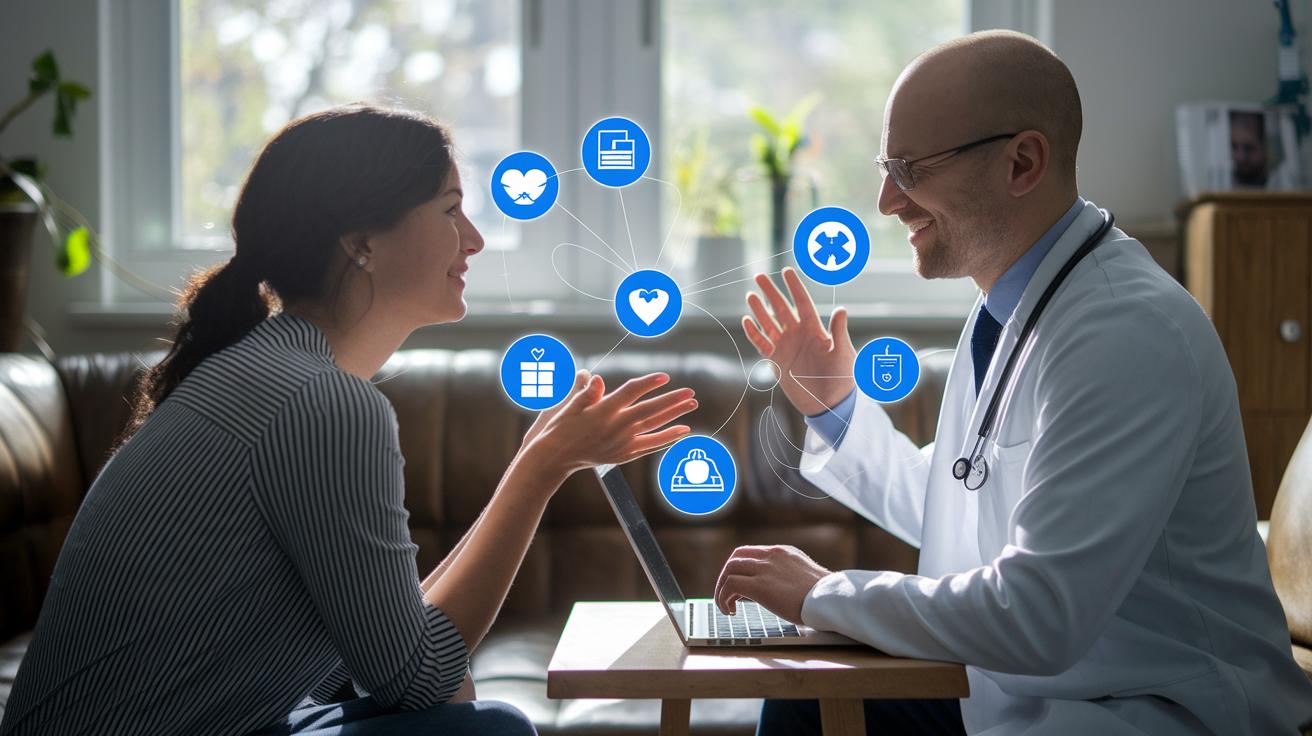
Virtual doctor visits have soared by 300% since the COVID-19 pandemic. People can now talk to health professionals from their own homes, making it much simpler to handle long-term health issues and get help from specialists. It’s almost like having a doctor's appointment without leaving your living room.
New AI tools are lending a hand to busy medical staff. These smart systems quickly go through patient records, suggest possible diagnoses, and even put together care plans tailored for each person. Imagine a doctor receiving a brief summary of your health history right when they need it. This way, they can spend more time caring for you.
Wearable monitors are getting a big upgrade too. Modern photoplethysmography (PPG) sensors (tiny devices that use light to measure your heart health) now check blood pressure almost as accurately as traditional cuffs. It’s like having a mini clinic on your wrist, offering real-time updates that let you and your doctor know if anything suddenly changes.
AI-powered platforms are also reworking how hospitals handle records and billing. By automating routine jobs, these systems free up medical staff to focus more on patient care. Ultimately, this shift helps ease the workload for healthcare professionals and speeds up the time you get the help you need.
Future Medical Breakthroughs: What’s on the Horizon
Nanorobots might just change how we get our medicines. These tiny machines, small enough to travel inside our blood, are set to start tests with people by 2027. They work by releasing drugs right at the spot that needs healing, like a tumor or a damaged area. Imagine a teeny robot zipping through your veins on a special mission. Pretty cool, huh?
Patient-specific stem cell and organoid models bring another spark of hope. By 2030, scientists plan to use mini lab-grown organs and tissues to help fix parts of the spinal cord or even repair heart tissue. Think of it like using your own cells to build a custom repair kit for your body. This personalized approach could mean treatments that fit you like a glove.
Digital twins of human physiology are also making their way into future care. These are virtual models that mimic how our bodies work. With them, researchers can test different drugs on a computer model of you (without any trial and error on real people) to see how your body might react. It’s much like running a quick simulation on your computer, helping to design treatment plans that are just right for you.
Final Words
In the action, we witnessed science advancing patient care from non-opioid painkillers and gene editing therapies to next-gen diagnostics and personalized surgical tools. Each section explored novel treatments, faster tests, and digital solutions that improve everyday medical practices.
These medical breakthroughs not only ease patient care but also spark lively discussions and curiosity among science enthusiasts. The progress we see today promises a healthier, more connected future for everyone.
FAQ
What does “medical breakthroughs meaning” mean?
The term medical breakthroughs means significant advances in research or treatment that dramatically change patient care and open new ways to tackle complex health issues.
What are some major medical breakthroughs in history and over the last 5 years?
Major medical breakthroughs span early vaccine innovations to recent gene therapies like CRISPR. They include advances in non-opioid painkillers and fast genomic methods that have transformed patient care.
What is the latest breakthrough in medical research?
The latest breakthrough in medical research features innovative non-opioid painkillers, such as Suzetrigine, and cutting-edge genomic sequencing techniques that improve treatment speed and safety.
How are medical breakthroughs shaping treatment by 2025 and beyond?
Breakthroughs by 2025, including advanced gene editing and state-of-the-art diagnostics, are personalizing care and speeding diagnosis, ultimately leading to improved patient outcomes.
What has been the greatest breakthrough in medicine?
While opinions vary, many see targeted gene therapies and innovative diagnostics as the greatest breakthroughs because they have fundamentally improved treatments and saved countless lives.
What are the biggest medical breakthroughs predicted for 2026 and 2030?
Predicted breakthroughs for 2026 and 2030 include nanorobots for targeted drug delivery, patient-specific organoid models, and digital twin simulations that streamline personalized care.
Are there any notable breakthroughs from Harvard?
Notable breakthroughs from Harvard involve pioneering gene therapy research and translational methods that convert lab discoveries into real-world treatments, enhancing patient care across disciplines.
How do recent digital and surgical innovations fit into modern medical breakthroughs?
Recent digital and surgical innovations—like AI-powered diagnostics, telehealth improvements, and custom 3D-printed implants—modernize care by speeding treatment, reducing risks, and personalizing surgical outcomes.