
Ever think about how a warmer climate might change our daily routines? In California, hotter days and tougher wildfire seasons aren’t distant ideas, they’re part of our everyday life now. Neighbors are stepping up, using simple tools to notice changes in their surroundings. These local actions show that even small steps can help us take on big challenges. Read on to see how communities are uniting to confront climate change and make a real difference right where they live.
Key Impacts of Climate Change in California Today
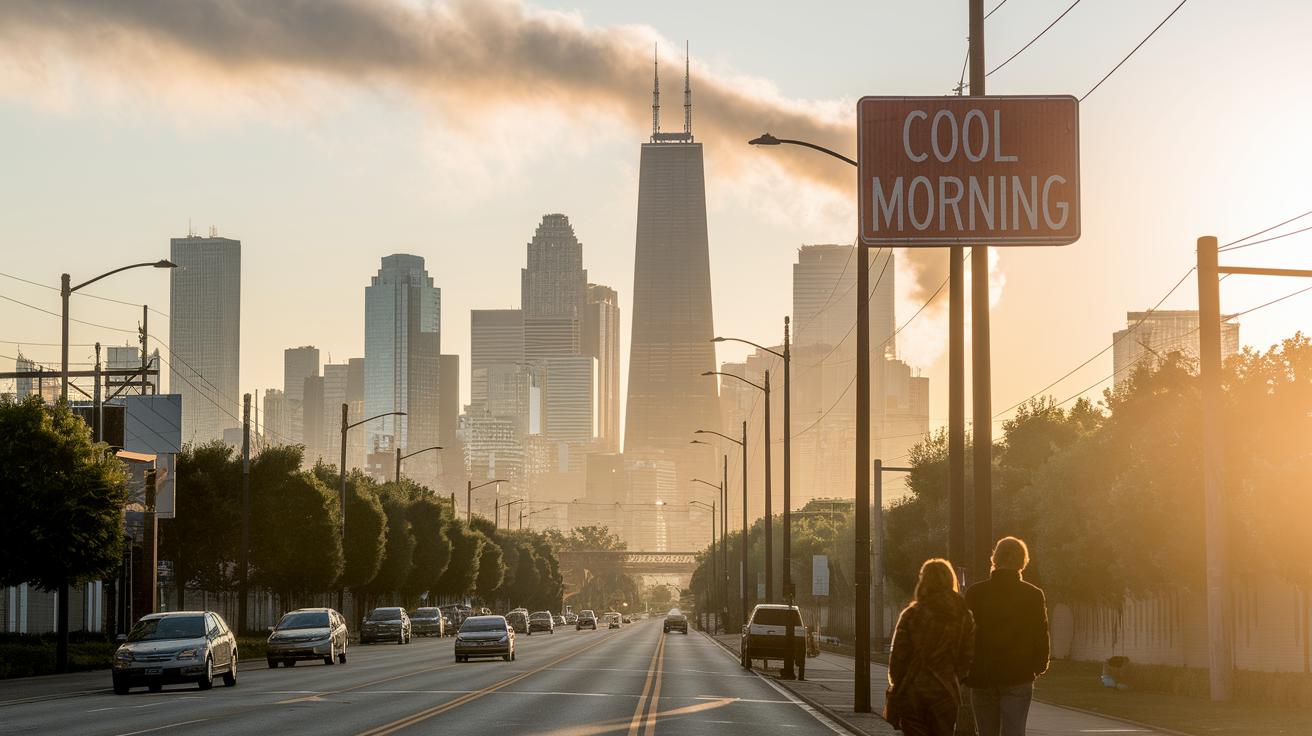
For over fifty years, human actions like releasing too many greenhouse gases (the chemicals that trap heat) and cutting down forests have warmed up California. We now see clear changes: rising temperatures, shrinking water supplies, poorer air quality, and more frequent big wildfires. Imagine average daily temperatures going up by 5.6°F to 8.8°F by 2100! That might sound distant, but it can really affect our everyday lives, from our comfort to our health. Think about one city where people once enjoyed cool mornings but now face summers nearing record highs.
The air is also taking a beating. Warmer weather makes it easier for harmful pollutants (bad particles in the air) to form, which can cause breathing problems, especially for those more vulnerable. Meanwhile, water scarcity is becoming a serious challenge. With fewer water supplies, farming, households, and even local wildlife are feeling the impact. Wildfires have grown more common too. Fueled by dry plants and strong winds, these fires now ripple through communities, posing risks like burns, smoke problems, and long-term stress.
Local communities are stepping up by using data to track these changes. Many rely on real-time apps that answer simple questions like “what is climate change” and “how does it affect us” to stay informed about the latest trends. This hands-on, data-driven approach helps everyone understand just how big this problem is.
Studies also tell a worrying tale. For instance, a projected five-foot rise in sea level could flood the homes of about 500,000 residents. This isn’t just a number, it’s a real call to action. By looking closely at these trends and figures, communities can plan better, reduce harmful emissions, and build the strength needed to face climate challenges. Isn’t it striking to realize that climate change isn’t a distant issue, but something that is reshaping California right now?
Wildfires and Intensifying Fire Risk under California’s Climate Change
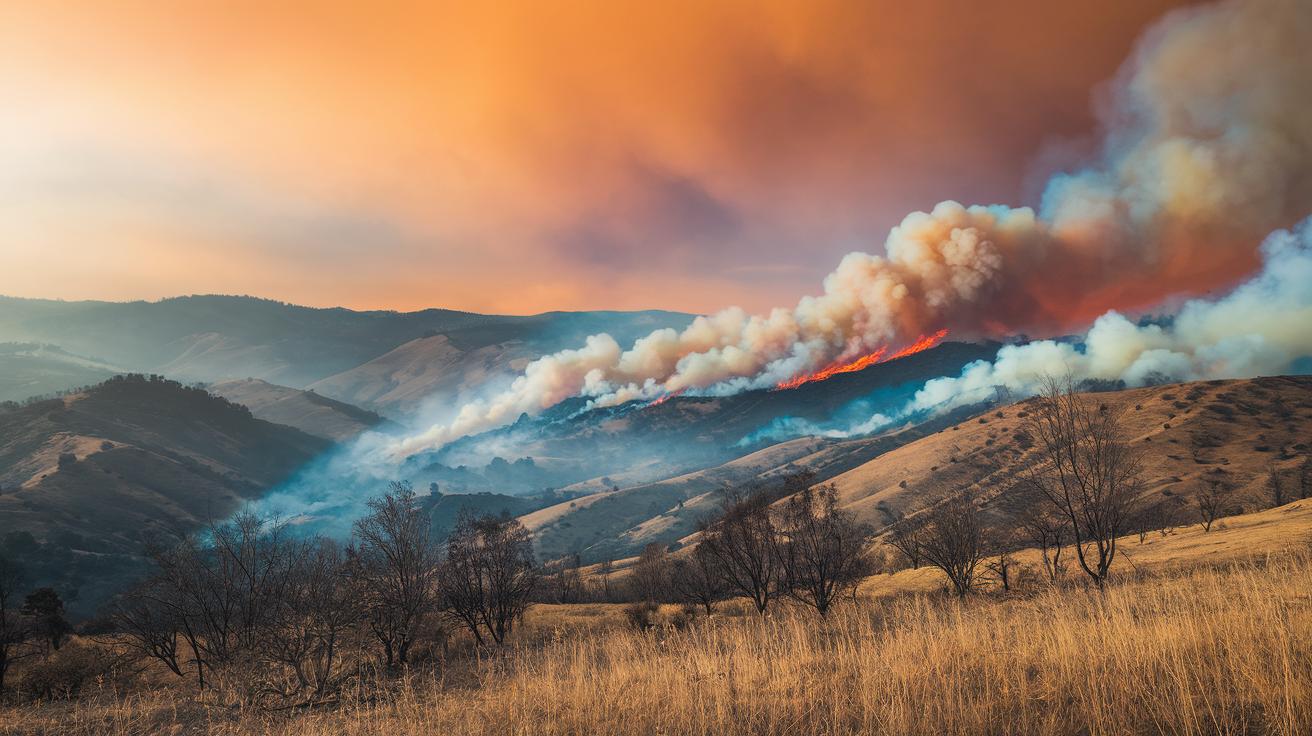
In California, wildfires are getting worse. Rising heat, strong winds, and dry plants create the perfect recipe for fires to spread quickly. The extra heat dries out nature and makes it easier for fires to catch and spread. People face serious risks like burns from the flames, breathing in harmful smoke, and even long-lasting emotional stress from repeated evacuations.
Local communities see different fire risks in different areas. The type of plants, the shape of the land, and days marked with red-flag warnings all add to the danger. Often, wildfires damage important buildings, disrupt emergency responses, and put a strain on local health services.
| Key Driver | Impact |
|---|---|
| Warmer temperatures | Makes plants dry out faster |
| Stronger winds | Fan flames and help fires spread |
| Low humidity | Reduces natural moisture |
| More red-flag days | Warn of extreme fire danger |
| Dry vegetation buildup | Acts like fuel for fires |
All these factors mix together to create an environment where wildfires start easily and behave unpredictably. Communities now rely on smart fire prevention strategies and real-time monitoring to keep everyone safe. Local officials continue to push for new approaches to reduce damage and better prepare neighborhoods for the growing risk brought by California’s changing climate.
Prolonged Drought and Water Scarcity Challenges in California’s Changing Climate
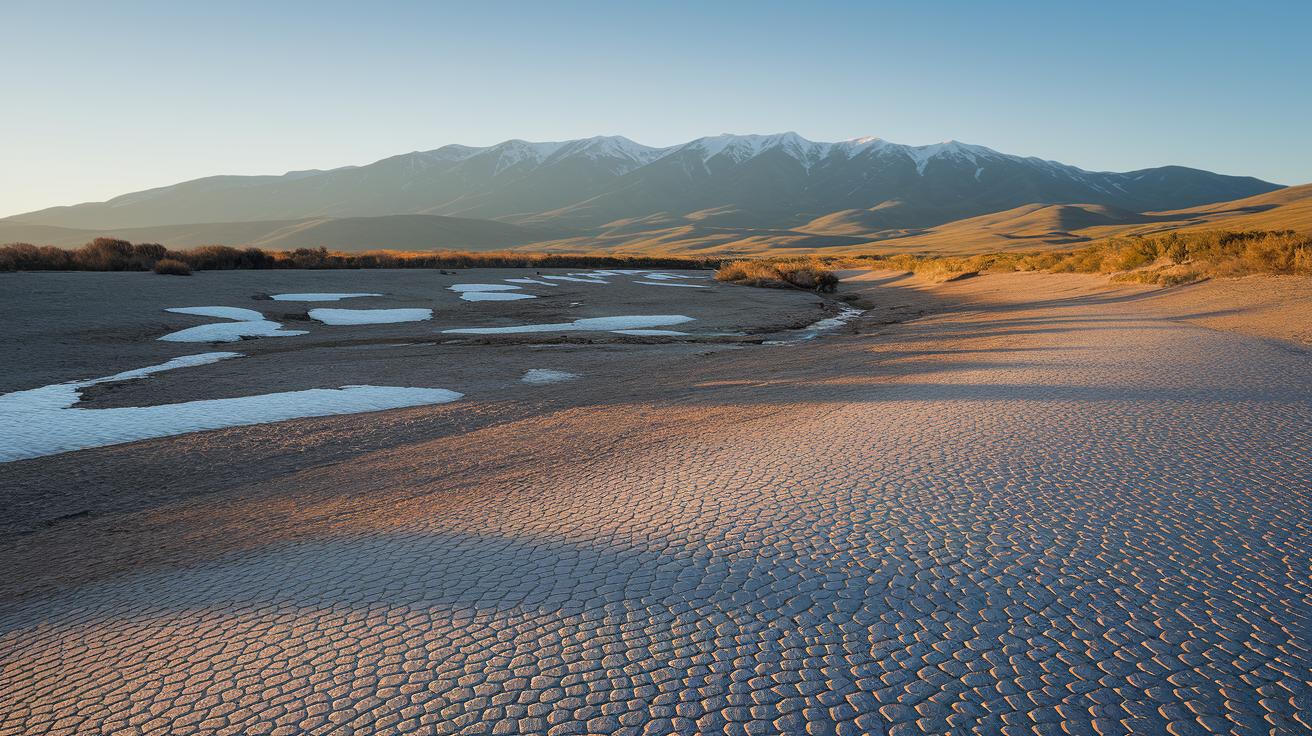
Right now, California is in the middle of an unusually dry spell that experts call a megadrought, the driest period in 1,200 years. The snow in the mountains is melting less than it used to, which means there’s less water feeding into our lakes, rivers, and groundwater (water stored naturally under the ground). With less snowfall, even the water that fills our underground stores is running out, making life tougher for many communities.
This shrinking snowpack hurts our surface water supplies and weakens the natural process that refills our aquifers (hidden water tanks under the earth that we rely on for drinking, farming, and daily life). As more water is needed in homes and on farms, the risk of drought is expected to grow from 2020 to 2060. In simple terms, if we take more water than nature can replace, the problem only gets worse.
A few things add up to these water challenges:
- Hot weather speeds up water evaporation.
- Less snowfall means fewer natural water reservoirs.
- Growing water use in farms and cities puts extra pressure on supplies.
Imagine trying to fill a bucket that has a slow leak. As the leak worsens, even adding more water won’t make up for what’s lost, leaving little for everyday use. We need smart drought management strategies that focus on saving water and balancing our use with nature’s supply.
Sea-Level Rise Projections and Coastal Erosion in Climate-Impacted California
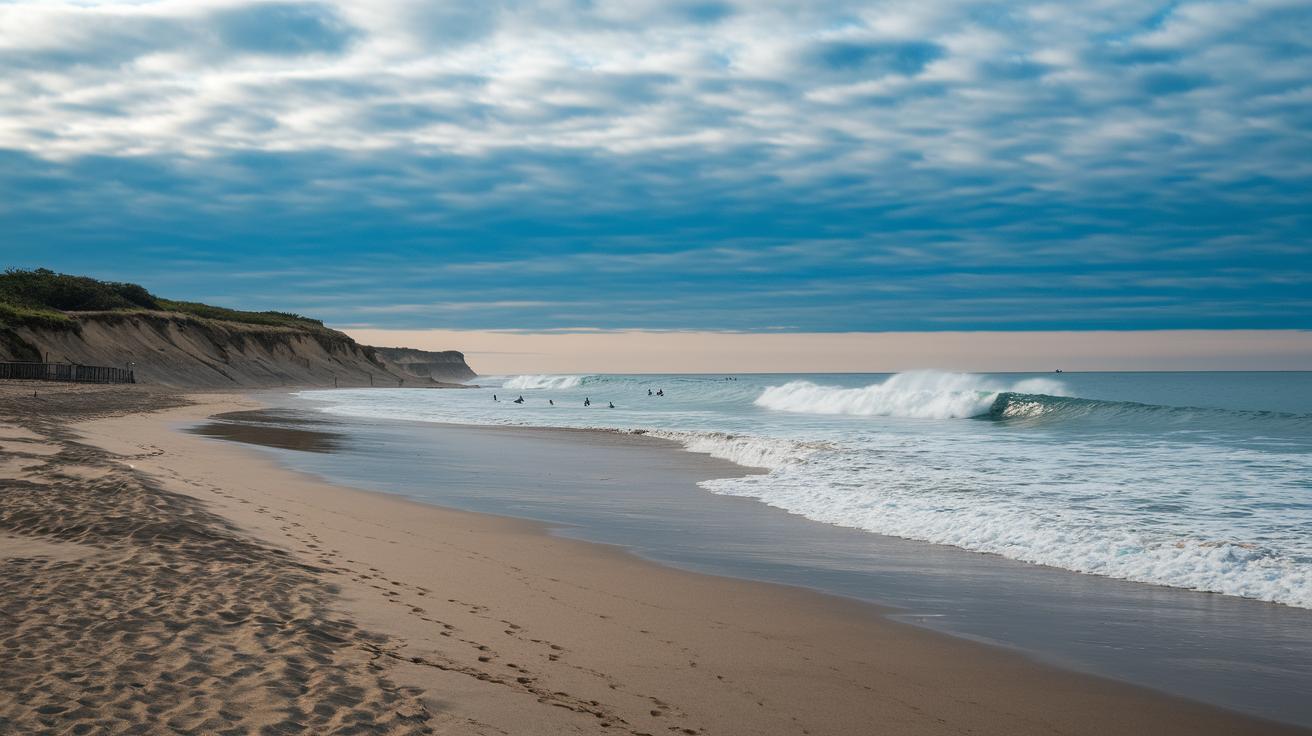
California’s coastlines are in real danger because of rising sea levels. As glaciers and ice sheets melt, they add water to our oceans, and experts say that by 2100 our seas might rise nearly 5 ft. That means areas once safe could start flooding during high tides, and the shorelines could wear away. Imagine standing on a beach and noticing that your favorite spot is now at risk during storms. Local residents and officials are already chatting about ways to protect homes, roads, and parks from these changes.
Even a small rise of 1 ft can start to shift things around, affecting delicate coastal habitats and buildings. With a 3-ft increase, more and more folks might face flooding during storms, putting extra pressure on emergency services and the way we maintain both city and country shores. And at a 5-ft rise, about 500,000 people could be in danger, with important places like hospitals, schools, and transport hubs at serious risk.
| Sea Level Increase | Estimated Population at Risk | Infrastructure Vulnerabilities |
|---|---|---|
| 1 ft | 50,000 | Localized coastal flooding and minor erosion |
| 3 ft | 200,000 | Frequent storm surge issues and strain on utilities |
| 5 ft | 500,000 | Significant risks to buildings, roads, and public services |
All these estimates are pushing communities to act now. City planners and local teams are rethinking how they build near the coast and working on defenses to keep everyone safe in the years to come.
California’s Climate Policy and Adaptation Strategies to Tackle Climate Change
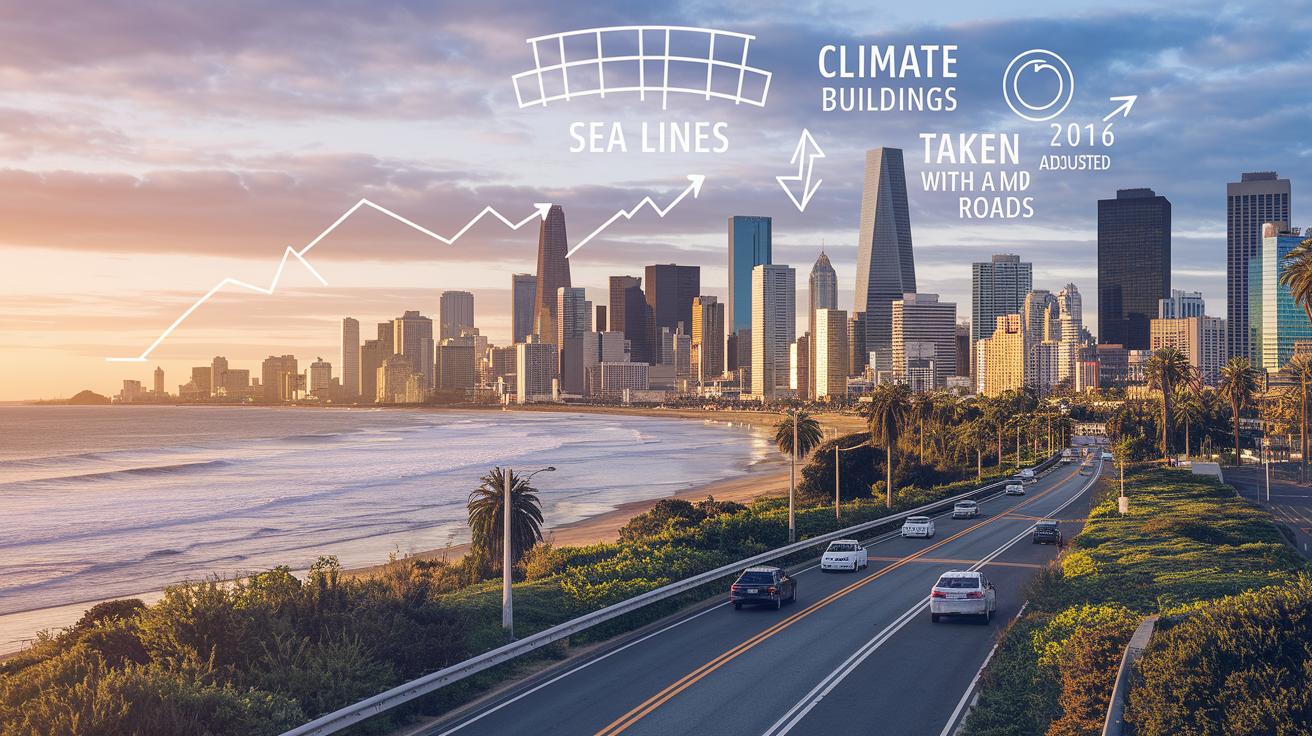
California is taking strong steps to handle our changing climate. Back in 2009, the state introduced a Climate Adaptation Strategy, a plan that helps communities deal with warmer temperatures, heavy storms, and rising sea levels that can flood coastal areas. This plan gives clear, easy-to-follow rules so towns can update their buildings and roads, protect public health, and balance nature with daily life.
California also uses AB 32, a cap-and-trade program that makes big polluters pay for the greenhouse gases (gases that warm our planet) they release. Think of it like this: companies have a choice to either change their ways or pay extra. This smart approach pushes them to adopt cleaner practices.
But California isn’t stopping at factories and plants. The state is getting ready for a future with as many as 12.5 million electric vehicles on the road by 2035! To make this a reality, there are major upgrades to the power grid and huge investments in renewable energy. Picture more solar panels and wind turbines lighting up neighborhoods, ensuring there’s enough power even when everyone is running their AC or charging their cars.
Key parts of these plans include:
- Building new renewable energy projects to use less fossil fuel.
- Improving infrastructure to support more electric vehicles.
- Using financial incentives to reduce harmful emissions.
All these moves show how California uses careful planning, smart money tools, and modern technology to fight climate change. By mixing these ideas, the state is not only cutting pollution but also making sure communities are stronger and ready for a warming world.
Accelerating Renewable Energy and Emissions Reduction Initiatives in California
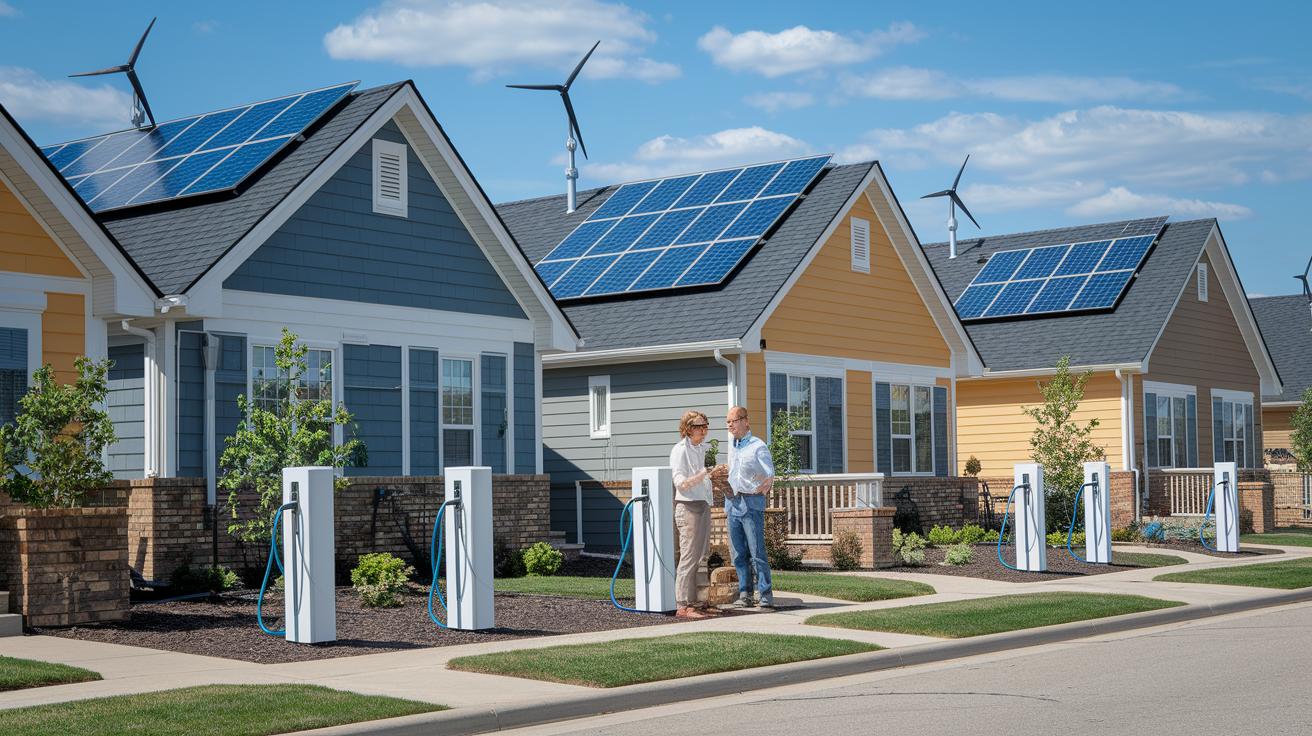
California is moving forward quickly on its clean energy journey. With its SB 100 policy, the state is aiming for 60% renewable energy by 2030 and 100% non-carbon power by 2045. This plan not only drives big clean power projects but also sparks local efforts to cut down on harmful emissions.
To meet the growing electricity needs from more electric vehicles, solar and wind power must grow five times larger. Picture a neighborhood where rooftop solar panels and wind turbines are as common as parked cars. For instance, one community saw a big drop in emissions when they switched to renewable-powered EV charging instead of relying on fossil fuels. It’s a simple change that shows how expanding solar and wind energy can really transform lives.
Local programs are stepping up to help people and businesses join the renewable revolution. Initiatives like rooftop solar incentives help homeowners produce clean energy, while community choice aggregation lets locals pick greener power sources. Some innovative projects even capture methane (a gas that harms the environment) from dairy operations and turn it into energy credits. These efforts turn challenges into real opportunities for everyone.
Key strategies driving these changes include:
- Boosting solar and wind installations to keep up with rising EV charging needs
- Offering financial help for installing rooftop solar panels
- Empowering communities to choose cleaner power through community choice programs
- Capturing methane from dairy operations to turn a harmful gas into useful energy credits
Each of these steps is helping shape a cleaner, stronger power system for California, blending high-level policy with hands-on local actions.
Urban Heat Islands and Extreme Weather in California’s Cities
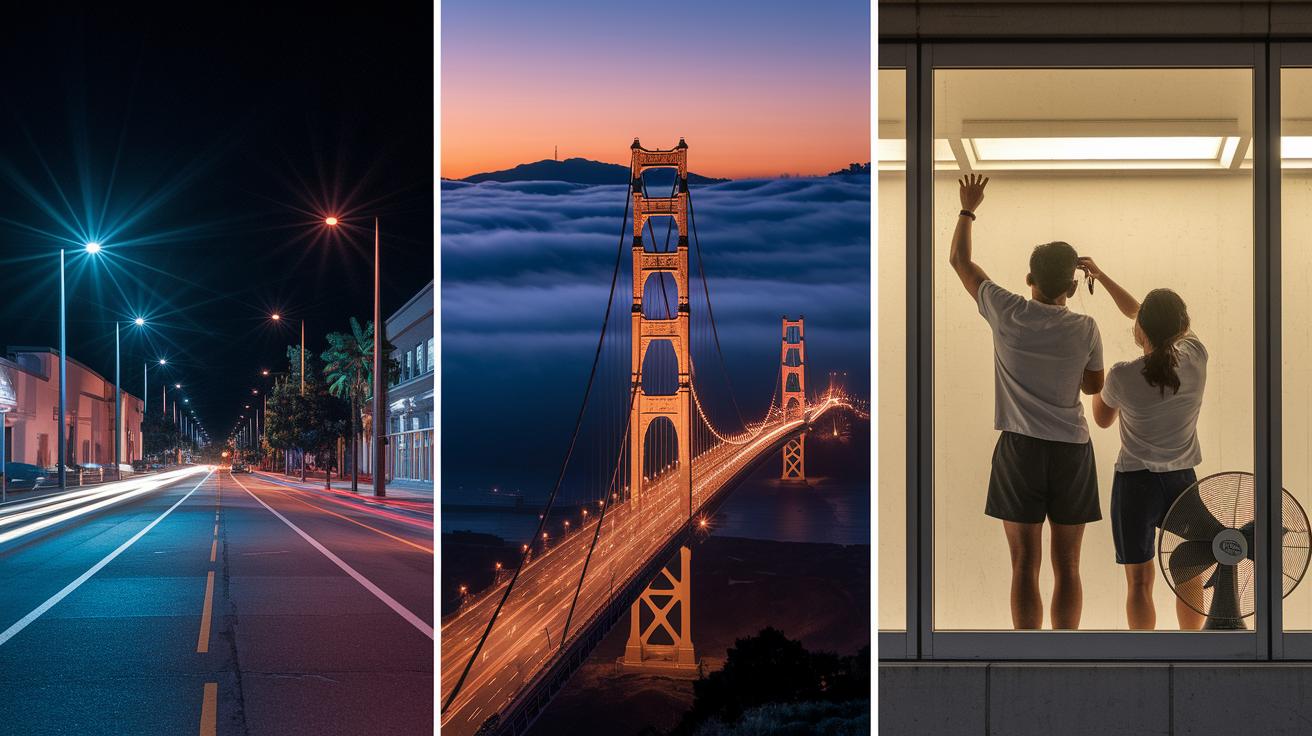
In California, our cities are warming up more than ever because of urban heat islands. Imagine stepping out on a night in Bakersfield where temperatures can hit 105°F on the hottest nights, while in San Francisco, you’d only feel about 79°F on a similar night. It’s like walking into two completely different worlds. And get this, in Los Angeles, even after the sun goes down, the city keeps holding onto the heat, making nights uncomfortably warm for many people.
Heat waves are happening more often, and heavy downpours seem to be on the rise too. These extreme weather events make life tougher, especially for folks like the elderly, outdoor workers, and low-income communities.
The good news is that local communities are starting to fight back. People are planting more trees and putting in reflective surfaces that bounce the heat away. Plus, many are setting up community cooling centers to offer a break from the sweltering heat. There’s also a push to redesign buildings so they hold less heat, and public awareness campaigns are spreading the word.
By taking these simple but smart steps, cities are slowly cutting down on the heat island effect and helping to protect everyone from extreme weather.
Final Words
In the action, we explored how climate change in california reshapes daily life. We dove into the rising temperatures, wildfires, drought, and coastal shifts that frame this challenge. Small details, like urban heat islands and state policies, show a human side to complex numbers and forecasts. It’s clear that every bit of understanding helps us prepare and respond with smart ideas. Science gives us a way to look ahead with hope and curiosity for a safer, greener future.
FAQ
Q: What does the climate change in California article cover?
A: The article explains how rising temperatures, severe droughts, wildfire risks, and sea-level rise are affecting California today and what the future may hold.
Q: Where can I find a climate change in California map?
A: Climate change maps for California show regional impacts like increased temperatures, coastal erosion, and wildfire risk, giving a visual overview of local challenges.
Q: What is included in a climate change in California pdf?
A: The PDF provides a data-driven report on California’s climate changes, outlining key statistics, regional impacts, and projections for future environmental challenges.
Q: How is climate change in California expected to affect 2024?
A: In 2024, California may face more extreme heat events, water scarcity, and wildfire risks as the state experiences a continuation of warming trends and regional climate shifts.
Q: What causes climate change in California?
A: Climate change in California is driven by human activities like greenhouse gas emissions and deforestation that increase regional temperatures and alter local weather patterns.
Q: What impacts are projected for climate change in California in 2025?
A: Climate change in 2025 is expected to include intensified heat waves, increased wildfire occurrences, and continued water shortages as the state adapts to a warmer climate.
Q: How has climate change in California developed over time?
A: The history of climate change in California shows a gradual warming of the region due to increased industrial emissions and land-use changes that have built up over many decades.
Q: What do California climate change laws cover?
A: California climate change laws regulate emissions through programs like cap-and-trade, set renewable energy targets, and promote adaptation measures to reduce environmental risks.
Q: Is California becoming unlivable?
A: California faces areas with increased livability challenges due to extreme heat, water shortages, and wildfires, though ongoing adaptation measures seek to mitigate these issues.
Q: Which regions in California are safest from climate change?
A: Some inland areas at higher elevations may experience fewer flooding and coastal erosion issues, but even these regions can face heat and drought challenges as climate change progresses.
Q: What might California look like in 2050?
A: By 2050, California could see noticeably higher temperatures, more frequent wildfires, and rising sea levels that reshape both urban and coastal areas, depending on current climate actions.
Q: Will California experience wet conditions in 2025?
A: California may see scattered wet events in 2025 due to changing precipitation patterns, but these intermittent rains might not fully counterbalance the overall trend towards drought.