
Have you ever thought about what happens when families lose the place they call home because of nature’s power? Ordinary folks find themselves forced to move when rising sea levels, strong storms, and slow changes in the environment make their neighborhoods unsafe. Their struggles get people talking and are even pushing our leaders to make big changes. With millions of people expected to relocate, we now have to face tough questions about keeping everyone safe as our world changes. In this post, we take a closer look at the human side of climate change and how it is sparking major shifts in policies.
Defining Climate Refugees: Scope, Drivers, and Key Statistics
Climate refugees are folks forced to leave their homes when environmental changes make it too dangerous or difficult to stay. They aren’t officially called refugees by international law yet, but their numbers are rising as our planet gets warmer. Climate change (when the Earth’s temperatures rise and weather patterns shift) is a big reason many people have to move in search of safer living conditions.
A 2018 World Bank estimate warned that areas like Latin America, sub-Saharan Africa, and Southeast Asia could see up to 143 million climate migrants by 2050. This means millions of people might have to find new homes as their communities struggle to support them due to unpredictable weather and environmental changes.
In 2017, a snapshot of the problem showed that out of 68.5 million people forced from their homes worldwide, about 22.5 to 24 million left because of sudden weather events. Heavy floods, fierce wildfires, and violent storms turned everyday life into a struggle. Imagine a town waking up to find its streets flooded overnight like rushing rivers.
At the same time, nearly two-thirds of these forced moves come from slow changes. These include desertification (when once-fertile land turns into barren desert), a steady rise in sea levels, gradual changes in our oceans, worsening air quality, shifting rain patterns, and a slow loss of wildlife and plants. Even a small, gradual change, like a few inches of sea-level rise over many years, can force entire communities on low-lying coasts to pack up and move.
This growing crisis is challenging legal and humanitarian systems around the world as they try to keep up with the needs of those on the move.
Regional Hotspots of Climate Refugee Flows: Case Studies by Continent
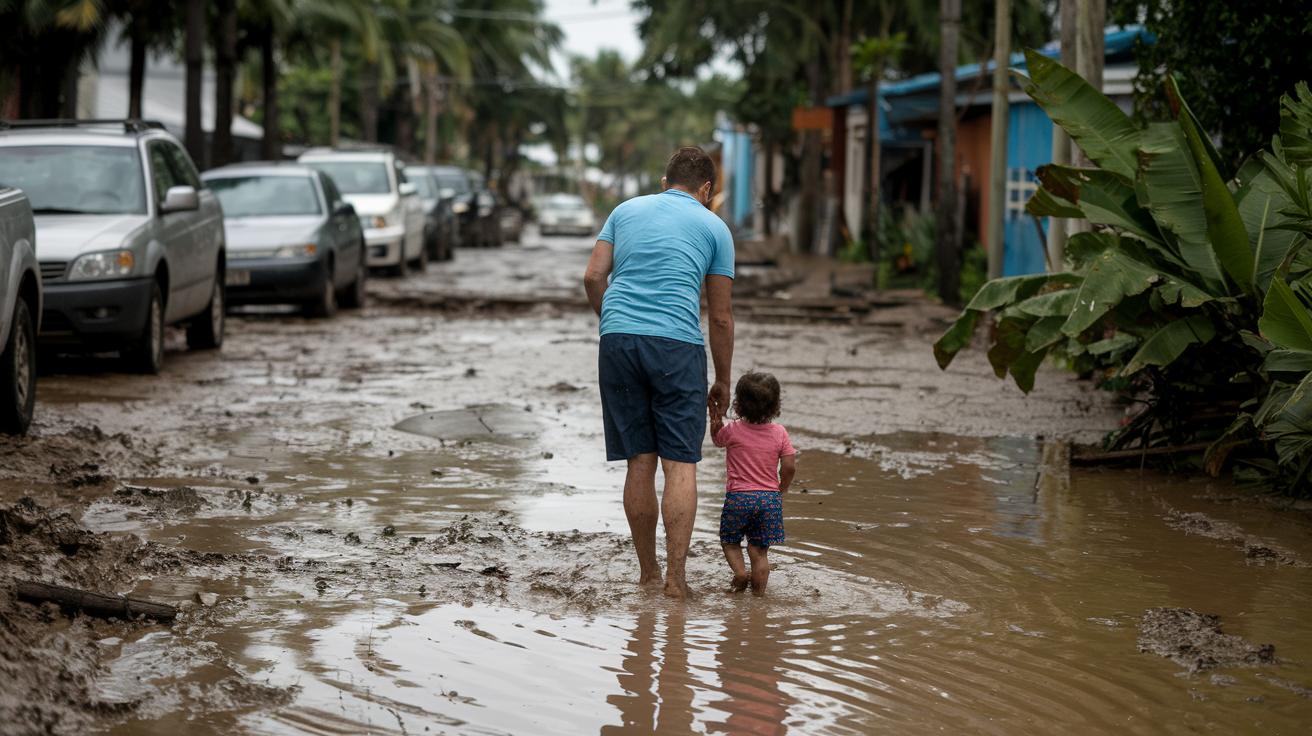
In Central America, fierce hurricanes and steady windstorms often force whole communities to leave very suddenly. In places like Honduras, Guatemala, and El Salvador, massive storms have upended entire neighborhoods, sending thousands packing their belongings on uncertain journeys. Have you ever wondered how quickly life can change? Two huge hurricanes left many people scrambling to survive, and on top of that, ongoing droughts have made food hard to come by, putting extra strain on families who are already struggling.
Over in sub-Saharan Africa, the picture is a bit different but just as dramatic. The once-fertile lands of the Sahel are turning barren as desertification takes its toll. People here aren’t just facing a one-time weather shock; they’re watching the slow disappearance of the resources they depend on every day. It’s a constant challenge, as communities that once relied on stable environments now have to navigate ever-changing landscapes.
Down in Southeast Asia, coastal communities battle the rising sea levels and frequent floods that come with our changing climate. The threat of the ocean is all too real, with persistent erosion pushing people inland in search of safer ground. Every day, environmental pressures are driving large numbers of people to move, testing local infrastructure and prompting urgent conversations about how to better support those who need to resettle.
Policy and Legal Frameworks for Climate Refugees: International and National Responses
Right now, international law doesn’t offer protection to people who must leave their homes because the environment is getting worse. Existing refugee rules only cover cases of persecution, so many climate migrants fall into a legal gray area. For instance, if a government has an emergency plan for communities hit by rising seas, those affected often end up without a clear legal status.
In 2018, a plan called the Global Compact on Safe, Orderly and Regular Migration urged countries to set up planned relocation and create new visa options. It clearly lists natural disasters, desertification (when once-fertile land dries up), land degradation, drought, and sea-level rise as the main reasons people are forced to leave. The plan hints at possible solutions, but it does not grant climate migrants any legally binding protection.
Back in 2015, nearly every nation agreed on Sustainable Development Goals that include both voluntary migration and climate targets. These goals are meant to improve living conditions so that fewer people are forced to leave their homes. However, because these targets are voluntary, it’s up to each country to decide how to protect climate migrants, leaving things a bit open to interpretation.
Also in 2015, the European Union pointed out that climate change is a big factor in migration and encouraged countries to rethink their policies. Key points from these legal efforts include:
- Recognizing slow changes like desertification and sea-level rise
- Modernizing visa and relocation systems
- Emphasizing the need for global cooperation to fill the legal gaps
Imagine a small coastal town facing constant flooding. Without strong legal backing, residents get stuck between quick emergency fixes and long-term uncertainty. Both national and international plans are still evolving as they try to catch up with the needs of climate refugees.
Humanitarian Responses and National Strategies for Climate Refugees
International Aid Programs
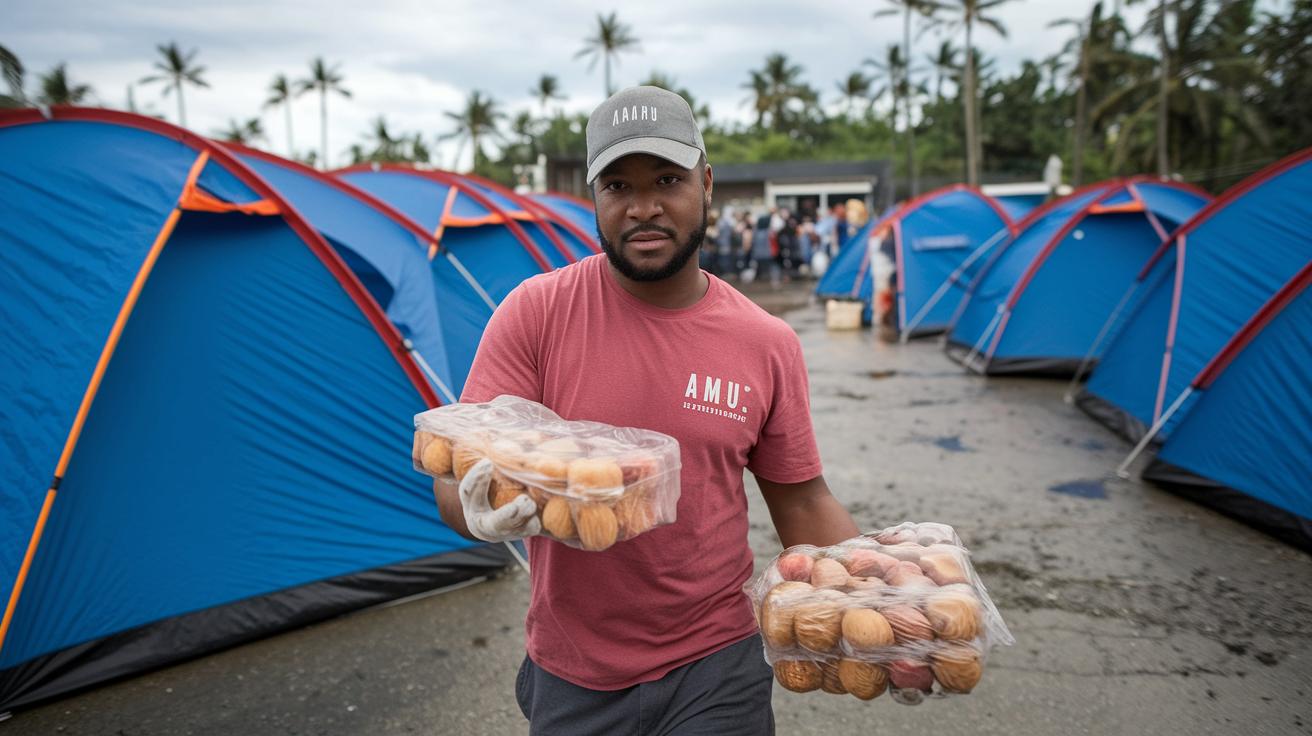
Relief groups such as the UN, Red Cross, and other local aid teams are right there when tragedy hits. They work hard to bring food, safe shelter, and primary health care to people forced to leave their homes by extreme weather. For example, after heavy hurricanes swept through Central America, these teams quickly set up food distributions and temporary shelters for those trekking into Mexico and the US. One writer put it nicely: "When disaster strikes, relief must come as quickly as the storm's fury." Quick help like this steadies communities as they wait for longer-term solutions.
National Relocation Strategies
Different countries are also planning moves to support people uprooted by climate events. Japan, for instance, recognized just 44 climate refugees in 2019, while Germany welcomed 54,000 during the same time frame. This shows the wide range of approaches when it comes to managing emergency relocations and aid. Some governments are now rethinking their policies after the European Union noted back in 2015 that climate change is a big driver behind migration. This fresh perspective has spurred investments in long-term community resilience.
In the medium term, think about five to 10 years, plans include boosting irrigation systems (which help water crops), securing food supplies, coordinating water use across regions, and ensuring steady livelihoods. In parts of Northwest Africa, for example, efforts are being made to address the dwindling natural resources that push people to move. These initiatives show that when governments adapt, they help bring stability back to vulnerable communities. Balancing quick humanitarian aid with solid, long-lasting support is key to tackling both sudden disasters and the slow, steady shifts in climate that force people from their homes.
Future Projections and Trends in Climate Refugee Movements
Climate migration now means that people are moving because of slow changes like desertification (land becoming dry and crumbly) and rising sea levels instead of just sudden storms. This change means we need to plan ahead instead of only reacting in emergencies.
Communities and policymakers are rethinking their approaches. Many local projects now focus on redesigning infrastructure to handle long-lasting changes. For instance, one coastal town is trying out a plan where neighbors work together to improve water drainage and set up green spaces that serve multiple purposes while keeping important local landmarks safe.
Experts say that pairing smart, long-term planning with strong social support is key. These efforts are all about building resilience so that communities can keep pace with the slow but steady impacts of climate change.
Sustainable Relocation and Adaptation Strategies for Climate Refugees
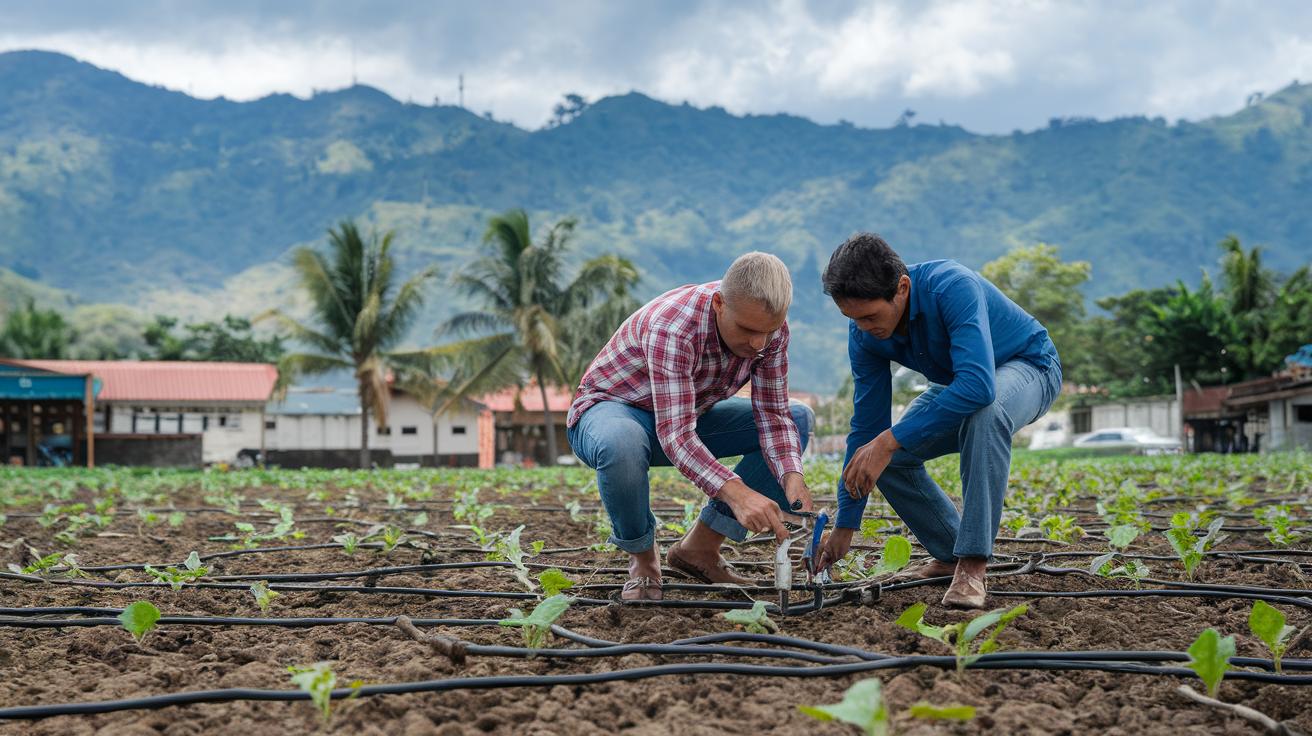
Communities dealing with big changes in their environment are putting people at the center of their plans. They mix smart building upgrades with fresh policy ideas. Local leaders are updating their watering systems for farms and modernizing food supply chains. Think of a small farming town that sets up a new irrigation system to keep crops growing during long dry spells.
Many efforts now include agreements between nearby areas so they can share water responsibly. In high-risk spots like parts of Northwest Africa, programs that help people earn a living are key. When communities have steady food and safe water, they can handle tough times much better.
Experts say that well-organized relocation plans let people move away from danger safely. Coastal towns are tackling rising water and flooding by using defense measures. Imagine a seaside community building seawalls and reviving natural barriers to protect homes from encroaching tides.
Government plans now blend quick fixes with long-term strategies. These local ideas combine fast solutions with projects that last, so communities won't be forced out of their homes. As one writer put it, "A well-planned community upgrade transforms a potential crisis into a sustainable future." By putting these investments into action, regions build lasting strength against the ongoing effects of climate change while paving a safer path forward: effects of climate change.
Final Words
In the action, we explored how climate refugees emerge from environmental pressures like shifting rain patterns, desertification and sea-level rise. We looked at hotspot regions, policy responses, and humanitarian efforts designed to support those forced from home by extreme weather or long-term climate shifts.
We also examined future projections and sustainable relocation strategies that help ease ongoing challenges. Positive steps in adaptation and community resilience offer hope for safer futures for all impacted.
FAQ
What is a climate refugee?
A climate refugee is someone forced to leave their home due to changes in weather patterns like floods, droughts, or rising sea levels that disrupt daily life and livelihood.
What are some examples and statistics of climate refugees?
The term covers people displaced by sudden events such as hurricanes and longer slow-onset changes, with reports showing 22.5–24 million displaced in 2017 and projections of up to 143 million by 2050.
What does the projected number of climate refugees by 2050 indicate?
Projections for 2050 suggest up to 143 million people may be forced to migrate due to environmental changes, especially in regions like Latin America, sub-Saharan Africa, and Southeast Asia.
What is shown on a climate refugees map?
A climate refugees map highlights areas most affected by environmental displacements, marking regions with high risks such as low-lying coastal zones and arid, desertifying lands.
What is the UN’s approach to climate refugees?
The UN discusses climate refugees in reports and forums, noting the need for new policies, though current international law does not fully cover those displaced by climate changes.
What discussions occur on climate refugees on Reddit?
Climate refugees on Reddit are talked about through community discussions sharing news, personal experiences, and opinions on relocation challenges and policy responses.
What kind of news is reported about climate refugees?
News about climate refugees often covers the rise in displacement numbers, impacts of extreme weather events, and governmental as well as humanitarian responses to these emerging migration challenges.
What country has the most climate refugees?
While no single country holds the highest numbers, regions like sub-Saharan Africa face extensive environmental pressures that push large numbers of people to move.
Does the US accept climate refugees?
The US does not have a dedicated program for climate refugees, although some environmental migrants fall within broader immigration initiatives addressing humanitarian needs.
Are climate refugees legally recognized?
Climate refugees lack full legal recognition under current international law, as existing frameworks typically focus on those fleeing persecution rather than environmental factors.

