
Have you ever thought that a tiny tool could change how we see the world? New biophysics methods help us look inside cells, kind of like using a strong telescope to see faraway stars. Experts recently showed that clever physics tools let them watch single molecules (tiny building blocks of life) as they move. This mix of ideas is changing how we explore living things and opening up new paths in science. Read on to discover how these creative techniques are revealing unexpected ways to understand life.
Foundational biophysical methodologies fueling scientific breakthroughs
Modern biophysics brings together smart physics tools and the study of life. The Biophysical Society blog is a friendly meeting place for biologists, physicists, chemists, and engineers. They exchange ideas and inspire each other to find new ways to explore the living world.
During BPS2025 in Los Angeles, scientists showed off how tools from physics help us look inside cells and molecules. Attendees saw live demos of ways to measure and reveal processes that are normally hidden. For example, one review shared that when researchers looked at a single protein, they reached a level of detail similar to that of advanced telescopes. They were able to see features smaller than 20 nanometers (20-billionths of a meter). This blend of techniques shows how working together across fields can solve tricky science puzzles.
The Society also provides grants, holds conferences, gives out awards, and offers educational tools along with special groups for students. All these resources help scientists share ideas and try new methods. With this support, researchers make their experiments more accurate and improve how we learn about living systems.
If you want to learn more about how teamwork pushes science forward, check out the article "Role of scientific collaboration in breakthrough research" (https://buzzyandclever.com?p=290). You can also read about "innovative scientific methodologies behind breakthroughs" (https://buzzyandclever.com?p=324).
In this busy world of discovery, every new method is like a small step taken together toward a deeper understanding of molecules and meaningful scientific progress.
Single-molecule imaging advances in biophysics fueling molecular insights

Scientists are using a special light microscope to watch single molecules in action, and it's pretty amazing. This technique lets them see tiny parts of cells with great clarity. By combining it with an optical trap, a kind of tool that gently holds individual molecules, they can follow how these little pieces move, even down to a distance less than 20 nanometers (that’s super small!).
Real-time tracking means researchers can observe these tiny interactions as they happen. For example, one study mentioned that by watching a single molecule move, scientists can actually see fast changes in a reaction that older methods would have totally missed. It’s like catching every heartbeat of a complex dance happening inside your cells.
These new methods help us understand how cells work at their most basic level. With tools like these, researchers can now study the intricate dance of proteins and nucleic acids (the building blocks of life) better than ever before. This success not only shows us how our bodies work but also paves the way for designing smarter therapies and better diagnostic tools.
The blend of high-detail imaging with innovative trapping techniques is a big step forward in our journey to explore the molecular world. And honestly, isn’t it mind-blowing to think about how much we’re learning by simply watching nature at its tiniest scale?
Computational protein design and quantum simulation dynamics driving biophysics breakthroughs
We live in an exciting time where computers help us study proteins in new ways. These digital tools let scientists adjust proteins, making them better suited for treatments. For instance, CRISPR-based treatments for sickle cell anemia could get FDA approval as soon as 2024. These breakthroughs come from smart design systems that simulate protein shapes with amazing detail.
Companies like Thermo Fisher Scientific and Merck KGaA/MilliporeSigma use clever computer programs to fine-tune therapeutic proteins. Think of it like tweaking a favorite recipe until every bite is perfect. This virtual testing helps scientists see how small changes might boost a drug’s performance.
Quantum simulation dynamics takes things a step further. By modeling proteins and the molecules that stick to them (called ligands, which help proteins do their jobs) at the tiniest level, researchers can watch how they stick together and react in real time. These quantum methods catch details that older models might miss.
In truth, mixing regular computer algorithms with cutting-edge quantum techniques lets scientists predict protein behaviors more clearly and quickly. This smart blend is already opening doors to treatments that could completely change the future of medicine.
Molecular structure elucidation through cryo-electron microscopy and time-resolved spectroscopy in biophysics
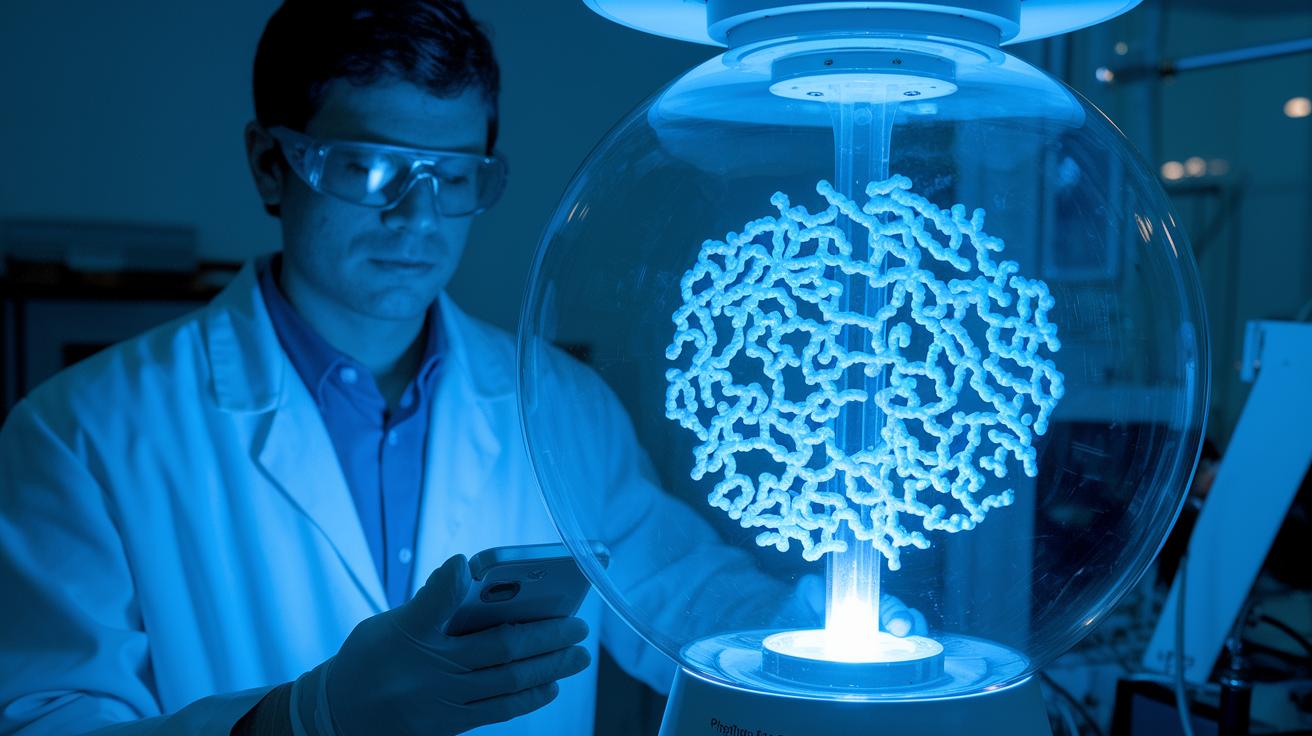
At the Biophysical Society Annual Meeting, researchers amazed us with studies showing how cryo-electron microscopy can reveal nearly every tiny detail of large molecules. This cool method freezes molecules quickly to keep them exactly where they are, which lets scientists snap clear pictures of proteins and other big assemblies. One presentation even showed how this technique uncovers the delicate inner workings of a molecular machine, much like watching a perfectly tuned instrument in action.
Another exciting method is time-resolved spectroscopy. It captures the fast, ever-changing shapes of enzymes in real time. This technique is so quick it records changes that happen in just a flash, kind of like noticing a tiny shift in a dance move in less than a heartbeat. It’s pretty wild to think that even a frozen molecule can tell such a vibrant story, showing us how enzymes adjust their form during chemical reactions.
By combining cryo-electron microscopy with time-resolved spectroscopy, scientists have managed to get both a detailed snapshot and a lively movie of these complex molecular systems. This blend of methods helps us understand how the structure of these molecules works together with their rapid movements. It’s not just a breakthrough in imaging; it’s a big step forward in uncovering the secret mechanisms that drive life at its tiniest scales.
Atomic force microscopy and nanoscale force measurement techniques transforming biophysical experimentation
At BPS2025, scientists have been using AFM-based force spectroscopy to check how squishy live cells are by teasing apart the stiffness from the outer cell layer and the soft inside (cytoplasmic viscoelasticity means how the cell fluid moves when pushed). New AFM tools now measure details smaller than 10 nanometers and detect forces as tiny as piconewtons. This lets researchers see how cells react to gentle pushes with an accuracy that once seemed impossible.
These careful readings help scientists understand how cells keep their shape and work properly. Imagine pressing on a sponge and noticing every little change in firmness, that’s similar to what researchers capture at the cellular level. This kind of data is crucial for building new biomechanical sensors that can monitor subtle shifts in both materials and living tissues.
Nanoscale force measurements lay the groundwork for sensors that notice even the slightest force changes. These sensors could be used in many areas, from watching over tissues to testing materials, bridging the gap between biology and physics. Capturing such fine details is opening fresh paths in the study of mechanobiology (the study of how physical forces affect living things).
Artificial intelligence integration and machine learning methodologies in biophysics fueling discovery
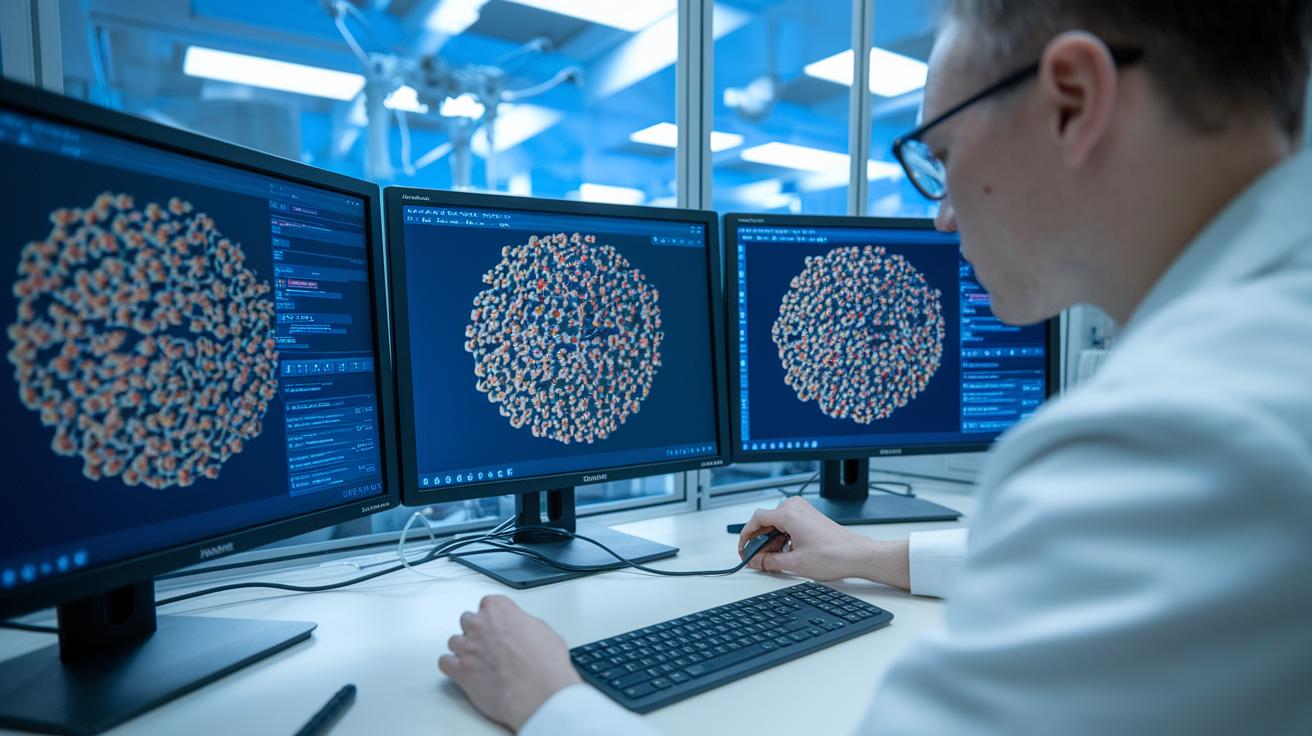
AI and machine learning are changing how we design and analyze experiments in biophysics. Experts say that soon, computers will handle high-speed tests and help us understand complex systems much faster than before. For instance, one smart AI algorithm once processed as much data as years of manual work, unveiling important protein interactions in just minutes.
Machine learning also lets us run virtual molecular simulations. Basically, we create digital models of proteins and test them on computers (a method called in silico) to see how they might change over time. It helps predict how proteins move and makes our data come alive in colorful, dynamic visualizations. This lets scientists really see how molecules twist, turn, and interact.
Bioinformatics workflows piece together molecular networks by connecting countless tiny biological interactions. Think of it like putting together a giant puzzle to design the perfect medicine. As more research pipelines use these AI and machine learning tools, they not only speed up data crunching but also improve how we predict outcomes and plan experiments.
- AI-driven high-throughput assays
- Virtual molecular simulations
- Bioinformatics molecular network reconstructions
Every part of this process gives us a better look at life’s little secrets, making scientific research more efficient and even more exciting. Have you ever wondered how quickly our understanding of biology is shifting right before our eyes?
Microfluidic system innovations combined with multiscale energy landscape analysis in biophysics research
New microfluidic devices are changing how we study biochemical reactions. These lab-on-chip platforms let scientists watch single cells in real time, so you can see how each tiny reaction unfolds. Imagine a mini lab on a chip where every drop of fluid shares its own little story.
Some projects, supported by BPS funding, merge these microfluidics with measurements made across different energy levels. One part of the experiment uses tiny channels to move fluids, while another part uses tools like fluorescence (lighting up a sample) or spectroscopy (studying light to learn about substances) to check how energy changes during a reaction. This combined approach helps researchers dig into thermodynamic details (the forces behind energy changes) that used to be hard to see.
For instance, think of a microfluidic device that tracks energy shifts during a cell’s reaction. It’s like watching a mini light show, where every spark gives a useful data point. These innovations give us the precision we need to explore the intricate world of biochemical energy in a fresh and exciting way.
Case studies in biophysics from BPS2025 demonstrating transformative scientific breakthroughs
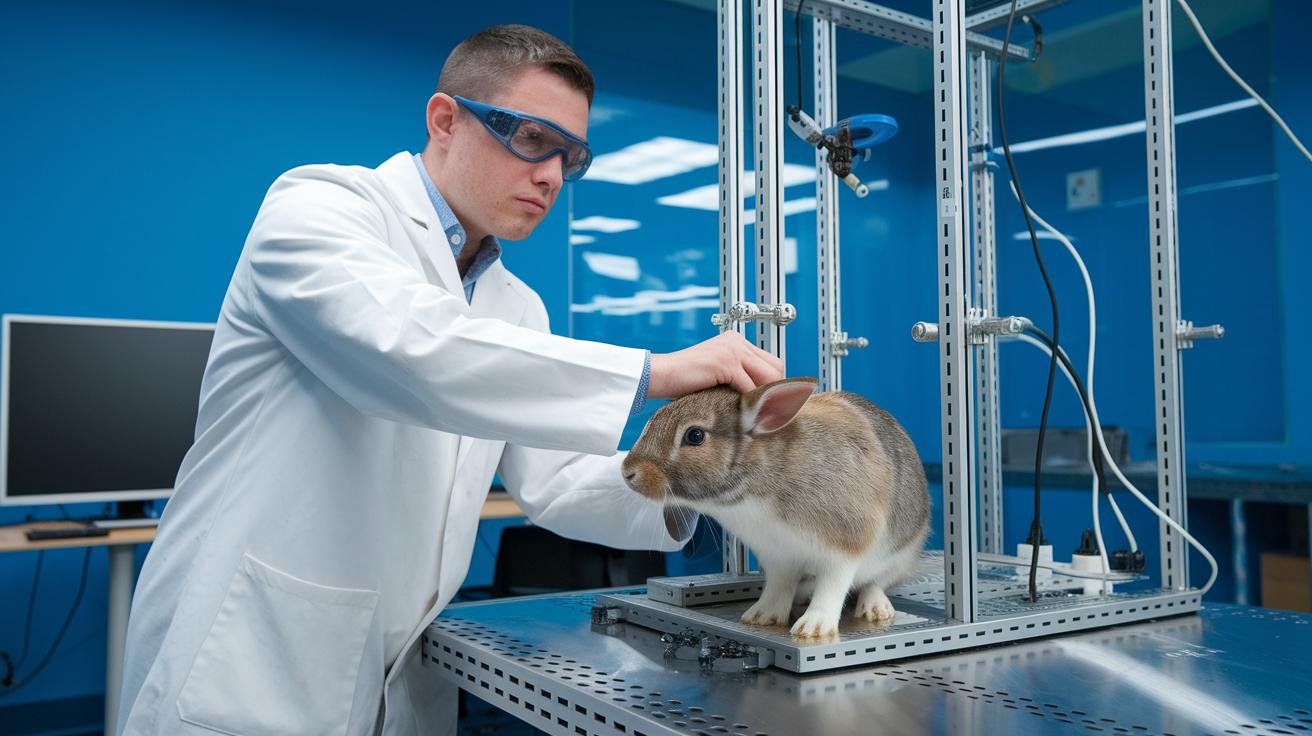
At BPS2025, scientists ran creative experiments that led to big breakthroughs in biophysics. One cool example used a muscle contraction model built from rabbit fiber. They measured the force produced by muscles in a way that feels a lot like watching a well-oiled machine in action.
Another study broke new ground by linking genes tied to brain development risks with changes in gut movement. By mixing genetic info with physical tests, researchers found that these genes can change how stiff the gut tissue is and how it behaves. It’s like discovering that tiny molecular tweaks can have a big impact on our body’s actions.
A third case explored atomic force microscopy-based force spectroscopy to check out cell tension and overall stretchiness (viscoelasticity, meaning how cells stretch and recover). Using super-sensitive tools that pick up even the smallest force changes, this study painted a clear picture of how cells keep their shape under pressure. Aurora Scientific’s session showed that blending methods from muscle studies, brain research, and materials science can spark breakthroughs that go beyond the usual boundaries.
| Case Study | How They Did It | What They Found |
|---|---|---|
| Muscle Contraction Model | Using rabbit fiber to measure force | Detailed insights into muscle power generation |
| Neurodevelopment & Gut Mechanics | Merging genetic tests with physical measurements | Found links between risk genes and gut stiffness changes |
| AFM-Based Cell Mechanics | Applying force spectroscopy through AFM | Clear picture of cell tension and elasticity |
These studies show how blending different fields can change our understanding and open the door to new ideas in biophysics.
Final Words
In the action, this article showcased how various biophysical tools, from single-molecule imaging to advanced microfluidic setups, work together to reveal fresh insights into cellular processes. We stepped through techniques like computational simulations, cryo-electron microscopy, and artificial intelligence integration that deepen our everyday understanding of science.
Innovative approaches in biophysics fueling scientific breakthroughs are turning complex challenges into practical solutions. Each method brings us closer to grasping nature’s secrets, setting a positive stage for the future of research and discovery.
FAQ
How are scientists making discoveries in biophysics?
The question about how scientists are making discoveries in biophysics shows that they use collaborative techniques, cutting-edge imaging methods, and computational modeling to explore biomolecular interactions accurately.
What is the latest breakthrough in the field of science?
The question on the latest breakthrough means that researchers are now blending advanced imaging, AI-driven analysis, and quantum simulations to reveal molecular details that push our understanding of science forward.
What is the future of biophysics?
The question on the future of biophysics implies that upcoming research will merge high-resolution techniques, smart data analyses, and interdisciplinary teamwork to explore living systems at levels we only dreamed of before.
What is the new invention in physics for 2025?
The question about the new invention in physics 2025 suggests that soon we’ll see advanced tools like refined microfluidic devices, improved force measurement techniques, and enhanced computational models reshaping scientific research.
What discoveries in science from 2000 to 2024 have shaped research?
The question regarding discoveries from 2000 to 2024 shows that breakthroughs in imaging, protein design, and real-time molecular tracking have paved the way for today’s innovative approaches in biophysics.
What are some of the craziest scientific discoveries?
The question about the craziest scientific discoveries highlights bold advances like real-time tracking of tiny molecules, near-atomic imaging of proteins, and the integration of AI in designing experiments that challenge our thinking.
What new scientific tools are gaining popularity?
The question on new scientific tools means that researchers now benefit from improved atomic force microscopy, optical traps, and AI-based frameworks that help uncover detailed cellular and molecular behaviors.
How do innovative scientific approaches fuel breakthroughs?
The question about how innovative approaches fuel breakthroughs shows that combining methods like cryo-electron microscopy, microfluidics, and machine learning leads to more precise experiments and a deeper insight into biological processes.