Ever wondered if a computer could spark the excitement of mixing chemicals right at your desk? Virtual labs let anyone try out science experiments online with interactive simulations and smart tools. They bring the lab right into your home, making it feel like you truly have a mini science lab in your space. This breakthrough is a game changer for students who once faced limits with real labs. Next, let’s see how this modern twist is opening up real experiments to everyone, no matter where they are.
Realizing New Capabilities through Integration of Virtual Labs in Remote Scientific Experiments

Virtual labs have changed the way we do science experiments. Instead of always being stuck in a physical lab, students and teachers can now explore experiments online. Imagine being in a classroom where you mix chemicals and record data safely from your computer. This approach keeps the hands-on part of science alive, even if the tools are different.
Immersive technologies like VR and AR let you dive right into a science experiment. Have you ever wondered what it would be like to step inside a beating heart or wander through a tiny model of DNA? These tools turn science into a vivid experience. For instance, imagine putting on a VR headset and watching droplets merge and react as if you were really mixing them by hand. It makes learning both fun and easy to understand.
Another great benefit of virtual labs is that they open up science to more people. Students in remote areas or those with physical challenges can now access high-quality experiments. With real-time feedback from teachers and classmates, learning feels as interactive as being in a physical lab. Clear guidance and the ability to ask questions on the spot help everyone learn better, making research more accessible than ever before.
Technological Foundations Driving Virtual Lab Integration for Remote Experiments

Virtual labs mix together smart tech to bring real-feel experiments right to your screen. They use cool 3D modeling and interactive simulations to copy the look and work of regular lab equipment. VR (virtual reality) and AR (augmented reality, which adds extra visual details) let you explore science up close, whether you're walking along a DNA strand or watching a heart beat in real time. Meanwhile, cloud systems handle data storage and keep things running smoothly, so you get clear, low-delay interactions for group work.
| Technology | Function | Use Case |
|---|---|---|
| 3D Modeling Engines | Creates detailed lab equipment models | Building realistic interactive models in virtual labs |
| PhET Simulations | Runs interactive experiment simulations | Providing virtual experiments for science classes |
| VR/AR Interfaces | Lets you explore science in an immersive way | Showing movements like a beating heart in detail |
| Cloud Data Services | Offers scalable storage and quick controls | Supporting teamwork in remote experiments |
All these tools work together to give you the hands-on feel of a real lab but in a digital space. With lifelike simulations and smooth interactivity, virtual labs create a safe and flexible environment for anyone eager to explore science today.
Strategies for Integrating Remote Lab Systems in Virtual Environments

Using remote lab systems starts with knowing exactly what we want students to learn. Developers build simulations that feel real by mixing interactive pictures and videos with hands-on experiments. For example, they might set a goal to "recreate the detailed steps of a chemical reaction" so students clearly see how theory turns into action. This approach helps learners connect what they do online to real science work.
Another important part of the design is making sure everyone can talk to each other. In a virtual lab, live chat, video calls, and discussion boards let all participants share their thoughts in real time. This open conversation helps mimic the teamwork found in real-life labs and makes it easy for questions and ideas to flow naturally.
Assessing what students learn also changes in these virtual setups. Teachers adapt traditional tests by mixing in self-assessments, interactive quizzes, and secure, monitored exams. They add take-home assignments and extra readings to strengthen the ideas being taught. This mix of methods ensures that every lesson matches the fast-paced, digital nature of modern science education.
Educational and Research Benefits of Virtual Lab Integration
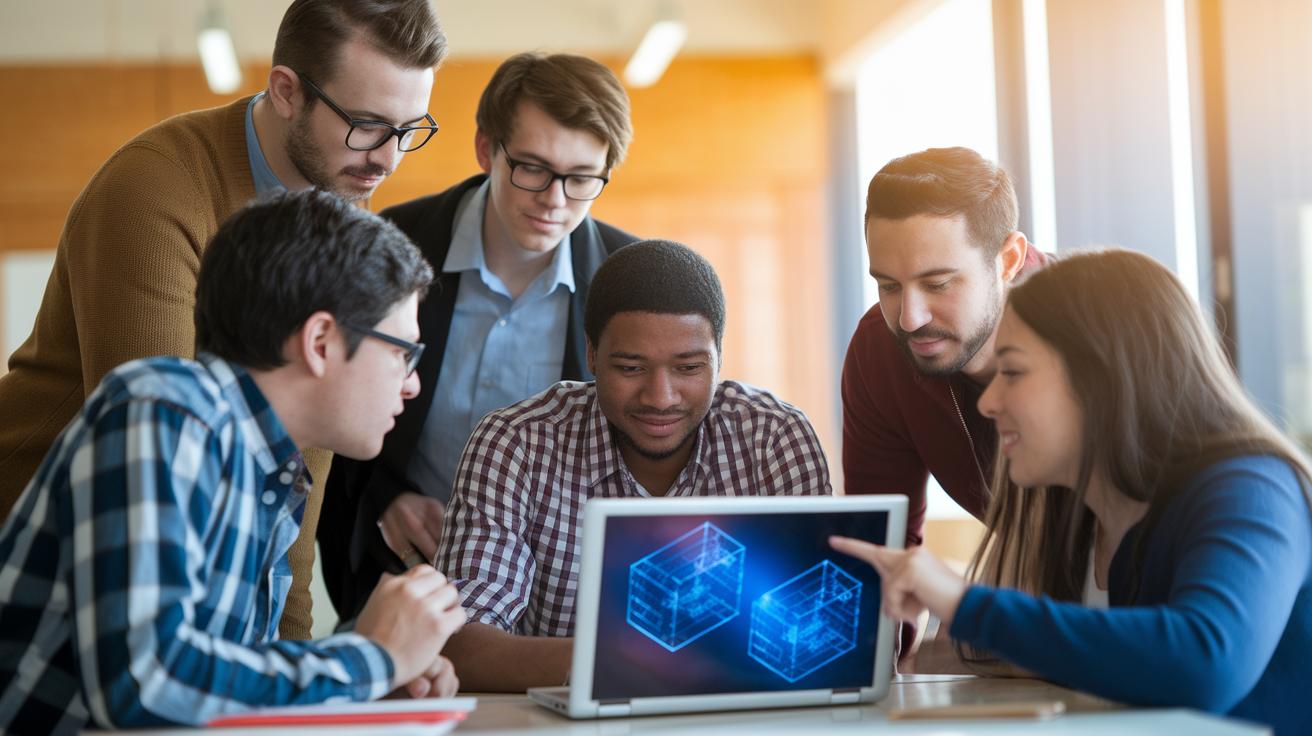
Virtual labs help students score better over time and understand tough ideas. Studies show that when students use digital experiments, they develop stronger critical thinking skills. Researchers have found that digital labs boost teamwork, especially when students work on projects that mix different subjects.
Digital platforms track student progress closely, so teachers know exactly how students are doing. This detailed tracking helps instructors adjust lessons to meet each student’s needs. It also leads to better long-term retention, as students remember what they learn through repeated, safe experiments.
Both K-12 schools and colleges have seen positive results from using virtual labs. For example, one high school study revealed that combining digital experiments with traditional lessons led to improved science test scores. At the college level, detailed data tracking encourages collaboration between different subject areas and speeds up research by making data analysis quicker and more accurate.
These digital experiments allow precise and repeatable simulations, making it easier to explore complex scientific ideas and compare them reliably with older methods. Overall, virtual labs are changing how we learn, making science more accessible and better understood by all.
Addressing Challenges in Integration of Virtual Labs for Remote Experiments

Virtual labs sometimes fall short of giving you that real hands-on feel of a physical lab. The digital setup struggles with things like the feeling you get when touching materials or using complex tools, so students might miss out on understanding how things truly work. Real labs let you see, touch, and feel what’s happening, and when that’s missing, it’s harder to learn all the details.
To tackle these issues, developers are working hard on simulation software and better sensor technology (devices that collect data about physical actions). They are adding features that give small physical cues, so when you use a digital pipette or handle a simulated specimen, it feels more like the real thing. New self-check tools, interactive quizzes, and secure exam methods are also being introduced to keep track of your progress in a way that feels meaningful.
Another challenge is keeping students interested and connected when working online. Without the quick, lively back-and-forth of a real lab, conversation can feel a bit slow. Group work and spontaneous discussions that usually happen in person are much tougher to recreate online.
Schools and research centers are solving this by using group platforms and regular activities like home labs and extra readings. These strategies help keep the conversation going and make virtual labs more engaging and fun for everyone.
Future Trends in Virtual Labs: Next-Generation Remote Experimentation

AI and advanced analytics are totally changing how virtual labs work. They help set up experiments on their own and adjust steps as needed. Imagine a digital lab where smart tools tweak tests in real time so simulations run faster and smoother. With these AI systems working behind the scenes, experiments can quickly adapt to new ideas, making the process more exciting and easier to use.
Cloud technology is another big deal here. Using immersive reality tools (like virtual reality headsets), these virtual labs let several users join in and run complex simulations together. Real-time data sharing makes it feel like everyone is in the same room, whether they're checking out a simulated reaction or teaming up on a project. This way, high-tech experiments become possible for folks everywhere, no matter where they live.
All of this great progress relies on a strong, data-based research setup. Smart monitoring tools and automated analytics keep experiments steady and ensure results can be repeated. This solid foundation helps fine-tune tests continuously, leading to ongoing improvements. Want to dive deeper? Check out more about how data is fueling science breakthroughs here: data-driven discoveries fueling science breakthroughs.
Final Words
In the action, our discussion shows how virtual labs have reshaped remote experiments by replacing physical setups with interactive digital tools. Immersive VR and AR open new ways to experience science, making complex setups feel real. With broader access, students and researchers now receive real-time feedback that deepens their learning and experimentation. This breakthrough in remote scientific experiments marks an exciting shift, sparking optimism for more hands-on, accessible science for everyone.
FAQ
Q: How is the integration of virtual labs a breakthrough for remote scientific experiments in 2022 and beyond?
A: The integration of virtual labs in remote experiments means digital platforms now let researchers and students run real-time, interactive experiments from afar, delivering lab-like experiences safely and efficiently across distances.
Q: What is the purpose of virtual labs in integrated science and how do they help students connect experiments to theory?
A: The purpose of virtual labs is to offer digital simulations that bring hands-on experiments into the classroom, helping students link real-time testing with theoretical science concepts in a safe, interactive way.
Q: What are the advantages of virtual labs in science education?
A: The advantages of virtual labs include increased access to practical experiments, enhanced safety, reduced costs, and interactive features that boost understanding and engagement in science learning.
Q: How can virtual labs and simulations enhance the understanding of chemical reactions in a classroom setting?
A: Virtual labs enhance understanding of chemical reactions by offering interactive visuals and step-by-step simulations that show reaction processes clearly, allowing students to safely explore and predict chemical behavior.