Have you ever wondered how art can make technology feel unforgettable? Creative technology mixes smart tools with imaginative storytelling to bring digital art to life. Back in the day, digital art was just static images. Now, cool breakthroughs like 3D visualization (tools that create lifelike models) and brain-computer interfaces (systems that let your brain control things) let you dive right into the action. In this post, we take a look at how this mix is sparking new digital trends that change our creative world and even shake up marketing strategies. Every campaign now feels like a live, personal art show.
Creative Technology Explained: Definitions, Origins, and Impact
Creative technology mixes fresh ideas with modern tools to bring art and innovation together. It uses advanced tools like 3D visualization (tools that create lifelike digital models) and brain-computer interfaces (systems that read brain signals and turn them into commands) to make experiences feel personal and interactive. Did you know that before creative technology took off, digital art was just static images? Now, installations let viewers become active parts of the art.
It all started around 2015 in the advertising world. Early experiments involved motion sensors, VR headsets, and smart devices that turned simple displays into engaging, interactive experiences. Ad agencies, always on the lookout for new ways to connect with people, loved how these technologies brought art to life. Over time, creative technology has broken through traditional screen boundaries, inviting us to experience art in completely new ways.
Today, creative technology is a key player in marketing and business innovation. Brands are crafting immersive campaigns and telling digital stories that connect with us on a deeper level. With interactive tools like VR headsets and smart devices, companies create moments that stick in our memories. Imagine a product launch where interactive displays pull you right into the heart of the story, a fresh, exciting twist on traditional advertising.
Core Technologies Fueling Creative Technology
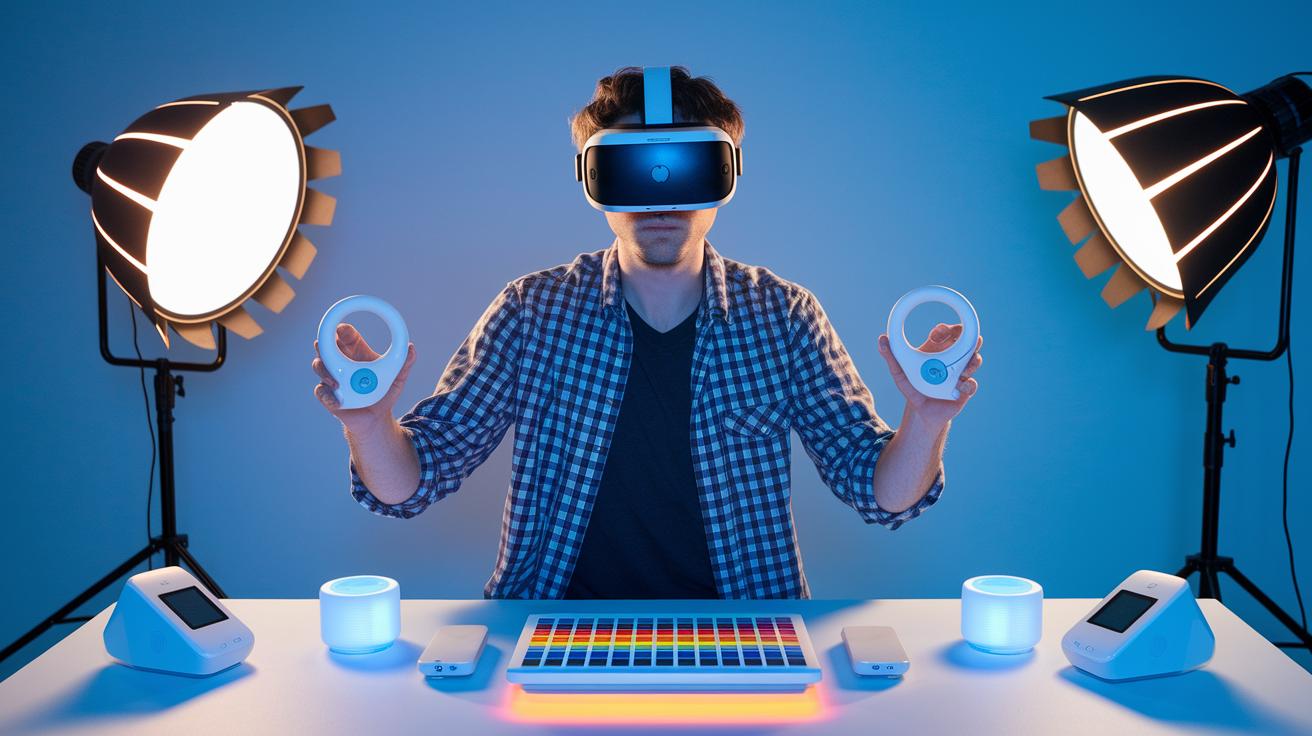
Digital creative work has always been about using cool tools to connect with technology in fun and engaging ways. In the early days, artists and designers used motion sensors, virtual reality headsets (gadget that lets you step into a different world), and smart devices to turn regular experiences into interactive adventures. These tools sparked a big change in how we look at digital art.
Today, new creative tools push that idea even further. They let us test ideas instantly and build immersive augmented reality experiences (digital layers that add to the real world). Some of these key technologies are:
- Motion sensors
- Virtual reality headsets
- Smart devices
- 3D visualization tools
- Brain-computer interfaces
Now, these innovations blend digital and physical work without a hitch. For example, creators can combine digital fabrication techniques (methods for building things with digital tools) with mixed-reality platforms to put together art installations that truly captivate all your senses. By mixing cool hardware and smart software, creative fields keep growing, offering fresh ways for artists to share their vision and for us to enjoy art like never before.
Applications of Creative Technology Across Industries
Marketing & Advertising
Companies are now using creative tech to tell their story in ways that feel real and engaging. They mix VR headsets (devices that let you step into a digital world) and motion sensors to create experiences that seem to come alive. Instead of just looking at an ad, you get to interact with the product, sparking curiosity and making each campaign feel like a memorable adventure.
Entertainment & Gaming
Gaming has taken a leap with interactive platforms that let you be part of the story. Cool tools like brain-computer interfaces (gadgets that let your brain talk to the game) and mixed reality (a blend of real and virtual worlds) let players shape the game with every move. It’s not just about watching the action, it’s about jumping right in and making the game feel personal and exciting.
Art & Exhibitions
Museums and galleries are now embracing tech with interactive installations. With projection mapping (a way to cast images on different surfaces) and sensor-driven walls, visitors can change colors, shapes, or sounds just with a wave of the hand. This creative tech brings a fresh twist to art, turning every exhibition into a space where your movements help shape the display.
Creative Technology Education and Career Pathways

Colleges and online academies now offer programs that make learning creative tech easier than ever. For example, there’s an online Master of Arts in Creative Technology that takes just 30 credit hours to complete. This course gets students ready for jobs like Digital Art Director, Product Designer, UX Designer, Web3 Marketer, and Data Visualization Specialist. They dive into subjects like interactive design, XR development (tech that adds digital features to our world), and generative media. Fun fact: In one virtual class, a student put together a full digital campaign using nothing but a tablet and pure curiosity. It really shows that creativity isn’t limited by the tools you use.
New labs and workshops are also making a big difference. These spaces let students get hands-on with VR headsets, AR tools, and even brain-computer interface prototypes, all in a friendly, supportive setting. This real-world practice builds the skills and confidence that employers look for in today’s tech jobs. The table below highlights some popular career roles, the program formats, and the key skills you can expect to learn.
| Career Role | Program Format | Key Skills |
|---|---|---|
| Digital Art Director | Virtual | Interactive Design, Digital Storytelling |
| Product Designer | Hybrid | Prototyping, User-Centered Design |
| Web3 Marketer | Online | Digital Strategy, Social Media Campaigns |
| Data Visualization Specialist | Virtual | Data Analysis, Visual Communication |
Workshops also add a practical edge to these formal courses. In these sessions, students build projects from the ground up and get to use the same tools and techniques seen in the industry. Many of these programs include group projects that mimic what you’d face in a real workplace. This balance of classroom learning and hands-on work helps students turn creative ideas into digital realities.
Emerging Trends and Case Studies in Creative Technology
Creative technology is taking off in super exciting ways, blending art with cool new tools. New AI toolkits (software that helps create art) and digital storytelling platforms are giving us fun, modern ways to share our stories. For example, sites like AI Playground and Storylab let people use artificial intelligence to build projects that pull you right in. This shift is not just boosting creativity but also changing how design and technology work together worldwide.
At Cornell’s Creative Technology Lab, you can dive into VR (virtual reality) and XR (extended reality, which mixes real and digital worlds) equipment with a friendly loan system and hands-on design help. It’s a space where both students and teachers can play with the latest tech to build fun and imaginative learning projects. The lab shows us that when digital ideas meet real-life experiences, the result can be both educational and inspiring.
Small startups are also catching the wave by experimenting with brain-computer interfaces (devices that let your brain work with computers) for live performance art and interactive installations. These inventive companies let audiences change the show in real time, making every event unique. Looking at these projects, it’s clear that the future of art and tech is all about mixing creativity with cutting-edge tools in ways that touch people around the globe.
Final Words
In the action, we explored creative technology by breaking down its definitions, origins, and the technologies that fuel its transformative role in marketing and art exhibitions. We touched on practical applications and educational paths that bring science and art together in everyday life.
The discussion showed how digital innovation redefines creative expression. It leaves us excited about how creative technology can inspire fresh ways to see our world and spark engaging conversations among curious minds.
FAQ
Frequently Asked Questions
What is the meaning of creative technology and what does it do?
The meaning of creative technology is a blend of digital tools and creative ideas. It uses devices like VR headsets and sensors to build immersive experiences and interactive designs.
What are examples of creative technology products?
Creative technology products include VR headsets, motion sensors, 3D visualization tools, and brain-computer interfaces. These tools power interactive art installations and marketing campaigns.
Who is the new CEO of Creative Technology?
Information about a new CEO isn’t widely confirmed. For the latest details, check official company updates or recent press releases for any leadership changes.
What creative technology jobs and degrees are available?
Creative technology jobs span roles from digital art director to UX designer. Many educational programs focus on interactive design and XR development to prepare students in this field.
What companies operate under the name Creative Technology in regions like the USA and Middle East?
Creative Technology companies often have regional divisions, with offices in the USA and the Middle East that offer innovative products and career opportunities in tech-driven creativity.
What is the corporate address or details for Creative Technology?
Specific corporate addresses and branch details are typically listed on the company’s official website. Check their regional pages to find the most accurate contact information.