
Have you ever wondered if a tiny cut might change the way we heal? New tools and smart gadgets help doctors work gently, keeping you comfortable throughout the process.
These methods give surgeons a clear view and a steady hand. This means quicker recoveries for everyone, which is pretty exciting when you think about it.
In this piece, we're exploring how these precise systems are reshaping surgery and cutting recovery times. It's amazing how less-invasive methods are turning traditional procedures upside down.
Core Innovations Driving Minimally Invasive Surgical Techniques
Minimally invasive surgery uses small cuts and modern imaging tools to reduce body damage and help you recover quicker. It cuts down on blood loss and pain while allowing doctors to work with great precision. Patients often spend less time in the hospital and feel better faster because surgeons can see every crucial detail clearly.
Using the latest devices, doctors can handle tricky procedures with extra care. High-definition 3D views paired with comfortable tool designs make surgeries less harsh on the body. Picture tiny instruments working like a finely tuned team, gently navigating through delicate areas.
| Innovative Tool | Benefit |
|---|---|
| Robotic systems like the Da Vinci 5 System | Provide tremendous computing power and cut the force needed by 40% |
| Mini-robotic devices | Place screws with 0.2 mm precision, shrinking hospital stays to around two days |
| AI-guided arthroplasty systems | Improve implant planning accuracy to about 84.1% compared to older methods |
| Augmented reality overlays | Offer real-time guidance during surgery, easing the mental load for surgeons |
| Machine learning decision support | Predict outcomes accurately with AUROC scores reaching 0.972 |
All these advances work together like well-fitting puzzle pieces. They boost surgical precision and help patients recover faster, making traditional procedures look much tougher by comparison. Isn’t it amazing how technology can make surgery less intimidating and speed up the journey back to everyday life?
Robotic-Assisted Innovation in Minimally Invasive Surgery

Robotic systems have changed the way doctors do small-incision surgeries by mixing strong computer power with super precise design. Advances in computing let complex sensor signals become gentle and exact movements. This helps ease the load on surgeons and keeps nearby tissues safe.
Da Vinci 5 System
The Da Vinci 5 System brings about 10,000 times more computing power and a neat force feedback feature (which tells you how hard you're working) that cuts the force applied by 40%. It has over 150 design upgrades, including clear 3D views (like a high-definition screen) and ergonomic improvements that make it easier to use. Imagine having a detailed digital map that guides every move, this is how it helps surgeons perform tricky procedures with amazing precision.
Miniaturized Robotic Platforms
Smaller robotic tools now place screws with an accuracy of just 0.2 mm, almost like fitting together a tiny, detailed model where every piece clicks perfectly into place. Because of this breakthrough, patients often leave the hospital in about two days and can avoid open surgeries altogether. In fact, these platforms reach up to 99.6% accuracy in spinal procedures.
AI and Machine Learning in Innovative Minimally Invasive Procedures
AI and machine learning are real game changers for surgeries that use tiny cuts. They offer guidance based on solid data and provide instant insights during the operation. In simple terms, these tools work like smart assistants that help the surgeon with real-time updates, making tough procedures a bit lighter on the shoulders.
Take the X-Guide and Yomi systems, for example. They keep surgical precision so high that they only stray by about 1 mm from the planned target. Imagine having a GPS for surgery that quickly fixes even the tiniest missteps. It's like having a reliable co-pilot in the operating room.
These smart systems also use clever algorithms to study live images, such as those from fluoroscopy (a type of X-ray with digital overlays). They offer helpful advice by predicting risks with amazing accuracy. Plus, with augmented reality overlays and detailed 3D views, they guide the medical team step by step, helping everything run smoothly.
All these advancements mean that surgeries are becoming safer and more precise, which can lead to quicker recoveries for patients.
Minimally Invasive Breakthroughs Across Surgical Specialties
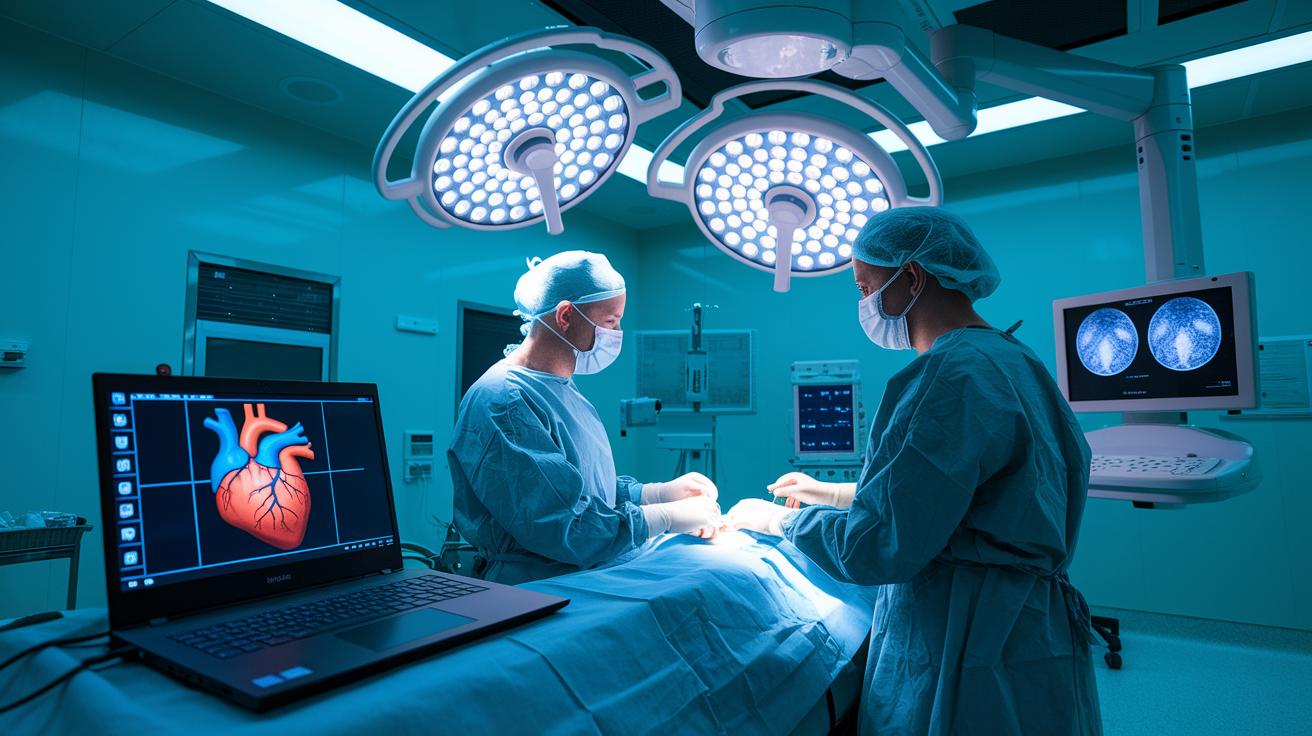
Surgery is getting a big upgrade. New methods are making treatments easier on patients, and the changes are happening in many parts of medicine. Tools like the Da Vinci 5 System and AI-guided arthroplasty (a smart, computer-assisted surgery) are now used in heart care, bladder treatments, women’s health, children’s surgery, and general procedures. These innovations let doctors work through very small cuts, which helps reduce damage to surrounding tissue and speeds up recovery.
Doctors now use high-tech imaging (clear, detailed pictures of your insides) and handy instruments designed for comfort and precision. This means even the trickiest operations can be done with care. It’s all part of an effort to make surgeries safer, cut down on hospital time, and improve results whether the surgery is on your spine, hip, or bladder.
| Specialty | Technique Example | Key Benefit |
|---|---|---|
| Orthopedics | AI-guided arthroplasty | Boosts implant prediction accuracy and improves component fit |
| Neurosurgery | Robotic spine surgery | Achieves up to 99.6% precision in pedicle screw placement for enhanced stability |
| Urology | Da Vinci 5 System | Integrates over 150 innovations to reduce tissue trauma and increase precision |
| Gynecology | Da Vinci 5 System | Delivers high-definition 3D visualization and ergonomic control in small-access procedures |
Each medical specialty benefits in its own way, but they all share the goal of using less invasive techniques and boosting safety. Whether it’s planning an implant with AI or using robotic help for spine surgery, these breakthroughs are designed to make operations easier on the body. The result? Shorter hospital visits, fewer risks, and a faster return to everyday life.
Comparing Innovative Minimally Invasive Techniques with Traditional Surgery
We compare minimally invasive techniques with open surgeries by looking at factors like the force applied (the pressure on body tissues), hospital stay length, blood loss, and overall risk of complications. These measurements show that small-incision methods tend to hurt the body less than traditional approaches. Picture a surgery that works like a careful dance with tiny, controlled moves versus one that requires big cuts and more force.
One cool advancement is robotic force feedback, which cuts the force applied by up to 40%. This means that healthy tissues feel less stress during surgery. With this precise control, accidental damage is minimized, and the chances of complications drop. Surgeons enjoy working in a steadier environment, which leads to smoother procedures for everyone involved.
Tiny robotics take things further by shortening hospital stays, most patients go home in about two days. In contrast, open surgeries often require staying in the hospital for 5 to 7 days, and that longer time can bring more pain, higher infection risks, and increased blood loss. By reducing the trauma of surgery, recovery is faster and the risk of setbacks diminishes.
In the end, these technological improvements really benefit patients. With less blood loss, lower pain levels, and shorter hospital stays, you can return to everyday life much sooner. Using precise, small-incision techniques has completely transformed how we approach surgical care.
Future Trends in Innovative Minimally Invasive Surgical Techniques
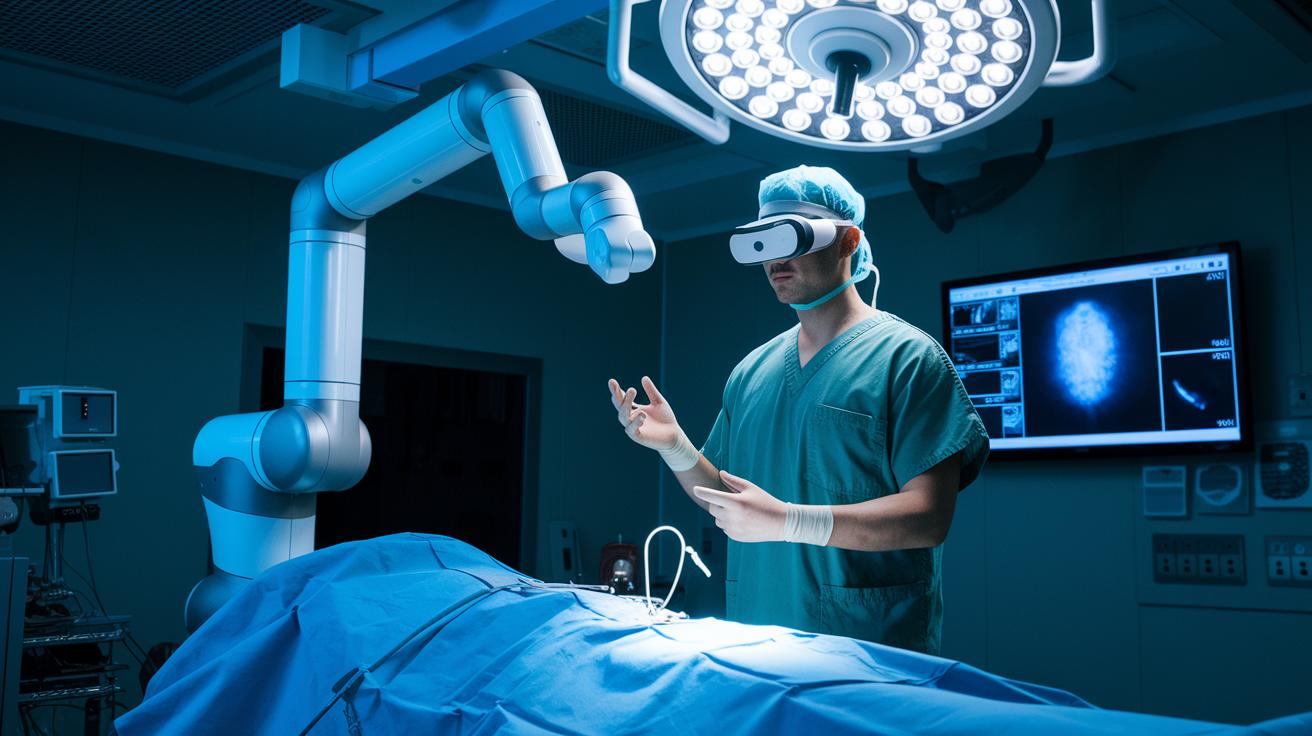
Minimally invasive surgery is changing fast. New tools like tiny robots, smart computer helpers (AI), learning machines, and digital overlays (augmented reality) are making it easier for doctors to tackle even the toughest procedures with more care.
Research is now testing out cool new ideas like 3D view systems, virtual reality practice sessions, and smart operating rooms that plan surgeries ahead of time. There are also robotic platforms and digital twin technology (a digital mirror of the patient) that help doctors navigate during operations. This tech upgrade means surgeons can plan and practice before the real deal, using clear data and lifelike simulations.
In the coming years, these innovations will shape patient care by cutting recovery times and boosting surgery results. By blending these breakthroughs, surgeries will likely become even less invasive and more tailored to each patient, making procedures safer and smoother for everyone.
Final Words
In the action, the article examined cutting-edge robotic, AI, and specialty-driven techniques that reduce risks and speed recovery. It highlighted systems like the Da Vinci 5 and miniaturized platforms that achieve millimeter precision, along with AI-powered tools that guide implant placement and reduce hospital stays. These innovative methods help keep patients safe while offering faster, smoother recoveries. Embrace the promising future of innovative surgical techniques: breakthroughs in minimally invasive procedures that continue to transform surgery into a safer, more efficient practice.
FAQ
Q: What are some examples of minimally invasive surgery?
A: Minimally invasive surgery examples include laparoscopic techniques, robotic procedures, and image-guided interventions. These methods use smaller incisions to reduce recovery time and lower the risk of complications.
Q: What might “minimally invasive surgical procedure crossword” refer to?
A: The term “minimally invasive surgical procedure crossword” often hints at clues and common abbreviations, such as MIS, that puzzle enthusiasts might encounter when exploring surgical terms and techniques.
Q: What does MIS surgery for the spine involve?
A: MIS surgery for the spine involves using small incisions and advanced tools like robotic guidance to improve precision. This approach helps minimize tissue trauma while reducing recovery time and hospital stays.