
Have you ever wondered if you could join a clinical study without even leaving your home? Thanks to decentralized clinical trials, you can. These studies let you participate using video calls, digital forms you sign online, and remote monitoring devices (tools that check your health from a distance).
You don’t need to drive to a clinic anymore, you can join right from your own space. This makes taking part in studies quicker and way more convenient.
This new way of doing things helps spread out and speed up health research. It opens up cool opportunities for new medical breakthroughs and makes it easier for everyone to get better care.
Core Definition of Decentralized Clinical Trials: What They Mean and How They Work
Decentralized clinical trials move study work from old-school trial centers to online platforms. In these trials, people can join in from the comfort of their homes using digital tools like video calls with doctors (telehealth), remote monitoring devices (gadgets that check your health from afar), eConsent (giving digital permission), electronic data capture (recording information on a computer), and mobile apps. This means you won’t need to drive to a clinic since you can take part in the study remotely. Some folks call these trials mobile, virtual, digital, site-less, or even remote trials.
Using technology in this way makes these studies more flexible and helps get them off the ground faster. For instance, you could set up a study quicker by using digital consent forms and capturing data online instead of using paper forms. This saves travel time and makes it easier for more people to take part in key medical research.
Regulators like the FDA are now looking at ways to mix these new decentralized ideas into trial plans, even though there isn’t one clear definition yet. The rise of mobile and digital tools is changing clinical research by linking patients and study teams instantly.
- Telehealth and eConsent workflows
- Wearable and mobile remote monitoring devices
- Digital data capture with interactive portals
- Home delivery of investigational products and lab kits
- Different levels of decentralization (mobile-only, hybrid, fully site-less)
Key Benefits of Decentralized Clinical Trials

Decentralized clinical trials make things much easier for patients. They cut down on the need to travel and let you take part in a study from the comfort of your home. For example, you might sign consent forms online, have a chat with the study team through video calls (telehealth visits, which are doctor meetings over video), and even get lab kits delivered right to your doorstep. This fresh approach eases the usual hassle and helps keep participants more engaged and happy.
Remote clinical research doesn’t only help patients, it benefits study sites and sponsors, too. Without the need for many physical locations, these trials can wrap up faster and cost less. Digital tools like interactive portals simplify data capture, and wearable devices (small gadgets you wear that track health) help track information in real time. The system sends alerts automatically to keep everyone in the loop and ensure safe participation. This way, research teams can focus on connecting with people instead of getting bogged down by logistics.
Moreover, decentralized trials open doors for a wider range of patients and researchers. Thanks to smart digital recruitment strategies, these studies can reach diverse groups, allowing for a richer pool of participants. Real-time dashboards give sponsors a peek into the trial’s progress, so decisions can be made more quickly if anything goes off track. Continuous virtual check-ins make long-term monitoring smooth and help gather steady, reliable data. In short, less hassle, better adherence, improved data quality, quicker study setups, lower costs, and safer, more inclusive trials are all paving the way for a brighter future in clinical research.
Technology Infrastructure in Decentralized Clinical Trials
Digital health tools are at the heart of modern clinical studies. Telemedicine visits let patients have a video chat with their doctors, making it easy and convenient to join a trial. Instead of piles of paper, participants fill out electronic consent forms that feature interactive graphics and videos, which helps speed up the whole process. Mobile health apps and interactive patient portals work together like a command center where everyone can put in and check information right away. For example, a patient might use one of these apps to log daily health details that the study team can review instantly.
Wearable devices for remote monitoring are also a key part of these trials. Gadgets like 6-lead ECGs (equipment that checks the heart’s electrical activity) and pulse oximeters (devices that measure blood oxygen levels) provide constant, time-stamped updates on a patient’s health. Plus, home delivery systems ship investigational drugs, devices, and lab kits directly to participants, saving travel time and including patients from many different regions. With most Americans owning smartphones, many using computers, and a good number on tablets, digital tools make collecting data from afar really smooth.
To ensure all the data stays accurate and safe, secure methods like encryption (scrambling data so only you can read it), tokenization, and electronic audit trails keep patient information protected. These secure practices give research teams fast and dependable access to the data they need. All of these digital platforms combined with strict security create an efficient system that supports decentralized clinical trials, making it easier for more people to participate in research in today’s fast-paced health landscape.
Regulatory Framework for Decentralized Clinical Trials

Back in September 2018, top industry groups shared new FDA guidance on handling remote trial parts. These guidelines help everyone run decentralized studies carefully and safely. U.S. rules make sure patient privacy is protected through verified digital records, proper encryption (a way to scramble data so only the right people can see it), and clear logs for inspections. This setup gives sponsors, clinical sites, and all trial teams a clear path to keep sensitive information secure while maintaining transparency. For example, keeping consistent electronic records helps show that the data remains unchanged and is managed correctly.
Global agencies, like the EMA, are also updating their rules to fit the remote trial model, even though different regions may have different levels of acceptance. Now, meeting compliance means using secure methods to store and send data, along with solid audit trails that record every step of the trial. This framework brings innovative trial methods together with traditional safety measures, so decentralized clinical trials continue to uphold strict standards for both data security and patient confidentiality while leading the way for modern clinical research practices.
Centralized vs Decentralized vs Hybrid Clinical Trials
Traditional clinical trials take place at physical sites where participants come in person for every visit and data entry. Decentralized trials, on the other hand, use modern tools like digital data systems and virtual check-ins to cut down on in-person visits, making things much more convenient. Hybrid trials mix both methods, combining in-person sessions with remote work, to keep safety checks in place while offering participants some flexibility.
| Aspect | Traditional Trials | Decentralized Trials | Hybrid Trials |
|---|---|---|---|
| Location Model | Fixed physical sites | Virtual and remote | Mix of onsite and remote |
| Participant Travel | Lots of travel needed | Little to no travel | Less travel required |
| Data Collection Method | In-person and paper methods | Digital data capture | Combination of digital and onsite methods |
| Timeline Flexibility | Strict schedule | Faster setup with room to adjust | Balanced schedule |
| Cost Structure | Higher costs due to infrastructure | Lower costs from fewer physical sites | Moderate costs with shared resources |
This summary shows how each trial type meets different needs. Traditional trials stick with face-to-face methods, decentralized ones lean on digital tools, and hybrid trials mix both to keep oversight intact while offering convenience. In truth, the best choice depends on the study’s goals, who’s participating, and what resources are available.
Case Studies in Decentralized Clinical Trials

In one study with infants, researchers looked into how safe a certain baby formula was, all done from home. Parents signed digital consent forms and filled out surveys about their baby’s feeding habits and reactions (this means they noted how their child behaved after feeding). They also used home lab kits, and live online meetings helped answer any questions right away. This made it easier for families, since they didn’t need to visit a clinic, yet the study still gathered important safety data.
In another study testing a COVID-19 treatment, patients used simple devices to watch over their heart activity and blood oxygen levels. They had a six-lead ECG (a tool that checks the heart with six different readings) and a pulse oximeter (a small gadget that measures blood oxygen) that sent data securely in real time. Instead of regular clinic visits, they had online check-ins instead. This approach lowered the risk of exposure and helped the team make quick, accurate decisions about how well the treatment was working.
A separate study focused on women aged 65 and older doing pelvic floor exercises at home. They used online video tutorials and interactive sessions that made learning the exercises simple and fun. Digital reminders and tools to track progress helped keep motivation high. This setup not only made it easier for older women to stick with the routine but also gave them convenient access to care, boosting overall satisfaction.
Challenges of Decentralized Clinical Trials and Mitigations
Regulatory differences outside the U.S. can create big obstacles. Each country has its own rules that may make planning a remote trial more difficult. Many sponsors and site staff feel unsure about new digital methods because they worry about the changes these practices bring. For instance, a study team might hold off on using remote monitoring until they are convinced that the benefits are real and the rules are clear.
Systems that need to work together can also cause problems. Often, data is kept in separate places, which makes it hard to combine everything into one clear picture. Participants might find digital tools confusing if they aren’t used to them, and slow or unreliable internet can make it even tougher. Finding a way to link these different systems in a smooth, unified way is key.
Another big challenge is keeping data secure and consistent. Teams use methods like encryption (scrambling data so only authorized users can read it), tokenization, and electronic audit trails that log every change. These steps help protect patient information and build trust among participants, making it easier to run the study without a hitch.
Future Innovations in Decentralized Clinical Trials
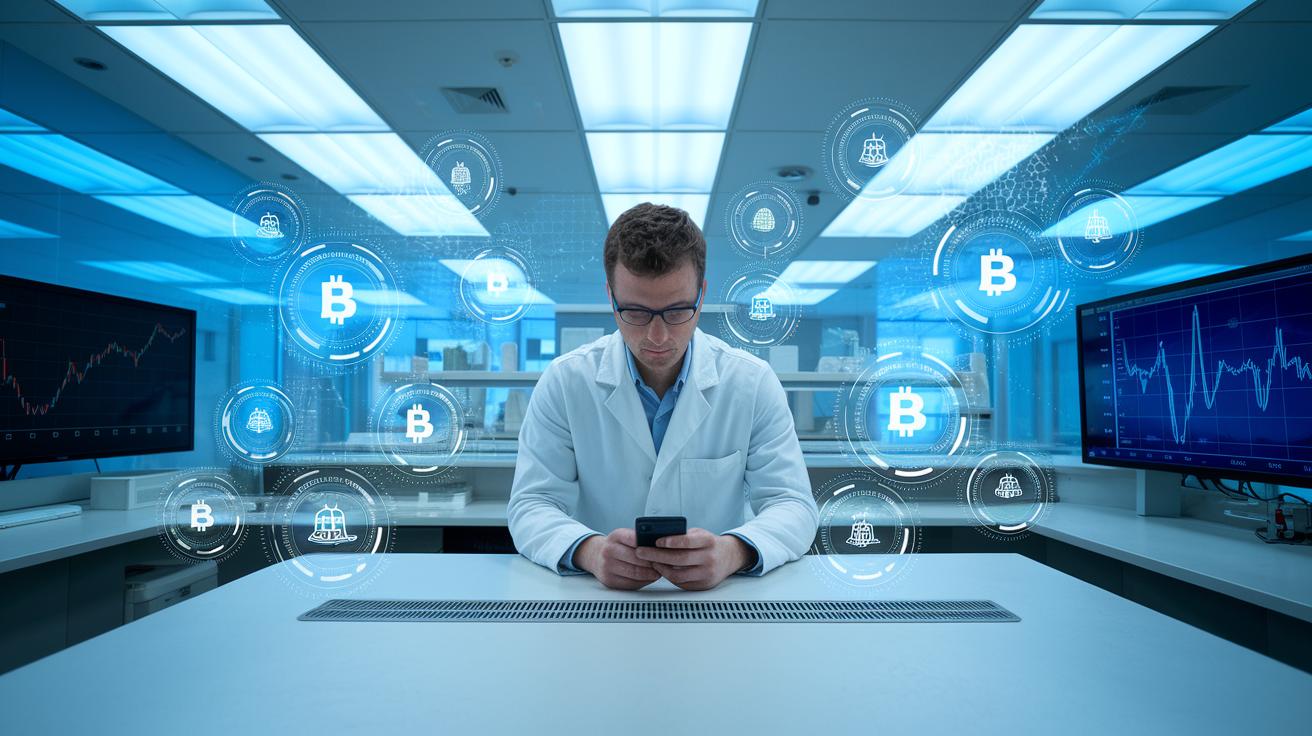
The energy from the post-COVID era is driving a big change in how clinical trials are done. New trial tech is making things easier and faster. AI tools like electronic data capture (eCOA) and TMF Agent solutions help collect data and manage documents in a snap. Imagine smart algorithms that alert researchers to tiny shifts in patient data almost instantly. It’s like having a helpful assistant always on call.
Blockchain pilots are being put to the test to keep data secure and clear. Meanwhile, fresh platforms are working on getting patients more involved and automating trial tasks. These new developments can totally reshape how study protocols work, making trials more efficient and easier to join.
With digital health evolving every day, researchers can now watch over studies from anywhere and shift protocols as needed. Just like a smart app simplifies everyday chores, these tools streamline clinical research. It’s a clear sign that technology and healthcare are starting to work together in really smooth ways. Innovation is constantly changing the global clinical trial scene.
Final Words
In the action, we explored how shifting research from in-person sites to digital platforms makes clinical studies more accessible and efficient.
We touched on core definitions, benefits, and tools powering these trials while examining guidelines and real-life examples that make science relatable.
Modern research now uses remote monitoring and user-friendly tech, highlighting decentralized clinical trials as a promising path for safer and smoother testing. These insights give us a glimpse of how continuous innovation brings benefits to all.
• Telehealth and eConsent workflows
• Wearable and mobile remote monitoring devices
• Digital data capture with interactive portals
• Home delivery of investigational products and lab kits
• Degrees of decentralization (mobile-only, hybrid, fully site-less)
FAQ
What are some examples of decentralized clinical trials?
The decentralized clinical trial examples show how trial designs use telehealth, remote monitoring, and digital data capture to conduct studies without requiring regular visits to a physical site.
What are the FDA and EMA guidelines concerning decentralized clinical trials?
The decentralized clinical trials FDA and EMA guidelines provide regulatory advice on secure data handling and patient safety while allowing remote study procedures in virtual trial protocols.
What resources like a ppt or pdf are available on decentralized clinical trials?
The decentralized clinical trials ppt and pdf materials provide visual and written overviews that explain how remote technologies replace traditional site visits, making clinical research more accessible.
What companies lead in decentralized clinical trials and what job opportunities exist?
The decentralized clinical trial companies and jobs highlight a growing sector where firms adopt remote methods, offering employment in roles like digital data care, remote patient monitoring, and telehealth coordination.
How common are decentralized clinical trials and how do they differ from centralized trials?
The difference between centralized and decentralized clinical trials lies in replacing on-site visits with digital methods, and decentralized trials have become more common due to increasing demand for patient convenience and operational flexibility.
What are the four types of clinical trials?
The four types of clinical trials typically include traditional, decentralized, hybrid, and exploratory designs, each using a different balance of in-person and remote study elements.
What constitutes decentralized elements in clinical trials?
The decentralized elements in clinical trials include telehealth visits, remote monitoring, digital data capture with interactive portals, home delivery of study products, and varying levels of site-less design.