
Are we slowly losing our planet’s natural air conditioner? Every time a tree falls, our Earth ends up soaking up extra heat like a sponge absorbing water.
Cutting down trees means we lose that natural cooling system. Without forests, global warming speeds up and more carbon escapes into our air, making weather patterns go haywire. In this article, we’ll look at how clearing trees warms our world and share a hopeful path to reverse these trends.
How Deforestation Intensifies Climate Change
Losing our forests makes the Earth warmer because trees work like natural air conditioners. Trees soak up sunlight and bounce some of it back into space, but when they’re gone, the ground takes in more heat. This change makes weather patterns act strange and speeds up the warming of our planet, a big part of what we call climate change.
When trees are chopped for lumber or cleared for new development, the carbon they stored is let out into the air right away. This burst of carbon dioxide (CO₂, a gas that traps heat) adds extra warmth to our world. Land cleared for farming, mining, or building homes stops doing its job of pulling CO₂ from the air through photosynthesis (the process plants use to make food). Instead, these places release more carbon, which makes the planet heat up even more.
Key ways deforestation contributes to climate change include:
- Carbon emissions from burning plant material
- A drop in the land’s ability to absorb carbon
- Changes in how sunlight bounces off the Earth after trees are removed
- Disturbances in local water cycles
- The start of harmful feedback loops, like more fires and droughts
Not only does cutting down forests remove long-term carbon storage, it also has immediate effects. The heavy machines used to clear land disturb the soil, and as roots break down, they send even more CO₂ into the atmosphere. In fact, a 2020 survey by the FAO found that nearly 90% of global deforestation is caused by the need for more farmland and grazing space. Data from the UN-REDD Programme even shows that stopping deforestation might reduce annual CO₂ emissions by up to 4 gigatonnes. Clearly, by losing trees, we quickly add more greenhouse gases to our air, which speeds up global warming and changes our climate in big ways.
Carbon Cycle Disruption After Tree Removal

Trees naturally take in carbon dioxide (a gas that makes our planet warmer) and store carbon in their wood, leaves, and even the soil. Think of a tree like a battery that gathers energy during the day and saves it for years. This process helps keep our carbon cycle steady.
But when trees are removed, the stored carbon is released very quickly. Recent field studies show that soil can lose up to 15% of its carbon in just five years after trees are cut down. Heavy equipment used during tree removal speeds up root decay, which means the land loses its ability to grab carbon dioxide later on.
Over time, even if new plants grow back, the land won't be as good at storing carbon as before. Research suggests that disrupted land might struggle for decades to recreate the natural carbon sinks (places that trap carbon) we once had, which could upset the long-term balance of our climate.
Albedo Changes and Surface Warming in Cleared Landscapes
When trees stand tall, their green leaves act like little mirrors that bounce sunlight away, keeping the soil cooler. But when forests are cleared and the land is left bare, the exposed ground soaks up much more of that sunlight. Believe it or not, one study showed that areas without trees can warm up several degrees more than forested spots, simply because the land reflects less light. This change in light reflection is known as albedo (a measure of how much light a surface bounces back).
As bare soil takes in extra heat, the local temperature starts to rise. That added warmth doesn’t just stay in one spot, it moves into the air and can make the whole region warmer over time. This extra heat helps boost the greenhouse effect, creating a cycle that keeps pushing the temperature higher.
Regional Climate Shifts Driven by Forest Clearance
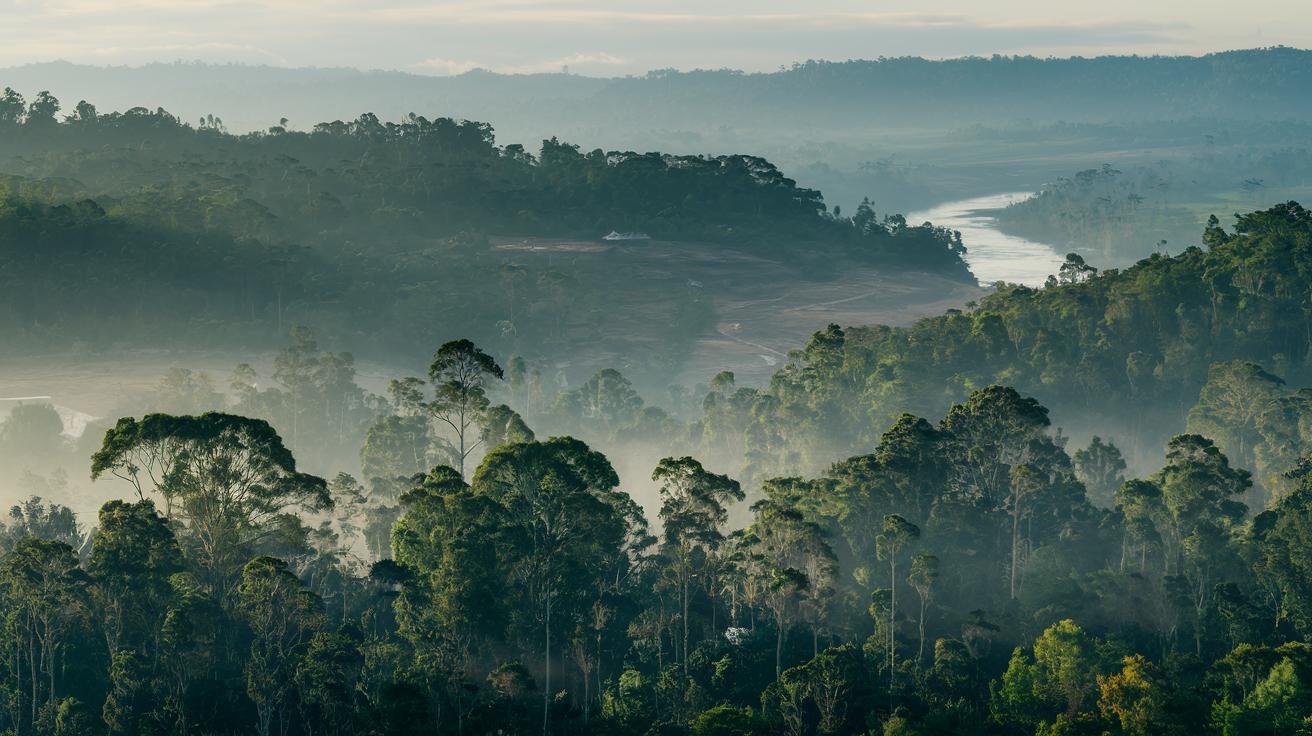
When trees are cut down, they no longer release water vapor into the air through a process called evapotranspiration (that's just a fancy word for how trees let off moisture). With fewer trees around, there’s simply less water in the air, which means local rainfalls drop and nature's way of recycling water doesn't work as well. This change leaves places that once enjoyed steady, moist breezes facing a drier, sometimes harsher climate.
In places like the Amazon, experts are noticing more frequent droughts. And over in Southeast Asia, fewer trees are weakening the monsoon systems. The rains become less predictable, sometimes coming in heavy bursts and other times barely at all. It’s a big shift, rainy seasons and cloudy skies are no longer as regular as they used to be, and locals are feeling it in their crops and daily lives.
When forests disappear, the land becomes more prone to flooding and erosion. Without trees to protect the soil and keep it in place, heavy rains can wash away the top layer of earth or cause water to pool in low areas. This not only puts farmlands at risk but also disrupts the natural balance that helps manage water flow in a region.
Biodiversity Decline and Ecosystem Imbalance from Tree Felling
When trees are chopped down, whole habitats disappear in a flash, leaving many animals and plants without the space they need to live. It’s like pulling the rug out from under them, species that have grown up in thick, leafy forests suddenly lose their homes and begin to vanish.
This loss affects more than just one part of nature. Without a mix of plants and animals, natural processes like keeping carbon balanced and managing water cycles start to falter. In a healthy forest, different species work together to clean the air, hold onto soil moisture, and stabilize the local climate. Once those species are gone, these natural jobs suffer, and the environment can’t handle rapid shifts in weather and temperature as well.
As nature loses its diversity, it creates a vicious cycle. With fewer species around, pests and wildfires can get out of hand, which then puts even more carbon dioxide into the air. This cycle not only damages local ecosystems but also speeds up the warming of our planet.
Socioeconomic and Health Implications of Deforestation-Induced Warming
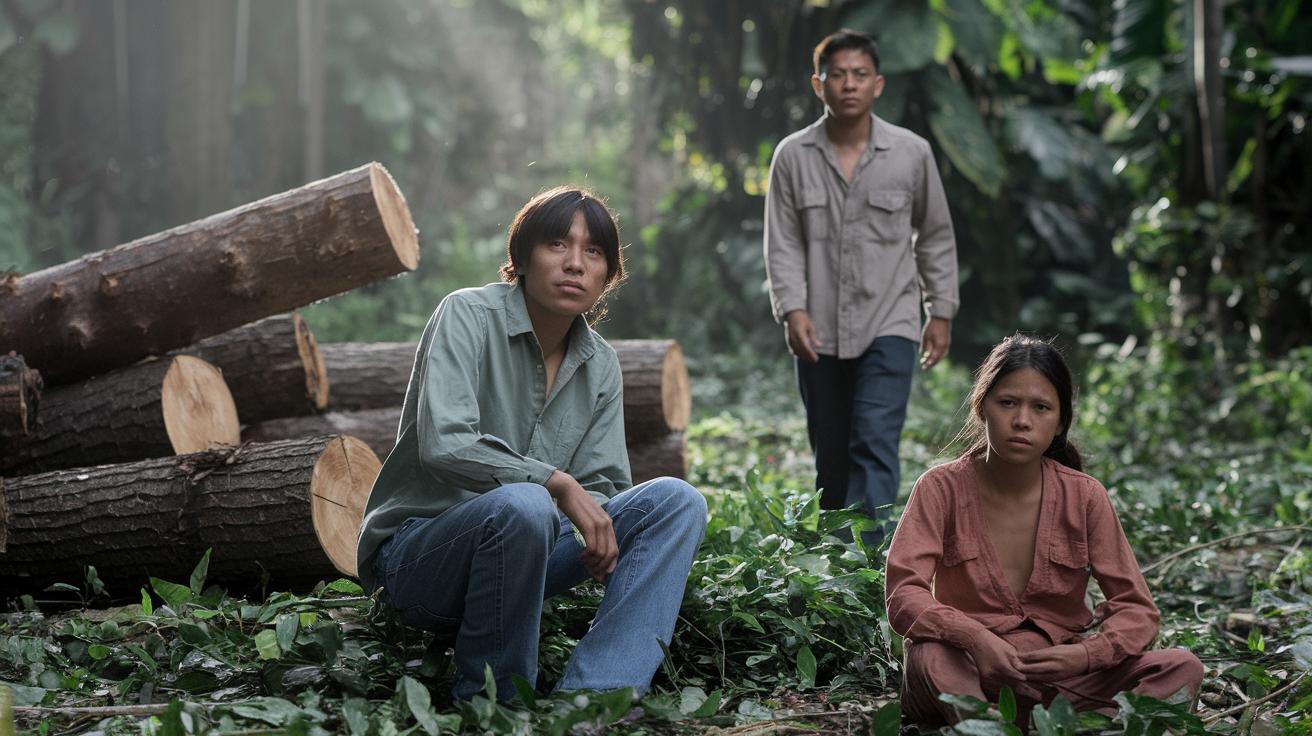
Cutting down trees means less water for nearby communities and lower crop yields. Without trees, the natural water cycle gets thrown off, it evaporates less and soaks into the soil more slowly, leaving farms without enough moisture. Local farmers end up with smaller harvests and struggle to feed growing populations. For many families, this directly threatens their food security and upsets the balance of local markets.
Indigenous communities face even tougher challenges when forests disappear. They rely on trees for natural medicine, gathering food, and carrying out cultural traditions passed down through generations. Losing these key resources not only harms their health but also erodes a big part of their cultural identity. It’s a bit like accidentally misplacing a treasured family heirloom that has been cherished for years, it forces sudden, painful changes in daily life and weakens the connection to their heritage.
When forests vanish, temperatures tend to rise, which brings clear health risks. The extra heat can lead to more cases of heat-related illnesses and also gives more room for disease-carrying insects. This puts extra strain on local healthcare systems as they try to cope with both the new health problems and the changing environment.
Mitigation Strategies: Reforestation and Policy Responses
Reforestation is a key way we help our planet fight climate change. By planting new trees and shrubs, we bring back nature’s very own way to pull CO₂ out of the air through photosynthesis (the process by which trees turn sunlight into food). It’s like giving nature a chance to soak up extra carbon, much like a giant sponge. Imagine a neighborhood coming together to plant thousands of trees – each tree working like a mini factory, quietly cleaning our air.
| Event | Date | Location | Trees Planted |
|---|---|---|---|
| Zabrze mass planting | Oct 9, 2025 | Zabrze | 1,000 |
| Shrub planting | Oct 2025 | Tychy | 500 |
| Flower bulb installation | Oct 2025 | Zabrze | 2,000 bulbs |
New methods in sustainable forestry now use modern tools like satellite monitoring and blockchain (a digital record-keeping system) to watch over how trees are being planted and how forests bounce back. These tools help check that every tree planting project meets the right environmental standards. They give policymakers and local communities a clear, trustworthy record of what's happening in our forests.
Big international efforts, including those backed by the Paris Agreement and UN-REDD commitments, support these tree-saving projects. These programs put money into stopping harmful tree loss and promoting smart forest care. Want to learn more about actions that help stop climate change? Check out https://buzzyandclever.com?p=303.
Final Words
In the action, this post broke down how forest loss lets stored carbon free, heating our air and shifting local climates. We looked at changes to the carbon cycle, ground warming from soil exposure, and risks to people and nature.
It also shows how replanting projects and strong policies can ease the effects of deforestation on climate change. There's genuine hope in our ability to protect and heal our environment for a brighter tomorrow.
FAQ
What are the effects of deforestation on climate change?
The effects of deforestation on climate change include the release of stored CO₂ from trees, reduced carbon absorption, altered water cycles, and changes in local weather patterns that add to global warming.
What are the five effects of deforestation on the environment?
The five effects of deforestation on the environment are increased carbon emissions from biomass burning, lower carbon uptake, shifts in ground reflectivity (albedo), disrupted water cycles, and triggering feedback loops like fires and droughts.
How much percent of climate change is caused by deforestation?
The share of climate change driven by deforestation is complex and varies by study, but tree loss contributes a significant portion of the additional CO₂ driving global warming.
What is the best solution to deforestation?
The best solution to deforestation is to restore forests through replanting and sustainable management practices, supported by strong policy measures and economic incentives for conservation.
What are the 10 main effects of climate change?
The 10 main effects of climate change include higher temperatures, erratic rainfall, rising sea levels, stronger storms, reduced biodiversity, melting ice, longer heatwaves, shifting ecosystems, health challenges, and decreased crop yields.