
Have you ever thought about whether chasing the stars is worth the cost? Space travel excites us with its promise of amazing rewards, but it comes with big risks. Astronauts face challenges like muscle loss and dangerous rays (harmful beams of energy) since they don't have Earth’s natural shield. Even a small technical glitch can spoil well-planned missions, showing us that venturing into space is a careful balance between risk and reward. So, we need to ask ourselves: are the big rewards enough to cover all the dangers?
Comprehensive Risk Assessment in Space Exploration
Space exploration is thrilling but comes with its own set of risks. When scientists check for dangers on long trips between planets, they look at a bunch of uncertainties. One big worry is microgravity (a condition where there is little to no gravity). In space, astronauts can lose muscle strength and bone density because their bodies aren’t working against gravity. To help with this, they work out for about two hours each day on tools like the ARES resistance machine and treadmills. Did you know that even with daily exercise, astronauts can lose up to one percent of their muscle each week? Really.
Radiation is another major concern. On Earth, our magnetic field and atmosphere shield us from harmful rays, but in deep space, those protections aren’t there. Scientists use particle accelerators (machines that speed up tiny particles) to simulate some of these conditions, but they can’t copy every kind of ionizing particle found in space. This leaves astronauts with a higher risk of long-term issues like cancer.
Technical problems also add to the challenge. Spacecraft systems can sometimes have glitches, whether it’s with the engines (propulsion devices) or computer software. Even small mistakes can lead to big mission troubles and may risk life support systems. That’s why rigorous checks and careful planning are so important.
Money matters make things even more complex. Space missions cost a lot, and budgets can change suddenly. Because of this, every project needs close monitoring and flexible plans to ensure success.
Spacecraft System Failures in Space Exploration: Technical Glitch Perils
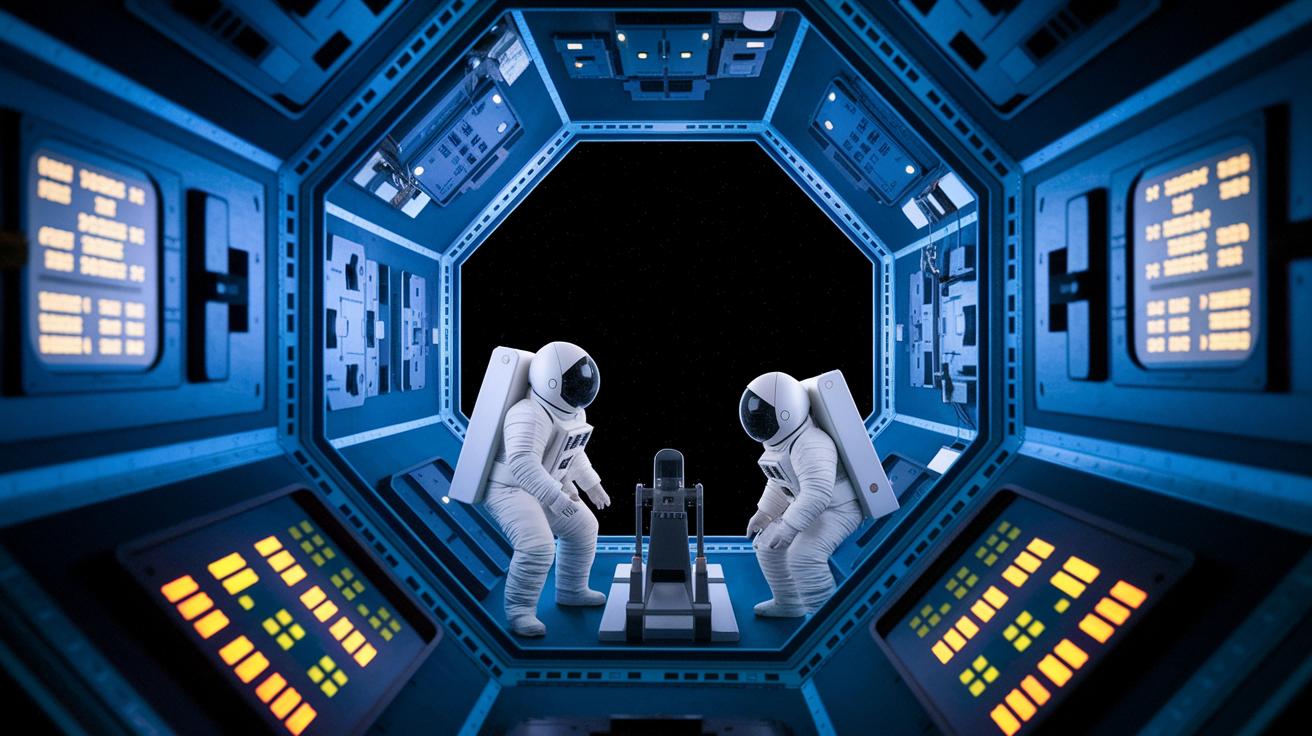
Spacecraft systems on deep-space missions often run into technical glitches that can throw a wrench into mission success. Many of these problems start with design challenges. Take the Orion station, for example, because space is so tight, engineers had to build a mini resistance exercise machine for astronauts. This shows how small spaces can force compromises in equipment design and make system integration riskier.
Besides design limits, dependable hardware and software are key. On Earth, scientists use particle accelerators (big machines that speed up particles) to mimic space radiation and see how systems behave under extreme conditions. A tiny misfire in a space engine can change a spacecraft’s path or mess with life support. Even simple software glitches can spark a chain reaction of failures that put the mission at risk.
Really, even small faults can cause big problems. Engineers must keep updating their tests and doing thorough hardware checks to ensure that spacecraft systems can handle the harsh conditions of deep-space travel. And when glitches appear, mission planners spring into action with backup solutions and rapid fixes to keep the crew safe.
Radiation Exposure Concerns in Space Exploration: Cosmic Hazard Evaluation
Deep space can be pretty harsh. Astronauts might face ionizing particles (tiny rays that knock electrons off atoms) and sudden bursts from solar storms, like an invisible rain of charged bits. Imagine stepping out into a rainstorm where you can’t see the drops. That’s kind of what space travel is like.
Scientists use tools like particle accelerators (big machines that speed up particles) to mimic some of these tough conditions. Still, it’s hard to replicate every part of deep space right here on Earth.
Recent studies have given us hope. Researchers are trying out new materials, such as lightweight polymers mixed with hydrogen-rich compounds or boron, to slow down harmful particles. They’re even testing designs that use magnetic fields to push away these charged particles. One study found that new composite shields can cut ionizing particle impacts by almost 30% in space-like tests. Really.
| Shielding Strategy | Description |
|---|---|
| Material Innovations | Lightweight polymers with hydrogen-rich compounds to slow down particle penetration. |
| Magnetic Deflection | Systems that use magnetic fields to divert incoming charged particles. |
| Composite Structures | Layered designs that combine materials for extra protection against solar bursts. |
Scientists are continuously improving these methods to lower the health risks from cosmic radiation. Their work builds on older research and offers exciting new ways to keep space travelers safe.
Microgravity Health Issues in Space Exploration: Astronaut Exposure Challenges
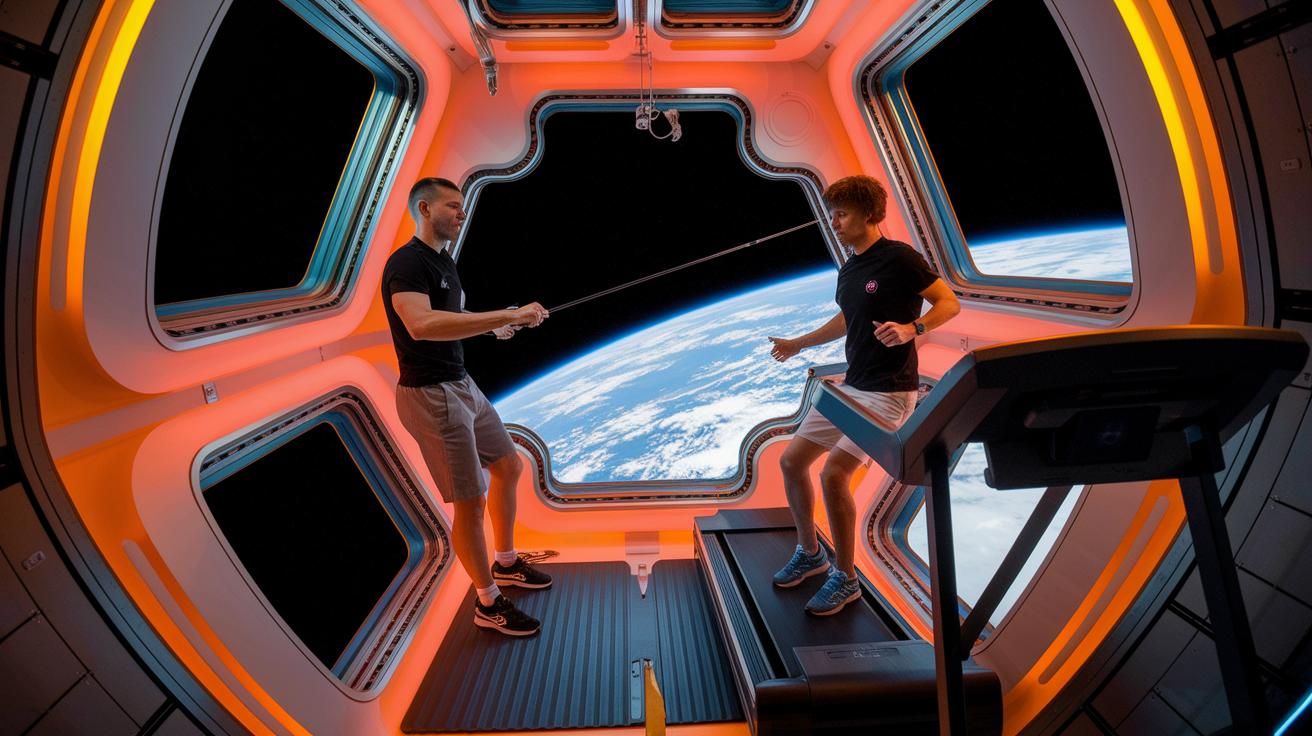
When there is no gravity, our bodies face challenges that are hard to even picture on Earth. Astronauts often see their muscles get weak (this is called muscle atrophy) and their bones lose strength because their bodies aren’t used to floating around. To fight these changes, space travelers exercise for about two hours every day. Imagine your muscles slowly shrinking just because you’re not working against gravity, that’s what astronauts deal with daily.
Living in zero gravity also shifts how fluids move inside the body. Instead of pooling in the legs, fluids rush to the head, making it look puffy and red. This shift can make the inner ear (a small organ that helps keep us balanced) act funny, leading to dizziness. Also, the extra pressure in the eyes can sometimes hurt them. It’s a bit like feeling light-headed when your blood pressure drops suddenly.
Staying in space for a long time brings even more risks, like trouble emptying the bladder properly (urinary retention) and an increased chance of developing kidney stones. These issues aren’t just small annoyances; they are real health challenges. Keeping the body fit in space isn’t only about using new technology, but also about knowing and managing the many dangers of a weightless world.
Economic Drawbacks in Space Exploration: Funding Instability and Financial Jeopardies
Space journeys cost a lot of money, even for the best planners. Building and launching rockets or sending missions deep into space is expensive, and it often squeezes budgets tight. Because these missions take many years to prepare, it’s hard to guess the final price. Imagine planning a mission and then, when it finally launches, finding out costs have shot up, suddenly, projects might stall or have to change plans.
Looking back at past missions, we see that managing space budgets is no small feat. Sometimes, a project goes over budget and must wait for extra funds, or money gets pulled from other important research. Unexpected costs can force leaders to shift funds from one area to another. This constant battle with money issues reminds us that every dollar matters. With these challenges in mind, decision-makers can work toward building stronger financial plans that keep up with the high demands of space exploration.
Historical Lessons on Risks of Space Exploration: Case Studies from Early Missions
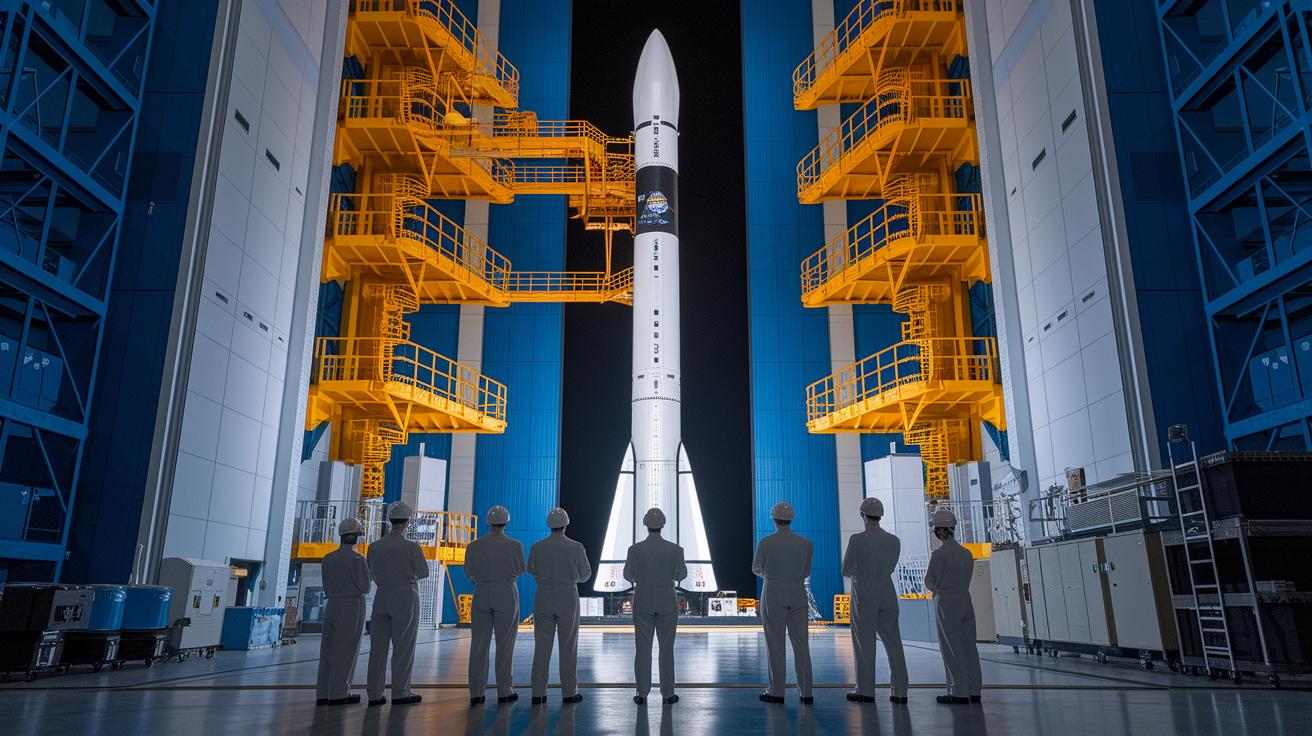
In the early days of space travel, scientists discovered that even small system faults could lead to tragic outcomes. Back then, problems with mission aborts and simple design mistakes turned into serious mishaps. Engineers found that when a rocket (launch vehicle) acted oddly or reentry steps didn’t go as planned, the crew faced big risks. Take the Apollo missions, for example. Unexpected issues with the rocket and dangerous reentry conditions put astronauts in harm’s way. These hard lessons made it clear that every system needs thorough testing in space-like conditions.
Later on, after Apollo, shuttle accidents like the one with the space shuttle challenger showed how even small errors or problems with thermal shields (heat protection) could have deadly results. These events changed the way we manage risks in space today. Engineers now look back at past errors, using them to improve safety rules and make hardware more reliable. This legacy of lessons learned guides modern space missions, helping us build safer and even bolder adventures into space.
Risk Management Strategies in Space Exploration: Contingency Planning and Safety Measures
NASA is embracing new ways to spot and manage risks during space missions. They now use something called a digital twin, which is like an online copy of a spacecraft. This copy lets engineers see how the ship might react if things go wrong. Imagine the communication system suddenly failing for a split second; digital twins give teams a chance to practice a quick fix. Before this tool came along, engineers had to depend only on past data, missing out on the benefits of real-time clues.
The agency is also using smart, AI-powered simulations that go through tons of sensor readings to find rising risks. In one deep-space mission, a little software glitch was caught early because of constant monitoring. This hint helped the team act fast and stop a problem that might have taken over the whole system.
| Risk Assessment Framework | Key Feature |
|---|---|
| Digital Twin Analysis | Real-time simulation of spacecraft conditions |
| AI-driven Simulations | Predict emerging risks through sensor data |
| Integrated Live Monitoring | Continuous tracking of system performance for proactive responses |
NASA now builds these innovations into their long-term plans. This means their missions stay safer as new types of risks come up and goals change. Have you ever wondered how emergency plans change with new technology? These advances are really changing the way NASA gets ready for the unexpected.
Final Words
In the action, we reviewed critical risks of space exploration including technical glitches, radiation exposure, microgravity effects on health, and economic challenges. We looked at both modern missions and historical cases to show how each risk demands careful attention, be it through rigorous testing or smarter safety measures.
Each insight deepens our everyday understanding of science. Embracing these challenges with optimism keeps our curiosity alive, ready for the next great breakthrough.
FAQ
What are the biggest risks for space exploration?
The biggest risks for space exploration include technical glitches, harmful radiation, microgravity health issues, and high operational costs that together threaten both safety and mission success.
What are the consequences of space exploration?
The consequences of space exploration range from incredible scientific advances to significant risks such as human health challenges, system failures, and major financial uncertainties that must be managed.
What are 5 negative effects of space travel on the human body?
The negative effects on the human body include muscle and bone loss, increased exposure to harmful radiation, fluid shifts that affect eye pressure, inner ear balance issues, and a higher risk of kidney stones.
What risks are highlighted in space exploration essays and studies?
Space exploration essays and studies highlight risks like spacecraft system failures, microgravity health issues, dangerous radiation exposure, and fiscal drawbacks, all of which require careful planning and countermeasures.
What are the pros and cons or disadvantages of space exploration?
The pros include scientific breakthroughs and technological progress, while the cons involve high costs, health hazards, and technical failures that challenge mission reliability and safety.
Why does it cost $20,000 to feed an astronaut?
The cost to feed an astronaut is high because specialized food must be produced and transported safely with strict quality standards to support life in the extreme conditions of space.
What risks do students learn about in relation to space exploration?
Students learn that space exploration involves risks such as system malfunctions, radiation hazards, microgravity effects on the body, and financial uncertainties, all of which pose complex challenges for space agencies.
What dangers or hazards are associated with space travel?
The dangers of space travel include a range of hazards like propulsion misfires, technical failures, radiation exposure, microgravity-induced health issues, and significant economic uncertainties that impact mission planning.