
Have you ever wondered if our planet is giving us clues that we just can’t ignore? Recent records show that temperatures are rising and carbon dioxide (a gas that traps heat) levels are climbing too. Daily measurements over many years reveal a steady increase in warmth, and the ice in polar areas is melting faster than ever. This clear evidence makes us think about how our own actions are changing the world around us. In this article, we explore the numbers and records that tell the story of our changing climate.
Climate Change Evidence: Temperature Records and Carbon Dioxide Trends
Since the mid-1800s, our world's average temperature has increased by about 1.1 °C. We collect daily temperature readings and monitor them over many years, which gives us clear proof that our planet is warming up.
At the same time, the amount of CO₂ in our atmosphere has jumped by nearly 50% since before the industrial era. The Keeling Curve from the Mauna Loa station, which has been tracking CO₂ levels daily since 1958, shows us just how quickly these greenhouse gases are piling up. This steady buildup offers solid, verified proof of rising temperatures and stands as one of the best-documented records of global warming.
| Indicator | Measurement | Period |
|---|---|---|
| CO₂ Increase | +50% since pre-industrial | 1750–Present |
| Temperature Rise | +1.1 °C since 1850 | 1850–2020 |
| Keeling Curve | Continuous daily CO₂ | 1958–2021 |
When we look at these long-term trends, it’s clear that the changes aren’t just part of a natural cycle. Instead, they show how human-made emissions have had a big impact on our climate. Rising temperatures and more CO₂ are altering weather patterns, ocean conditions, and the health of ecosystems. These solid records provide real evidence that our planet's changing climate is one of the most important challenges we face today.
Polar Ice Cap Melting as Evidence of Climate Change
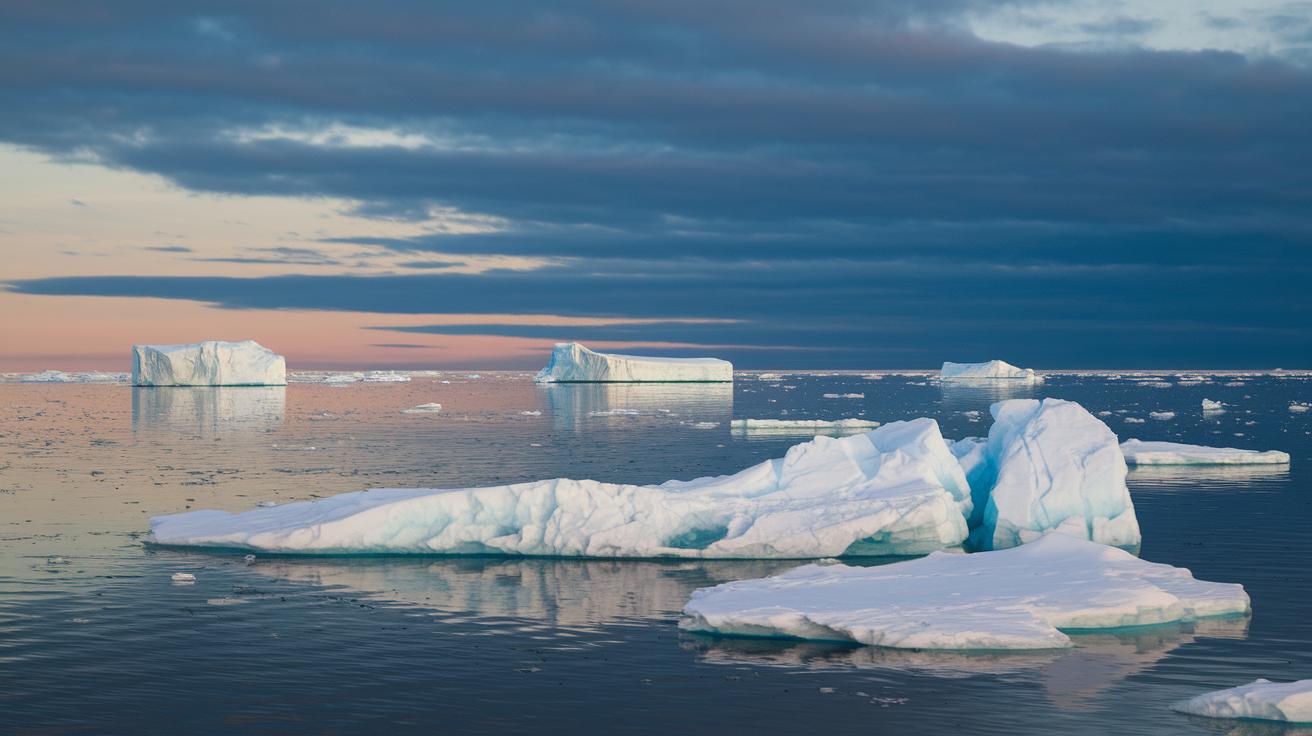
Recent studies of our planet's frozen parts show clear and measurable changes. In the cold polar regions, weather is getting warmer and causing a noticeable reduction in ice. Data from studies reveal that by 2007, the Arctic warmed twice as fast as the rest of the world, creating the perfect situation for ice to melt at an accelerated pace.
Here are some examples of what's been observed:
- Arctic summer sea ice has shrunk
- Big ice shelves, like Larsen B in 2002, broke apart
- Glaciers in mountain regions are moving back
- Satellite images clearly show a loss of ice mass
These shifts in polar ice carry big risks for our coastlines. Experts warn that if these trends keep up, the massive ice sheets in Antarctica and Greenland could melt enough to raise sea levels by up to 10 meters. That could put entire communities, important infrastructure, and delicate ecosystems in harm's way. Scientists use both satellites and ground studies to keep track of these changes, making it clear that we need to work on strategies to safeguard vulnerable coastal areas.
Sea Level Rise Indicators Reflecting Climate Change
Since 1993, scientists have been using tools like satellite altimetry and tide gauges to track changes in sea levels around the world. These devices take accurate daily readings, showing that our sea levels are creeping upward by about 3.3 mm each year. It’s a clear sign that warming temperatures are causing the ice to melt and the oceans to rise.
Long-term data from these instruments tells a consistent story. As the amount of CO2 in our atmosphere grows, sea levels go up too. Way back in 1968, scientists predicted that extra CO2 would lead to more ice melting and higher seas. And since then, real-world measurements have backed up those early forecasts, deepening our understanding of how human-caused warming affects our oceans.
In low-lying coastal areas, the rising seas bring big challenges. Towns and cities near the water are already experiencing more frequent flooding and erosion, which can damage homes and natural landscapes. Looking ahead, climate models warn us that if major ice sheets were to break apart, sea levels could surge by as much as 10 meters. That kind of rise would drastically affect both densely populated urban areas and fragile ecosystems. To learn more about these impacts, click effects of climate change.
Extreme Weather Event Surges Demonstrating Climate Change
Back in 2003, Europe experienced a brutal heatwave that showed us just how dangerous rising temperatures can be. That summer saw record-breaking heat, and tens of thousands of lives were lost because the intense warmth stressed both people and the places we live. In 2003, temperatures hit levels that were truly life-threatening, marking one of the deadliest weather events in recent memory. It makes you wonder, as our planet warms, are these extreme heatwaves going to become our new normal?
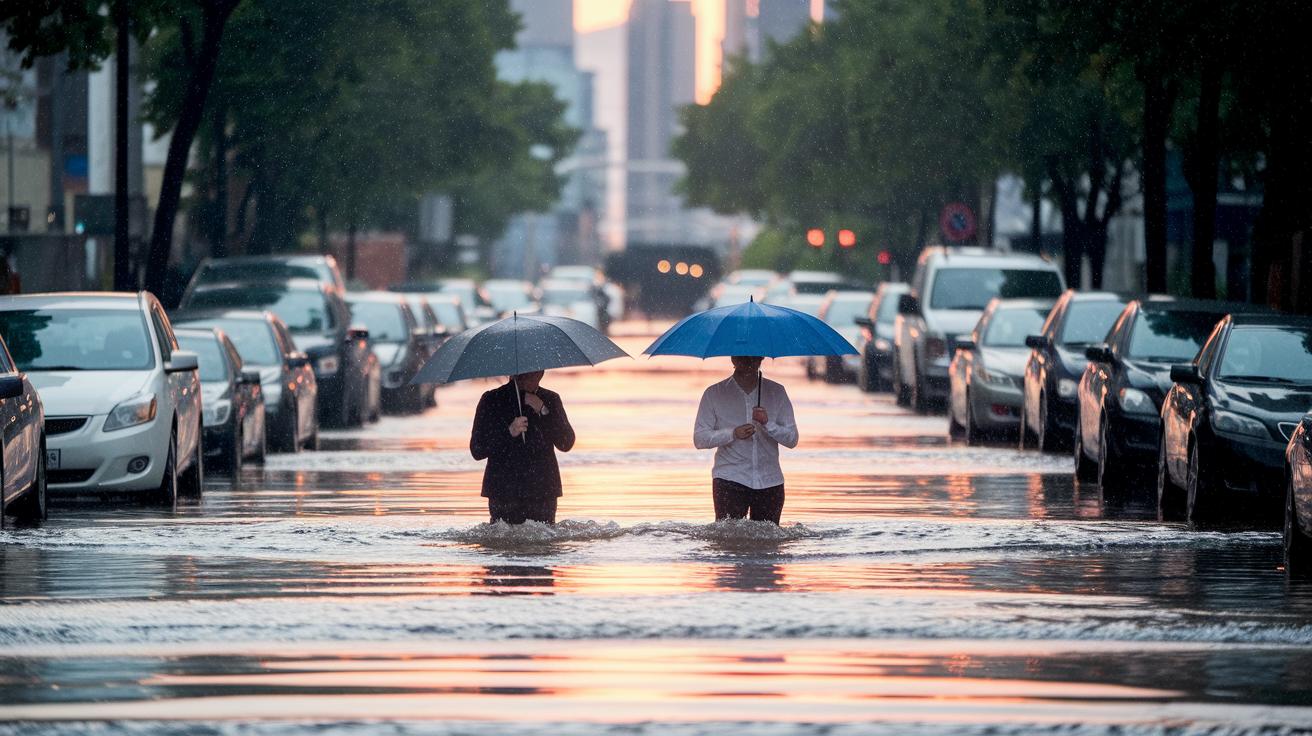
Our weather is also changing in other ways, especially when it comes to rain. In many parts of the world, shifts in rain patterns are causing both sudden floods and long dry periods. Heavy rainfalls bring quick, devastating floods that can ruin entire communities, while long periods of no rain leave farmlands parched and struggling. Observations and data show that rain is becoming less predictable, meaning we get too much water in some cases and not enough in others. This unpredictability creates huge challenges for managing water supplies and growing our food.
Warmer oceans add another layer to these extreme events. Higher sea temperatures are making storms more intense and stretching out wildfire seasons. In places like California and Australia, stronger hurricanes and longer fire danger periods frequently wreak havoc on communities. Weather records tell us that as ocean temperatures rise, they feed storms with more energy, leading to rapid and extreme weather changes. It’s a clear sign that our warming climate is pushing weather systems into more dangerous and unpredictable territories, and it leaves many communities facing really tough challenges.
Greenhouse Gas Accumulation Evidence in Climate Records
Back in 1958, Charles Keeling began a simple yet groundbreaking routine. He measured the air every day to figure out how much carbon dioxide was around. His work showed us that burning fossil fuels was raising CO₂ levels, and it set the stage for our modern view of climate change.
Fast forward to 2021, and our air now holds more CO₂ than we’ve seen in two million years! Other gases like methane (a gas that warms the Earth quickly but only for a short time) and nitrous oxide (a gas that traps heat very efficiently) are also at record highs. Research starting in 1992 found that as the oceans take in extra CO₂, the water becomes more acidic, which can hurt marine life. This link between our emissions and climate shifts is becoming even clearer each year.
Every greenhouse gas works in its own way to warm our planet. CO₂ is the main driver because we release so much of it, and it stays in the air for a long time. Methane packs a quick warming punch, while nitrous oxide holds onto extra heat for us. Together, they boost the natural greenhouse effect and alter Earth’s balance of energy, bringing about the climate changes we see today.
Peer-Reviewed Consensus as Supporting Evidence for Climate Change

Scientists from all around the world have been busy studying our warming planet. They have published thousands of research papers in respected journals, and almost every one of these studies points to human activities, like burning fossil fuels, as the main driver behind climate change.
Major Climate Assessment Reports
Since 1988, the Intergovernmental Panel on Climate Change (IPCC) has been gathering and reviewing research from countless studies to put together detailed reports. These reports show a steady rise in global temperatures and highlight a strong link between our warming planet and the increase in greenhouse gases. For example, higher levels of CO₂ (a gas produced when we burn fossil fuels) are a major factor in changing our climate.
Consensus Surveys and Literature Analyses
Large reviews of scientific papers also support these findings. One survey by Cornell University in 2021 looked at 88,125 climate-related research papers and found that 99.9% of them say human activities are causing global warming. Only a tiny handful, less than 0.1%, question this link. This overwhelming agreement, based on years of careful study, makes it clear that our climate is being changed by human actions.
Final Words
In the action of exploring temperature records, CO₂ trends, ice melt, rising sea levels, and extreme weather shifts, the article connects data points that clearly show evidence of climate change. Small tables and easy bullet lists helped break down the details so everything stays understandable. The review of greenhouse gas measurements and scholarly surveys confirms that science supports these visible changes. Staying informed allows us to discuss current insights and look ahead with a spirit of optimism and responsibility.
FAQ
What is evidence of climate change in the world?
The evidence of climate change in the world shows up as rising temperatures, increased greenhouse gas levels, melting ice, and more extreme weather according to decades of scientific measurements.
How do climate change evidence and causes connect?
The climate change evidence and causes connect as rising global temperatures and greenhouse gases (from burning fossil fuels and deforestation) lead to visible environmental shifts like shrinking ice and erratic weather.
What geographic evidence exists for climate change?
The geographic evidence for climate change includes regional temperature changes, receding glaciers, shifting growing seasons, and altered weather patterns observed across various landscapes.
Where can I find evidence of climate change in a pdf format?
Evidence of climate change in pdf reports compiles detailed records such as temperature increases, higher CO₂ levels, ice melt, and sea level rise, all documented by renowned climate research organizations.
Is the reality of climate change still debated?
The reality of climate change is supported by near-universal scientific agreement, with peer-reviewed studies showing human-driven warming and significant environmental changes worldwide.
What recent evidence supports climate change?
Recent evidence supports climate change through ongoing temperature rises, record-high greenhouse gas measurements, accelerating ice melt in polar regions, and increased frequency of extreme weather events.
What evidence of climate change is observed in Antarctica?
The evidence of climate change in Antarctica includes faster ice shelf thinning, accelerated glacial retreats, and satellite data indicating reduced ice mass and rapid melting trends.
Can you provide a short history of climate change evidence?
A short history of climate change evidence starts in the mid-19th century with documented temperature rises, later supported by the Keeling Curve’s CO₂ records, leading to today’s comprehensive climate monitoring.
What are five pieces of evidence for climate change?
Five pieces of evidence for climate change are rising global temperatures, increased atmospheric CO₂, melting polar ice, rising sea levels, and more frequent extreme weather events.
What core evidence supports the phenomenon of climate change?
The core evidence for climate change includes measurable temperature increases, higher greenhouse gas concentrations, retreating ice caps, sea level rise, and altered weather patterns across the globe.
What are five examples of observable climate change?
Five observable examples of climate change are the documented temperature rise since the 1850s, nearly 50% CO₂ increase since pre-industrial times, shrinking polar ice, rising sea levels, and extreme weather events.
What are ten causes of climate change?
Ten causes of climate change include human activities like fossil fuel burning, deforestation, industrial emissions, agricultural practices, urban growth, and other factors that elevate greenhouse gas levels and disrupt natural systems.