Have you ever wondered if one certification could change your course in aerospace? Certifications in flight safety, design, and maintenance show off your skills in a field where every detail counts.
Imagine working next to skilled engineers and technicians, all because you proved your expertise. In this article, we’ll walk through the credentials that can boost your profile and signal your ability.
Earning these aerospace certifications can open new doors in your career and help you face challenges with confidence.
aerospace certifications Propel Your Career Forward
Aerospace certifications come in many forms, and they help show that you really know your stuff whether it’s systems engineering (designing and managing complex systems), flight safety, aircraft maintenance, quality checks, or manufacturing. These certifications generally fall into groups like design and systems, operational excellence, and manufacturing standards. For instance, a FAA Flight Instructor (CFI) or FAA Airframe and Powerplant (A&P) certificate proves you can safely handle aircraft operations and upkeep. There are also courses focused on boosting quality and refining processes, including standards like AS9000 and AS9100 Rev D. Plus, there are free training resources and online classes that help you meet these tough standards.
Top aerospace credentials now play a key role in career growth, making it easier for professionals, from design engineers to technicians, to stand out. Recognized qualifications include Certified Aerospace Technician, CSEP by INCOSE (an organization that deals with systems engineering), and a Professional Engineer license by NCEES. Add in credentials like FAA Dispatcher and specialized ratings such as Certified Reliability Engineer (CRE) and Certified Quality Engineer (CQE) from ASQ, and you’re really showing off your capabilities. For example, earning a PMP from PMI proves your project management expertise. Every certification not only confirms technical skills but also shows employers that you’re reliable and highly competent in a competitive field.
Engineering Accreditation Standards for Aerospace Manufacturing
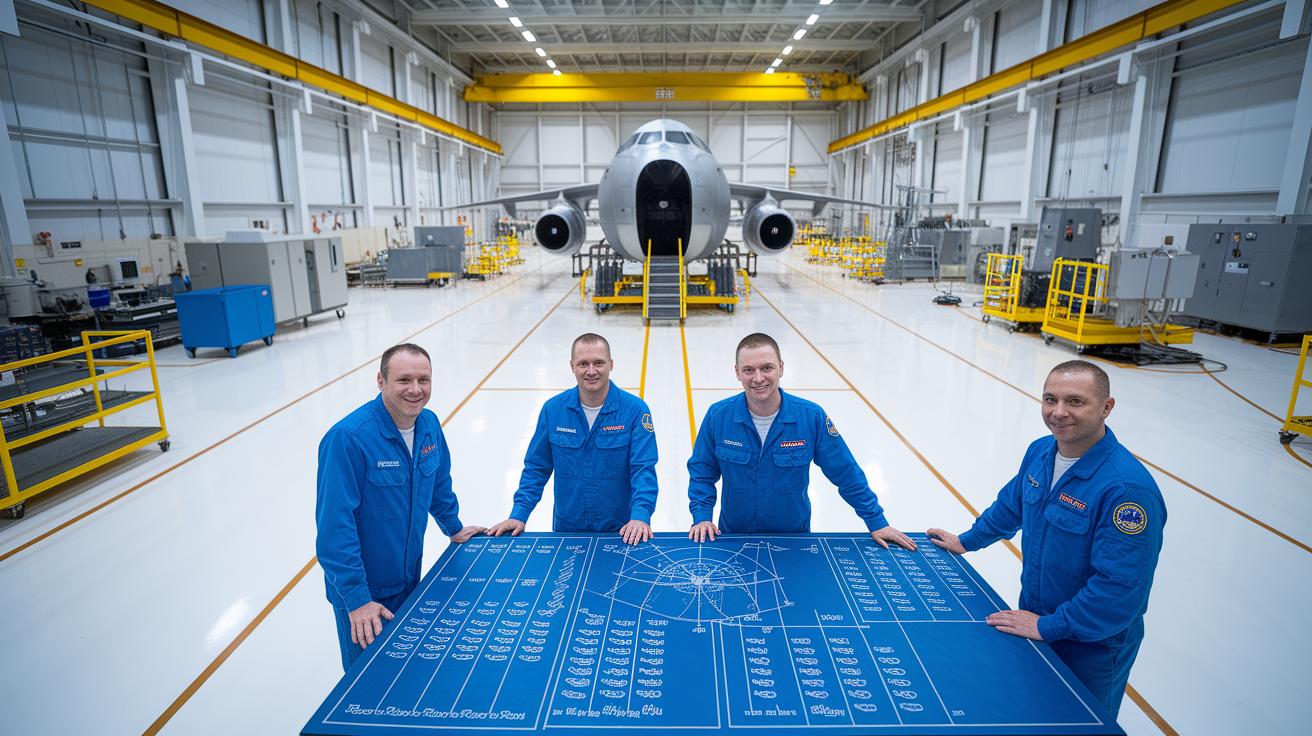
Strong, well-matched quality rules form the backbone of how we build airplanes and spacecraft. When companies follow trusted guidelines, they work more smoothly, save money, and keep customers happy. These guidelines also help firms meet important rules and pass tough testing. They offer a clear path for quality checks while helping manufacturers simplify their work and keep high standards.
AS9000
• AS9000 started in 1997 by top contractors in aerospace. It focuses on getting everyone on the same page with their processes. Think of it like following a favorite recipe in a busy kitchen to keep safety and quality checks consistent.
AS9100 Rev D
• AS9100 Rev D is based on ISO 9001:2015 and adds special rules just for aerospace. It usually takes about four months from planning to audit, ensuring that companies follow these extra steps needed for the industry.
NADCAP
• NADCAP gives special approval for unique manufacturing tasks using a common set of audit rules. It’s like everyone speaking the same language to make sure every expert is on the same quality page.
| Standard | Year Introduced | Scope | ISO Alignment | Certification Time (months) |
|---|---|---|---|---|
| AS9000 | 1997 | Process Alignment | N/A | Varies |
| AS9100 Rev D | 2016* | Aerospace Quality Management | ISO 9001:2015 | 4 |
| NADCAP | 1990 | Special-Process Approval | Industry Audit Criteria | Varies |
*Note: The revision year for AS9100 Rev D reflects its most widely adopted version.
Professional Aerospace Credentials and Career Pathways
Professional aerospace credentials prove you have the real-world skills needed for maintenance, operations, and design. They also show you’ve met extra certification requirements that open up career opportunities. If you’re curious about the basics of engineering, take a look at what is aerospace engineering.
- Certified Aerospace Technician: Awarded by a respected aerospace organization, this certification requires at least two years of hands-on work that shows you’re skilled in maintenance.
- CSEP: Issued by INCOSE, this credential needs you to have strong experience in systems engineering (basically, knowing how different parts work together).
- Professional Engineer (PE) License: Granted by NCEES, this license requires an accredited technical degree along with plenty of industry work that proves your ability to lead design projects.
- FAA Flight Instructor (CFI): Given by the FAA, this certificate shows you have solid flight experience and instructor training that boosts safety.
- FAA Airframe & Powerplant (A&P): Also from the FAA, this certification confirms you’re an expert in aircraft maintenance and mechanics.
- FAA Aircraft Dispatcher: This FAA credential makes sure you have proven experience in flight operations to keep all procedures running smoothly.
- Certified Reliability Engineer (CRE): Issued by ASQ, this certification proves you know how to test quality and reliability using data-driven methods.
- Certified Quality Engineer (CQE): Also from ASQ, this certificate shows you’re well-versed in quality assurance practices to ensure precision.
- CRMA: Provided by IIAR, this certification requires a solid grounding in risk management practices, which helps you make smart, strategic decisions.
- PMP: Awarded by PMI, this certification is for those with substantial project leadership experience, showing you can manage complex projects.
Each of these certifications not only validates your specific technical skills but also guides you toward roles that fit your expertise. For instance, a Certified Aerospace Technician shows you can handle essential maintenance tasks, while a Professional Engineer license paves the way to lead design projects and drive innovation. FAA certifications prepare you for key flight-related roles, and the credentials in quality, risk, and project management highlight your ability to oversee and guide major projects.
Navigating the Aerospace Certification Process

Before you apply, it's important to double-check that your education and work history meet the basic requirements. Many aerospace certifications want to see proof of a technical degree and a couple of years of hands-on experience (real-life, practical work). You might have to fill out detailed forms, share your official records, and sometimes even attend an interview. Take a moment to make sure that your background perfectly fits the certification criteria and gather all your documents in advance. This way, your degree and work experience will clearly connect with the aerospace field and help your application shine.
After your application gets the green light, the next step is to get ready for exams and evaluations. Most exams come with 100 to 200 multiple-choice questions or include practical tests that match your area of expertise. These tests check both what you know in theory and your hands-on skills. You can prepare by studying the official course materials, taking formal training classes, and practicing with sample tests and mentorship programs. Many people find that mixing self-study with structured lessons really helps them identify where they need to improve.
Keeping your certification up-to-date is just as important. Most credentials in the aerospace field require you to earn Continuing Education Units (CEUs) every two or three years, or sometimes take a full retest. This process makes sure that professionals stay in tune with the latest industry practices and standards. Staying updated can be as simple as reviewing official updates, attending refresher classes, or participating in industry seminars.
Selecting Accredited Programs and Resources for Aerospace Certification
When picking an aerospace certification program, it's key to check the school's accreditation and overall reputation. Look for courses honored by trusted groups like ABET, ICEAA, or FAA-approved agencies. This means that the teachers really know their subject, the lessons are well planned, and you even get hands-on training. You should also ask if the course covers modern topics like propulsion systems (the parts that move an aircraft), avionics (the gadgets inside planes), composites (strong, light materials), and quality management. That way, you know the course is up to date and covers all the important stuff.
There are great options from both classic universities and well-built online platforms. For instance, programs like MIT’s Aerospace Studies and Embry-Riddle’s Flight Career Programs are famous for sticking to high academic standards. And if you prefer learning online, sites like NASA’s e-learning portal or SAE International courses mix lectures, simulations, and project work in a neat package. They regularly review their courses to keep them top-notch and true to the latest standards.
Also, don't overlook free study tools to help you prepare for exams. FAA handbooks and ASQ webinars, along with other no-cost resources, give you the latest ideas and real-world examples. These materials can boost your confidence and keep you sharp for certification tests. In short, using these free resources can make your study journey smooth and accessible.
Final Words
In the action, this article took you on an insightful ride through the bigger picture of aerospace certifications. We explored how quality standards shape manufacturing and career paths, broke down key credentials, and looked at the practical steps needed for exams and renewals.
Every section shows that learning about aerospace certifications can be both clear and exciting. Keep exploring the field and watch as each step builds your future.
FAQ
What is included on an aerospace certifications list?
The aerospace certifications list includes credentials like AS9000, AS9100 Rev D, NADCAP, FAA certifications, and Certified Aerospace Technician. These validate skills in areas such as quality, safety, and maintenance.
How can I access aerospace certifications online and free aerospace certifications?
The aerospace certifications online are available via e-learning platforms and online forums, while free aerospace certifications can be found through FAA handbooks, webinars, and free resources provided by industry groups.
What are the best aerospace certifications available?
The best aerospace certifications include AS9100 Rev D, NADCAP, Certified Aerospace Technician, and FAA certifications. These credentials help boost career growth by verifying expert knowledge in the aerospace field.
What certifications exist for aerospace engineers and what does being a Certified Aerospace Engineer (CAE) mean?
Aerospace engineers can earn credentials like CSEP, a Professional Engineer license, and FAA certifications. A Certified Aerospace Engineer (CAE) status shows proven technical expertise and builds trust with employers.
What is the Certified Aerospace Technician certification and what is its core salary?
The Certified Aerospace Technician certification confirms skills in maintenance and systems checks. The core salary for a Certified Aerospace Technician varies with location and experience, generally offering competitive, industry-standard pay.
What quality certification exists for aerospace?
The quality certification for aerospace includes standards like AS9000 and AS9100 Rev D, which focus on aligning processes and ensuring that aerospace products meet strict quality assurance measures.
What licenses or certifications are required to be an aerospace engineer?
An aerospace engineer typically needs a related technical degree and certifications such as a Professional Engineer license, CSEP, or FAA credentials, depending on the specific role and responsibilities in the industry.
What is AS9000 certification?
AS9000 certification is a quality management standard established by top aerospace contractors. It focuses on making sure manufacturing processes align with important quality assurance practices.
What college is considered the top in aerospace engineering?
MIT is often recognized as the top college for aerospace engineering due to its innovative research, strong industry ties, and comprehensive aerospace studies that prepare graduates for the field.