
Have you ever wondered how a plane manages to fly smoothly even when the skies get bumpy? The answer lies in its flight control system. It uses sensors (small devices that notice changes), tough computers, and clever software that work together like a well-practiced band. Picture the system making tiny adjustments to the plane’s tilt, turn, and twist many times in just one second, kind of like a drummer keeping a steady beat. Together, these pieces help the plane dodge sudden air bumps and keep the ride stable. It’s all about precision, turning a flurry of data into a safe and smooth flight experience.
Achieving Core Flight Control System Design Principles
A flight control system blends sensors (like an IMU, which measures motion, and pitot-static sensors that check air pressure), a flight computer, actuators, and special software. All these parts work together closely to keep the plane steady by controlling its pitch, roll, and yaw. I once read a cool fact: before she became famous, Marie Curie used to carry test tubes with radioactive material in her pockets, unaware of the dangers ahead!
Deep inside the system, smart signal processing turns data into commands that adjust the control surfaces. These control loops work about 100 to 200 times each second (that’s measured in Hertz), which means the system can react quickly to any bumps or changes in flight. Engineers also use design tools that let them cut integration time by nearly 30%, making the whole testing process faster and smoother.
The design journey starts with defining exactly what the system should do. Next, engineers build detailed models to simulate how the plane will move in the air, helping them predict behavior. Once these models are ready, they design the control laws, ranging from simple feedback loops to more complex methods that keep the plane stable even in tough conditions. Finally, rigorous tests make sure every piece meets the strict safety and performance standards.
Aerospace engineering (learn more about it here what is aerospace engineering) is woven into every step of this process. It offers key insights to balance high performance with the safety required for Level A systems as set by DO-178C and DO-254 (these are guidelines for software and hardware in aviation).
Control Algorithm Development in Flight Control System Design
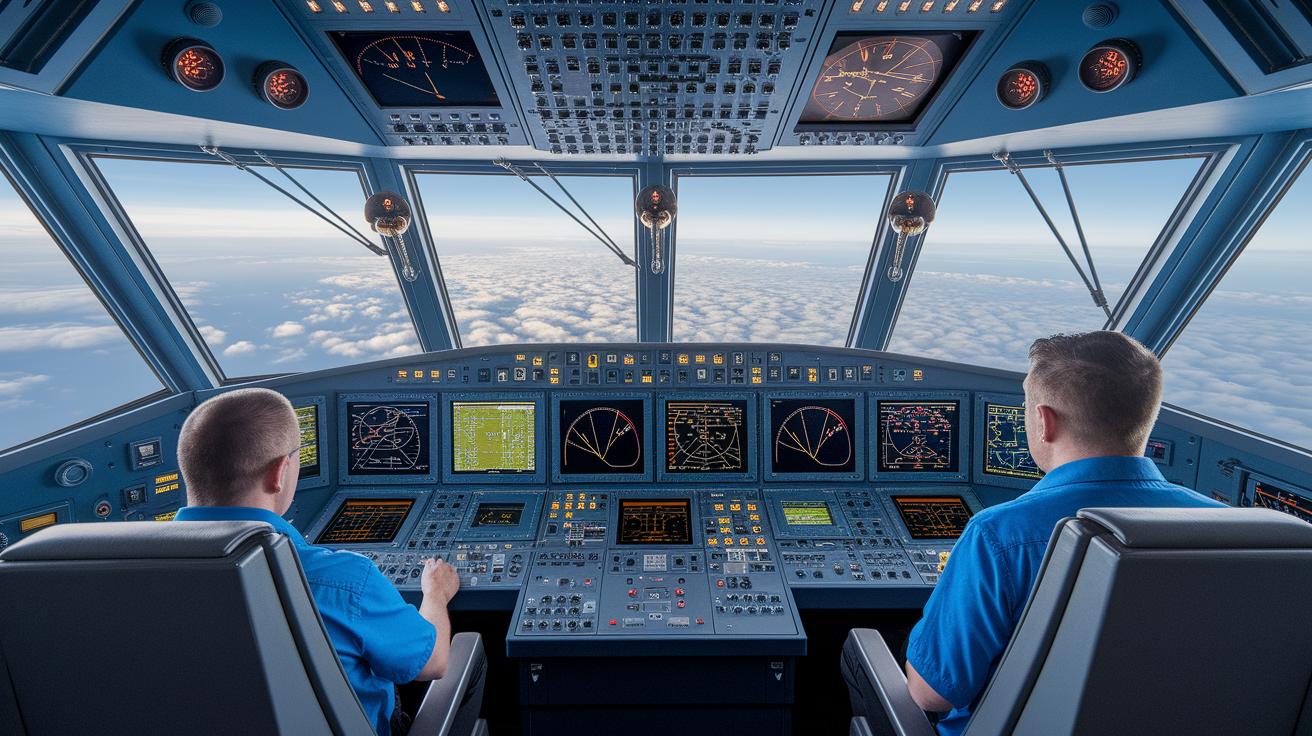
At the heart of every flight control system are a variety of smart algorithms that keep an aircraft stable during each stage of its journey. Engineers often use reliable PID controllers (a basic method that adjusts outputs by measuring errors) along with newer techniques like LQR (a tool to optimize control actions), H∞ (a method that handles uncertainties), and model predictive control (a way to predict how a system will behave). One clever approach is to use a discrete-time method running at 100 Hz with Ziegler-Nichols gain tuning, which simply means the system recalculates its settings 100 times per second to stay responsive. For example, advanced guidance algorithms can boost performance by 20% just by fine-tuning PID settings with the Ziegler-Nichols method.
When it comes to developing algorithms for autonomous flight, the control system adapts to altitude changes using gain-scheduling. In simple terms, it tweaks the controller’s response as the aircraft moves from lower heights all the way up to 12,000 meters. Engineers often combine different strategies, known as hybrid control approaches, to balance speed with reliability. They also use adaptive methods, like L1 adaptive control for envelope protection, which help keep the system performing safely even when flight conditions suddenly change.
Each of these methods has its own pros and cons. PID tuning, while straightforward, may not be robust enough for rapidly shifting conditions. On the other hand, advanced techniques like model predictive control provide greater stability but require more computing power. Ultimately, engineers must carefully compare these trade-offs to design a system that delivers efficient autonomous flight while remaining reliable.
In practice, blending hybrid control algorithms with adaptive techniques strengthens the system’s ability to handle real-world challenges, ensuring every flight stays as smooth and steady as possible.
Simulation and Modeling for Flight Dynamics in System Design
Engineers use flight dynamics simulation and detailed system models to guess how an airplane will behave before any real flight tests start. They often work with MATLAB/Simulink to build 6-DOF (six different ways an object can move) models that cover every twist and turn an aircraft might do. These tools let them see how control surfaces (the parts that steer the airplane) interact with the force of the air, all in real time.
ANSYS Fluent is also key here. It helps engineers look at how air flows around control surfaces by using computational fluid dynamics (a method to study how fluids behave). For example, at speeds near Mach 0.8, this tool helps sort out how air separates from the surfaces. This understanding is essential to know how air moves over wings and tail parts during sharp maneuvers.
One cool aspect of today’s simulation process is the hardware-in-loop setup. By connecting dSPACE platforms, engineers can mimic the way sensors and actuators (devices that move parts of the aircraft) work, cutting testing costs by about 40%. They also include pilot-in-loop tests with a 50 ms delay to match how quickly a human might respond, making sure any delay is built into the control plan.
Digital twin verification steps things up a notch by matching a virtual model closely to a real airplane. This digital twin stays within 2 percent of the results seen in flight tests. In truth, a digital twin (a virtual copy of something real) helps engineers smooth out system behavior before the plane ever takes off. Learn more about digital twin technology at digital twin technology.
In short, key simulation tools and techniques give valuable feedback during the design process. With repeated modeling and hands-on testing, these tools fine-tune control systems so every part of the flight controls works as it should under different flying conditions.
Integrating Avionics Hardware and Software in Flight Control System Design
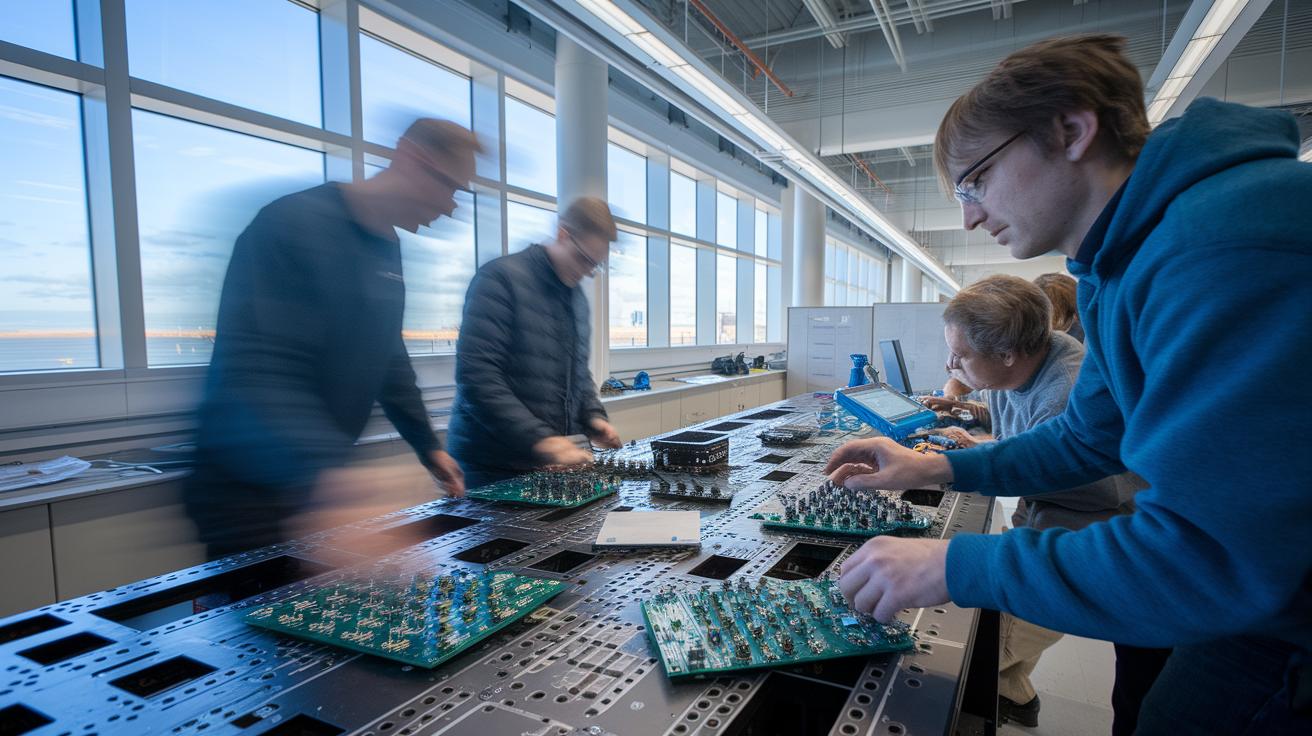
Engineers mix modern hardware with smart, real-time software to build flight control systems that act in the blink of an eye. They use special hardware like ARINC-653 RTOS (a type of operating system for safety-critical applications), ARM Cortex-R (a fast processor), and Intel Core i7 RTU (a high-performance computing unit) as the building blocks. These parts help push microcontroller designs to the max so every bit of information moves smoothly across data buses like MIL-STD-1553B and ARINC-429 (simple communication channels between systems).
The software side follows strict rules set by DO-178C Level A (safety guidelines for aviation software). Engineers often start with auto-generated C code from tools like Simulink, then carefully adjust it to meet tough safety and performance goals. Every control loop works within a tiny 1-millisecond window, meaning each signal gets processed almost instantly. They also run board-level EMC tests to MIL-STD-461 to make sure the system stays strong, even in busy electromagnetic settings.
Communication is key. Sensors, flight computers, and actuators constantly share data with each other, and engineers keep a close eye on timing and error checks. This careful planning reduces delays and mistakes that might hurt flight safety. For instance, a sensor’s reading is quickly processed, checked, and then turned into a command, all thanks to the brilliant blend of advanced hardware and precise software.
Following important aviation standards is a must. Engineers gather test data, run millions of simulations, and check each part under many conditions so the whole system is both fast and dependable. In this way, combining state-of-the-art avionics hardware and software creates a system that makes modern flight controls both precise and reliable.
Engineers also use special certification tools to double-check every piece of the system. This means lots of testing, detailed debugging, and real-world scenario simulations, ensuring each microcontroller and real-time unit works as it should, making the whole setup even more sturdy.
Reliability, Fault Tolerance and Redundancy in Flight Control System Design
Modern flight control systems are built on strong designs that keep working even when some parts fail. They use three flight computers that work together like a team. If one computer gives a wrong result, the system quickly compares all three answers (within just 100 microseconds) to decide on the best command. This way, even a tiny mistake gets caught right away.
The system spots problems by doing simple math checks (checksums) and comparing results across channels. Using guidelines from ARP 4761, it can diagnose faults in real time and switch modes in less than 10 milliseconds. It’s kind of like noticing a small dip in the steady hum of an engine and immediately adjusting its performance.
The design also pairs two-channel actuators with built-in backups, so a secondary control plan automatically takes over when needed. Actuator tests that go past 50,000 cycles prove the system can run safely over the long haul. Plus, the whole setup is built on solid fault-tolerant engineering principles, ensuring every part of the system stays in control even when surprises occur.
- Reliability through smart backup strategies
- Quick fault detection using simple math checks and channel voting
- Backup controls that keep the flight stable
Each of these safety measures works together to build a flight system that carefully balances top performance with the safety we all count on.
Regulatory Standards and Certification Pathways for Flight Control System Design

Flight control systems have to follow very strict rules to keep everyone safe. Guidelines like DO-178C for software (especially for Level A, which means the highest safety level) and DO-254 for hardware are the standards every safety-critical system must meet. For example, every single line of code is tracked, and tests ensure that all decision paths (known as MC/DC, or modified condition/decision coverage) are fully checked – much like making sure every piece of a puzzle fits perfectly.
The rules aren’t just about the software or hardware alone. Organizations like the FAA and EASA set frameworks (FAA FAR 25.1309 and EASA CS-25) that require in-depth analysis and tests so that no detail is missed. Validating a flight control system happens in five clear stages:
- Unit tests to check each module on its own.
- Integration tests to see how parts work together.
- System tests to understand how the whole system behaves.
- Ground acceptance tests to perform pre-flight checks.
- Flight tests to evaluate performance in real conditions.
These steps use both computer simulations and hands-on tests to catch problems early. Engineers work through each phase to ensure that every part of the flight control system meets the high demands of modern aviation safety.
Final Words
In the action, we broke down the core elements of a flight control system design, from sensor integration and control algorithms to simulations and safety checks. Each section peeled back layers on how embedded software meets real-time hardware and smart testing methods, making sure every bit works seamlessly under strict regulatory standards.
By connecting these simple ideas, you see how parts like sensors and control algorithms team up to keep flight systems robust and safe. It's a great peek into the amazing world of flight control system design and its bright future.
FAQ
What does a flight control system design pdf include?
The flight control system design pdf outlines detailed system integration of sensors, control loops, and verification methods. It explains design stages and compliance with standards like DO-178C and DO-254 to guide engineers.
What does flight control system design software do?
The flight control system design software simulates flight dynamics and control laws. It enables engineers to model system behavior, perform hardware-in-loop testing, and optimize control algorithms for robust aircraft performance.