Ever wonder if a money shortage might delay a life-saving discovery? When research doesn’t get enough funds, studies that could save lives may have to pause.
In truth, federal agencies, dedicated nonprofits, and private donors all join forces to keep research rolling. Each grant is like a tiny spark that turns ideas in the lab into treatments that help people every day.
Stick with us to see how steady support now builds a healthier tomorrow.
Overview of Medical Research Funding Landscape
The NIH is the largest public supporter of biomedical research worldwide. It funds key projects like vaccine development, insulin research, anesthesia improvements, and new treatments for infections. Its support reaches every part of health care, acting as the backbone that saves lives. Think about it, today's vaccine breakthrough could help millions tomorrow.
When NIH funding stops or slows down, the effects can be huge. Research projects face delays that might cost lives and even lead to job losses. These pauses shake our confidence in how we innovate in health care and slow our fight against diseases. Even small gaps in funding can make it tough for scientists to turn lab work into life-saving treatments.
Three main funding sources keep medical research moving forward. Federal agencies have a steady hand, supporting basic science research. Nonprofit foundations, driven by caring philanthropists, step in to fund projects that have long-lasting benefits. And private investors back biotech startups and fresh ideas that sometimes kickstart big breakthroughs. Together, these funding streams create a diverse network that drives innovation and builds a strong foundation for the future of global health care.
Federal Medical Research Grant Programs

Back in the 1940s, Vannevar Bush set in motion a plan that brought steady government support to basic science. His ideas helped create important agencies like NIH (National Institutes of Health) and NSF (National Science Foundation), and these organizations have been key to sparking major breakthroughs in how we understand and treat health issues. Over time, federal research funding has grown into a well-organized system designed to push scientific inquiry and clinical progress forward. And you know, even small setbacks, like a delay in NIH review meetings, can slow down discoveries that might one day change lives.
| Agency | Program | Eligibility | Deadline |
|---|---|---|---|
| NIH | Research Project Grant (R01) | Academic and clinical institutions | February, June, October |
| NSF | Research Grants | Universities and research organizations | February cycle |
| DHHS | Grant Opportunities in Health | Public health organizations and institutes | June cycle |
| Department of Defense | Medical Innovation Grants | Defense-related and health research collaborations | October cycle |
Federal grant cycles typically run in February, June, and October. After a proposal is submitted, a group of expert reviewers usually meets about three months later to assess it. Award amounts can really vary, a project may get anywhere from several hundred thousand dollars to a few million dollars, based on its scope and the specific program requirements. Essentially, these competitive grants support solid scientific methods paired with clear, realistic budgets, moving medical research from the lab to real-world applications while keeping everything above board. The NIH, in particular, remains a cornerstone for advancing health care innovations that benefit us all.
Nonprofit and Philanthropic Funding for Medical Research
Big foundations like the Bill & Melinda Gates Foundation, the Howard Hughes Medical Institute, and the Wellcome Trust lead the way in funding medical studies. They back projects that tackle major issues like global health, infectious diseases, and vaccine development. Their awards have sparked important breakthroughs that lead to new treatments and smarter ways to diagnose health problems.
These organizations usually offer grants that last for several years, helping researchers share ideas and work together no matter where they are. They provide travel allowances and extra funds to support teamwork and collaboration, which really makes a difference when improving health care worldwide.
Typically, these grants range from $100,000 to $5,000,000. Researchers from universities, nonprofits, and global teams all have a shot at applying, with two key application windows, one in March and another in September. The review process looks for clear goals, step-by-step achievements, and strong partnerships among diverse groups. The focus is on innovative projects that can change medical practices and boost public health.
By offering steady and flexible funding, these foundations create networks that turn promising ideas into real advances. Their support not only empowers researchers but also makes a far-reaching impact on communities everywhere.
Funding for Medical Research Sparks Grant Success

Private money from companies and investors is playing a huge role in driving new medical breakthroughs. Big companies and venture capital groups are putting their focus on exciting areas like precision medicine (tuning treatment specifically for you) and innovative diagnostic tests. Even ideas that are just starting out can get strong backing, helping projects move from the lab to actual patient care. This kind of funding fills gaps where government support might be limited and encourages fresh, flexible problem solving.
Venture Capital in Healthcare
Venture capital investors are key partners for projects that show both strong science and market promise. They back breakthroughs like precision medicine and next-generation diagnostic tools while managing large funds. They hunt for chances where innovative technologies meet real market needs. Their support goes beyond just money, they offer strategic guidance too. For example, a Series A funding round might bring in between $5M and $20M to help turn a promising idea into a practical medical product.
Angel Investment in Medicine
Angel investors often back innovations that big firms might miss. These individual backers typically write checks from about $25K to $250K, focusing on early-stage projects like gene-editing tools (technology that can modify genes) and digital health platforms. They review proposals carefully and offer hands-on help, making sure these ideas have the potential to grow and succeed.
Biotech Startup Funding
Funding for biotech startups usually happens in stages, such as seed rounds and Series A financings. Seed rounds often bring in between $500K and $5M, which helps founders build early prototypes and clear initial proof-of-concept milestones. This early investment stage is crucial for forming key partnerships and securing a strong foothold in the competitive market.
Effective Grant Application Strategies for Medical Research
When you dive into the peer review funding process, it all comes down to knowing what the reviewers are looking for. Researchers need to explain their goals in simple, clear language. For example, when you state your objectives plainly in your Specific Aims, you help everyone understand why your project matters and how it tackles the problem. I once read a proposal that nailed this, making each point easy to connect with the overall research issue. This clarity can help overcome bumps like unexpected pauses in NIH review meetings.
Another key strategy is to tie your proposal closely to the agency’s mission. Agencies are looking for projects that meet their public health priorities and long-term goals. So, it’s smart to show exactly how your work supports these needs. Consider your proposal as a direct response to the agency’s call for ideas. This approach removes any doubt as to why your research is important and relevant.
Building a budget that makes sense and setting clear milestones is also vital. A solid proposal features a detailed budget and a timeline that explains when each part of the project will happen. Reviewers appreciate when you include some early data to show your project is realistic and doable. A well-laid-out budget tells them exactly where every dollar goes and how it pushes the research forward.
Finally, don’t forget the basics: clear writing, proper formatting, and checking every submission detail. Taking the time to proofread and ensure everything meets the guidelines can make all the difference between a promising idea and winning the funds you need.
Case Studies of Successful Medical Research Funding
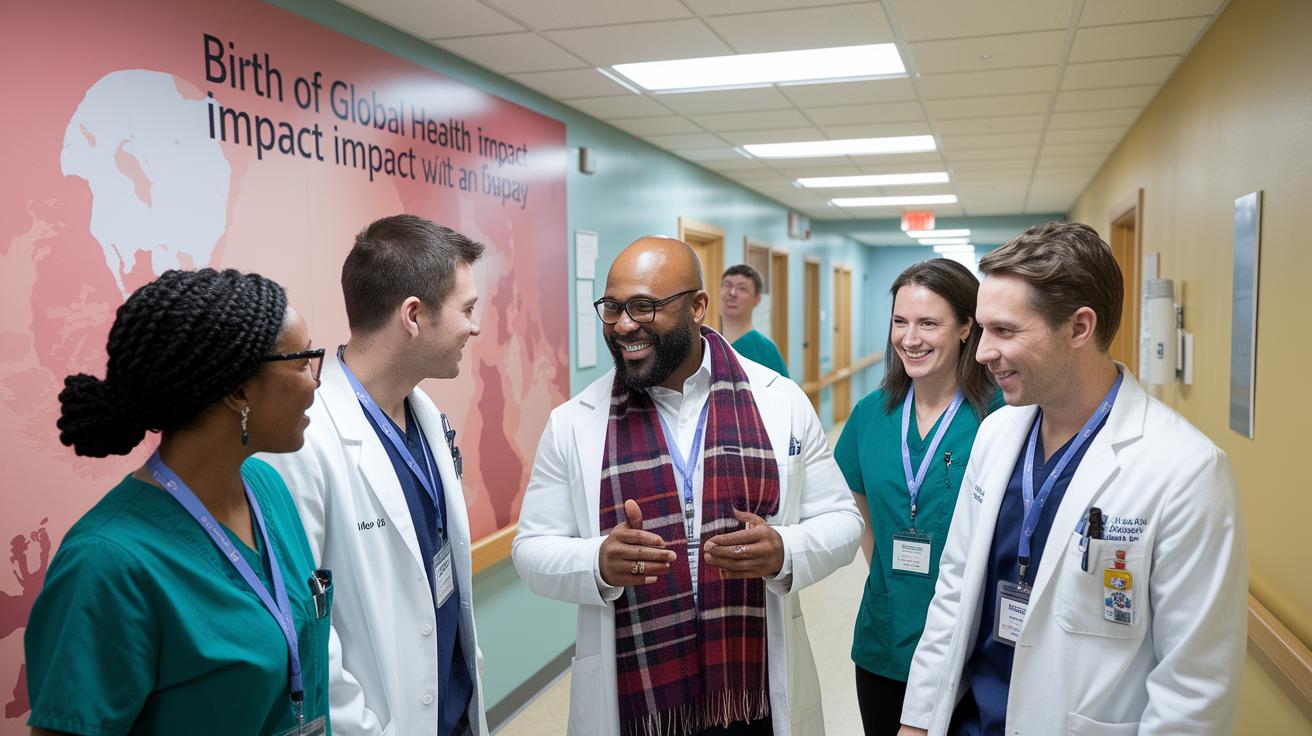
More than 30 years ago, Partners In Health kicked off a game-changing project that has reshaped how care is delivered around the world. They showed that with strong academic research grants and clinical trial funding, even regions with few resources can see big improvements in healthcare. This initiative still makes a difference today. Imagine this: a simple idea, born in a tough environment, grew into a model that now lights the way for global healthcare efforts.
Another clear example comes from the Penn Emergency Medicine Clifton Center for Medical Breakthroughs. They snagged a $15M NIH R01 award to push forward photomedicine (using light to treat diseases). This boost helped their team work on new treatments for infections that really make a difference for patients. Their project set clear goals and marked progress along the way, showing how smart investments can drive important advances and fuel ongoing innovation.
In 2019, researchers in imaging secured NSF funding to speed up diagnostic techniques. Their work focused on fine-tuning imaging methods for quicker and more accurate clinical trials and diagnosis. This funding really helped streamline diagnostics and improve research efficiency. Projects like these prove that steady financial support is key to turning creative ideas into life-changing medical breakthroughs.
Final Words
In the action, this post mapped out the landscape of funding for medical research by highlighting federal agencies, nonprofit foundations, and private investors. It walked through key programs like those from the NIH and NSF, shared clear tips for writing strong proposals, and brought case studies to life.
We wrapped up by showing how strategic funding builds real breakthroughs in healthcare. Every insight reminds us that persistent support fuels progress and inspires innovation in science every day.
FAQ
How can I search for NIH grant opportunities, including programs for seniors, by PI, or by name?
Searching for NIH grants involves using the NIH online database, where you can filter results by criteria like senior programs, principal investigator names, and specific funding opportunities for upcoming years.
What impact do cuts in medical research funding have on progress and jobs?
Reductions in funding can slow the progress of new treatments, affect job stability in research fields, and challenge the advancement of critical public health initiatives.
What research grants are available for individuals?
Individual researchers can apply for grants from federal agencies like NIH, nonprofit foundations, and private investors, each with its specific eligibility and application guidelines.
Who is the largest source of funding for medical research?
The NIH is the largest public funder of biomedical research, supporting projects in areas such as vaccines, treatments, and innovative healthcare solutions.
How can I get funding for my research project?
Funding can be secured by submitting well-prepared proposals to federal programs like the NIH and NSF, as well as to private foundations and investors, aligning with specific agency priorities.
Who is eligible to receive MRC funding?
Eligibility for MRC funding generally includes established researchers at recognized institutions who meet defined criteria, with guidelines available in detailed program announcements.
How hard is it to secure an NIH grant?
Obtaining an NIH grant is highly competitive—with success rates near 20 percent—requiring well-crafted proposals that clearly match the agency’s research priorities.