
Ever wondered how a risky spacewalk could lead to a giant leap for all of us? The Gemini missions were the bridge between those first manned flights and the amazing moon landings that followed.
These missions really pushed what astronauts thought was possible. They tested new ways to connect space modules (called docking) and even spent almost two whole weeks orbiting the Earth. It was like a big experiment that changed our whole approach to exploring space.
In this story, we'll see how Gemini's bold moves paved the way for our lunar journeys and forever changed how we travel among the stars.
Comprehensive Overview of NASA’s Gemini Space Missions
Project Gemini took place from 1964 to 1966. It served as the critical bridge between the early Mercury flights and the bold Apollo lunar missions. The program featured 12 flights in total, two uncrewed tests (Gemini I and II) and ten crewed missions (Gemini III through Gemini XII). The teams worked hard on crucial tasks like perfecting how spacecraft meet and dock, and even tested long trips in space, with Gemini VII soaring for 14 days. They also installed new onboard systems to boost control and safety, setting the stage for later moon landings.
One of the most memorable moments came during Gemini IV when astronaut Ed White stepped outside his spacecraft for America’s first spacewalk. Imagine floating in the vast darkness of space with only the hum of your suit for company! His daring move proved that humans could work outside their spacecraft under extreme conditions, opening the door for future spacewalks.
The Gemini missions also fine-tuned docking techniques with the Agena target vehicle, a key step for later missions when the Lunar Module needed to connect with the Command Module. They combined hands-on manual control with emerging computer guidance systems (technology that helps steer the spacecraft) to create a balanced approach to space travel.
Project Gemini was more than just technical achievements. It marked a transformative chapter in the space race and has left a lasting legacy on how we explore space today.
Timeline of Gemini Space Missions and Key Milestones

The Gemini missions changed space travel by testing essential techniques for longer and bolder journeys. They started with simple, unmanned shakedown flights and moved on to complex maneuvers like meeting and docking with other spacecraft, a crucial step for later moon missions. Check out the table below to see the launch dates, objectives, and outcomes of each mission.
| Mission | Launch Date | Objective | Outcome |
|---|---|---|---|
| Gemini I | Apr 8, 1964 | An unmanned Titan II shakedown test | Showed that the rocket worked as expected |
| Gemini II | Jan 19, 1965 | Uncrewed test of reentry and heat shield | Proved reentry worked and the heat shield held up |
| Gemini III | Mar 23, 1965 | The first flight with a crew, completing three orbits | Had some thruster problems; earned the nickname “Molly Brown” |
| Gemini IV | Jun 3–7, 1965 | Showed a spacewalk and took photos of Earth | A 23-minute spacewalk was successfully completed |
| Gemini V | Aug 21–29, 1965 | An eight-day endurance flight to check fuel-cell performance | Demonstrated that long trips and systems reliability were possible |
| Gemini VI-A | Dec 1965 | Practiced meeting and docking in space | Successfully completed a crewed rendezvous |
| Gemini VII | Dec 1965 | A long-duration orbit test | Proved the spacecraft could last over time with its systems |
| Gemini VIII | Mar 16, 1966 | Tested docking with an Agena target vehicle | Managed to dock even after a spin problem |
| Gemini IX-A | Jun 3–6, 1966 | Checked spacewalk safety and booster performance | Found that the visor overheated during the spacewalk |
| Gemini X | Jul 18–21, 1966 | Combined two Agena rendezvous with science experiments | Successfully coordinated rendezvous and gathered data |
| Gemini XI | Sep 12–15, 1966 | Tested a high-altitude tether, paving the way for future GPS work | Provided useful experimental data |
| Gemini XII | Nov 11–15, 1966 | Final training for spacewalks and a precise reentry test | Landed within 700 feet of the intended spot |
Each mission used new onboard tools and better communication to fix unexpected issues like thruster glitches or overheating parts. The early unmanned flights set the stage, and manned missions then pushed human space travel forward. Every flight built the strong, resilient space program that eventually made moon missions possible.
Technological Innovations and Capsule Design in Gemini Space Missions
The Gemini capsule was a big step forward from older spacecraft designs. It had a larger cabin that let two astronauts sit next to each other, which made talking and working together a lot easier. Think of it like upgrading from a cramped car to one with plenty of room, this change boosted teamwork and made missions run more smoothly.
It even came with the first onboard computer made to predict where the capsule would splash down. Picture a tool that can tell you exactly where your boat might hit the shore. For example, during the Gemini IX mission, a stronger heat shield helped the capsule return within just 700 to 2,300 feet of its target. That neat bit of technology really shows how precise the design was.
Then there were the little jets, or thrusters, that helped the capsule adjust its direction. These thrusters let the spacecraft change its attitude with care, even while zooming through space. This control was key not only for carrying out experiments in orbit but also for making the right adjustments when it was time to dock with another module.
The Titan II boosters that powered Gemini weren’t left behind in the innovation race either. They went through upgrades to cut down on shaking and vibrations during combustion, leading to smoother flights and reliable performance. These reentry guidance improvements were so important that they later shaped the systems used to bring lunar modules back safely.
Curious about how these engineering breakthroughs work? Check out more on aerospace engineering for a closer look at the basic ideas behind spacecraft design. All these technological enhancements laid the groundwork for advanced space exploration, making the Gemini series a milestone in human spaceflight.
Astronaut Training, Crew Selection, and Mission Preparation in Gemini Space Missions
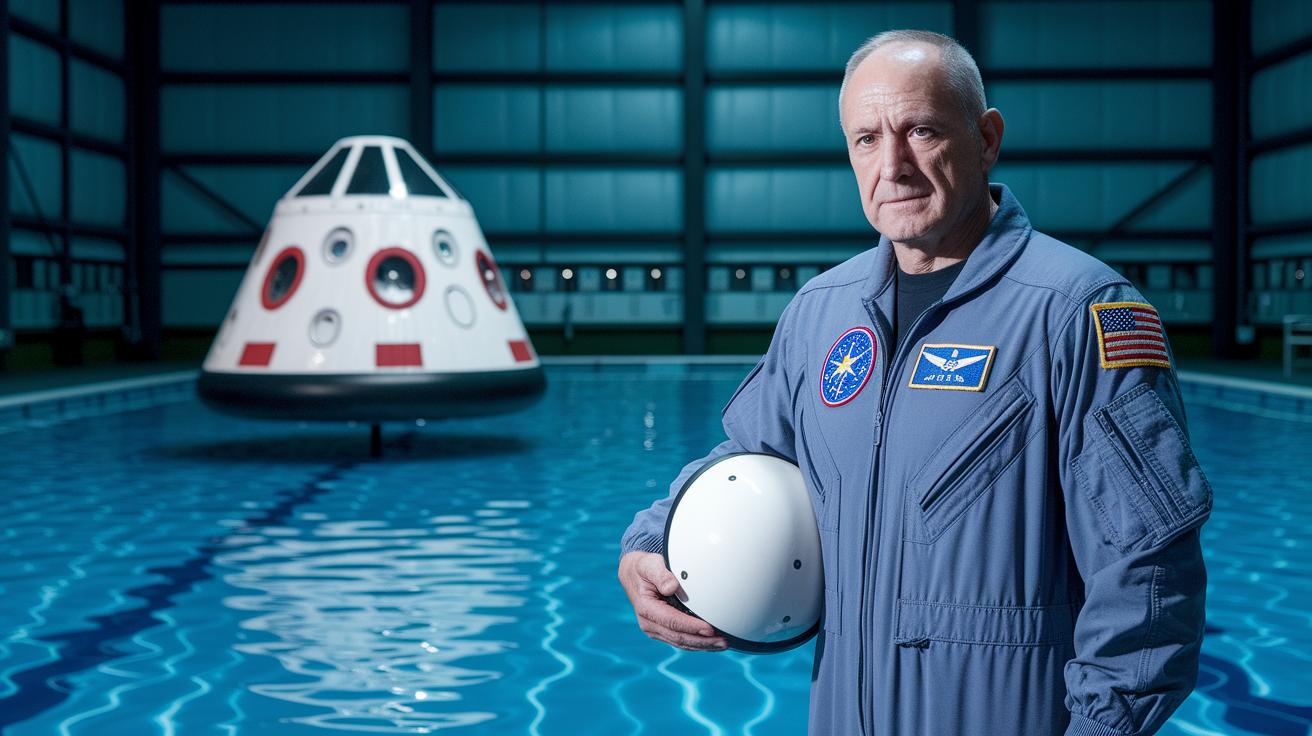
NASA picked crew members by choosing military test pilots who had logged plenty of flight hours and shown top-notch technical skills. These experienced pilots had already proven they could handle tough situations, making them the perfect choice for the groundbreaking Gemini missions. Imagine a pilot with hundreds of hours in high-speed jets, all set to handle the challenges of space.
The training they went through was as tough as it was varied. They practiced water egress in a big indoor pool at Ellington Air Force Base, using life rafts to simulate what it would feel like to suddenly be surrounded by ocean water. They even worked with full-motion simulators that recreated the Titan II rocket’s environment down to every tiny vibration. Picture it like this: you go through the launch sequence, feel the engines roar, and then adjust instantly to a weightless setting, it’s like learning to fly in a computer-generated world.
Astronauts also took part in zero-G parabolic flights where they experienced weightlessness for short bursts, getting used to the unique sensation of drifting in space. On top of that, they practiced underwater neutral-buoyancy exercises to prepare for spacewalks. These sessions helped them perfect movements that would be vital during extravehicular activities outside the spacecraft.
Mission Control played a huge role too. Starting in December 1963, NASA’s Manned Spacecraft Center became the nerve center where flight controllers ran live anomaly drills and trajectory correction simulations. Imagine a control room buzzing with energy and quick problem-solving, every drill was a step toward building the expertise needed to tackle the complex challenges of the Gemini missions.
Pioneering Rendezvous and Docking Techniques in Gemini Space Missions
Gemini VI-A and Gemini VII pushed the limits of space by flying their spacecraft just a few meters apart back in December 1965. Their crews used radar and inertial platforms (simple tools that check speed and direction) to guide the ships, while also confirming readings with a manual slide-rule and printed charts. This hands-on method showed that precise positioning in orbit was truly achievable.
Then came Gemini VIII on March 16, 1966. Astronauts successfully connected with an Agena target vehicle, proving they could control their spacecraft during close encounters, a crucial ability for later lunar missions. The experience from these flights led to the improvement of docking latches and controlled approach techniques.
These early breakthroughs paved the way for the Apollo missions. By perfecting space rendezvous and docking methods, Gemini showed how to mix careful manual control with modern electronic systems. This blend of technology and pilot skill still plays a huge role in today’s space protocols and continues to spark new ideas in space exploration.
Key Challenges and In-Flight Anomalies Encountered During Gemini Space Missions
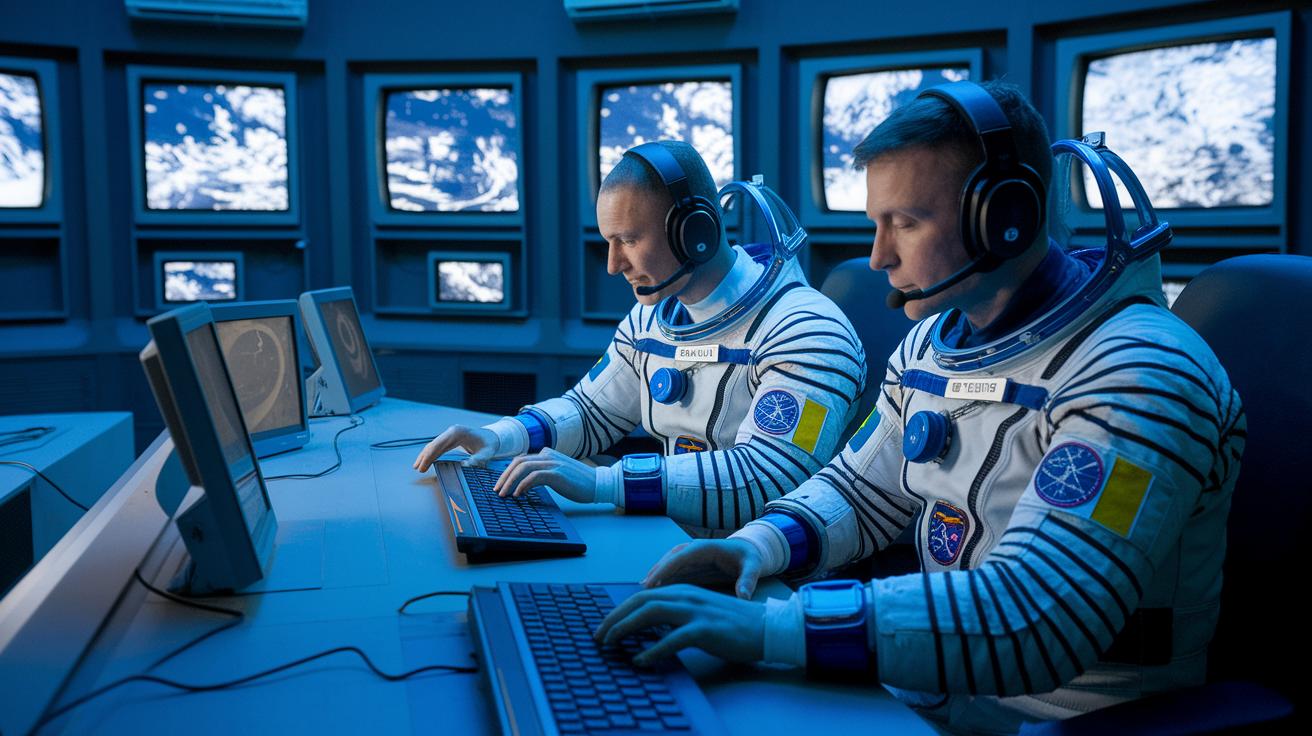
The Gemini program faced many big challenges that pushed both the astronauts and ground teams to think on their feet. Imagine this: on Gemini III, a thruster kept misfiring, and a wayward corned beef sandwich added to the confusion. These odd events reminded everyone that space can be full of surprises, and even small issues can change the course of a mission.
When problems popped up, mission controllers quickly switched to new emergency plans. They fired up backup controls and used manual reentry overrides when the onboard guidance systems started to slip. Extra communication checks were also set in motion to keep everyone in the loop, making sure one system failing wouldn’t put the entire flight at risk.
• The misfiring thrusters on Gemini III showed that the spacecraft had trouble steering.
• Fuel-cell power drops on Gemini V tested the endurance of important systems.
• Overheating EVA visors on Gemini IX-A warned of safety limits in spacewalk gear.
• A failing autopilot on Gemini XI meant that quick, hands-on fixes were needed.
Every challenge led to better safety measures and more proactive procedures. These experiences helped build a mindset of always being ready and flexible, highlighting how crucial careful troubleshooting is during space missions.
Archival Resources, Photographic Records, and the Legacy of Gemini Space Missions
NASA's archives let us step right into the heart of every Gemini flight. Reports and audio logs show the tough tests and quick decisions made during the missions. You can actually hear the lively chatter in mission control and feel the tension of split-second problem-solving. High-quality film even brings you closer to the real launch sequences and spacewalks, letting you imagine what it was like to be there.
Photos make the Gemini story even more vivid. For example, one famous image taken over the Florida Straits on June 4, 1965, shows how seeing Earth from space can change everything about the way we view our planet. Today, restored Gemini capsules in museums give us a tangible link to the daring spirit of early space explorers. These resources don’t just record events, they also keep alive the experiences that have shaped later missions, like the Apollo program.
• NASA’s technical reports and audio logs reveal the real challenges that the crews faced.
• Archival photos and films capture both the beauty and the hard work behind space travel.
• Museums with restored spacecraft serve as inspiring lessons for new generations of engineers and explorers.
Documentaries celebrating the fifty-year milestone and ongoing exhibitions make the Gemini legacy even stronger. By exploring these materials, both researchers and space enthusiasts get a real sense of the creative problem-solving and brave achievements that defined the Gemini missions, setting the stage for all that followed in space exploration.
Final Words
In the action, Gemini space missions sparked bold progress in human space exploration. The missions tested new capsule designs, developed onboard innovations, and refined rendezvous techniques while crews handled real in-flight twists. Every mission contributed protocols and training methods that still guide our space endeavors today.
This deep dive reminds us how practical science shapes everyday life with clear, reliable insights. Each breakthrough invites us to stay curious and excited about the next step in our exploration of space.
FAQ
Q: How many Gemini missions were there?
A: The Gemini program ran 12 missions from 1964 to 1966, including two uncrewed tests and ten crewed flights that paved the way for later lunar missions.
Q: What are some key facts about the Gemini program?
A: The Gemini program bridged early US space efforts and Apollo by testing spacewalks, docking techniques, and long-duration missions, all essential for a safe moon landing.
Q: What is Project Gemini NASA?
A: Project Gemini is NASA’s spaceflight program that focused on perfecting in-orbit rendezvous, docking, and extended space travel, helping prepare for the Apollo lunar missions.
Q: What happened to the Gemini astronauts?
A: The Gemini astronauts successfully completed their missions and later contributed to future space endeavors, using lessons learned to improve safety and mission operations.
Q: Is there a Gemini rocket diagram available?
A: Gemini rocket diagrams detail the Titan II booster and capsule design, offering clear insights into the reentry systems, thruster arrangements, and overall mission structure.
Q: Why did NASA mispronounce Gemini?
A: NASA mispronounced Gemini early on due to informal program lingo that evolved over time, adding a quirky element to the program’s rich historical narrative.
Q: How did the Gemini 7 astronauts manage bathroom needs?
A: The Gemini 7 crew used specially designed waste management systems that kept them comfortable during their nearly two-week mission in zero gravity.
Q: How does Gemini connect with Mercury, Apollo, and the Space Shuttle program?
A: Gemini worked alongside Mercury and Apollo, offering vital experience in space operations; these advancements later influenced safety and design features in the Space Shuttle program.
Q: What role did Gemini play in the Space Race?
A: Gemini played an important role in the Space Race by showcasing advanced spaceflight techniques and boosting the United States’ profile as a leader in space exploration.