
Ever wonder if faster, greener flights are just around the corner? Companies like SpaceX and Blue Origin are shaking up the way we think about getting around in the air. They’re working on new planes that use hydrogen (a super clean fuel) and smart sensors that keep an eye on the skies. This tech might just change the way we fly from something ordinary to a truly exciting adventure. Let’s dive into some cool trends that could soon make flying safer, faster, and a bit more fun for everyone.
Key Future Trends in Aerospace Design You Need to Know
Big companies like SpaceX, Blue Origin, and Virgin Galactic are shaking up what we think of as aerospace design. They push limits and turn ideas once seen only in science fiction into real-life projects. Imagine a vehicle that not only blasts off from the ground but also changes the way we travel every day. These trailblazers are making space travel a possibility for more people and opening doors to an exciting future in aerospace.
AI-powered autonomous aircraft and smart sensors are beginning to fill our city skies. Urban air mobility could soon mean air taxis and fast rides connecting cities, making travel quicker and safer for everyone. Meanwhile, Airbus is working on planes powered by hydrogen fuel cells, which only emit water vapor. Yes, you read that right, planes that leave only water behind. These eco-friendly innovations might one day be as common as riding a bus.
Boeing and Lockheed Martin are busy developing hypersonic and supersonic projects that could cut international flight times by hours. Experts predict the aerospace market could hit $1.5 trillion by 2030. This exciting number shows a global hunger for new technologies and faster travel, proving that the future of flight is not just a dream but something we’re all working hard to create.
Advanced Materials and Lightweight Structures in Future Aerospace Design
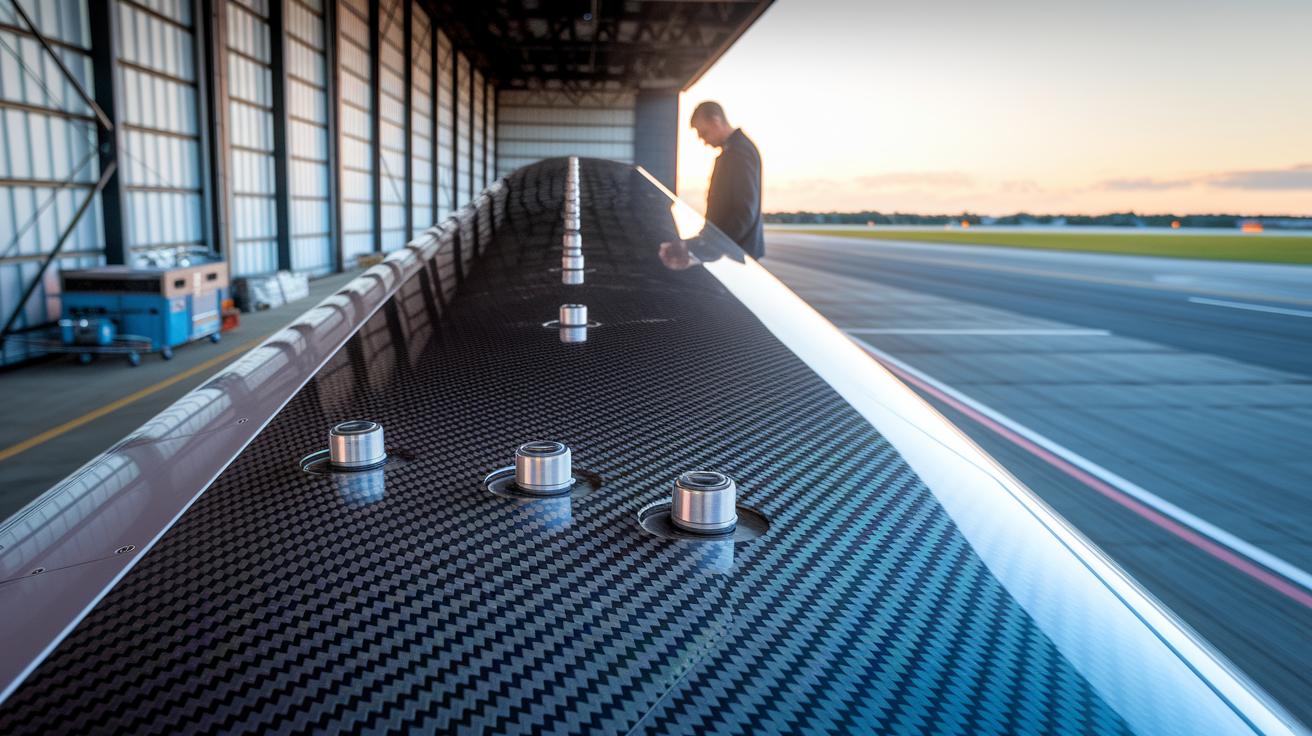
New materials and clever building methods are rapidly changing how we design airplanes. They help create parts that are strong enough to handle tough conditions while keeping the aircraft light, which means better fuel efficiency and lower costs. It’s pretty neat!
- Carbon fiber-reinforced polymers offer an amazing strength-to-weight balance. In fact, they can be up to 10 times stronger than aluminum, giving us stronger parts that weigh much less.
- Titanium alloys stand up well to corrosion and can handle temperatures above 600 °C. They’re perfect for high-stress parts that need to be super reliable even in tough spots.
- Nanocomposites, which blend materials at a very tiny scale (think of them as microscopic mixtures), boost resistance to cracks and can improve a component’s life by around 30 percent. This means safer flight and longer intervals between maintenance.
- 4D printed components are even more exciting. They include parts like winglets that can change shape during flight, reducing drag and helping the plane cut through the air more smoothly.
- Lightweight composites help reduce the overall mass of the airplane by 15–20 percent. This not only improves fuel efficiency but also enhances the aircraft’s performance in a big way.
Together, these breakthrough materials are reshaping the future of aerospace. They make aircraft more durable, fuel efficient, and ready for the exciting challenges of modern air travel.
Sustainable Propulsion and Eco-Friendly Aeronautical Engineering Trends
Airplane design is changing fast with new green propulsion methods that lower both emissions and noise. For example, Airbus is testing hydrogen fuel cells that only produce water, and they could cut CO₂ by 75 percent. Sustainable Aviation Fuel, made from renewable sources (materials that can be replaced naturally), can reduce greenhouse gases by 50 to 80 percent over its entire life. Also, engines with hybrid-electric powertrains can lower fuel use by 30 percent on regional planes, while eVTOL electric systems give urban air mobility a boost with noise levels up to 90 percent quieter than helicopters. These ideas help make flying not only greener but also quieter and cleaner.
| Propulsion Type | Key Benefit |
|---|---|
| Hydrogen Fuel Cells | Zero CO₂ emissions |
| Sustainable Aviation Fuel | Lower lifecycle GHG |
| Hybrid-Electric Engines | Reduced fuel consumption |
| eVTOL Electric Systems | Noise reduction |
These new developments are steering the aerospace world toward cleaner operations that care for our planet. Engineers are weaving these systems into modern designs, creating lighter and more efficient aircraft that feel almost futuristic. The move to embrace renewable energy in propulsion really shows a promise for sustainable progress. With these advances, air travel in the future looks set to be faster, kinder to the Earth, and way quieter.
Digital Transformation and AI-Driven Design in Future Aerospace
AI and Machine Learning Applications
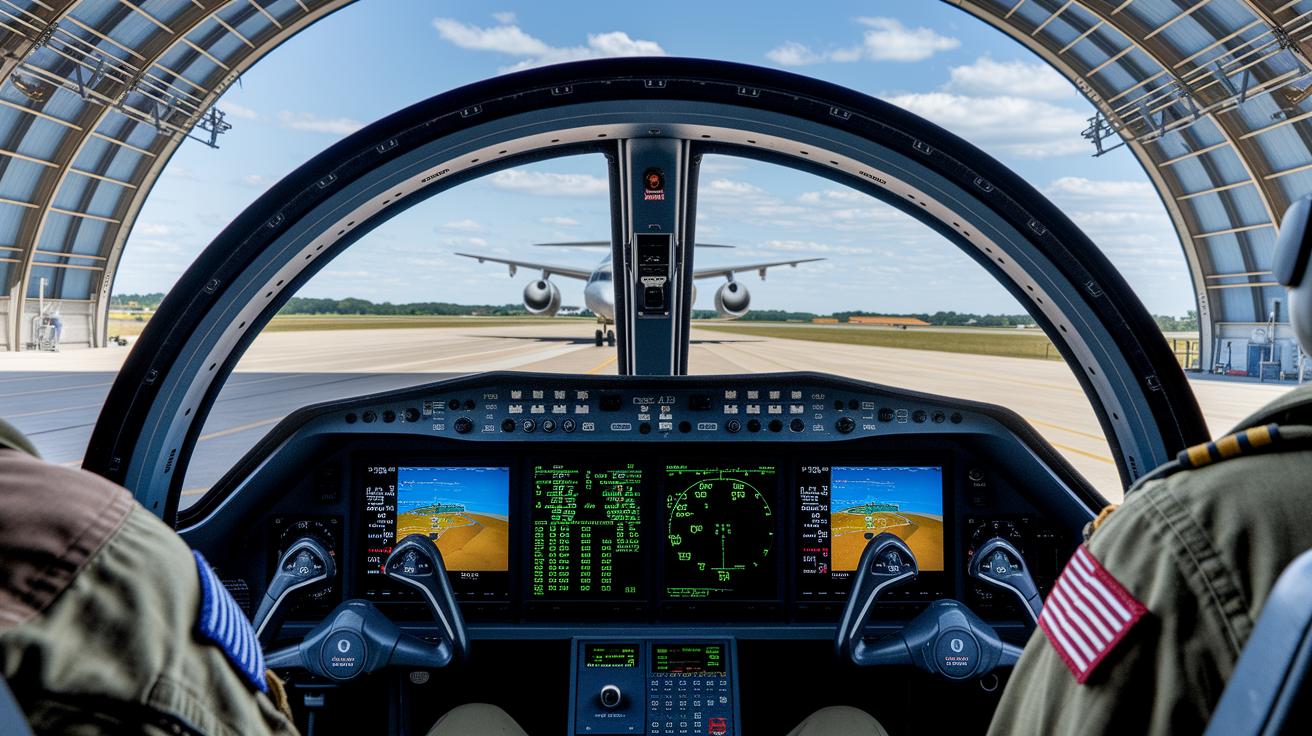
Advanced AI is making flight systems smarter by using live data to help guide aircraft safely, even when surprises pop up. For instance, autonomous navigation uses neural networks (computer programs modeled after the human brain) to adjust flight paths in real time. Machines learn from heaps of flight information, which helps fine-tune the plane's shape and streamlines design processes. Imagine a plane that improves with every trip, one engineer might even say, "Before today’s test, our system tweaked the control surfaces and shaved off a few seconds in response time."
Automated design has come a long way too. Now, designs mix in predictive maintenance (technology that uses combined sensor data, or sensor fusion, to guess when parts might wear out) to spot issues weeks ahead of time. This smart tech cuts down on the need for heavy physical tests, giving engineers more time to focus on boosting design efficiency and safety.
Digital Twin Modeling and Virtual Simulation
Digital twin technology creates a full, virtual copy of a plane’s systems. Engineers can then use these virtual models to simulate conditions like turbulence, heavy loads, and how different parts interact, all before even building a prototype. In fact, this method has been known to reduce prototype cycles by as much as 40%, making testing faster and more effective.
Virtual simulation environments let engineers run through countless flight scenarios to see how designs handle extreme conditions. The data they get back helps them tweak structures and systems until every detail feels just right. This way, new design innovations aren’t just creative, they’re tough and ready for the challenges of tomorrow's aerospace adventures.
Autonomous Navigation Systems and Robotics Integration in Aerospace Design
AI-powered navigation systems are changing urban air travel in a big way. For example, electric vertical takeoff and landing air taxis use smart sensors like lidar (a tool that uses light to measure distances), radar, and cameras to spot obstacles and adjust course instantly. It’s a bit like having a super skilled pilot guiding the ride through busy skies.
Swarm robotics is another cool development. Engineers are marrying robotics with unmanned aerial systems (drones that fly without a pilot) so that groups of drones can work together smoothly. Imagine a school of fish moving in perfect sync, that’s how these drone fleets handle jobs such as delivering cargo or keeping an eye on things. It makes the whole process smarter and more efficient.
At the same time, regulators are updating the rules to keep everyone safe. New guidelines are coming in to make sure traditional aircraft and these high-tech autonomous vehicles can share the skies without problems. This evolving set of rules is key to making sure that our airspace stays safe while embracing the future of technology.
Supersonic and Hypersonic Engineering Trends in Future Aerospace Design

Hypersonic prototypes racing past Mach 5 face some really tough challenges. They have to deal with the heavy heat from fast friction and make sure the engine systems can handle those extreme speeds. Meanwhile, engineers are also sharpening supersonic designs that cruise at speeds between Mach 1.5 and 2. Think about cutting a New York to London trip by nearly three hours! They’re even coming up with clever ways to quiet the roar of high-speed flight, using smart nozzle shapes and special liners to lower the noise. All these efforts are paving the way for a future where speed meets efficiency in a bold new style.
At the same time, researchers are working hard to conquer technical obstacles. For example, turbulence control systems now use smart wing surfaces that adapt to keep the aircraft steady when they hit unexpected air currents at high speeds. Making sure these designs blend rapid travel with a comfy ride is super important. That’s why there’s a lot of work on high-speed cabins that lessen vibrations and sound disturbances. Engineers are running detailed simulations and tests to fine-tune everything so that these systems work safely even under serious conditions. It’s a careful balancing act between zippy speeds and ensuring that travel stays smooth and safe.
Market Outlook and Regional Growth in Future Aerospace Design
The global aerospace market is on track to reach $1.5 trillion by 2030. This growth comes from civil aviation, defense, and space sectors. It’s a very dynamic market where new technologies are rapidly emerging. Imagine the crisp hum of jet engines and satellites orbiting above us, innovation is truly taking flight.
In the Asia-Pacific region, the demand for new commercial jets is rising steadily at about 6 percent each year. This boost is opening up many chances to create fresh designs and develop next-generation aircraft. Over in the Middle East, big investments are being made in space infrastructure. They’re launching satellite projects and building orbital vehicles that are set to expand the region’s space capabilities.
Airlines, tech companies, and research institutes are now teaming up to push the boundaries of innovation. These partnerships blend trends in commercial flight with breakthroughs in defense technology. They help tackle challenges and spark creative solutions. All of these efforts are not just fueling local progress, they’re also setting the stage for a global surge in aerospace innovation. It’s a fascinating time where investment and collaboration are reshaping the future of aerospace design, one innovative idea at a time.
Final Words
In the action, we explored breakthroughs in aerospace design, from advanced materials and eco-friendly propulsion to innovative digital tools and unmanned systems. We highlighted how smart design choices and new tech are shaping more efficient air travel and supporting smoother urban mobility. Each section brought us a step closer to understanding future trends in aerospace design and their impact on our daily lives. The ideas presented spark curiosity and pave the way for a brighter, exciting outlook in science and innovation.
FAQ
Q: What are future trends in aerospace design pdf, 2023, and 2020 about?
A: The future trends in aerospace design highlight commercial space travel, AI-driven aircraft, and sustainable propulsion. PDF reports and yearly updates detail these innovations and evolving market demands.
Q: What are the trends in the aerospace and defense industry, including its overview and market size?
A: The trends in the aerospace and defense industry show growing innovation, expanding market sizes, and increased investment in advanced systems, all shaped by global partnerships and cutting-edge technology.
Q: What is the aerospace and defense market size forecast?
A: The aerospace and defense market is projected to hit around $1.5 trillion by 2030, driven by growth in commercial flight, defense needs, and space exploration investments.
Q: What does the Deloitte aerospace and defense Outlook 2026 forecast indicate?
A: The Deloitte aerospace and defense Outlook 2026 indicates robust market growth, a wave of technological advances, and evolving regulatory frameworks that will shape industry trends over the coming years.