
Have you ever wondered what kicked off our journey into space? Back in the 1940s, a military rocket called the V2 took off at supersonic speeds, and in 1957, Sputnik 1 sent radio signals all over the world. Few could have imagined then how these brave moves would transform our understanding of science and stir national pride.
This post walks you through some key moments in space history. It shows how daring steps paved the way for the amazing missions we see today. Come along as we explore the early adventures that opened up a new view of our universe.
Key Milestones in Space Exploration History
Back in 1944, military technology made a big leap when the V2 rocket achieved its first guided, supersonic flight. This breakthrough opened the door for using rockets for science rather than just war, and soon nations began setting their sights on exploring the cosmos.
Then, on October 4, 1957, Sputnik 1 changed everything. With its global radio beacon sending signals around the world, it sparked a new era of using rockets for peaceful research and space discovery.
- 1944: The V2 rocket completed its first guided, supersonic flight.
- October 4, 1957: Sputnik 1 became the first man-made object to orbit the Earth.
- May 1961: President Kennedy set a bold goal to land a human on the Moon and bring them home safely.
- July 20, 1969: Neil Armstrong made history as the first person to walk on the Moon with the Apollo 11 mission.
- 1969–1972: A series of six Apollo missions achieved lunar landings and carried out experiments on the Moon.
- April 12, 1981: The space shuttle Columbia kicked off the era of reusable shuttles.
- January 28, 1986: The Challenger disaster struck just 73 seconds after liftoff, tragically taking the lives of seven astronauts.
- Late 1990s onward: The International Space Station took shape as a lab in orbit, built by many nations working together.
- 21st century: Focus shifted to impressive robotic probes exploring other planets and planning crewed missions to Mars.
These landmark achievements triggered a wave of new technologies and reshaped political decisions. Countries began to see their space programs as symbols of national pride and progress. What started with early rocket experiments has grown into expansive missions that continue to influence international policies, drive scientific studies, and inspire future ventures into the great unknown.
Origins of Space Exploration: From V2 Rockets to Sputnik
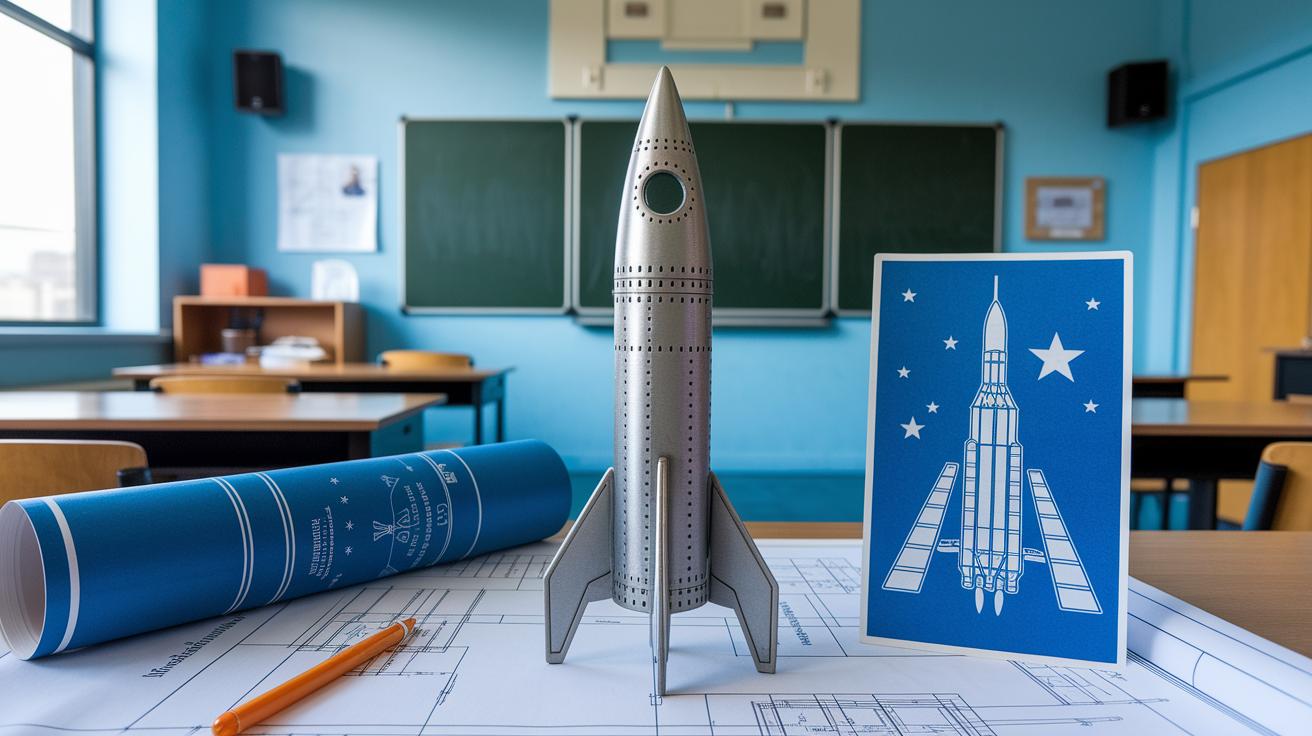
Back in the 1940s, a brand-new invention, the V2 rocket, made its debut. Developed in Germany during World War II, its steady flight that broke the sound barrier (faster than the speed of sound) in 1944 gave scientists their first peek at how guided space travel might work. It's pretty amazing to think that this early success paved the way for later peaceful space missions.
Then came a giant leap on October 4, 1957, when Soviet engineers launched Sputnik 1 into orbit. This small satellite sent out a constant radio signal, showing us how objects circle the Earth (the rules that control movement in space). Its beeps captured the world's attention and sparked lively debates about the future of space in both science and national security.
These early breakthroughs quickly shifted global priorities. Countries soon saw that technology once used for war could also benefit peaceful science and strategic goals. This realization led to the creation of national space agencies and early plans for space exploration. Even today, that move from war-driven research to organized exploration still influences how nations invest in their space programs.
Cold War Space Race and the Quest for the Moon
After the Soviets sent Sputnik 1 into space, U.S. leaders had to act fast. They ramped up research funding and set up programs for human spaceflight with NASA. This push wasn’t only about catching up with the Soviets, it changed government policies and sparked a new public love for science. Imagine how one small beep from space could light a fire of technological ambition across the nation.
Then President Kennedy stepped in with a bold promise: to land a man on the Moon. This wasn’t just an inspiring target; it showed a new level of national determination. His challenge got engineers to innovate spacecraft designs and improve mission plans, all while fueling conversations about how the government could better support science for everyone. Picture Kennedy saying, "Let’s reach for the stars," setting off a wave of creativity and drive that touched every community.
Apollo 11’s Moon landing was more than a technical triumph. In the thick of Cold War tensions, taking those first steps on the Moon reshaped American culture and spurred debates about defense and education. It changed the way people saw technology and national strength. In truth, Apollo 11 wasn’t just about placing a flag, it redefined the limits of what a nation could achieve during hard times.
Space Shuttle Program and International Space Station Collaboration
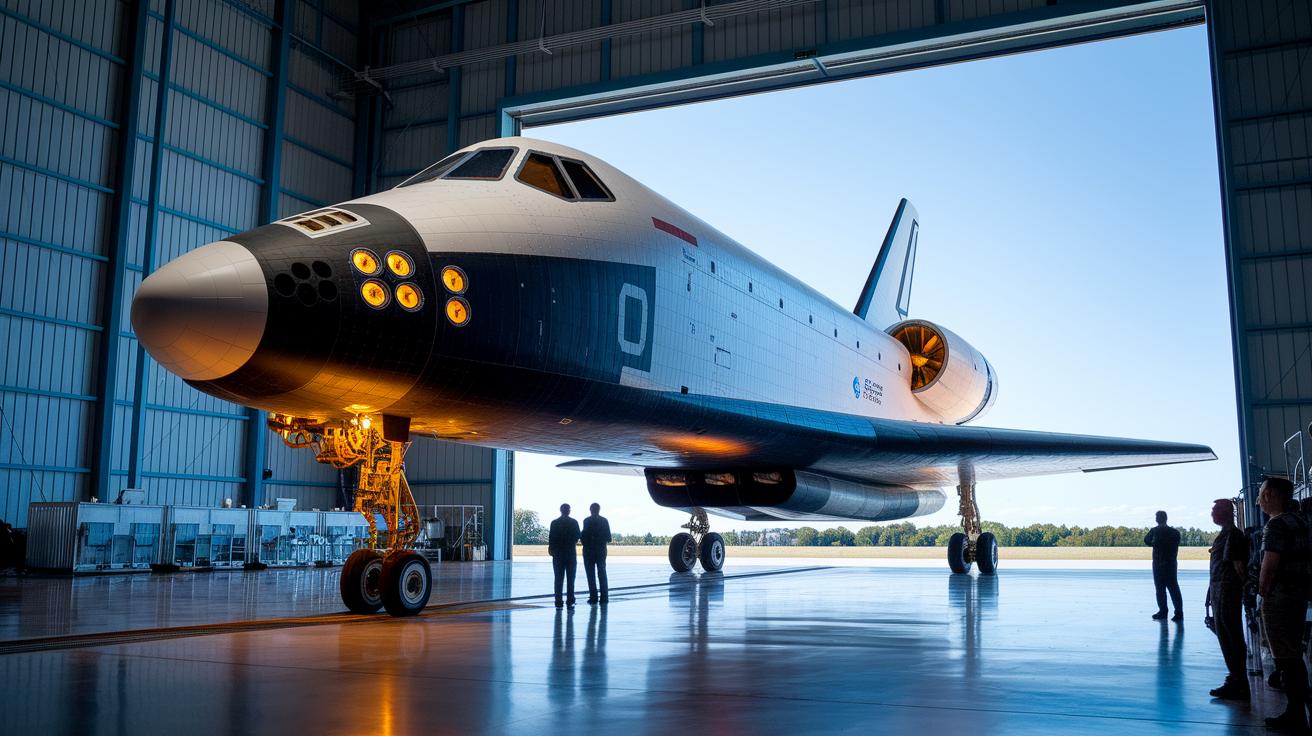
The reusable space shuttle was built to be both efficient and innovative, combining new materials and improved software safety measures (methods that help keep everything secure). Columbia’s first flight on April 12, 1981 proved that the shuttle could be used again and again through 24 successful missions. Each journey taught engineers how to better develop heat-resistant materials and computer controls. Imagine a spacecraft that learns from every mission, much like how early tests uncovered hidden design benefits.
The Challenger disaster on January 28, 1986 pushed everyone to take a hard look at safety protocols and work practices. In just 73 seconds, the tragedy led to deep investigations that changed how management and technical processes were handled afterward. One review even remarked that a highly engineered system must always adjust when real-life conditions expose its weak spots.
By the late 1990s, scientists and engineers from around the world came together in space to assemble the International Space Station (ISS). They joined forces in orbit to build a lab that set a new standard for global teamwork and space research in a microgravity environment (a condition where gravity is very weak). This joint effort brought about technical breakthroughs, like advanced life-support systems and automated docking procedures, that still influence space research today. The ISS remains a lively hub of discovery, proving that working together is just as important as making technical advances.
Modern Era of Space Exploration: Robotic Missions and Future Mars Plans
Since Apollo, our robot friends like the Voyager probe and Mars rovers have been our eyes and ears in space. They snap clear images and send back useful data about far-off places. For example, these missions have shown us what the weather is like on Jupiter and revealed the unique terrain of Mars. Research on the International Space Station has also taught us a lot about living in space. Imagine a tiny rover clicking a picture of a warm, dusty Martian afternoon, it's pretty cool! In November 2025, we even celebrated 25 years of people staying in orbit continuously, highlighting how robotic explorers and human research work together to stretch the boundaries of what we know about our universe.
Up here in low Earth orbit, people have been learning alongside these robotic missions. Living on the space station gives scientists a chance to test out long-term space living and perfect the skills needed for future trips. New projects are busy designing spacecraft and habitats that might someday carry humans to Mars. These plans include trying out new systems for life support and better navigation for space travel. All of this work is laying the groundwork for safer, smoother journeys to the red planet and sparking new hope for the next big step in our space adventures.
Final Words
In the action, we mapped the bold timeline from early rocket launches to Mars mission plans.
We touched on key points: the breakout moment of Sputnik, the Moon landing, the Space Shuttle trials, and the collaborative strides of the ISS.
The blog post paints a vivid picture of the history of space exploration.
Each milestone, from guided rockets to modern robotic probes, highlights human perseverance and the drive to keep the skies within reach.
The future looks bright as we continue exploring and expanding our understanding of the cosmos.
FAQ
What does a history of space exploration book include?
A history of space exploration book includes overviews of key milestones such as early rocket tests, the space race, and modern missions, all showing how space research has evolved over time.
Where can I find space exploration history in various formats like timeline, PDF, essay, PPT, and on Wikipedia?
Information on space exploration history is available in many formats. Timelines, PDFs, essays, PowerPoint presentations, and Wikipedia entries all offer concise overviews of key milestones from early launches to today’s space stations.
What is space exploration?
Space exploration is the study of outer space using spacecraft, satellites, and scientific experiments to learn about the universe, its origins, and the science behind what we see beyond Earth.
What are five facts about space exploration?
Five facts include Sputnik 1 being the first artificial satellite, Apollo 11 marking the first moon landing, early rockets leading to modern space vehicles, robotic probes expanding our reach, and ongoing plans for Mars missions.
What are three important events in the history of space exploration?
Three important events are the launch of Sputnik 1 in 1957, Apollo 11’s moon landing in 1969, and the establishment of the International Space Station, which has fostered global cooperation in space research.
Are any of the original seven astronauts still alive?
None of the original Mercury Seven astronauts remain alive. These early pioneers set the stage for human space travel, and their legacies continue to inspire current and future explorers.
What happens every 176 years in space?
There isn’t a widely recognized cosmic event that occurs every 176 years. Astronomical events follow varied cycles, and no significant event has been confirmed to repeat on that specific schedule.