
Have you ever noticed that our planet is basically one giant water world? Nearly 75% of Earth is covered by oceans, streams, and lakes. It's pretty amazing to think that water so completely shapes our home. In this post, we explore how both saltwater in the seas and the smaller patches of freshwater work together to influence our climate and support life. Picture it like a giant pie where nearly every slice is made up of saltwater, leaving just a tiny piece for freshwater. This is a neat reminder of how incredibly designed our blue planet really is.
Understanding Earth’s Water Coverage Percentage
About 71% of our planet is covered with water. That means nearly three out of four parts of Earth are wet, from huge oceans to tiny streams flowing quietly through the land. I was surprised to learn that "over two-thirds of our planet is hidden in plain sight under water!" It really makes you appreciate the enormous scale of our blue world.
Out of all this water, around 96.5% is salty. This salt water fills the massive seas and oceans that wrap around our globe. In contrast, only 3.5% is freshwater, which you can find in rivers, lakes, glaciers, and hidden underground pools (small pockets of water inside the Earth). Imagine a giant pie where almost every slice is salty except for one very tiny piece of freshwater. It’s a clear reminder of how little freshwater we really have.
The oceans are the main water source on Earth, shaping our weather and climate every day. They support a rich variety of marine life and help balance temperatures, keeping our land comfortable. It’s amazing to think about how these vast, lively waters help make our world a livable place.
Oceans vs Lakes in Earth’s Water Coverage
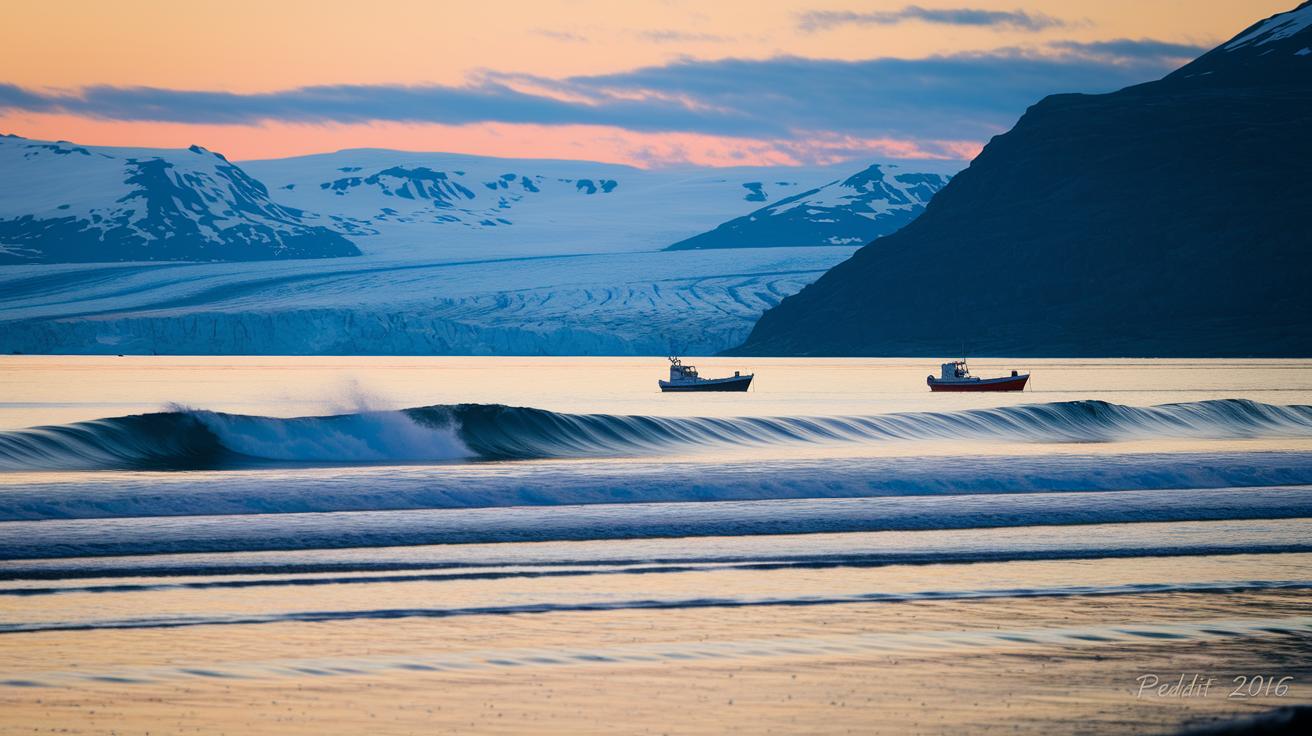
Oceans cover most of our planet and create stable habitats for many creatures. They set the stage for weather patterns and marine life, while freshwater on land is super rare and treasured.
| Water Body Type | % of Total Water |
|---|---|
| Oceans | 96.5% |
| Glaciers & Ice Caps | ~1.9% |
| Groundwater | ~1.7% |
| Surface Freshwater | ~0.02% |
This setup shows how ocean water plays a big role in shaping our climate and supporting life in the sea. In contrast, the tiny amount of freshwater we have means we need to use it very carefully for drinking, farming, and industry. Think of it like making a small, cherished pie from a few precious ingredients, every drop of freshwater counts.
Techniques to Measure Earth’s Liquid Expanses
Scientists have come up with some clever ways to figure out exactly how much water covers our planet. They use cool technology and keep watching over time to get the numbers right. This process, sometimes called hydrospheric mapping (a way to show where water is on Earth), helps us notice even the tiny shifts in our oceans and lakes.
- Satellite altimetry for sea surface heights
- Remote sensing for surface water extent
- GIS analysis of land and water boundaries
- In‐situ oceanographic surveys
Each of these methods offers its own special view. For instance, satellite altimetry sends signals toward the ocean and listens to how the waves bounce back to tell us the height of the sea. Remote sensing snaps big images of Earth so we can see where water spreads out. GIS analysis uses computer maps to show exactly where the water ends and the land begins. And in‐situ surveys have scientists right in the ocean, collecting water data by hand.
The data from all these methods gets checked over and over through repeated measurements and comparisons. Agencies like NOAA (National Oceanic and Atmospheric Administration) and NASA (National Aeronautics and Space Administration) keep an eye on everything to make sure we always have the most current and accurate picture of Earth’s water.
Water Coverage’s Role in Earth’s Climate
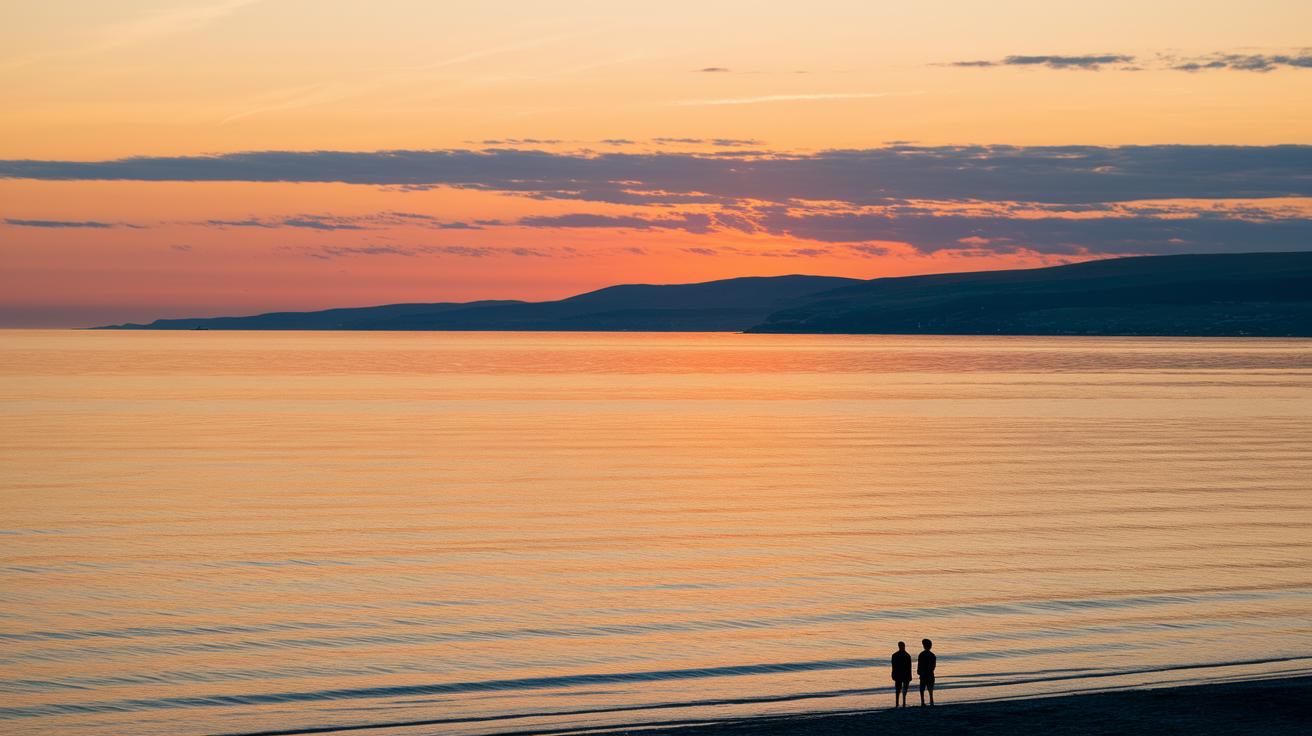
Water on Earth is a major player in keeping our climate steady. Since about 71% of our planet is covered in water, the oceans and lakes work like natural heat balancers. They soak up the sun’s warmth during the day and let it out slowly, which helps keep our temperatures from swinging too wildly. This slow release affects air currents, smoothing out the weather on land and across the seas. It even plays a part in where and how rain appears, influencing weather all around the globe.
Big bodies of water really power our weather systems. They act like giant thermostats, controlling how heat spreads over continents and coastlines. By gradually releasing their stored warmth, oceans and lakes help shape moisture levels, wind patterns, and even parts of the carbon cycle (the process that moves carbon around in nature). Without these water giants, everyday weather and long-term climate would look very different.
Ocean Heat Capacity
Water can absorb a ton of energy with only tiny shifts in temperature. This means our oceans serve as huge energy banks, storing up solar power and releasing it slowly over time. For example, coastal areas often enjoy milder weather compared to places far from the water – almost like having a giant thermal battery nearby.
Influence on Weather Patterns
The warmth held in the oceans is key to sparking many weather events. When this heat passes into the air, it can kick off storms, drive monsoon rains, or spark other types of rainfall. Think of the sea’s surface temperature as the spark that ignites large-scale weather patterns, giving rise to the diverse climates we experience across the planet.
Freshwater Distribution Within Earth’s Water Coverage
Freshwater makes up just 3.5% of all the water on our planet, yet its importance cannot be overstated. We rely on it for drinking, farming, and keeping natural ecosystems healthy. Without a steady flow of freshwater, everyday tasks like cooking meals or growing crops would become much harder.
- Glaciers & Ice Caps – 68.7% of freshwater
- Groundwater – 30.1% of freshwater
- Surface Water – 1.2% of freshwater
Most of our freshwater is locked away in glaciers and ice caps, far from where most people live. Groundwater (water stored under the ground) is used for everything from watering fields to filling our sinks. Meanwhile, the water you see in rivers, lakes, and wetlands makes up only a very small part of the total freshwater available. Imagine holding a little bottle of water when surrounded by huge tanks, every drop really counts.
Accessing and managing these sources is no simple task. For example, even though glaciers hold a vast amount of water, converting that frozen treasure into liquid form we can use is a real challenge. Pumping groundwater without care can lead to shortages, and surface water levels can change quickly with the weather and seasonal shifts. All of this shows why it’s so crucial to watch over our freshwater resources for the sake of both people and nature.
Land-to-Sea Ratios Amid Earth’s Water Coverage
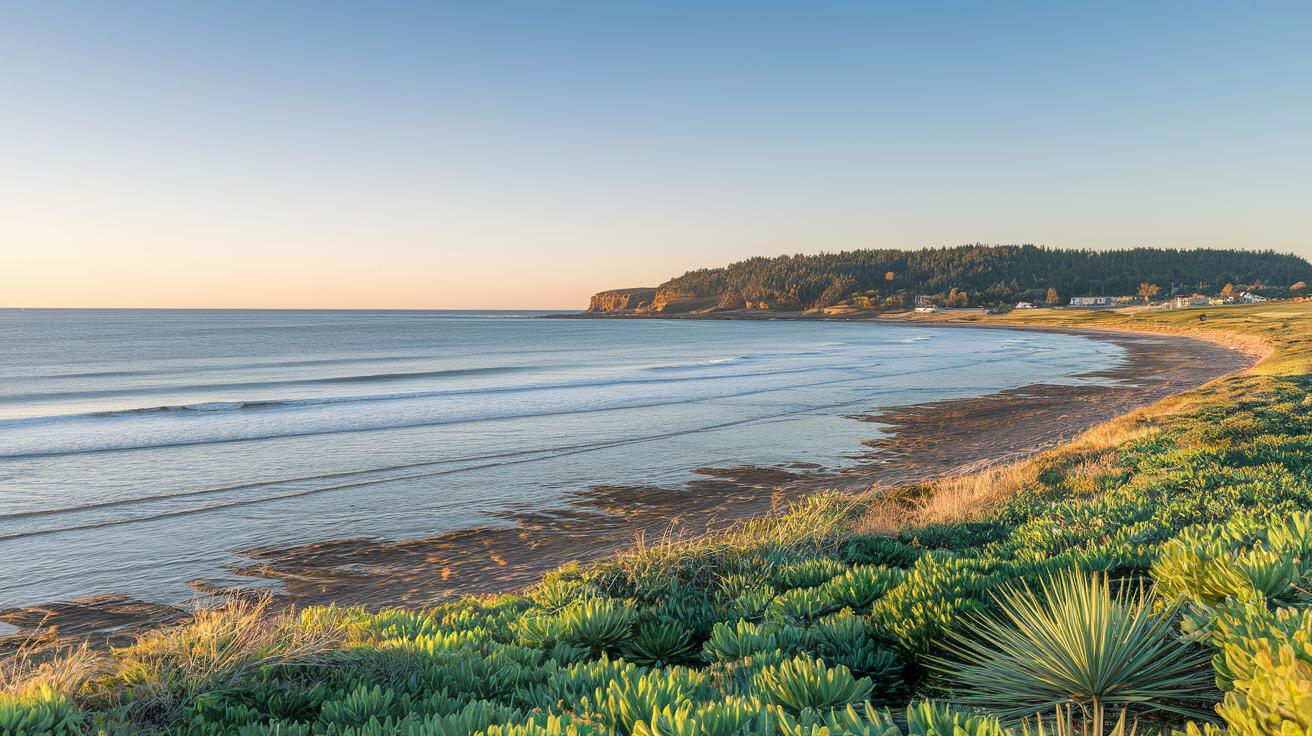
About 29% of our planet is land, and the remaining 71% is water. The narrow band where land and water meet makes up our coasts, vibrant spots where lots of plants and animals flourish and where people often choose to live.
This mix of land and water influences many aspects of life. For instance, it shapes habitats, provides access to natural resources, and determines where communities form. In short, coastal areas serve as lively hubs that support both rich biodiversity and sustainable human settlements.
Final Words
In the action, we saw that about 71% of Earth is water, with oceans dominating the picture. We broke down saline and freshwater shares and even looked at how measurements and climate tie into these numbers.
Our discussion shows how much of earth is covered by water really matters to everyday life. These insights help make sense of our planet’s balance and remind us of the natural wonders that shape weather, habitats, and our own living environment.
FAQ
What percentage of Earth’s surface is covered by water?
The Earth’s surface is 71% water, meaning most of our planet is blanketed by water while only about 29% is made up of land.
What percentage of Earth’s water is drinkable?
The portion of drinkable water is extremely small; although freshwater makes up 3.5% of all water, only a tiny fraction of that is easily accessible for our use.
What holds 99% of all freshwater on Earth?
Nearly all freshwater is stored in glaciers, ice caps, and underground aquifers, with these sources making up almost 99% of Earth’s available freshwater.
Where is 90% of Earth’s water found?
More than 90% of Earth’s water is found in the oceans, which are the dominating reservoirs when it comes to our planet’s water resources.
How much of Earth is land and water?
Earth is composed of about 29% land and 71% water, showing a clear imbalance with vast water expanses compared to relatively limited land areas.
Will we ever run out of freshwater on Earth?
Freshwater is scarce because most of it lies in glaciers or underground; without careful management and conservation, the limited accessible freshwater supplies could become stressed.
How much of Earth’s water is in the oceans?
Oceans hold roughly 96.5% of all the water on Earth, reinforcing their role as the planet’s most significant reservoir of saline water.