
Have you ever thought about whether Mars might have once been a place for life? NASA’s robots are busy exploring the red planet. They’re looking for water signs and other clues that tell us about an ancient world. It’s like finding pieces of a puzzle.
They’ve found hints of old lakes and interesting mineral layers (small pieces of rock with unique features) that make each new discovery exciting. As these missions move forward, we learn more about Mars’ past and get a hint that there might be life beyond Earth.
nasa life on mars Sparks Scientific Optimism
NASA’s clever robots have been busy on Mars for over ten years now. Take Curiosity, for example. Since 2012, it’s been exploring Gale Crater and uncovering signs of ancient lakes, streams, and even minerals that form in water (carbonate minerals are clues that water was once around). This work gives us hints that Mars, too, had flowing water in its past. Then in 2021, NASA landed Perseverance at Jezero Crater, where it’s still gathering evidence about what Mars used to be like.
Perseverance even made headlines in July 2024 when it drilled a mudstone core in Sapphire Canyon. This rock sample shows layers that suggest chemical changes similar to those on early Earth. Imagine a time when every tiny speck of dust carried a secret story about life, it’s observations like these that spark real hope among researchers.
Each mission builds on what came before. Data from both rovers is like puzzle pieces that help us see how Mars might have supported life. These discoveries, from hints of water to the structure of minerals, let us piece together the story of the planet’s ancient environment.
| Mission Component | Contribution |
|---|---|
| Curiosity in Gale Crater | Set the stage by finding early evidence of water. |
| Perseverance in Jezero & Sapphire Canyon | Pushes research forward with detailed sample analysis. |
NASA’s ongoing efforts keep the optimism alive as we continue to explore if Mars ever held life.
Perseverance Rover’s Key Contributions to NASA Life on Mars Research

The latest updates from Perseverance have scientists buzzing with excitement. The rover’s metal detector went off near Cheyava Falls, hinting at an odd material that might tell us more about Mars’ past. Imagine a detector suddenly alerting you to something completely new on Mars. This clue could be a small but important piece in the puzzle of Martian life.
The rover has also shown off its impressive drilling skills. It managed to pull a tiny core of fine mudstone from Jezero Crater. The layers in this rock feel similar to those formed by tiny living things on Earth (microbes, little organisms). These layers might be signs of how life once changed the land, much like watching small, salt-like patterns form along a stream.
In another cool find, scientists discovered little clumps of minerals called vivianite and greigite along with bits of organic carbon at a spot called Bright Angel. These clues about minerals and carbon hint at chemical processes that microbes on Earth often use. Seeing these layers and nodules makes us even more excited about the possibility that Mars could have supported life.
This blend of tech and science from a small robotic explorer keeps pushing our understanding of Mars forward. Each signal and drilled sample gives us a clearer picture and brings us one step closer to finding out if Mars once had the right setting for life. These amazing discoveries keep the spirit of exploration alive and fill us with optimism about what we might learn next.
NASA Life on Mars Geological Processes: Oxidation vs Reduction
Mars tells two very different chemical stories on its surface. That familiar rusty red look comes about when iron meets oxygen, all thanks to water from long ago and a thicker atmosphere. This mixing, called oxidation (iron and oxygen joining to form rust), has painted Mars with its signature hue for billions of years. Scientists have even captured this change with stunning images from orbit. Imagine a giant natural mural that shows water's ancient touch.
But over at Cheyava Falls, another reaction takes the stage. In this case, reduction happens (a process where iron and sulfur gain electrons to form minerals), which creates minerals like vivianite. Picture this surprising fact: reduction reactions at Cheyava Falls built blue-green nodules that might hold clues about Mars' watery past. These two chemical processes work hand in hand to tell us more about the planet. While oxidation spread a rust-like coat across wide areas, reduction swept in locally to build unique minerals like vivianite. Scientists use these differences to track old water bodies and understand how Mars' environment transformed over time. This knowledge lights the way for future missions exploring Mars' wet history. Together, these clues fuel hope that we might finally unlock more of Mars' hidden story.
Biomarker Detection and Biosignature Analysis in NASA’s Mars Studies

The Perseverance rover examined Mars’ muddy rocks and found spots that look like leopard prints. These little circles remind us of marks tiny organisms might leave behind on Earth. Around these spots, there are small lumps rich in phosphorus made of minerals such as vivianite with patches of greigite. It feels like the planet was once busy with chemical processes that tiny microbes could have influenced.
At a place called Bright Angel, the rover’s instruments picked up traces of organic carbon (a key ingredient found in living things). This hints that Mars might have had an iron-sulfur cycle similar to the one living cells use on our planet. Scientists are excited to explore whether the same natural processes could have happened long ago on Mars.
Back on Earth, researchers use lab experiments to see if simple, non-living chemical reactions might also create these unique patterns. In special chambers that mimic the harsh Martian environment, scientists run experiments with both living microbes and nonliving reactions side by side. These tests help build a clear, step-by-step picture of the ancient chemical world on Mars.
Each careful test and observation brings us a bit closer to understanding how Mars might have once hosted active chemical cycles. With each new discovery, we grow more curious about whether the Red Planet once had the right conditions for life.
Ancient Water Evidence and Habitability Insights for NASA Life on Mars
New Mars data shows intriguing hints that water once played an active role on the planet. During certain Martian seasons, methane levels rise noticeably. This boost, likely from water-related chemical reactions (simple processes where water helps change materials), suggests that Mars experienced brief, wet periods that changed its atmosphere.
Scientists have also mapped broad zones of rust across Mars. Picture vast stretches of red, rust-like patches, almost like nature leaving behind its own signature of water. This rust helps us better understand how water interacted with the planet’s surface over time and offers fresh clues about Mars’ past climate and its potential to support basic microbial life.
| Process | Insight |
|---|---|
| Seasonal Methane Spikes | Suggest water-driven chemical reactions and shifts in the climate |
| Global Rust Mapping | Shows widespread oxidation from past water interactions |
Laboratory Simulations and Next Steps in NASA Life on Mars Programs
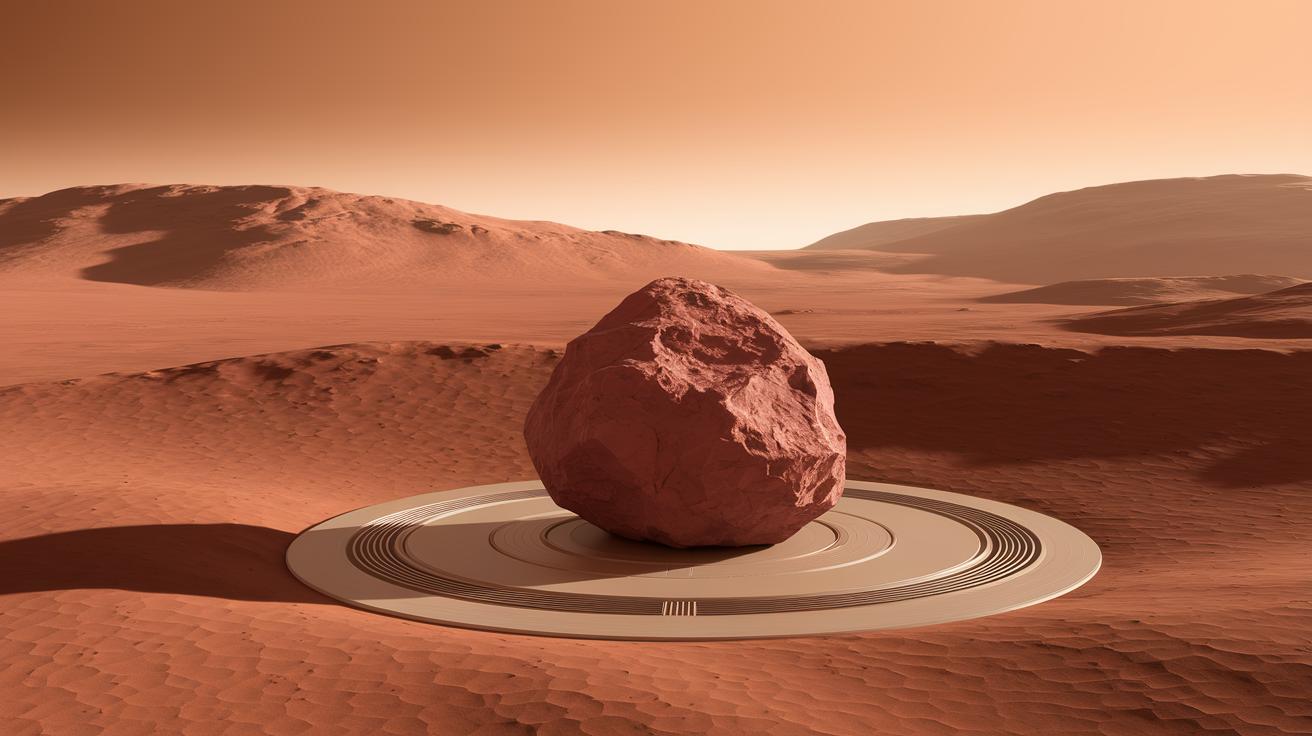
NASA is taking what they learned on Mars and recreating those conditions right here on Earth. They set up special lab chambers and use Earth spots that act like Mars. In these labs, scientists tweak heat, light, and air pressure to make a small space feel as rough as the red planet. Think of it like a room where every factor is dialed in to mimic Mars' chilly, low-pressure world and even its tricky radiation.
During one study, a rock sample in a controlled room even started to change color, just like it might on Mars. This little change hints at natural chemical reactions (changes in substances) that we once only imagined. It makes you wonder how much more there is to discover about Mars' past.
Here’s the lowdown on how it all works:
- Scientists set up conditions in the lab that copy Mars' environment to see if natural, nonliving processes can create similar features to those spotted by rovers.
- They use simulation chambers that control every element like radiation (energy from the sun) to make sure the results are reliable.
- Every test is checked carefully to help plan safer missions in the future.
Soon, with new tools and missions that might return samples from Mars, we’ll get even more clues about the planet's history. Each test wins a bit more ground, moving us closer to answering one big question: did Mars ever support life?
Final Words
In the action, NASA’s missions continue to push our understanding of Mars. The rovers have drilled, measured minerals, and simulated Martian conditions. Their work shows us how water and chemical signals hint at life in Mars’ past. Lab tests and rover data work together to explain the planet’s changing surface. These insights about nasa life on mars bring us closer to answering big questions about habitability. It’s exciting to see science in motion and appreciate what each discovery means for our everyday wonder.
FAQ
What did NASA find on Mars in 2025?
The NASA missions in 2025 found layered rock samples, unusual minerals, and traces of organic carbon that hint at ancient water and conditions possibly favorable to microbial processes.
Has NASA found life on Mars or ancient life on Mars?
The findings reveal traces of organic compounds and mineral hints, which suggest that Mars once had conditions that could support life, but no direct evidence of past or present life has been confirmed.
Is life on Mars still possible?
The research shows Mars has harsh current conditions, yet past signs of lakes and organic compounds keep the debate alive about whether microbes might survive in isolated, protected niches.
When could humans be living on Mars?
Plans from NASA and other space agencies point toward human missions by the mid-2030s, though many technical and safety challenges must be worked through before long-term habitats are built.
What do NASA’s lab simulations and papers reveal about Mars?
NASA’s studies recreate Martian temperatures and radiation on Earth. These tests, along with published research, help explain how Mars’ rock formations and water history could relate to the chance of life.
What is planned for the NASA Mars mission in 2026?
The upcoming mission will build on existing rover work by examining surface chemistry, searching for mineral clues of water flow, and gathering more detailed data to assess Mars’ past habitability.
Where can I find online discussions about NASA’s Mars findings?
Communities on platforms like Reddit offer lively chats where enthusiasts discuss new NASA data, share insights on rover discoveries, and debate the possibilities raised by recent missions.
What are NASA’s key discoveries about Mars’ geological processes?
Studies have shown evidence of both oxidation, seen as rust layers, and reduction reactions that produced distinct mineral nodules. These findings reveal Mars’ dynamic past water activity and environmental shifts.