
Ever wonder why changing just one part of an experiment can make a big difference? Think of it like following a recipe. The independent variable is like choosing your ingredients first, while the dependent variable is the final dish you taste.
In this post, I'll explain these two key parts in everyday language so you can see how they shape a science experiment. Clear definitions make it easier to repeat tests and truly understand how science works.
Core Definitions of Independent and Dependent Variables
Independent variables are the factors researchers decide on first, before any results show up. They act as the starting point or predictor in an experiment. For example, imagine a study testing three different dosage levels, 0 mg, 5 mg, and 10 mg, or comparing different ways of teaching. In these cases, the independent variable is what the investigator controls at the start. An "operational definition" means the variable is explained in clear terms (using specific units, scales, and timing) so that another researcher could repeat the exact same experiment.
Dependent variables are the results we track after setting the independent variable. They show how something changes in response to the independent variable. This could be test scores, reaction times, or symptom measurements, all recorded according to fixed rules. For instance, if an experiment uses a test score scale from 0 to 100, every researcher knows exactly how to measure the results. This method helps keep studies reliable and repeatable.
In a nutshell, the idea behind experiments is simple: if X changes, Y will change. Any shift in the independent variable (X) should lead to a clear, measurable change in the dependent variable (Y). By defining these variables clearly, scientists can record the results accurately and allow others to duplicate the experiment, which strengthens scientific predictions and makes experimental designs more robust.
Role of Independent and Dependent Variables in Experiment Design
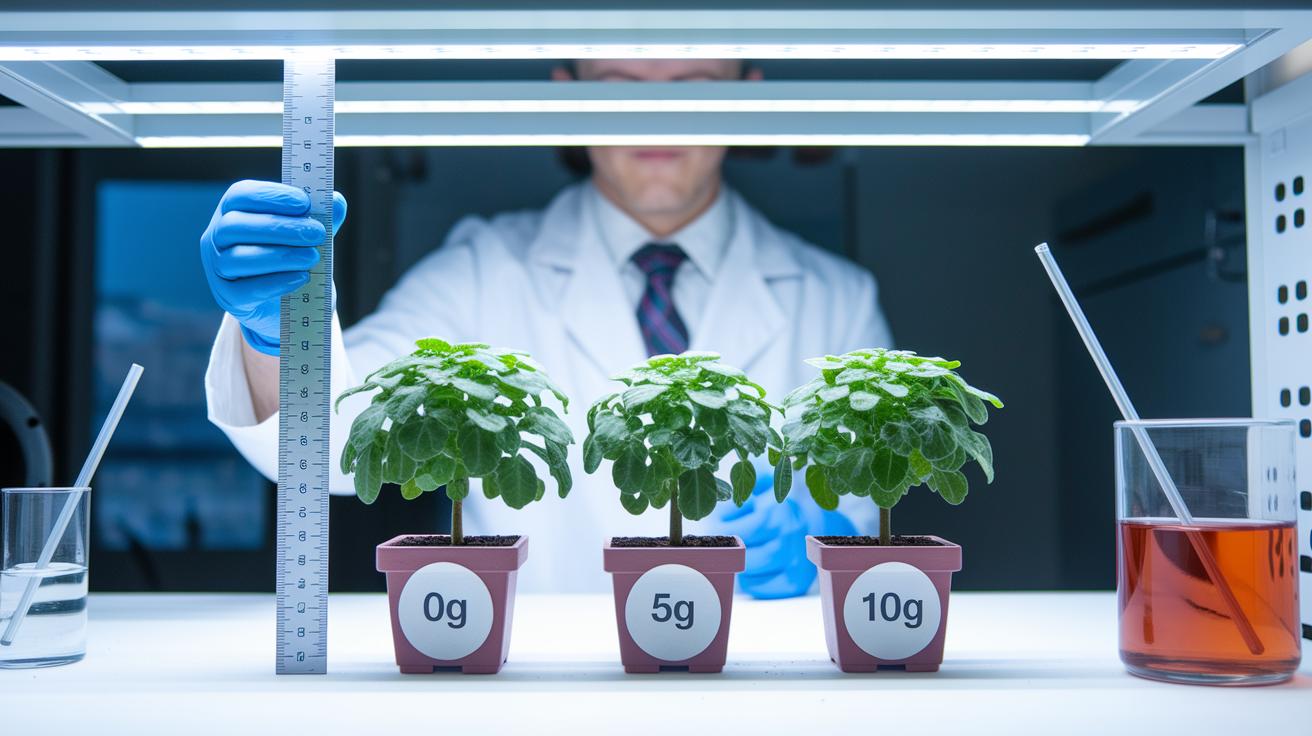
When planning an experiment, it’s important to nail down what you’re changing and what you’re measuring. The independent variable is the factor you actively change (like switching up the type or amount of fertilizer for plants), while the dependent variable is what you observe as a result (think plant height or total biomass after six weeks). You want to be super clear about how you define these variables, including all the details like units and timing, so another person can easily replicate the experiment. For instance, picture setting up a test where you give different groups of plants 0, 5, or 10 grams of fertilizer, all while keeping the soil, light, and water the same. This setup makes it easier to compare results and avoid any unintended mistakes.
Besides that, it’s also crucial to manage your control variables. These are the factors you keep the same (like pot size or light exposure) so that nothing else messes with your results. Deciding in advance which outcomes are most important and which are secondary helps keep the experiment consistent and trustworthy. This careful planning makes it much easier to figure out the true cause-and-effect in your study.
Differentiating Independent and Dependent Variables
Independent variables are the factors that researchers change on purpose in an experiment. They are shown on the horizontal x-axis. These variables can be measured with numbers (quantitative) or sorted into groups (qualitative). Meanwhile, dependent variables are the results we see from those changes and are placed on the vertical y-axis. Sometimes these outcomes are continuous, like time or weight, and other times they’re discrete, such as a pass or fail. In simple terms, if you tweak X, then Y changes.
Clearly sorting these variables helps you pick the right statistical tests. For example, if the dependent variable is continuous, tests like the t-test can compare differences between groups. But if the outcomes are based on categories, a chi-square test works better. By plotting the independent variable on the x-axis and the dependent variable on the y-axis, you can choose analysis techniques that make your results clear and reliable.
Examples of Independent and Dependent Variables in Scientific Research

Scientists carefully pick what to change in an experiment (the independent variable) and then measure what happens (the dependent variable). They use clear units, scales, and timing to check how one change brings about another. They also try to control any other factors that might confuse the results. This way, their experiments show real cause-and-effect relationships.
- In psychology studies, researchers might compare different memory training methods. For example, one group could use working-memory apps while another does logic puzzles. They then measure recall scores after a test. Meanwhile, they keep an eye on factors like the participants’ initial memory skills and age.
- In plant science, an experiment could involve changing the type or amount of fertilizer. After about six weeks, scientists check plant height to see the effect. They also control for things like soil type and the amount of light the plants get.
- In education research, different teaching methods such as lecture, flipped classrooms, and problem-based learning might be compared. Here, final exam scores are measured, with things like prior GPA and class size kept steady.
- In marketing, scientists may adjust price points to see how they affect the chance of a purchase. They measure this on a 1–7 scale while making sure that brand familiarity and competitor prices remain constant.
- In medicine, different doses of a drug (measured in mg per day) are tested to see how symptoms change. Researchers also manage other factors like how severe the symptoms were initially and any other health issues.
Each of these examples shows how scientists plan their experiments by clearly deciding which factor to change and which outcome to measure. This careful planning not only makes it easier to compare results but also helps others repeat the study and understand how one change really affects another.
Visualizing Independent and Dependent Variables in Science
Scientists use different kinds of charts to show how one change can lead to another. For example, if they have lots of numbers that keep changing, they might use a scatterplot. This type of graph puts the independent factor (the one you change) on the x-axis and the dependent factor (the one you measure) on the y-axis. Imagine a study where different amounts of fertilizer are compared with plant height. Each dot on the graph shows how tall a plant grew when given a certain dose. For groups or categories, dot plots and box plots are great at showing differences, like comparing two teaching methods. Adding error bars (lines that show a 95% chance the measurement is close to the real value) helps everyone see how trustful the results are.
Picking the best chart makes it easier to figure out what the results are saying. Bar charts or rate plots work well for counting things, such as showing pass or fail marks on a test. These graphs quickly show changes based on the independent factor, so it’s easy to see patterns. Visual tools like these not only help explain how different parts of an experiment work together but also highlight the overall research plan. For example, a scatterplot might show how a small tweak in dosage can lead to a noticeable change in reaction time. This clear picture helps us understand the cause-and-effect connection in the experiment.
Identifying and Selecting Variables for Research Studies

Start by mapping out your study’s variables in a clear way. Think of it like choosing ingredients for your favorite recipe. You have the independent variable (the factor you change or simply observe) and the dependent variable (the result you measure, like reaction times or scores). For example, if you’re testing a new drug, your main focus might be how it changes blood pressure, while you can also look at secondary effects such as changes in sleep quality. This clear setup helps keep your study organized right from the start.
Next, keep an eye on how these variables interact. Avoid mixing up things by changing factors that could confuse the cause-and-effect relationship. For instance, if stress (a factor that might influence mood) gets in the way, it can muddle your results. By writing down each expected outcome and thinking about what might interfere, you make your plan easier to follow and more trustworthy. This step-by-step approach guides you in understanding the true impact of your research.
Final Words
In the action, we explored how independent variables (factors you set) shape the outcomes seen in dependent variables (the measured results). We broke down key definitions, showed roles in experiment design, and compared examples from medicine, education, and more.
Clear visuals and precise definitions made the science accessible, highlighting how graph mapping and variable selection add clarity to research studies.
Grasping these insights about independent and dependent variables in science helps simplify talks about research and boosts our confidence to learn more. Enjoy these ideas and keep the curiosity alive.