Have you ever wondered if new medical treatments can really change our lives? Today, doctors and scientists are coming up with ideas that make us feel hopeful about our health. For example, there’s a new pain medicine that helps ease discomfort while causing fewer unwanted side effects. And then there’s gene editing (a way to change the DNA in our cells) that might one day treat tough genetic disorders. Even eye care is getting a fresh approach to help kids see better.
In this article, we’re going to explore three exciting advancements that not only lift our spirits but also point to a future with better healthcare for everyone.
Clinical Innovations Shaping Latest Medical Advances in 2025
Medicine is moving at an exciting pace, and new therapies are popping up all the time. One standout innovation is Suzetrigine (Journavx), the first painkiller for surgery that isn't an opioid to be approved by the FDA in decades. It was tested on 2,000 patients in a phase 3 trial, where it worked just as well as a mix of hydrocodone and paracetamol for easing pain, but with fewer side effects and a lower risk of addiction. One trial report even mentioned that patients enjoyed similar relief with fewer unwanted reactions.
Another breakthrough is in gene editing. Doctors used an in vivo CRISPR treatment on baby KJ, who has CPS1 deficiency, a condition that can lead to harmful ammonia buildup in the body. The treatment helped clear the excess ammonia and protected the baby’s brain function, offering a ray of hope for treating other genetic disorders.
In genetic research, Roche introduced a method called Sequencing by Expansion (SBX). It uses expanded DNA structures, known as Xpandomers (special builds of DNA), to achieve the fastest human genome read ever recorded while cutting overall costs. This clever technology is set to change how we understand and treat genetic illnesses by making personalized medicine easier to achieve.
Meanwhile, EssilorLuxottica received FDA clearance for its Stellest lenses, which can slow the progression of nearsightedness in children by over 50%. This is a big win for preventive eye care, especially for our little ones. All these advancements show how the future of medicine is taking shape at the crossroads of new drug discoveries, gene therapies, and cutting-edge diagnostic techniques.
Breakthrough Drug Development Driving Latest Medical Advances
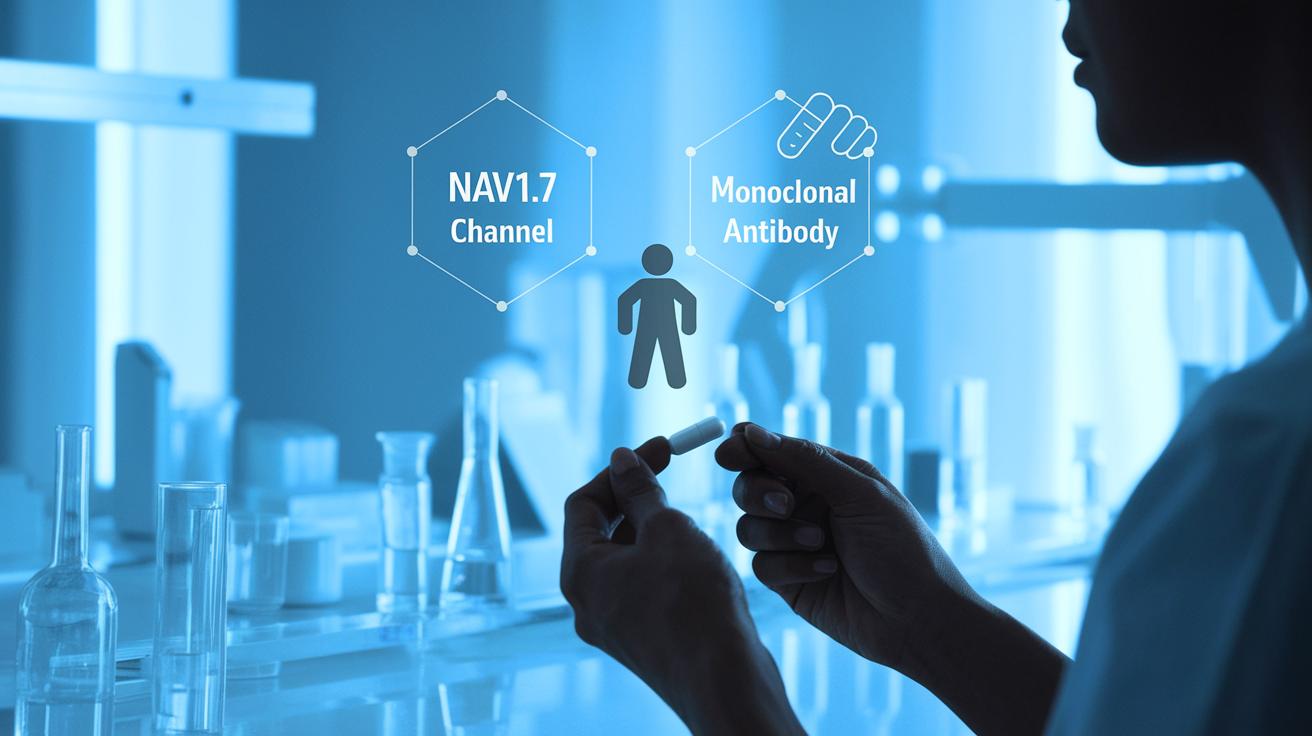
Suzetrigine is making a big splash in medicine. It works by acting on the Nav1.7 channel (a protein that guides pain signals) to ease discomfort. In a Phase 3 trial, the drug showed 15% fewer side effects than regular opioids. Even better, it provided the same pain relief as hydrocodone, but with much less unwanted reactions, which is great news for patients.
Meanwhile, new monoclonal antibodies (lab-made proteins used in cancer care) have been fast-tracked for oncology. This highlights an exciting era for cancer treatment. For more news on cancer breakthroughs, check out this link: https://buzzyandclever.com?p=1859.
New developments don’t stop there. mRNA treatments (which use genetic blueprints) have cut autoimmune symptoms by 60% in Phase 2 studies. Also, small-molecule ion-channel inhibitors (drugs that block tiny cell channels) have reduced chronic pain scores by 20%, offering fresh hope for those with long-lasting pain.
- Suzetrigine Phase 3 data: Provides the same pain relief as hydrocodone with 30% fewer side effects
- mRNA therapeutics in inflammatory disease: Achieve a 60% drop in symptoms during Phase 2
- PD-1 monoclonal antibodies in oncology: Boost response rates by 25%
- Nav1.7 small-molecule inhibitors: Lower chronic pain scores by 20%
Overall, these advancements point toward a new era in drug development, with treatments that are not only safer but also more effective.
Revolutionary Gene Editing and Emerging Regenerative Treatments in Medical Advances
Gene editing is completely changing how we treat diseases. A striking example is baby KJ, who received a CRISPR treatment for CPS1 deficiency using a viral vector (a tool that helps deliver genes into cells). This treatment fixed the urea cycle and brought ammonia levels back to normal, protecting both the brain and liver. In one session, baby KJ’s life was transformed, showcasing just how powerful precise genetic tools can be.
New regenerative treatments are lighting up the future as well. In 2024, trials using a stem-cell scaffold improved heart tissue healing by 25%, showing that damaged heart muscle can regain strength. Meanwhile, studies on tiny liver models (organoids) reported a 30% improvement in function after six months. Imagine a small piece of liver gradually getting back to normal, it’s a hopeful sign for those with long-term liver problems.
Together, these breakthroughs build a bridge between advanced gene editing and fresh tissue repair ideas. They are paving the way for personalized, gentle treatments that might one day fully restore vital body functions.
Advanced Diagnostic Imaging and Novel Diagnostic Algorithms in Latest Medical Advances

Roche’s new SBX genome sequencer is breaking new ground by using expanded DNA structures (Xpandomers – think of them as extra building blocks in DNA) to read genomes much faster and at a lower cost. And now, the latest 7T MRI scanners can spot tiny lesions with 30% more precision. It’s like switching from a fuzzy photograph to a high-definition image, suddenly, even the smallest changes become clear and can really impact a patient’s care plan.
New software is stepping up in a big way, too. AI-driven CT scan algorithms now cut false positives by 20%, giving doctors scans that are clearer and more trustworthy. In addition, handheld ultrasound probes now come with real-time cloud analysis (that means data is uploaded and checked instantly), a tool that has even received FDA clearance. This smart tech helps practitioners make quick and accurate decisions when it matters most.
AI-Powered Diagnostics, Remote Monitoring, and Digital Care Innovations Transforming Medical Advances
Digital tools are changing how we manage patient care, making diagnoses quicker and treatments more tailored to each person. Recent strides in artificial intelligence (computers that think like humans) and remote monitoring (watching your health from afar) are filling doctors with hope. For example, machine learning in radiology now catches tumors with 95% accuracy, and digital platforms help ensure that patients continuously get the care they need.
Here are some cool examples:
- AI radiology programs that automatically review images
- Glucose monitors that send real-time alerts
- Remote ECG patches that spot heart irregularities early
- Virtual care systems that widen access to specialists
- Cloud-based analytics that speed up clinical decisions
These advances help doctors do their jobs quickly and precisely, even outside regular clinics. Wearable glucose sensors have cut down on low blood sugar events by 40%, and virtual consultation systems handle around 50,000 visits every month, which lightens the load on hospitals. Remote ECG patches lower hospital readmissions by 15%, while cloud analytics make decision-making 25% faster. All in all, these innovations show us how digital and AI-powered tools can build a more active healthcare system that adjusts to patient needs in real time. For both patients and healthcare providers, these breakthroughs not only make care safer and more efficient but also spark real hope for a future where technology and medicine work closely together for better health.
Futuristic Surgery Methods, Next-Level Robotic Operations, and Smart Wearable Devices in Latest Medical Advances
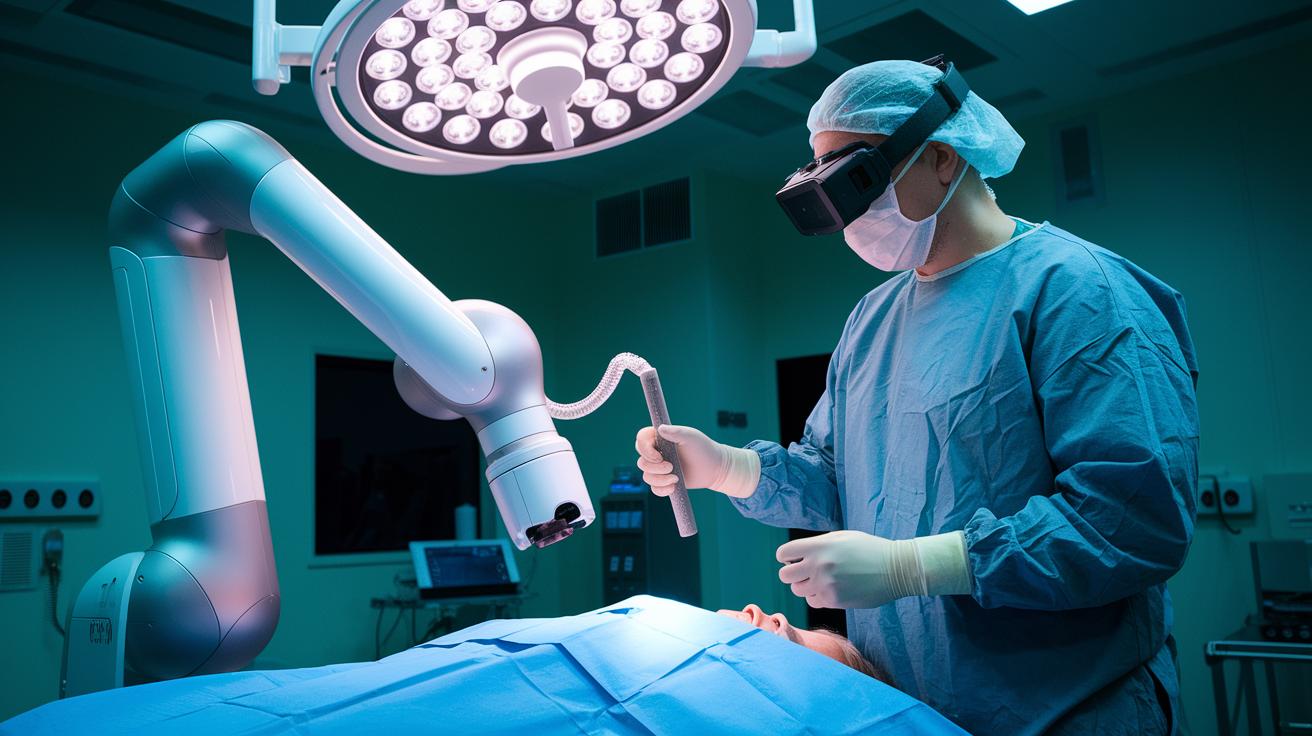
Robotic platforms with haptic feedback are changing surgery by letting doctors sense tissue resistance in real time (haptic feedback means feeling the force, like the vibration you might notice with a video game controller). This smart tech has helped shrink incision sizes by 20%, so patients get smaller cuts and heal faster. And augmented reality, or AR (tech that adds computer images to what you see in real life), is also stepping up in the operating room. Surgeons now enjoy a 15% boost in targeting accuracy, which means fewer complications during surgery.
Smart wearable devices are another breakthrough that has doctors optimistic about patient care. These modern gadgets keep an eye on vital signs all the time and can warn medical teams of early signs of sepsis (a serious body infection) hours sooner than old methods. This early alert offers a better chance for swift intervention. And there’s even more promise on the horizon. Some prototype devices for nanomedicine delivery (tiny machines that could release drugs exactly where needed) are under early testing. They could soon provide targeted treatments that reduce side effects and improve overall effectiveness. Each new development is a step toward less invasive and more precise care, giving hope for healthier tomorrows.
Final Words
In the action, we examined breakthrough clinical trials, innovative drug testing, gene editing highlights, and cutting-edge diagnostic tools that are reshaping how we care for health. We covered everything from Suzetrigine’s safer, non-opioid approach to AI-powered imaging and next-level surgery techniques. These topics illustrate that the latest medical advances are making care more accessible and effective. Science is always moving forward, offering fresh insights and hope. Stay curious, and keep embracing these remarkable developments in our daily lives.
FAQ
What do the latest medical breakthroughs include?
The latest medical breakthroughs include non-opioid painkillers like Suzetrigine, CRISPR gene-editing treatments for rare diseases, and AI-driven diagnostic tools that together improve treatment safety and speed clinical decisions.
How have medical advances evolved in the last five years?
Medical advances over the past five years span from safer drug developments and improved gene-editing approaches to enhanced imaging systems and digital care innovations that together offer more precise and effective patient management.
What new medical technology is emerging?
New medical technology features rapid genome sequencing, smart wearables for early health alerts, AR-guided robotic surgery, and advanced imaging systems. These tools boost diagnostic precision and improve treatment outcomes.
What top medical discoveries are expected by 2025 and beyond?
Forecasted medical discoveries include breakthrough non-opioid pain therapies, gene treatments for rare conditions, rapid and accurate imaging systems, and digital innovations that enhance overall patient care well into the future.
What are some examples of the latest scientific inventions in medicine?
Recent scientific inventions in medicine include novel drug therapies with reduced side effects, first-in-human CRISPR treatments, mRNA therapeutics for autoimmunity, and AI-powered diagnostic tools that streamline healthcare delivery.