
Have you ever been curious if aerospace engineering is more than just a cool job? This field is booming as thousands of new roles pop up every year. Engineers here take ideas from simple sketches and turn them into airplanes and even spacecraft.
It’s a mix of art and tech. Think of it as designing and testing everything that flies high, all while getting paid well. I find it amazing how creativity meets science in this space.
In truth, aerospace engineering isn’t just for tech geeks. It’s catching the eye of many people who love a blend of hands-on work and smart problem-solving. It really makes you wonder about the exciting future ahead.
Aerospace Engineering Demand: Job Market Projections and Key Indicators
Aerospace engineering is booming right now. Experts say jobs in this field could grow by 6% from 2023 to 2033, which is higher than most other job fields. That means around 4,200 new positions each year for people who can design, test, and fine-tune everything from airplanes and spacecraft to satellites and missiles. Fun fact: an early aerospace engineer once sketched ideas on napkins before tackling complex simulations!
Salaries in aerospace engineering are on the rise as well. In 2023, engineers earned a median annual wage of about $130,720. By May 2024, that number had increased to roughly $134,830. This steady climb shows that the advanced skills needed for these jobs come with competitive pay and lots of satisfaction from working on exciting, high-tech projects that are shaping the future of flight and space exploration.
- 6% job growth forecast (2023–2033)
- About 4,200 new openings each year
- Median wage between $130k and $135k
- Faster growth compared to many other occupations
- Projects driven by innovation and cutting-edge ideas
A big draw of aerospace engineering is the career stability it offers. Many professionals love their roles because they mix creativity with technical problem-solving. Working in this field not only brings a great salary, but it also gives you a chance to be part of groundbreaking projects and research that could change the way we explore our world and beyond. If you’re into technology and exploration, aerospace engineering might just be the perfect path for you.
is aerospace engineering in demand: Soaring Opportunities

Aerospace engineers are the brains behind designing, building, and testing airplanes, rockets, satellites, and missiles. They use computer programs called CAD (computer-aided design, which helps create detailed blueprints) to develop models and run virtual tests to ensure every design is safe and works well. In labs, they run wind tunnel tests (simulated air flows) and stress checks to make sure each part can handle real-life conditions. A simple CAD sketch can quickly turn into a full simulation that shows the design will hold up.
New technology is sparking fresh demand in the field. Electric and hybrid-electric aircraft, innovative urban air mobility vehicles (small flying machines for city travel), and clever drone systems are changing how these designs are made. Companies are excited about these advances because they lead to more efficient and eco-friendly flights. This mix of trusted aerospace methods and modern tech creates a workplace where routine checks blend with creative challenges, keeping the work both steady and inspiring.
Major employers in this field include big airplane manufacturers, government agencies like NASA and the FAA, and space trailblazers such as SpaceX, Blue Origin, and Virgin Galactic. Engineers might be found working in CAD-driven offices, busy labs with wind tunnels, field test sites, or environmental testing centers. With around 4,200 new jobs each year and a growth projection of 6% through 2033, aerospace engineering continues to be a solid and exciting career path for anyone looking to help shape the future of flight.
Regional Demand Variations in Aerospace Engineering Roles
Aerospace engineering salaries really do depend on where you work. For instance, engineers in North Dakota earn around $114,948, while those in Minnesota make roughly $106,402. This shows that local market conditions and the variety of opportunities have a big impact on pay.
Major U.S. aerospace hubs like California, Washington, Florida, and Texas are bustling with activity. These areas are filled with established manufacturing plants, advanced test centers, and exciting projects in urban air mobility. Companies here need engineers who can handle everything from assembling aircraft to running thorough design tests.
Working in these regions means you get to engage with both traditional aerospace work and modern tech innovations. With job opportunities expanding globally, engineers often weigh factors such as regional industry focus and lifestyle when planning their careers. It’s all about finding the right balance between technical challenges and a supportive work environment.
Educational and Skill Requirements Fueling Aerospace Engineering Demand

To kick off a career in aerospace engineering, you usually need a bachelor's degree in aerospace or a similar area. Many employers also prefer advanced degrees, such as a master’s or a PhD, if you're aiming for specialized roles. Colleges now update their courses to include modern design and analysis methods, so you’re better prepared for the changing industry needs. Plus, earning certifications shows you're committed, and getting a Professional Engineer (PE) license can really give you an edge in senior positions.
It also helps to build practical experience. Internships, research projects, and work in R&D give you a chance to apply classroom theory to real-world challenges. These hands-on experiences bridge the gap between learning and doing, making you stand out to top aerospace employers.
A strong technical foundation is key. You should be comfortable with computer-aided design software like SolidWorks, AutoCAD, and ProEngineer for crafting detailed blueprints and simulations. Equally important is having hands-on testing experience, whether through wind tunnel trials, stress checks, or simulating different environments, to ensure that your designs are safe and reliable. This mix of education, certifications, and technical skills builds a robust profile that meets the evolving demands of aerospace engineering.
Salary Trends Across Aerospace Engineering Specializations
Aerospace engineering offers a mix of pay scales based on the area you work in. When you're just starting out, you might see salaries between $69,000 and $100,000 each year. As you gain experience, the typical mid-career salary tends to be around $134,830 (as of May 2024). And for those in senior roles, it's common to earn between $150,000 and $200,000 or even more annually. In short, every niche in aerospace design and testing rewards your skills in its own way.
| Specialization | Average Salary | Salary Range |
|---|---|---|
| Thermodynamics Engineer | $115,864 | $38,000–$191,500 |
| Aeronautical Engineer | $130,258 | $49,000–$205,000 |
| Aircraft Design Engineer | $152,999 | $120,000–$176,000 |
| Airframe Design Engineer | $120,241 | $71,000–$178,500 |
| Spacecraft Systems Engineer | $124,441 | $84,500–$174,500 |
| Propulsion Systems Engineer | $122,519 | $62,500–$184,000 |
| Flight Test Engineer | $134,885 | $43,500–$204,000 |
Looking at the table, it's clear that different roles in aerospace come with varying levels of pay. For example, Aircraft Design Engineers tend to earn the highest average salary at around $152,999. This makes sense because designing an entire aircraft demands a high level of skill and careful attention to detail. Meanwhile, Aeronautical Engineers and Flight Test Engineers also pull in strong salaries due to the crucial work they do in ensuring designs are both innovative and safe. Even in specializations like Thermodynamics and Propulsion, the wide salary ranges show that the amount of responsibility and expertise can really influence earnings. It’s a neat snapshot of how specialized skills in this field translate into varied pay levels.
Leading Employers and Industry Sectors Driving Aerospace Engineering Demand
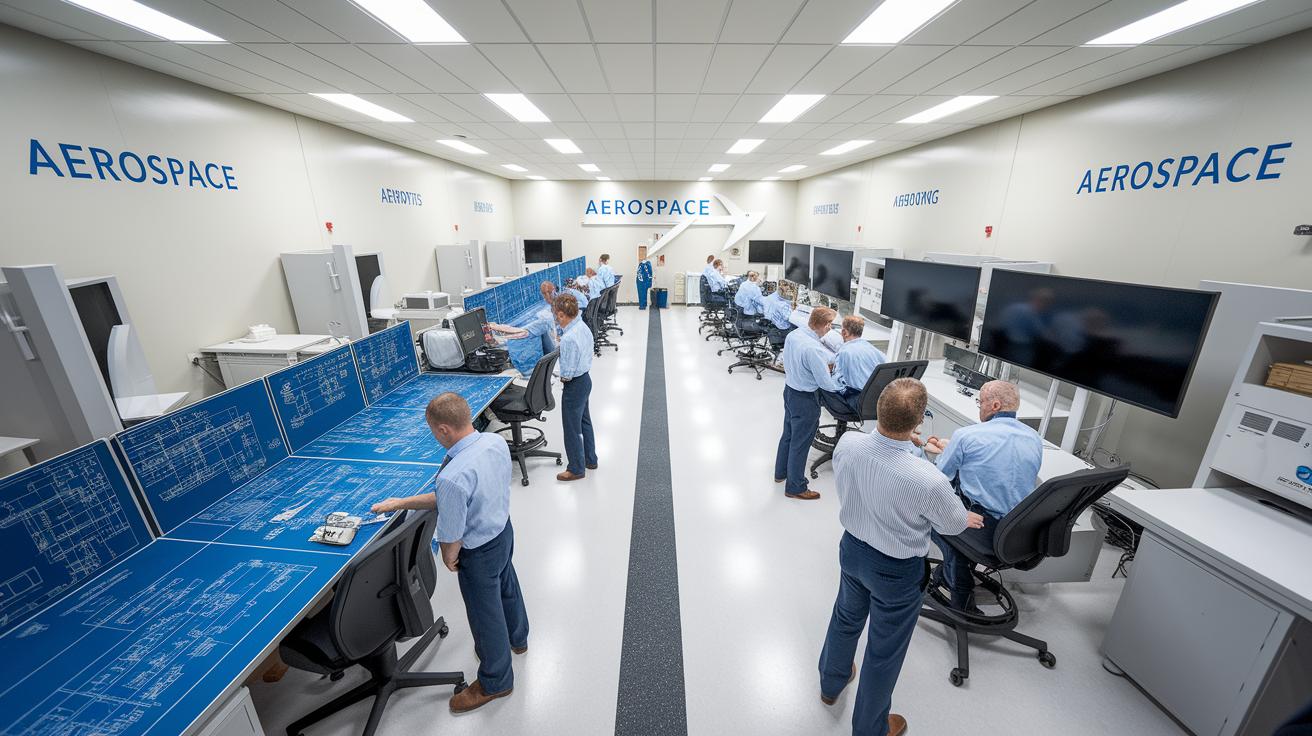
Commercial aviation companies, like those that build and fix airplanes, keep the field buzzing with new designs and ideas. Their labs and simulation centers work much like busy kitchens where experts experiment with new recipes, testing and improving flight technology to make air travel safer and more efficient.
Government groups such as NASA and the FAA rely on skilled engineers for research and keeping safety rules up to date. Space companies like SpaceX, Blue Origin, and Virgin Galactic are growing their teams to push the limits of space travel, while defense contractors and drone makers work hard in research and development to stay ahead of the game.
Final Words
In the action, we explored the steady job growth, competitive wages, and promising roles that shape the field. The post serves up solid data on numbers, regional trends, and the skills needed to excel.
It also shows that a career in aerospace engineering in demand offers both stability and excitement. The blend of innovation and solid market trends leaves plenty of room for future success and meaningful projects. Keep your curiosity fired up as the field continues to spark fresh opportunities.
FAQ
Is aerospace engineering hard?
The query about difficulty suggests that aerospace engineering demands strong math and science skills along with creative problem solving. Many find the field challenging yet highly rewarding.
What is the aerospace engineering salary?
The salary for aerospace engineers typically ranges around a median of $130,000–$135,000 annually, offering competitive pay that increases with experience and advanced skills.
Is aerospace engineering in demand (as seen on Reddit)?
The discussion on demand indicates that aerospace engineering is growing steadily. The field is expected to add about 4,200 jobs yearly with a forecasted 6% growth over the next decade.
What do aerospace engineers do?
The role of aerospace engineers involves designing, developing, and testing aircraft, spacecraft, satellites, and missiles. They work on complex systems to ensure optimal performance and safety.
What is the aerospace engineering unemployment rate?
The unemployment rate for aerospace engineers is very low. This reflects strong sector growth and a high demand for specialized engineering skills in innovative aerospace projects.
What are aerospace engineering jobs like?
Aerospace engineering jobs span diverse roles in design, testing, and research within government agencies, commercial firms, and defense contractors, providing varied career opportunities in a high-tech environment.
What is the aerospace engineering starting salary?
The starting salary for aerospace engineers usually falls between $69,000 and $100,000 per year, with earnings increasing as professionals gain more experience and technical expertise.
How would you describe the aerospace engineering job market?
The job market for aerospace engineers is robust, buoyed by projected growth and regular openings. This healthy market offers ample opportunities for professionals interested in advanced flight and space technologies.
Do aerospace engineers have a future?
The outlook for aerospace engineers appears promising, as continuous innovation and emerging technologies in flight systems and space exploration ensure steady long-term career prospects.
What engineer makes $500,000 a year?
The reference to an engineer earning $500,000 a year points to very high-level roles often requiring significant experience, leadership, and specialization that occur at the upper end of compensation scales.
What are the disadvantages of being an aerospace engineer?
The downsides of aerospace engineering include high pressure when meeting strict safety and regulatory standards, longer project cycles, and sometimes the need for relocation to be near key industry hubs.
Will aerospace get replaced by AI?
Discussion of AI in aerospace suggests that while automation may handle routine tasks, human judgment and complex problem solving remain crucial, ensuring that aerospace engineering continues to rely on expert skills.