
Ever wonder if our planet might be wrapped in too many heat-trapping layers? Every day, more greenhouse gases (gases that trap heat) act like a cozy blanket that makes Earth warmer. This extra warmth changes our weather, our water, and the land we live on. In this piece, we break down how a few extra particles can shift the way our world works and why it's important for everyone to pay attention.
Overview of Environmental Impacts from Climate Change
Greenhouse gases like CO₂, CH₄, and N₂O work like a cozy blanket around Earth. They trap the sun's warmth and give it back as heat, which keeps our planet warmer. Think of it as if Earth is wearing a thicker blanket when more of these gases are around. This warming process is really at the heart of climate change.
Since 1959, scientists have watched these gases climb steadily. Back then, CO₂ was about 316 parts per million (ppm), and now it's around 411 ppm. CH₄ and N₂O have also jumped by about 150% and 20% respectively. Even small increases in these gases can throw off the balance of our planet’s energy, causing global temperatures to rise. In fact, temperatures have gone up nearly 1 °C (1.8 °F) since 1900, with every one of the last four decades being the warmest on record since the mid-1800s.
If we double the amount of CO₂ from preindustrial levels, going from about 280 ppm to almost 560 ppm, it could push temperatures up another 1 °C on average. But other factors, like shifts in water vapor (the invisible gas you get from evaporation), might add even more warmth. Human activities, especially burning fossil fuels and changing the land around us, are behind more than half of the extra CO₂ added since 1970.
| Gas | Preindustrial Concentration | Current Concentration | Estimated Radiative Forcing |
|---|---|---|---|
| CO₂ | 280 ppm | 411 ppm | ~1.68 W/m² |
| CH₄ | 700 ppb | 1750 ppb | ~0.50 W/m² |
| N₂O | 270 ppb | 324 ppb | ~0.17 W/m² |
This mix of gases and their heat-trapping power sets the stage for even more detailed discussions about the many effects of climate change. Isn't it fascinating how a few simple particles can change the whole feel of our planet?
Rising Temperatures and Extreme Weather Disruptions from Climate Change

Since 1900, Earth's overall temperature has risen by about 1 °C. The Arctic is warming nearly twice as fast as the rest of the planet. This quick change is messing with our jet streams (fast currents high up in the atmosphere) and shifting weather patterns in surprising ways. It’s fascinating to see how the extra heat brings more energy into the air, which then sets the stage for extreme weather.
When the air warms up, it can hold more moisture. So when storms hit, they tend to dump about 7% more rain for every extra degree of warmth. In the western United States, hotter base temperatures have doubled the number of wildfires since 1984. The areas burned have even grown eight times larger by 2015. That extra warmth also powers hurricanes and tropical storms, making them about 2–11% stronger by 2100 because of higher temperatures and rising sea levels.
- More frequent heatwaves
- Intensified rainfall and floods
- Longer, more severe wildfire seasons
- Stronger hurricanes and tropical storms
- Prolonged drought events
Sea-Level Ascent and Melting Ice Trends under Climate Change
Over the past 100 years, our seas have risen by about 17 cm on average, with U.S. coastlines seeing an even bigger jump of around 28 cm. If we keep up with our current pollution levels, experts warn that sea levels could climb as high as 2 m by 2100. That means many coastal areas might face serious flooding and erosion.
Up in the Arctic, warmer weather is melting the ice faster than ever. Some studies even suggest we might see summers with hardly any ice in just 15 years. When ice disappears, the dark ocean waters soak up more heat, which speeds up the warming even more. Plus, as glaciers shrink and permafrost (frozen ground that slowly turns into soft soil) thaws, huge amounts of stored carbon get released into the air, making the greenhouse effect stronger.
At the same time, rising temperatures could enlarge floodplains (areas prone to flooding) by about 45% by 2100. This expansion means more risks of inland flooding and greater disruption to ecosystems, affecting both communities and wildlife. It all shows how connected these climate changes are, so acting now is really important for our future.
Ecosystem Alterations and Biodiversity Loss from Climate Change
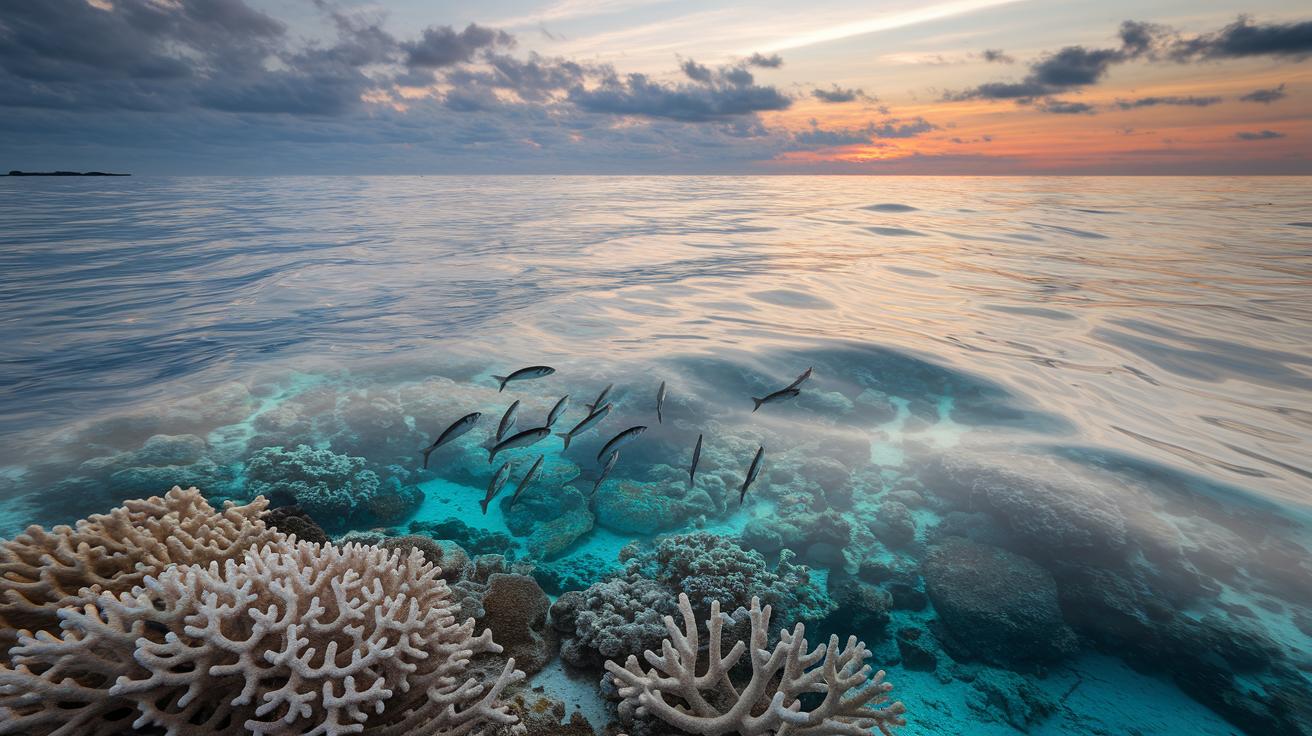
Our oceans are getting warmer, and that extra heat is shaking things up. When ocean temperatures boost a lot, we see more heat waves in the water. These hot spells cause huge losses of colorful coral and even mess with the usual travel routes of fish. This means not only the food chain gets mixed up, but the overall richness of life in the sea takes a hit.
On land, changes in temperature and weather patterns are shifting where plants can live. Areas where plants once grew together are now splitting apart. Plants are starting to appear closer to the poles and at higher elevations, leaving behind the connected habitats they once had. When these areas break up, plants and animals miss out on important corridors that help keep their genes healthy and ensure they survive in the long run.
Mild winters aren’t stopping unwelcome visitors anymore. Warmer winters allow pests and germs (organisms that can cause disease) to become more active and spread. Native species, which used to keep a natural balance, are having a hard time out-competing these new threats. In many cases, this leads to some species disappearing because their home environments become too fragile to handle the change.
Changes in rain and temperature make everything even more unpredictable. Different patterns in rainfall and temperature make it harder for natural cycles to stay steady. When these important cycles are thrown off track, life cycles are interrupted, which leads to fewer species and a drop in overall biodiversity. In this fast-changing world, many species are at a higher risk, and the strength of whole habitats is slowly fading away, showing us just how deep an impact climate change has on nature.
Agricultural Yield Reductions and Water Resource Stress from Climate Change
Climate change is really shaking up farming in America. In the West, we’re now looking at the driest 22-year stretch in more than 1,200 years. This long dry spell leaves the soil thirsty, making it hard for farmers to irrigate their fields correctly. Without enough moisture, the soil can’t do its job of supporting healthy crop growth.
Heatwaves and unpredictable rain add even more pressure. Experts say that if the planet warms by 2°C, important cereal crops might see a 10 to 25 percent drop in yields. That’s because crops are getting stressed from higher temperatures and a water supply that just doesn’t show up when it’s needed. It makes planning for planting and harvesting really tricky for everyone involved.
At the same time, rising temperatures speed up evaporation and change rain patterns, putting extra stress on our freshwater supplies that farmers rely on. Plus, stronger storms are causing more flood damage to farmlands. When you add all these factors together, it’s clear that our food system is at risk. Local farmers are already feeling the heat, and changes need to happen now.
Public Health, Displacement, and Economic Challenges Posed by Climate Change
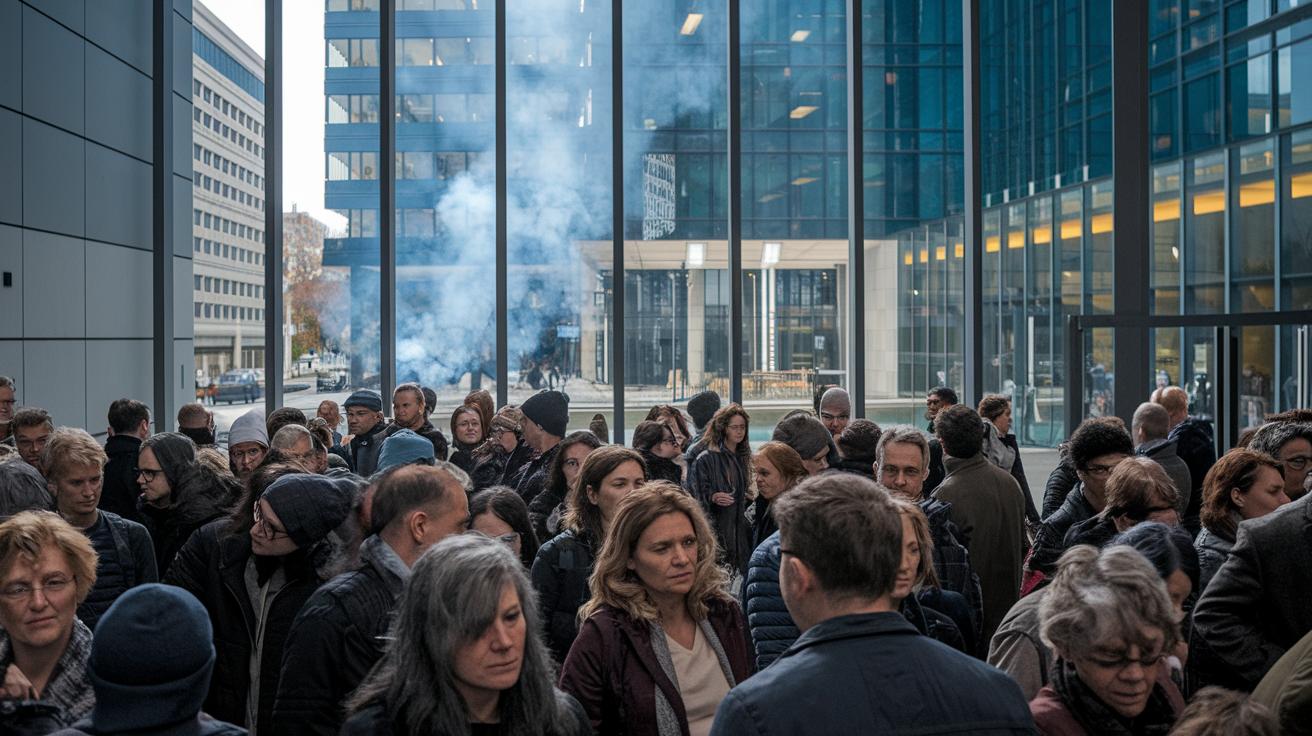
Climate change is hurting our health in many ways. The air is getting dirtier because of more ozone and wildfire smoke, leading to more problems with breathing and heart health. People who are older, disabled, from minority groups, or low-income often suffer the most since they don’t have enough access to good healthcare and recovery help. As a result, local clinics and hospitals are overwhelmed, making everyday life tougher for a lot of Americans.
Extreme weather and rising seas are also forcing millions to leave their homes. In fact, climate-related disasters might cost the United States up to $500 billion each year by 2100. Floods, wildfires, and hurricanes are causing so much damage that between 4.2 and 13.1 million Americans could be displaced by the end of the century. This shift inside the country puts extra pressure on communities, local economies, and public services, which only deepens the social and economic inequalities that already exist.
- Poor air quality is worsening breathing and heart problems
- Extreme weather events are causing huge economic losses
- Rising seas and severe storms could force millions to relocate
- Low-income, minority, elderly, and disabled groups bear the heaviest burdens
Climate Change Adaptation and Mitigation Strategies for Environmental Resilience
As climate challenges grow, communities are stepping up with smart, hands-on actions to protect our environment. Take South Australia, for example. By 2020, more than 60% of their electricity came from wind and solar, showing just how much clean energy can lower emissions and even cut energy costs.
We are seeing new policy tools in action, like making companies pay for pollution (carbon pricing), planting more trees and restoring wetlands, and offering help to support clean technologies. These changes guide us toward a greener future. Plus, simple ideas such as using better irrigation (watering crops wisely), building stronger flood defenses, and setting up early-warning systems help keep people and nature safe during extreme weather.
These efforts not only safeguard our planet but also open up job opportunities, spark new ideas, and strengthen our communities. When smart policies mix with real-world actions, we build a safer, healthier world for everyone. Starting these steps now means we are ready to face climate risks head-on and work toward long-term success for both nature and our neighborhoods.
- Expand renewable-energy deployment
- Implement carbon-pricing mechanisms
- Restore forests and wetlands
- Strengthen infrastructure and early-warning systems
Final Words
In the action, our overview walked through greenhouse-gas rises, warmer temperatures, shifting seas, changes in ecosystems, strained crops, and health issues. These topics show how does climate change affect the environment as we see impacts from every angle.
We also explored simple adaptation measures that guide us toward a more resilient future. There’s plenty of room for optimism as small steps pave the way to a cleaner, more stable world.
FAQ
What are the key effects of climate change on humans, nature, and the environment?
The climate change effects include rising temperatures, extreme weather events, altered ecosystems, sea-level increases, and disruptions in human health. These changes combine to affect agriculture, biodiversity, and everyday life.
How does climate change affect human health?
The changes in climate affect human health by worsening air quality, increasing heatwaves and wildfires, and promoting respiratory and cardiovascular issues. Elevated temperatures and pollutants strain body systems.
What causes climate change?
The causes of climate change stem from high greenhouse gas emissions like CO₂, CH₄, and N₂O. Human activities, such as burning fossil fuels and deforestation, boost these gases and warm the planet.
How severe could climate change be by 2050?
The climate change impact by 2050 could include more intense storms, higher sea levels, prolonged droughts, and wider economic and health challenges if current emissions persist.
What are the top factors that influence climate change?
The primary influences on climate change are fossil fuel use, deforestation, and land-use changes. These factors raise greenhouse gas levels, driving global warming and shifting weather patterns.