
Have you ever wondered if climate change is just another beat in Earth's long history or if it's something different? If you look back, you'll see our planet slowly changed over thousands of years. Back then, a gentle warm-up moved coastlines and gave life a chance to start fresh. But today's warming is happening much quicker, and it's mainly because of what we're doing. In this post, we're taking a closer look at how nature's slow, steady pace compares to the rapid changes we’re now experiencing.
is climate change natural: Embracing Earth's Shift
Recent talks, like the House Committee on Science, Space and Technology hearing, have sparked new questions about how our planet changes. Many experts remind us that Earth has gone through natural shifts over long stretches of time. For instance, way back between 6000 and 10,000 BC, sea levels rose by tens of meters, changing coastlines and the homes of countless creatures. Imagine this: in prehistoric times, a slow, steady warming gently reshaped vast landscapes over thousands of years, even creating lost lands like Doggerland.
But what we see today is quite different. Over the past 30 years, our planet’s temperature has been rising much more quickly. Gas emissions from factories and cars, like CO₂ from burning fossil fuels (the chemicals that trap heat in the air), are warming Earth at a speed nature on its own could never match. This fast change is at the heart of the debate: is our warming caused by natural processes or by our own actions?
When we compare natural warming with the heating caused by humans, the contrast is obvious. Natural factors, such as small changes in the sun’s rays and slow shifts in the Earth’s surface, have warmed our planet little by little over hundreds of years. In contrast, the speedy warm-up we see today comes mainly from what we do. It makes you think about how old, gradual changes differ from the quick impacts of industrial activities.
Looking at the facts, it’s clear we have two sides. One shows a long history of gentle, natural climate shifts. The other shows a fast and modern warming trend driven by our own greenhouse gas emissions. This difference sets the stage for the big questions we face about the future of our environment.
Natural Climate Variability Through Geological Time
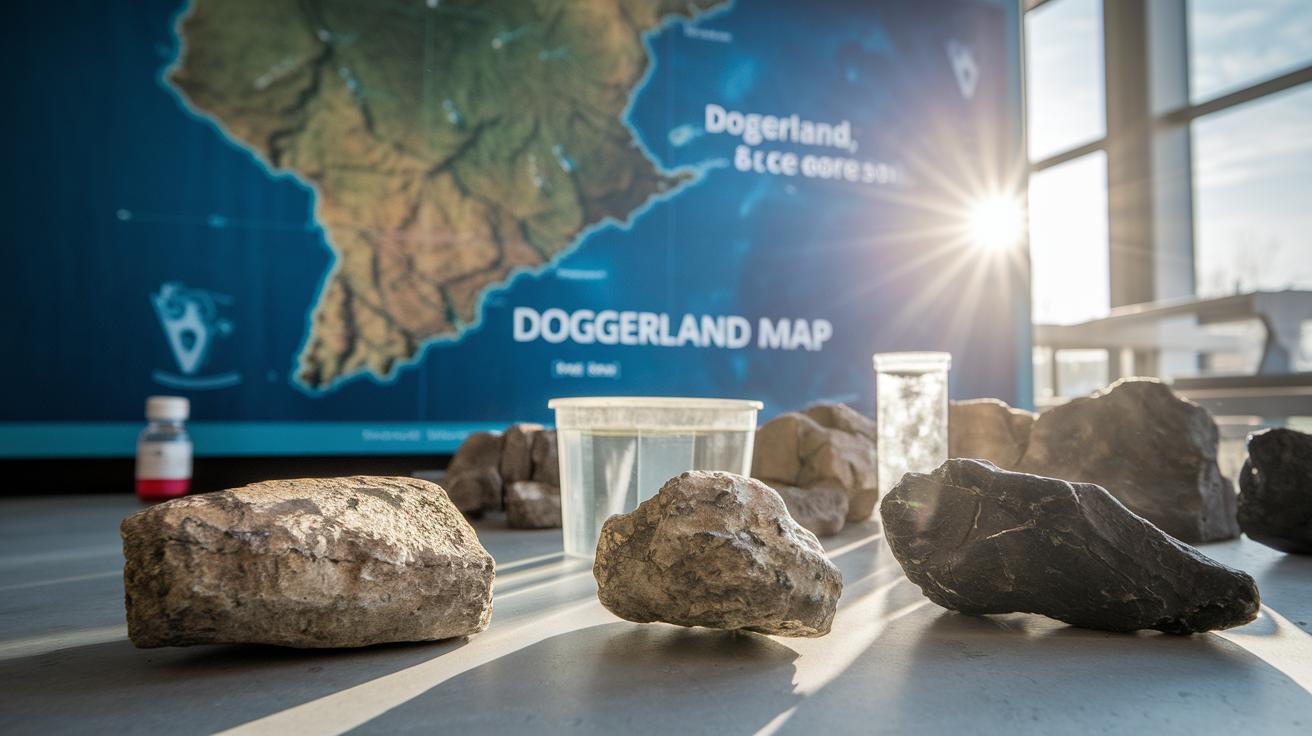
Over Earth's long history of 4.5 billion years, our planet has gone through slow shifts in climate. Think of it as long ice ages with cold snaps and warmer breaks in between. Fossils and ice cores (frozen layers that tell us history) show that these changes happened over tens or even hundreds of thousands of years. Small changes in Earth's orbit, tilt, and the amount of energy we get from the sun gradually steered these cycles.
Take Doggerland, for example, a landmass that vanished under rising seas between about 6000 and 10,000 BC. Back then, natural forces like our planet's shifting path around the sun and slow ice age cycles reshaped the world long before humans made any big changes.
Today’s warming, however, is different. The temperature is rising much quicker, and the cause isn’t the same slow, natural dance of our planet. Instead, this rapid change points clearly to human activities affecting the climate.
Solar, Orbital and Volcanic Factors in Natural Climate Change
The sun doesn't always shine exactly the same way. Its energy shifts slowly over many years, and even small changes in sunlight can make our planet feel a bit warmer or cooler over time. Imagine a day when the sunlight seems a little extra gentle, making an already clear day feel even warmer.
Volcanoes also play a part in our climate. When they erupt, they send tiny particles (aerosols, which are small bits you can't see) high into the atmosphere. These particles bounce some sunlight back into space, which cools the Earth for a little while. Think of it as if a volcano is sprinkling a light dusting of ash that cools things down temporarily.
The Earth's orbit around the sun isn't fixed either. It slowly changes how our planet spins, tilts, and even wobbles over thousands of years. This gradual shift, often called Milankovitch cycles (named after the scientist who studied them), changes how much sunlight reaches us. It's a bit like the Earth slowly tipping its hat and, with that, changing how we feel the warmth of the sun.
Deep down, earth processes like the drifting of continents and the building of mountains have also shaped our climate. As landmasses move and mountains rise, they change the paths of winds and ocean currents. These natural shifts have been working together for millions of years to shape the weather we experience today.
Natural Climate Change and Extreme Weather Events
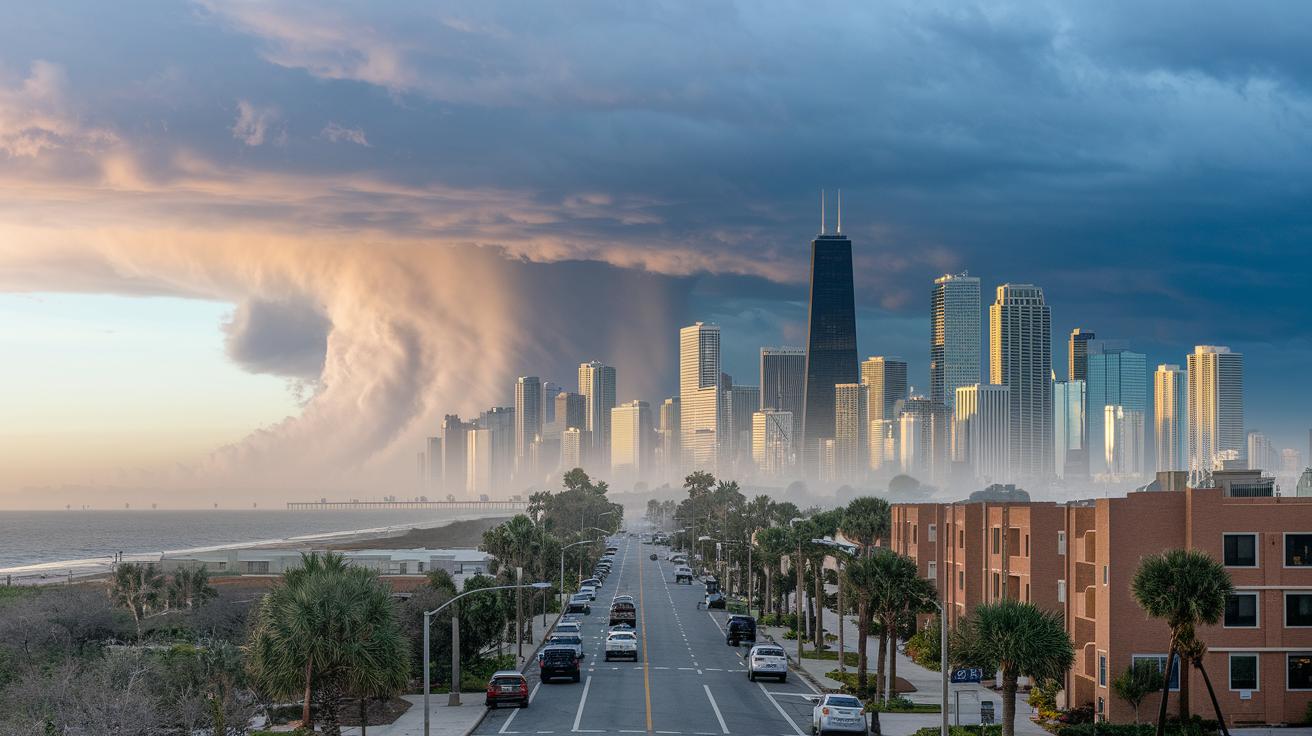
For as long as we can remember, Earth has shifted in ways that brought droughts, heatwaves, hurricanes, and floods. Back in prehistoric times, these changes happened very slowly. The land would dry out little by little, or a seasonal storm would come by and then quietly fade away.
But now things feel different. Our warming planet is making these weather events much stronger. Have you ever wondered why a heatwave seems to hit harder in the city, leaving people desperate for a cool break? Hurricanes that used to follow a calm routine are now wild, with fierce winds and heavy rains that can cause big problems in just a few hours.
Here’s a quick look at some of the changes we’re seeing:
- Droughts lasting much longer and putting pressure on our water supplies.
- Heatwaves that break temperature records day after day.
- Hurricanes with stronger winds and more intense rainfall.
- Floods that show up suddenly and catch communities off guard.
Recent studies show that while natural weather changes have always been a part of life on Earth, the rise in global temperatures is making these extreme events even tougher to predict and more damaging than ever before.
Why Recent Climate Change Exceeds Natural Variability
Paleoclimate records tell us that the Earth's temperature used to change very slowly over thousands of years. New, detailed visuals now show that since the late 1800s, we've seen a jump of about 1.1 °C in just a few decades. These updated charts put side-by-side the gentle warming from ice core studies with today's rapid increase, making it clear that extra greenhouse gases from industry and burning fossil fuels are changing our climate fast.
Recent studies mix atmosphere modeling (that is, computer simulations of air chemistry) with real climate data to explain how these extra emissions have pushed temperatures up quickly, something past records simply do not support.
Some scientists even show graphs next to each other. Imagine one line creeping upward over many centuries, while another rockets higher in just a few decades. It’s a clear sign of human influence on our planet.
| Period | Temperature Increase | Time Span |
|---|---|---|
| Paleoclimate (Preindustrial) | 0.5 – 1°C | Thousands of years |
| Modern | ~1.1°C | Decades |
Scientific Consensus on Natural versus Anthropogenic Climate Change
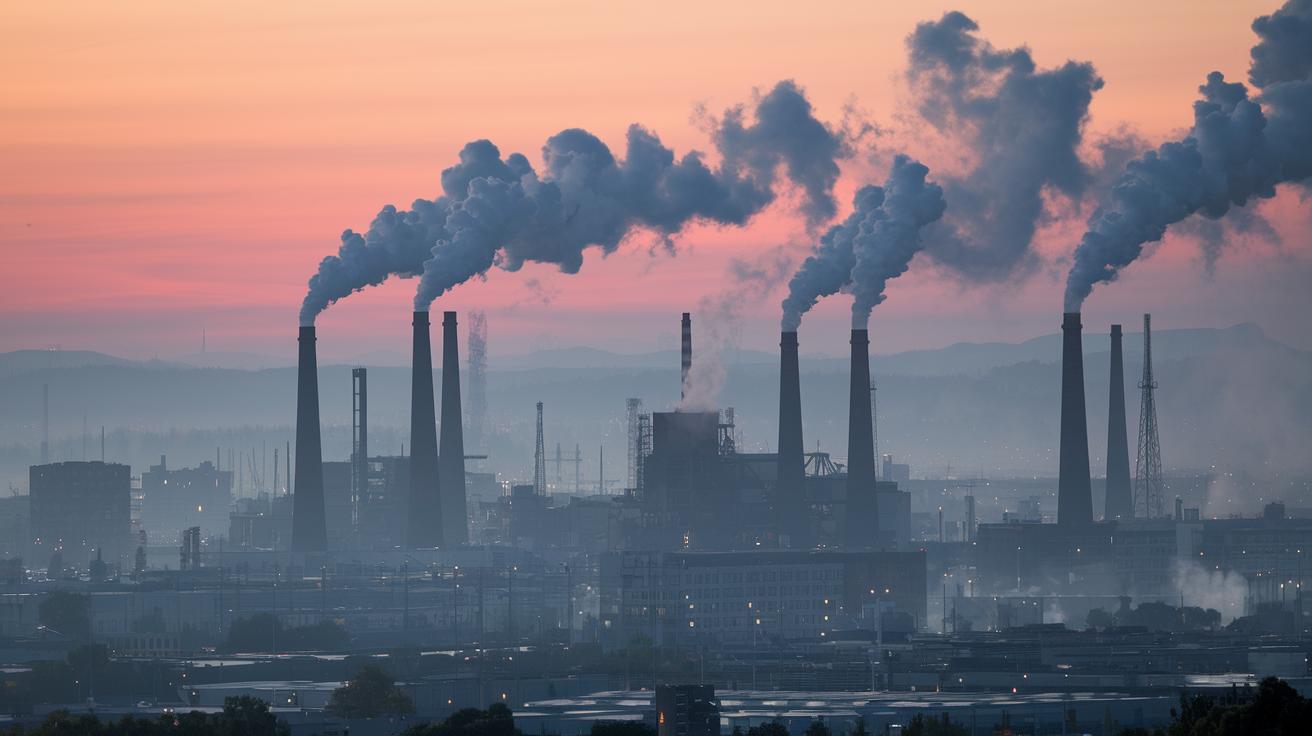
Scientists agree that our planet is warming much faster because of human actions. When we burn fossil fuels, we release greenhouse gases (gases that trap heat), and that extra heat builds up quickly. In the past, changes in Earth’s temperature happened over centuries, but since the late 1800s, the rise has been almost 1.1 °C, and that’s happened in just a few decades.
Research tells us that natural factors like sunlight and volcanic eruptions can’t explain this sudden spike in temperature. Instead, when our planet warms up, it sets off feedback loops (cycles where warming causes more warming) that make the situation even worse.
- Studies reviewed by other scientists show that the current warming goes beyond what nature would do on its own.
- Major science organizations confirm that it’s our activities that are heating up the Earth.
Imagine watching a quiet lake gradually warming up over time, then suddenly bubbling like a hot spring. That’s a bit like what’s happening with our climate today, and it’s a clear sign that human influence is at work.
Final Words
In the action, our discussion showed how Earth's natural climate changes contrast with the rapid warming of today. We explored how the sun, volcanoes, and orbital shifts influenced past weather, while modern events link closely with human activity. This quick rise, unlike what climate change natural events typically produce, marks a clear shift from ancient patterns. Science tells us that human factors are driving this change. Let’s carry this understanding forward and stay curious about our ever-changing planet.
FAQ
Is climate change natural or man made?
The question of whether climate change is natural or man made is answered by evidence showing that while Earth has natural shifts, the rapid changes today stem mainly from human greenhouse-gas emissions.
What are the main causes of climate change?
The main causes of climate change include human emissions of greenhouse gases and natural factors like solar radiation shifts, volcanic activity, and orbital variations that gently affect Earth’s climate.
What effects does climate change have on the environment?
The effects of climate change on the environment include rising temperatures, intensified weather events, shifting ecosystems, and challenges to water resources and agriculture, impacting both nature and human life.
How is climate change caused naturally?
The natural causes of climate change involve variations in solar output, volcanic eruptions releasing cooling aerosols, orbital changes, and geological shifts that gradually alter the planet’s climate over long periods.
What is Bill Gates saying about climate change?
Bill Gates highlights the importance of clean energy and innovative technology as key steps to cut carbon emissions and drive a shift toward a greener, more sustainable global future.
What does God say about climate change?
Some religious perspectives view climate change as a call for humans to protect Earth, emphasizing our duty to care for nature and preserve the environment as a sacred trust.
Is climate change a myth or reality?
The question of whether climate change is a myth or reality is answered by robust scientific evidence that confirms ongoing temperature rises, historical shifts, and increasingly severe weather events around the globe.
Where can students find quality climate change articles?
Students can access quality climate change articles on educational websites and trusted online platforms where complex research is explained in simple, clear language suited for curious minds.
What are solutions for climate change?
Solutions for climate change focus on cutting greenhouse gas emissions, shifting to renewable energy sources, enhancing energy efficiency, and protecting natural habitats to foster a healthier climate.