
Have you ever wondered if our kidneys can actually repair themselves? Nowadays, scientists aren’t just helping us feel a little better, they’re finding ways to fix the cells in our kidneys directly.
New treatments are on the rise that could cut down the need for dialysis by targeting the real damage inside the kidney. Here, we explore how detailed cell maps and tiny implant devices are changing the way we care for our kidneys.
You’ll see that these fresh, innovative methods are opening up smarter paths for managing long-term kidney issues.
Comprehensive Overview of Breakthrough Treatments for Chronic Kidney Disease Management
Kidney care is changing. Instead of just easing the symptoms, doctors and researchers are now trying to fix the damaged cells in our kidneys. They aren’t only treating kidney failure, they’re working on ways to bring back natural kidney function. The idea is to heal the tissue so patients might not have to depend on dialysis so much in the long run. This new approach blends precise treatment methods with modern technology to get to the heart of kidney problems.
- The NIH Kidney Precision Medicine Project has made a detailed map of kidney cells to see the differences between healthy and sick tissue.
- The American Heart Association has come up with a new way to think about heart, kidney, and metabolic issues together, offering a step-by-step plan for preventing and treating these conditions.
- UCSF developed a small implantable device with special silicone membranes that worked well in tests on healthy pigs.
- Some researchers have even tried using genetically modified pig kidneys, they lasted for 7 days in a living human at one center and for 2 months in a brain-dead patient at another hospital.
- A white paper titled “Reimagining Kidney Care” argues that early action can cut costs and improve results.
- The Reti-CKD AI retinal scan is now showing it can predict future kidney issues better than regular tests like eGFR and urine checks.
- The Klinrisk model looks at 20 common lab tests to forecast if a patient might lose 40% or more of their kidney function or even face kidney failure.
- A year-long study found that combining endurance and resistance exercises during hemodialysis helped patients feel stronger, improved their quality of life, and reduced the number of hospital visits.
- Scientists are also creating mini-kidney organoids from a patient’s own cells, which could lead to personalized treatment trials.
All these breakthroughs are laying the groundwork for new research and future treatments that do more than just manage symptoms, they’re working to repair and refresh kidney function.
Breakthrough Regenerative Medicine and Stem Cell Treatments for Chronic Kidney Disease
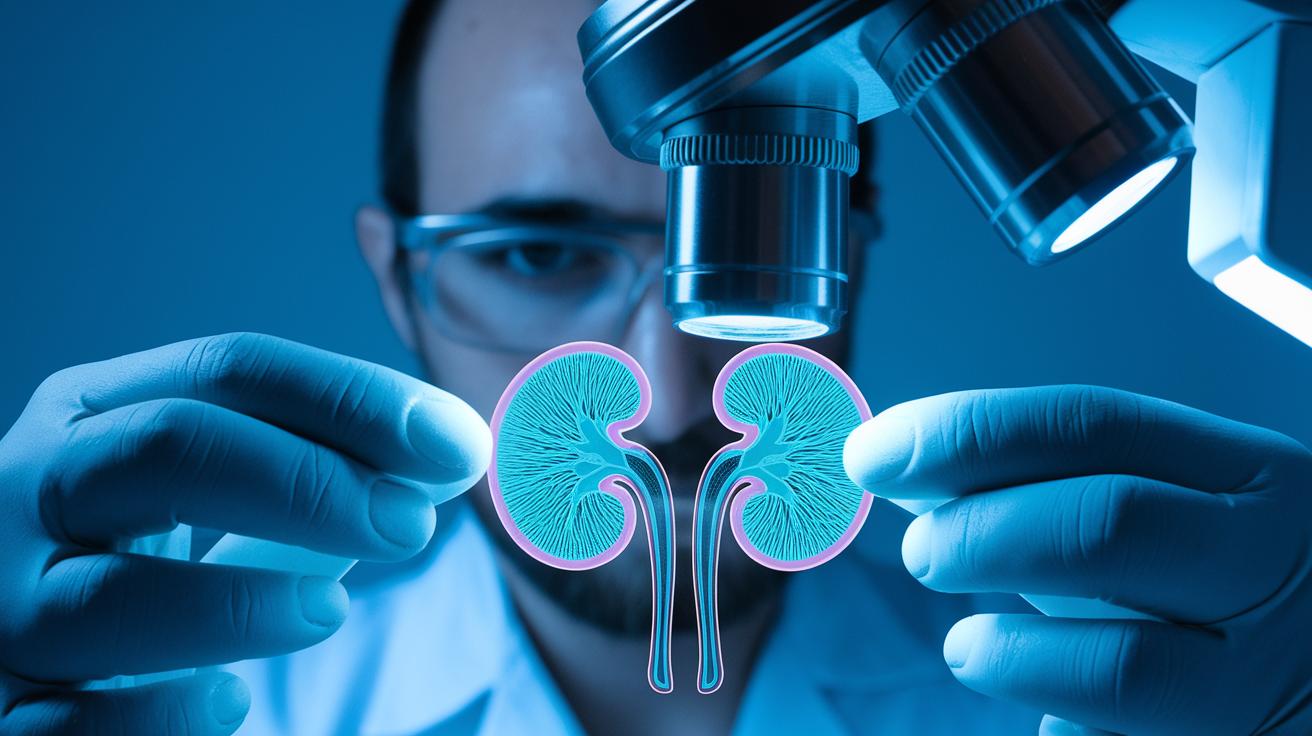
Scientists are taking fresh steps in treating chronic kidney disease by aiming to fix the kidney tissue itself instead of only easing the symptoms. They’re exploring exciting new methods, such as using mesenchymal stem cells (MSC, which are special cells that can change into kidney cells and help reduce swelling) and growing mini-kidney models, sometimes called kidney organoids. Early tests in small groups of patients and in lab experiments are showing improvements in kidney function and less scarring in the kidney tissue. One current approach even uses 300 million MSCs taken from umbilical cords for about $27,500 US dollars, hinting at a future where we might be able to naturally restore kidney health. Meanwhile, researchers are also working on growing tiny kidney parts from cells found in urine to set up personalized mini-kidney graft studies.
How MSC Therapy Works in CKD
MSC therapy takes a unique approach by letting these cells become renal epithelial cells, which are vital for filtering and absorbing water and nutrients in the kidney. Apart from filling in as new kidney cells, these MSCs also send out signals that calm down harmful inflammation (the body’s way of reacting to injury). It’s a bit like sending in a repair crew that not only fixes broken parts but also tidies up the mess left behind.
Early Results from Stem Cell Treatments in CKD
In early Phase I/II trials, patients showed better kidney function, like improved levels in tests that check how well the kidney is working (eGFR, a measure of kidney filtering ability). They also had fewer signs of tissue scarring. While these early tests are promising and most patients handled the treatment well, more extensive trials are needed to figure out the best dosages and to see long-term benefits. There are still challenges ahead, including clear guidelines from regulators and figuring out how to make this treatment available to more people. Next, bigger studies will help confirm these initial findings while ensuring the treatment remains safe and effective.
Bioartificial Kidney Devices and Xenotransplantation Breakthroughs in Chronic Kidney Disease
Recent studies are helping us understand these amazing advances. Scientists have discovered that silicone nanopore membranes work like the tiny filters in our kidneys, cleaning fluid and waste. They also found that living kidney cells share signals that help keep the device working well for longer. At the same time, researchers are looking into how to handle the body’s natural defenses in xenotransplantation (transferring organs from one species to another) to stop organ rejection.
| Technology/Center | Key Findings |
|---|---|
| UCSF Implantable Bioreactor (Pigs) | 30 days of filtration; acted like kidney filters; FDA trials coming soon |
| UAB Pig Kidney Transplant (Living Human) | 7 days of urine output; no rapid rejection |
| NYU Langone Pig Kidney (Brain-Dead Patient) | 2 months of steady function; the longest duration so far |
By digging deeper into how these devices work and the body’s reaction to them, we get a clearer picture of how these innovations could change treatment for chronic kidney disease and help lessen the need for regular dialysis.
AI-Driven Diagnostic and Predictive Breakthroughs for Chronic Kidney Disease Management
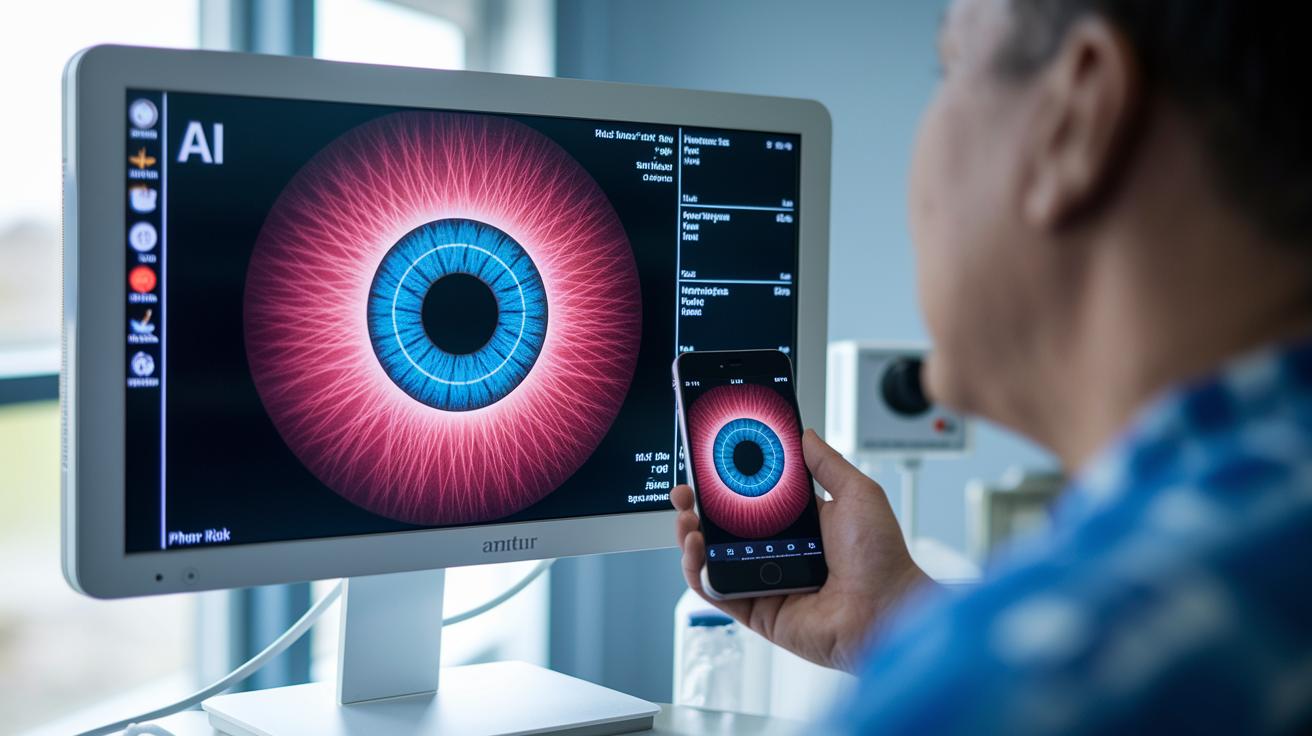
Artificial intelligence is changing how we look after our kidneys. Instead of waiting until symptoms show up, doctors can now notice early signs of trouble. Smart tools review lab tests and scans to catch tiny changes that older tests might miss. One blogger even said, "The clear detail in a retinal scan shows hidden kidney risks almost instantly." This early detection lets doctors begin treatment before the damage gets worse.
A tool called Reti-CKD uses a simple eye scan along with computer programs to check tiny blood vessels for early signs of kidney issues. It has outperformed traditional tests like eGFR (a measure of how well the kidneys filter) or tracking protein in the urine. With this method, healthcare teams can spot risks earlier and act fast to keep patients on track.
Another breakthrough is the Klinrisk calculator, which examines 20 common lab values such as creatinine, albumin levels in urine, and blood pressure. It can predict when a patient’s kidney function might suddenly drop. Early results show that its assessments match what doctors observe, making it a dependable tool in everyday care. This blend of various medical data into quick and accurate decisions truly shows how AI is reinventing the management of chronic kidney disease.
Lifestyle and Upstream Intervention Breakthroughs Complementing Chronic Kidney Disease Treatments
Doctors and researchers are finding that simple lifestyle changes can boost traditional kidney treatments. Adding exercise during hemodialysis and taking early care steps can make a big difference in supporting kidney health. This approach works together with standard medical care without rehashing past study details.
Exercise During Hemodialysis for Enhanced Patient Outcomes
Patients on hemodialysis now have the chance to join special exercise programs that mix endurance activities (like walking) with resistance exercises (strength training). These tailored routines help boost muscle strength and make daily activities easier. Many patients even report fewer hospital trips afterward. One patient shared, "After joining the exercise program, I could walk longer distances and felt more energetic during treatments." Stories like these add a warm, human touch to the data we’ve already seen.
Early Intervention and Upstream Care in CKD Management
New screening programs now use simple checklists to spot people at risk for quicker kidney decline. These tools consider everyday indicators like blood pressure and lab results. We’ve discussed the cost savings from catching problems early in our overview. Here, the focus is on how early care and lifestyle changes blend to support better kidney health overall.
Together, lifestyle steps and modern medical advances create a strong, unified approach to taking care of our kidneys.
Emerging Clinical Trials and Future Therapeutic Strategies for Chronic Kidney Disease Management
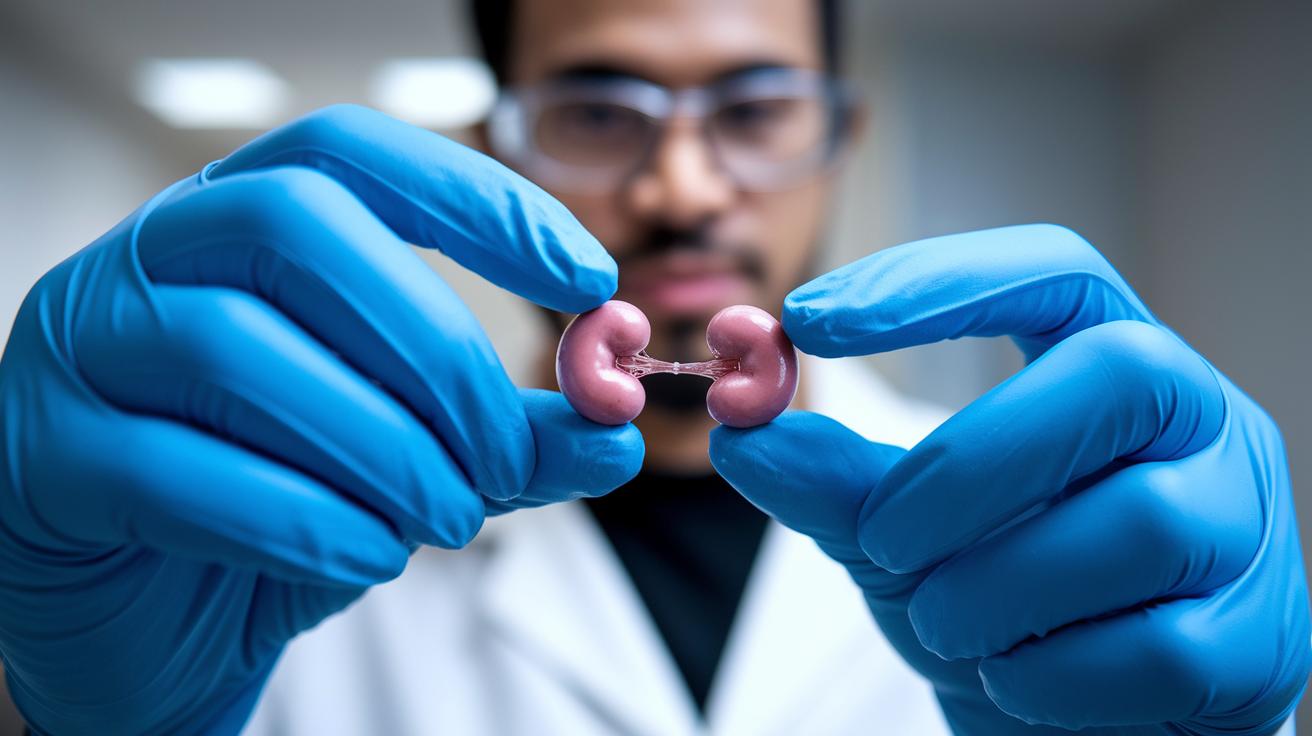
Right now, clinical trials are opening up new doors in how we treat chronic kidney disease. Researchers in Phase II studies are testing ways to change the doses of mesenchymal stem cells (MSC, or special repair cells) to boost healing and are checking if mini-kidney organoid grafts are safe. They’re even exploring xenotransplants (using organs from carefully modified animals) to see if these can help human kidneys work better. The goal is not just to ease symptoms but to fix the real problems causing kidney damage using next-generation regenerative techniques.
Regulators are keeping pace with these innovations too. The FDA is offering faster review paths so that regenerative and xenotransplant therapies get tested quickly but safely. Updated safety checks and consent rules are in place to protect patients while these new methods are tried out. This means that all the exciting new treatments are being held to clear, strict standards.
Scientists around the world are teaming up, too. Multi-center networks are reaching out to diverse groups of patients to see if these treatments work well for everyone. These international partnerships make it easier to share data and best practices, helping promising research move faster into real treatments for people living with chronic kidney disease.
Global Collaboration and Policy Shifts Driving Breakthrough Treatments for Chronic Kidney Disease
Policy makers and research leaders are coming together on big, new projects that go far beyond just managing symptoms. One standout example is the NIH’s Kidney Precision Medicine Project. This initiative unites experts from around the globe to share data quickly and create drugs that hit kidney damage right at its source.
The AHA has also updated its guidelines by recommending integrated care models that treat heart, kidney, and metabolic issues all at once. These combined efforts are carving out clear paths through policy updates in leading health systems, ensuring that the latest kidney treatments get the support they need to reach real-world clinics.
On top of that, changes in insurance rules and payment models are making these breakthrough treatments even more accessible. Recent white paper recommendations urge insurance companies to align benefits with early intervention methods. This is smart because early treatments help cut down on long hospital stays and lessen the need for dialysis (a process where a machine cleans your blood).
All of these policy shifts and funding strategies work together to back innovative therapies and widen access to advanced care for patients all over the world. It’s a promising step toward a more sustainable healthcare system when it comes to managing chronic kidney disease.
Final Words
In the action, we see the science transforming kidney care with fresh approaches from regenerative medicine to bioartificial devices and AI diagnostics. The article illustrated how research is shifting from mere symptom control to real repair and restoration in treating kidney disease.
Each breakthrough treatment for chronic kidney disease management offers a stepping stone for deeper exploration into more accessible, effective care. Stay curious as science continues to shape a hopeful future for patients everywhere.
FAQ
What is the new kidney disease treatment expected in 2025?
The new kidney disease treatment 2025 focuses on repair and restoration. It integrates regenerative techniques and advanced transplant systems to significantly boost kidney function and improve outcomes for CKD patients.
How does the future of kidney disease treatment offer a miracle cure for patients?
The concept of a miracle cure for CKD reflects breakthroughs in regenerative methods and innovative therapies that restore kidney function. These advances are showing early promise in reducing kidney damage and enhancing patient health.
How is the future of kidney disease treatment set to change patient outcomes?
The future of kidney disease treatment is shaping better outcomes by adopting targeted regenerative methods and proactive care strategies. These approaches aim to improve kidney function and lessen the need for dialysis in patients.
How can I improve my GFR levels naturally?
Improving GFR levels involves steps like following a kidney-friendly diet, regular exercise, and staying hydrated. These actions support kidney repair processes and overall health, helping maintain stable kidney function.
Can chronic kidney disease improve over time?
Chronic kidney disease may improve with early intervention, lifestyle modifications such as exercise and diet, and new treatment strategies. Early changes can help stabilize kidney function and reduce complications.