
Have you ever wondered what it takes to fly a spaceship? At NASA, engineers design and test space vehicles that can handle really tough conditions. They use advanced computer models (fancy digital blueprints) to plan safe routes and work with experts from around the world to build the best parts.
Their work is a mix of creative science, practical skills, and genuine teamwork. It opens up bright new opportunities for tomorrow and inspires the next generation of space explorers. Read on to see how they are charting new paths in space exploration and sparking curiosity in future innovators.
Overview of NASA Aerospace Engineering
NASA aerospace engineers are the folks who design, build, and test the spacecraft and engines that travel into space. They work hard to make sure these vehicles can handle the intense heat when re-entering Earth's atmosphere and the freezing cold of deep space.
They rely on computer models (orbital mechanics simulations) that predict how objects move in space. This helps them chart safe flight paths and keep missions on track. Materials research is also a big deal; engineers test and create high-temperature parts that work reliably throughout each mission.
A great example is the Commercial Crew Program, which makes it possible for astronauts to travel safely using spacecraft like SpaceX’s Dragon. Before any launch, engineers run countless tests to ensure every bolt and wire performs perfectly under space’s extreme conditions. Meanwhile, the Artemis Program is working to send humans back to the Moon and set up habitats for long stays.
NASA’s approach in spacecraft design is all about choosing the right tools and materials for top performance and safety. Engineers often team up with international partners to share ideas on how to make spaceships tougher and safer for space travel.
| Program | Focus |
|---|---|
| Commercial Crew Program | Safe launch of astronauts using spacecraft like Dragon |
| Artemis Program | Returning humans to the Moon for sustainable exploration |
Engineers also test materials over and over to make sure every component can handle launch stresses and harsh space environments. This mix of creative design, careful testing, and teamwork makes NASA’s work in aerospace engineering both inspiring and full of exciting possibilities for future exploration.
Education and Career Pathways in NASA Aerospace Engineering
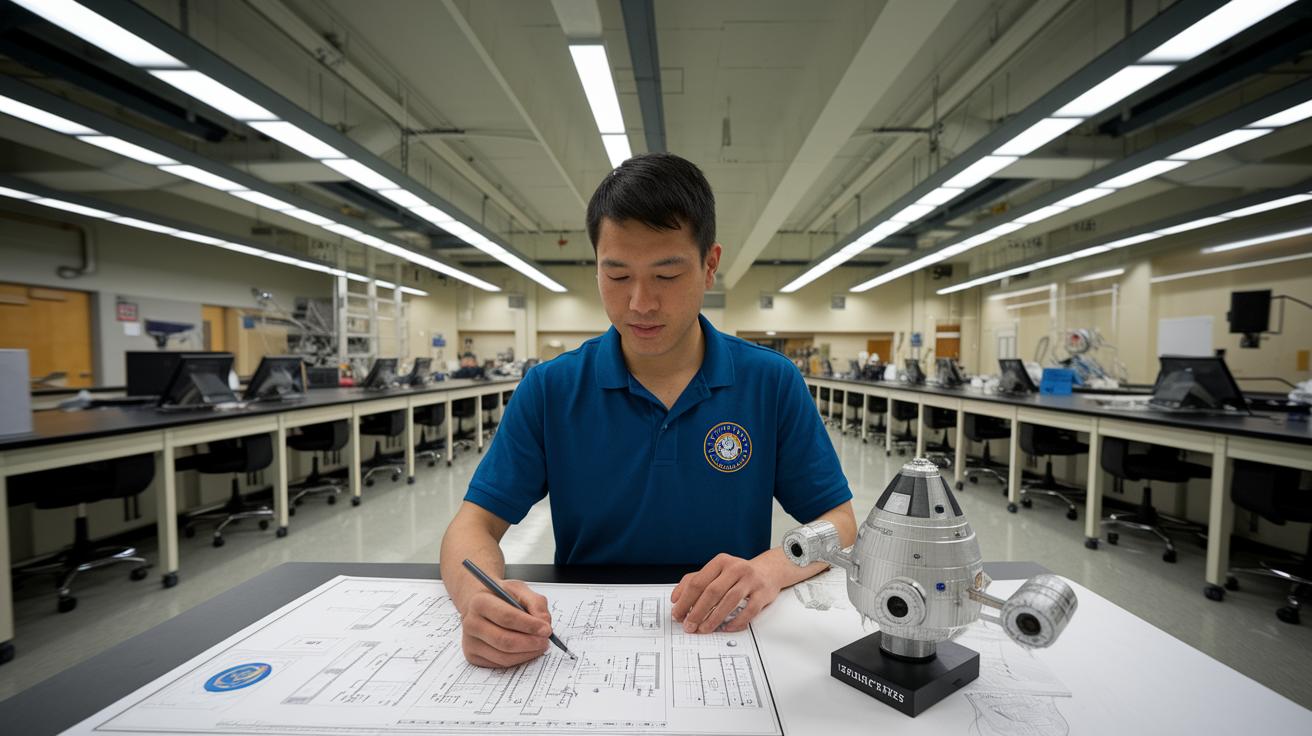
If you’re dreaming of designing space vehicles, you typically start with a bachelor’s degree in aerospace engineering or a similar field. In these courses, you’ll learn about the basics of how air moves around objects (aerodynamics), what makes spacecraft move (propulsion systems), and even the creative side of building aircraft. For a friendly introduction, check out this resource: What is aerospace engineering. Classes often include hands-on projects that make learning exciting and give you a solid start for a future in space technology.
Alongside academic classes, many students dive into extra training via internships or cooperative education programs. Universities blend courses in science, math, and even computer modeling to help you understand how simulating flights works in real life. These simulations show you how designs might hold up under pressure. Plus, if you’re thinking of going deeper, look into an Aerospace engineering degree that can open more doors in this field.
NASA and other space agencies offer plenty of entry-level jobs in areas like drone technology, satellites, sustainable aviation, space tourism, and even private space stations. These fields create exciting roles in research labs, test centers, and government agencies. If you’re ready to jump in, consider the professional certifications you can earn through technical workshops and internships set up for federal jobs. Starting out, you might work as a junior engineer or technician, and as you gain experience and earn more certifications, you’ll take on more responsibilities and help shape the future of space research.
Key NASA Aerospace Engineering Projects and Research Initiatives
NASA's aerospace engineers are behind some really exciting space projects. They work hard on programs like the Commercial Crew Program and the Artemis lunar missions. These efforts have allowed us to send people into space and have set high standards for how NASA designs its spacecraft. Every part is tested thoroughly to make sure it can handle everything from intense heat during re-entry to the freezing cold of outer space.
Teamwork from around the world also plays a big role in NASA's success. Engineers from many different countries work together on the International Space Station, where robots make a huge difference. Have you ever seen Canadarm2? This clever robot helps astronauts do tough jobs, showing how technology can boost what we can achieve together.
NASA is also leading the way in satellite work. Projects like the GOES-R weather satellite put NASA right at the edge of new tech. These satellites keep an eye on Earth's weather and help us understand climate change and natural disasters a bit better. With new satellite designs on the horizon, NASA is always pushing the limits of space technology.
Working with international research partners makes NASA even stronger. By teaming up with experts from other agencies, NASA sparks new ideas, whether it’s for creating robotic explorers or developing better materials for spacecraft. No matter the mission, engineers blend different systems together in a smooth, efficient way.
A recent study showed that these collaborations lead to better subsystems and help cut costs, too. Engineers share their know-how and resources in a setting that values both tradition and fresh ideas. Their hard work makes today's space missions safe and paves the way for future generations to explore the cosmos.
Technological Innovations in NASA Aerospace Engineering

NASA engineers are transforming space travel by challenging conventional engineering methods. They use advanced composite materials (special lightweight but strong chemicals) to create structures that are light enough to save fuel while staying strong under stress. Imagine a spacecraft frame that is as light as a top-tier bicycle frame built for speed and endurance yet stays tough under intense heat. This breakthrough not only saves fuel but also makes crew capsules safer.
Thermal protection modeling is a key part of keeping spacecraft safe during re-entry. Engineers run many computer simulations using computational fluid dynamics (a tool that uses computers to mimic the flow of air) to perfect each design. It’s a bit like designing a car that can handle every bump in the road, even when those bumps are extreme heat and pressure.
Engine performance optimization is another big area of innovation. NASA tests new propulsion ideas (engines that make rockets move) in a virtual world to see how they behave. They keep fine-tuning each component until they hit just the right mix of power and efficiency. One engineer explained, “We modeled our propulsion system many times until it performed perfectly, cutting mission costs while handling heavier loads.”
Innovative propulsion research is also paving the way for better reusable rocket technology. By boosting engine performance, NASA helps reduce the costs of each mission. These advances point to a future where space travel becomes routine, safer, and easier for long-term exploration.
In the end, thermal protection modeling, computer simulations, and materials innovation all work together in a creative, rigorous process. This blend of ideas and testing not only shields crew capsules from space’s harsh conditions but also leads to major improvements in engine performance and overall spacecraft design.
NASA Aerospace Engineering Tools and Methodologies
NASA engineers use many different methods and tools to design and test aircraft and spacecraft. They work in wind tunnels paired with computational fluid dynamics (CFD, which is a computer simulation of air flow) to see how air moves over surfaces. Imagine testing a wing model in a wind tunnel and watching gentle ripples of air in real time. CFD lets them check air movements on a computer long before any physical models are made.
They also run strength tests using something called finite-element analysis (a method that breaks parts into small pieces to check for strength). This helps engineers spot areas where a structure might bend or fail under pressure. In labs where different systems come together, experts combine parts like avionics (the electronic systems in aircraft) and propulsion to make sure everything works well as a whole. For example, a simulation might show how sensors and control systems talk with each other during a tricky maneuver.
Flight test engineers go even further by doing drop tests and suborbital trials, which let them see how parts perform in real-life situations. They use NASA’s own simulation tools, like the OpenMDAO platform (a tool that lets them test various design ideas), to run several design scenarios and find the best one.
Virtual reality is another cool tool. It lets designers walk around a digital version of an aircraft and explore its features in three dimensions. This immersive approach gives engineers a hands-on feel for their projects. Lastly, big data is very important in aerospace. By processing huge amounts of mission data, engineers can learn from past experiments and keep improving every new design.
Career Opportunities and Internship Programs in NASA Aerospace Engineering
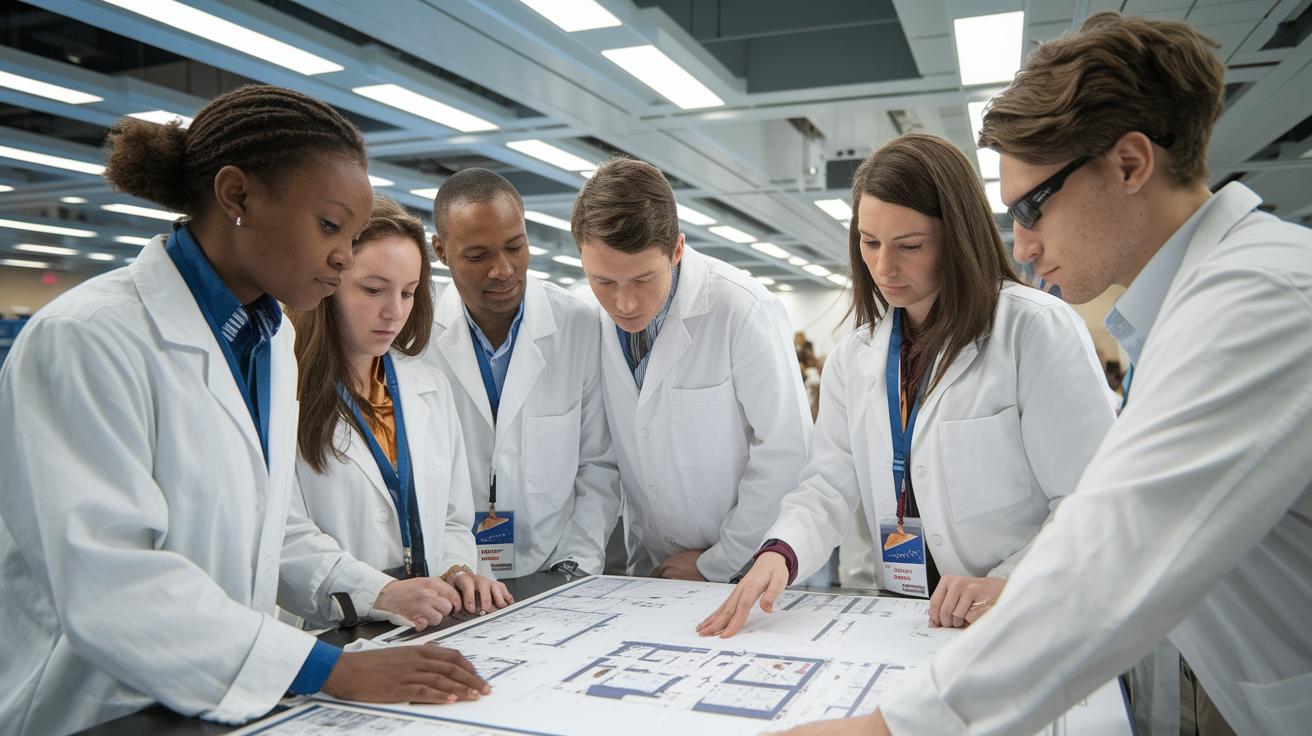
At NASA, your career journey can take several exciting paths where you learn by doing. The NASA Pathways Internship Program isn’t just about typical classroom projects. Instead, it gives college students a chance to work side by side with experienced engineers, taking part in real projects and leadership training. One intern once said that their ideas quickly turned into real contributions, and they picked up teamwork and leadership skills that they never learned in class.
NASA further supports emerging engineers through post-baccalaureate fellowships and a postdoctoral program, which provide focused training and one-on-one mentoring at centers across the country. These programs also share valuable insights into how the federal recruitment process works, offering clear sessions on application timelines and steps.
On top of that, NASA offers practical workshops and seminars where you tackle real-life challenges that sharpen both your technical and communication skills. Regular networking sessions mean you get to meet industry leaders and peers alike, building a support network that goes beyond what most schools offer.
Key points include:
- NASA’s Pathways Internship with hands-on leadership training
- Post-baccalaureate and postdoctoral programs for advanced learning
- Practical workshops and seminars that boost technical and soft skills
- Clear advice on federal job timelines and recruitment processes
Example: Imagine starting your career with a surprising twist, “Before landing a role as a leading aerospace engineer, I interned at NASA and discovered a world where leadership and technical skills merged seamlessly.”
Future Trends and Challenges in NASA Aerospace Engineering
New ideas in space are changing how NASA explores and keeps missions safe. One big change is using AI to help spacecraft run on their own. That means computers can steer and adjust flights without a person always at the controls. Imagine a spaceship that can change its course if space conditions suddenly shift, sort of like a smart robot pilot steering through a tricky asteroid field.
NASA is also focusing on greener ways to launch rockets. They’re testing launch systems that use green propellants (cleaner fuels) to cut down on harmful emissions. This smart approach not only help our planet but could also lower mission costs in the long run.
Another cool development is digital twin technology. Engineers create virtual models of spacecraft, even like having a digital clone going through test drives, to see how they’d react to different scenarios. By spotting problems early on, they can fix designs before the actual launch.
Plus, as more countries start exploring space, NASA is working hard to keep up with changing international safety rules. Sticking to strict standards helps make missions safer by reducing risks like space debris and other hazards.
Each of these trends brings up new challenges and questions. They invite us to push the boundaries of our knowledge and work toward safer, cleaner space travel.
Final Words
In the action, our post took you through the fascinating world of nasa aerospace engineering, highlighting how engineers design spacecraft, test propulsion systems and tackle extreme space conditions.
We explored career paths, degree opportunities and internship programs that help shape future innovators.
The article captured how advanced materials, simulation tools and international teamwork drive progress in space exploration.
Every step reminds us that science is a continuous conversation, one that sparks curiosity and opens new doors for learning and discovery.