
Have you ever wondered how quick decisions help space missions dodge hidden dangers? At NASA Mission Control, a team of experts works together to guide each mission. They’ve been at it since the Mercury era (the early days of US space exploration). Picture it like a band where every instrument plays a part, and teamwork makes the magic happen. This control center has reshaped our journey into space, sparking breakthroughs that keep our dreams of the stars alive. Every action in that room shows us just how important clear, fast thinking is when charting a course to success in space.
nasa mission control center: Inspiring Space Triumph
NASA Mission Control Center has been the lively hub of space operations since its early days with the Mercury missions led by Christopher Kraft between 1959 and 1961. Imagine a busy room where every second counts, each decision helped shape the famous space race we all read about.
Over the years, the center moved from Cape Canaveral to Houston in 1965, adapting to the ever-changing demands of space travel. Today, nearly 60 flight controllers, split into three teams of about 20, work in the Mission Operations Control Room (MOCR). Here, 19 specialists keep a close watch on every move a spacecraft makes. They’re supported by hundreds of engineers and science experts, along with a worldwide network of tracking stations that make sure vital information gets to them no matter where a spacecraft is.
At the heart of every mission is the Flight Director. This leader makes quick, crucial decisions to keep both the crew safe and the mission on track. Ever wonder how a sudden change is handled in space? The Flight Director is there to guide teams and adjust plans immediately during unexpected events. It’s like watching a skilled conductor lead an orchestra, where every beat must be perfectly timed. Their clear guidance and teamwork continue to spark inspiration in space exploration.
Historical Evolution of the NASA Mission Control Center
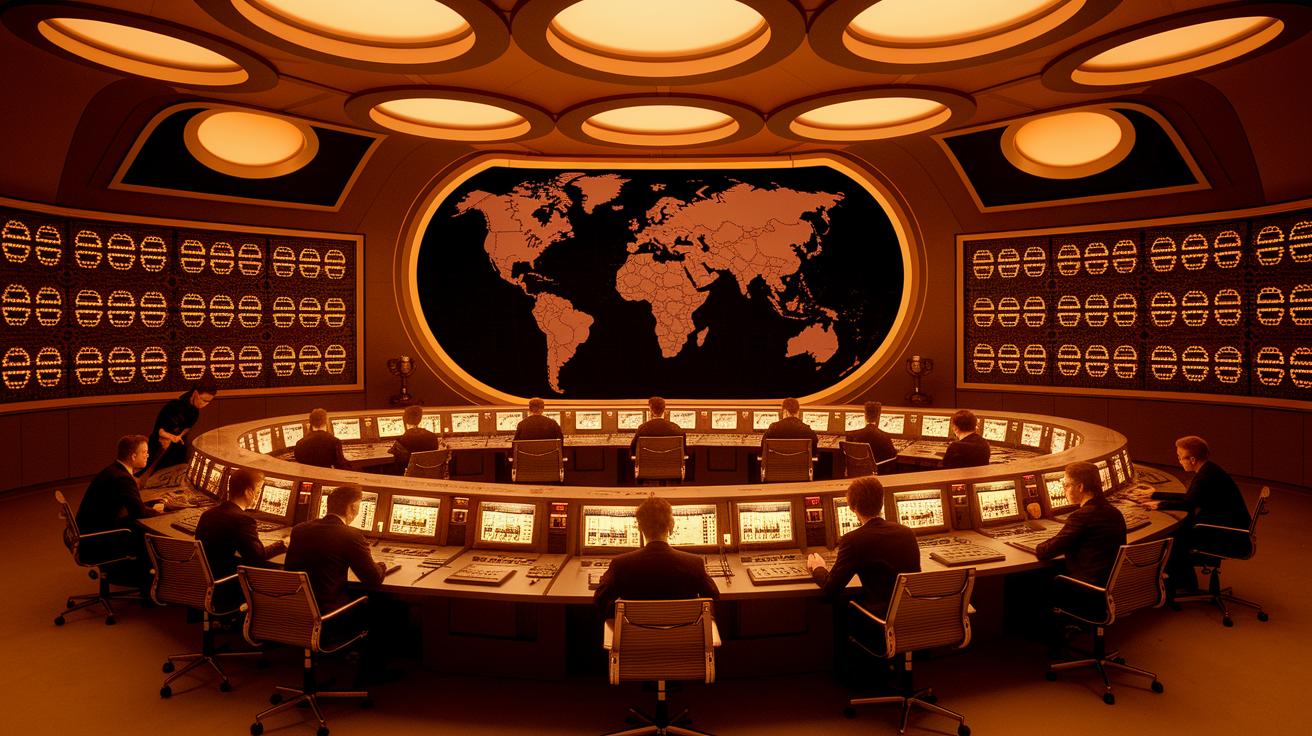
Before Houston became the hub of space missions, early flight-control work during the Mercury and Gemini programs laid the groundwork for the advanced operation we know today. Back then, small control rooms depended on a worldwide network of tracking stations. Imagine a team working together from far-off points to keep astronauts safe, it took a lot of creativity and precision.
Mercury and Gemini Era
During the Mercury and Gemini missions, mission control started to take on a new shape. Engineers, including pioneers like Christopher Kraft, set up ways for ground controllers to make quick decisions while keeping a steady eye on the situation. Picture a busy room where every beep from a simple radio was a lifeline. Every sound meant that someone was keeping history safe and sound.
Apollo Era and Beyond
Things shifted dramatically in 1965 when operations moved to Houston’s Johnson Space Center. This move marked a major boost in how missions were controlled. The introduction of the Apollo Mission Simulator, a huge system that let engineers practice every step of a lunar mission, changed the game. This simulator acted like a rehearsal space for emergencies and fine-tuning plans, proving its worth during nerve-wracking missions like Apollo 13. With a global tracking network in play, the center could monitor every move in real time, ensuring that every call they made was supported by a wealth of coordinated data.
Key Personnel and Team Roles in NASA Mission Control Center
NASA Mission Control Center runs on a three-shift schedule, with each shift staffed by about 20 flight controllers and supported by hundreds of engineers and science experts. This way, every detail gets the attention it needs during each phase of a mission.
Inside the Mission Operations Control Room, you'll find 19 controllers working under one Flight Director. They each have a specific role to play. For example, one controller, called CAPCOM, talks directly with the crew. There's also GUIDO, who keeps an eye on the spacecraft's navigation systems. RETRO handles the retrofire procedures, EECOM watches the electrical and life-support systems, and FIDO tracks the flight dynamics, or how the spacecraft moves. With the Flight Director leading, the team stays connected and coordinated, even during shift changes.
Technological Innovations and Simulation Capabilities at NASA Mission Control Center
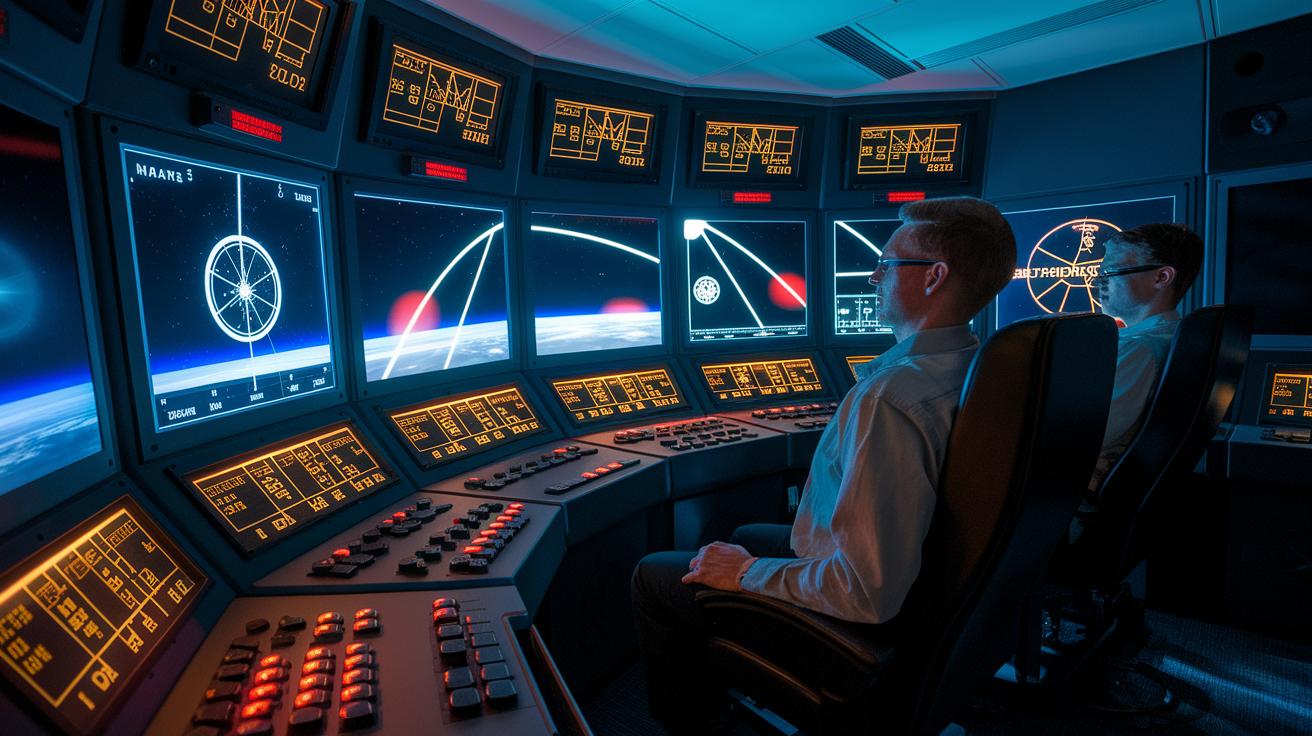
NASA built one of the biggest simulation systems ever to fine-tune every flight phase. They created a cockpit that felt almost real, with every gauge and light working in harmony. Fun fact: before he became a groundbreaking engineer, Robert Gilruth spent long hours perfecting this simulation, which ended up saving countless missions.
These simulation drills prepared staff for unexpected events. Lessons from past challenges like the Apollo 13 mission were a big part of the training. By practicing emergency scenarios over and over again in a controlled setting, both crew members and ground teams got really good at reacting quickly.
Mission Control was linked to tracking stations all around the world through advanced communication networks. Using real-time telemetry (data signals sent instantly) and clear voice links, the system made sure that important instructions and data flowed smoothly. This strong connection kept every part of the mission working together during critical moments.
NASA Mission Control Center: Inspiring Space Triumph
Since the early days of manned space flights, Mission Control has pushed the limits of science and quick thinking. It started with tracking simple orbital flights during the Mercury Program and grew into managing tricky situations like the one on Apollo 13. Both Apollo 11 and Apollo 13 brought firsts that changed how we handle space missions, using digital telemetry (a way to send and receive data from space) and rapid decision-making to keep everything on track.
Today, upgraded communication tools let controllers work with many layers of data all at once, a huge step up from the old analog days. One controller even said that every signal felt like the mission's heartbeat when the pressure was on.
| Mission | Date | Significance |
|---|---|---|
| Mercury Program | 1959–1961 | First US manned orbital flights |
| Apollo 11 | July 20, 1969 | First Moon landing |
| Apollo 13 | April 11, 1970 | Crisis management and safe return |
Visitor Experience and Tours at NASA Mission Control Center
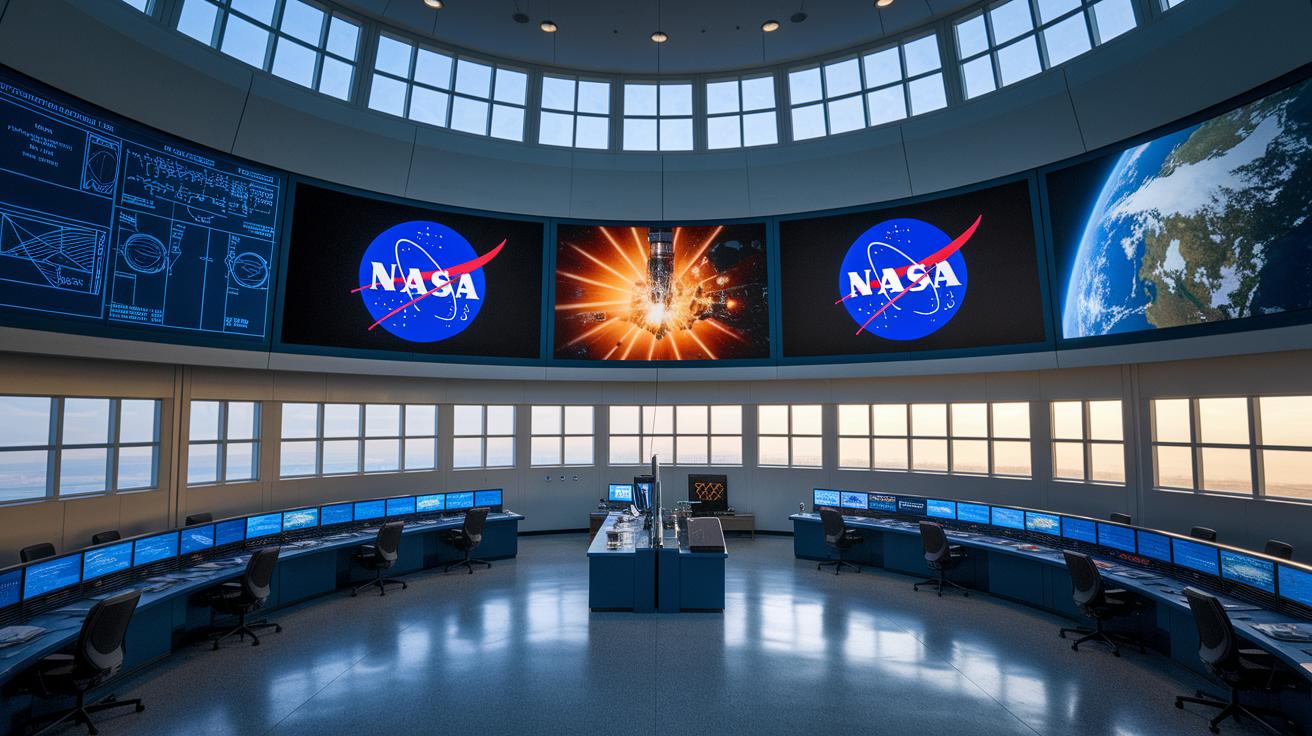
Visiting NASA Mission Control Center is like stepping into a living space history lesson. You can choose to join a guided tour or wander through on your own, discovering the very room where critical mission decisions are made. When you visit the Washington, DC location, you get a free timed-entry pass, and if you’re headed to Chantilly, VA, you need to reserve your spot ahead of time. Once you enter the exhibit, the excitement of space history fills the air as you explore interactive displays, genuine artifacts, and detailed models that showcase the teamwork and innovation behind every mission.
If you can’t visit in person, don’t worry. NASA offers a host of online programs that capture the magic of the control center. You can take virtual tours, watch engaging video briefings, and explore educational modules that mirror the live experience. Community support is key here, as local philanthropy helps maintain and grow these fascinating exhibits and programs. Whether you’re experiencing it firsthand or online, the center opens a clear window into the achievements that continue to inspire today’s and tomorrow’s space enthusiasts.
Visitor Experience and Virtual Tours for the NASA Mission Control Center
Visitors can step into history with on-site tours at NASA’s Mission Control Center. They wander through the very rooms where big space decisions were made, checking out real exhibits and hands-on displays that show off the cool tools and tech controllers once used.
Can’t make it in person? No worries. Virtual tour platforms let you explore every corner of the center from home. Imagine using immersive VR mission simulations (virtual reality experiences that mimic real-life space operations) to feel the buzz of coordinating a mission right from your living room.
Plus, online events give you live video briefings, curated digital exhibits, and expert talks about today’s space operations. These sessions keep you updated and connect you with the legacy and ongoing story of Mission Control.
Final Words
In the action at the nasa mission control center, we see a hub that plays a key role in space flight coordination. The blog outlined the center’s evolution from early Mercury challenges to the Apollo trials and explained its shift-based system and expert team roles. The post also highlighted modern simulation tools and interactive visitor programs that bring space science to life. Each section reminds us how human determination and science connect our everyday experiences with the wonders of space exploration. Keep the curiosity burning as you follow these exciting strides.
FAQ
Q: What do NASA Mission Control Center tickets involve?
A: The NASA Mission Control Center tickets involve access to special exhibitions and guided tours that offer visitors a behind-the-scenes look at this historic facility in Houston.
Q: Where is NASA Mission Control Center located and how can I visit it?
A: The center is based at the Johnson Space Center in Houston, Texas. Guided tours and special ticket events allow the public to experience parts of the iconic site.
Q: How can I use the NASA Mission Control Center map?
A: The map highlights key areas within the facility to help visitors understand and navigate the layout of the displays and control room exhibits.
Q: How do I find NASA Mission Control Center photos?
A: You can find photos capturing both historical moments and modern displays on NASA’s official website and various space-history archives available online.
Q: What are the names and positions at NASA Mission Control Center?
A: The control room team includes key roles like Flight Director, Capsule Communicator, and Guidance Officer. These roles work together to manage spacecraft operations and ensure mission safety.
Q: What was the NASA control room like in 1969?
A: The 1969 NASA control room was a busy hub of activity with 19 controllers coordinating mission details during landmark events like the Apollo 11 launch.
Q: What is the NASA Mission Control Center address?
A: The NASA Mission Control Center is located within the Johnson Space Center in Houston, Texas, a site known for its historical and educational significance.
Q: What does NASA Mission Control do?
A: NASA Mission Control monitors spacecraft operations in real time, coordinates communications, and makes critical decisions to support safe and successful space missions.
Q: Are the Kelly twins still involved with NASA?
A: The Kelly twins are no longer active in NASA’s operational roles. Their past contributions remain part of NASA’s legacy, though they now pursue other endeavors.