
Have you ever wondered if one simple blood test could give you important clues about your baby's health? Today, doctors can check tiny pieces of your baby's genetic code (the special instructions found in your cells) from a sample of the mother's blood.
This safe test helps spot possible genetic conditions early on, lowering risks compared to older methods. It gives families a chance to know more at an early stage, which can bring a lot of peace of mind and help with planning.
In this article, we'll take a friendly look at how these new tests are making prenatal care safer and even more reliable.
Overview of Breakthrough Diagnostic Innovations in Non-Invasive Prenatal Testing
Non-invasive prenatal testing, or NIPT, is a modern way to check on a baby's health by looking at tiny fragments of the baby's DNA in the mother's blood. This simple blood draw lets doctors learn about the baby's genes without needing any risky procedures. It’s a gentler, more comfortable method for moms-to-be to find out important details about their baby’s genetic makeup.
Since 2011, NIPT has quickly become a trusted tool in early pregnancy care. It can spot common chromosomal issues like trisomies 13, 18, and 21 as early as five weeks into the pregnancy. With accuracy rates over 99% and very few false alarms (only about 0.09% of cases), it provides both families and clinicians with rapid, reliable insights during those critical early days.
By replacing older, more invasive tests like amniocentesis and CVS, NIPT has transformed pregnancy care. It helps cut down the risk of miscarriage by more than 90% while giving expectant families the information they need to make better decisions. Pioneering work by Professor Dennis Lo Yuk-ming, whose research won him the Lasker-DeBakey Award, has played a huge role in setting this new standard for safe and accurate prenatal testing.
Advanced Genomic Sequencing in Non-Invasive Prenatal Testing
Modern sequencing techniques have really changed the way we do prenatal tests. Doctors can now look at entire genes and even the parts that make up our genes using a simple blood sample from the mom. This technique helps to find tiny missing pieces in genes, small changes in gene copies (small changes in the number of gene copies), and even disorders caused by a change in just one gene.
Labs today offer different kinds of tests. Some tests focus on a few key areas of the genome, while others cover the whole genome to catch more details. This broader approach helps identify not only common chromosome conditions, like extra or missing chromosomes, but also issues linked to sex chromosomes and those tiny changes in smaller parts of the DNA. Top fetal diagnosis centers have looked at over 250 exomes (the parts of the genome that code for proteins) and 20 whole genomes, figuring out rare conditions about 40% of the time.
| Method | Detectable Conditions | Sensitivity/Specificity | Turnaround Time |
|---|---|---|---|
| Targeted cfDNA panel | Common trisomies | High | Short |
| Genome-wide cfDNA | Sub-chromosomal anomalies | Very High | Medium |
| Exome sequencing | Monogenic disorders | Approx. 40% yield | Longer |
| Microdeletion panel | Microdeletions | High | Short |
This table shows how each method brings unique strengths to prenatal genetic screening. The targeted cfDNA panel zeroes in on common chromosome issues, while the genome-wide test gives a fuller picture by catching smaller or hidden changes. Exome sequencing might take a bit longer, but it can uncover rare, single-gene problems that might otherwise go unnoticed. The microdeletion panel offers a quick way to spot very small gaps in chromosomes.
All these advances mean that doctors can offer more detailed and personalized testing information to expectant families. It’s a big step toward helping parents make better-informed decisions about their care.
AI and Imaging Synergies Enhancing Non-Invasive Prenatal Testing Precision
Doctors now have amazing tools like 3D/4D ultrasound and fetal MRI that let them see a developing baby in great detail. You can see the little heart thumping, bones shaping up, and even check that the neural tube is forming correctly. It's like watching a tiny movie of life unfolding, giving a real sense of comfort when every movement is clear. In truth, these imaging upgrades offer a powerful peek into early development and help spot issues sooner.
Then, artificial intelligence joins the picture by analyzing massive amounts of data from both images and genetic tests. This clever tech quickly scans each picture and sequence, looking for even the smallest hints of a problem. Picture an AI catching a tiny odd shape in a bone and alerting a specialist to take a closer look. This smart approach not only improves how early issues are seen but also helps streamline work so that cases that need extra care get noticed right away.
Clinical Benefits and Risk Stratification in Non-Invasive Prenatal Testing
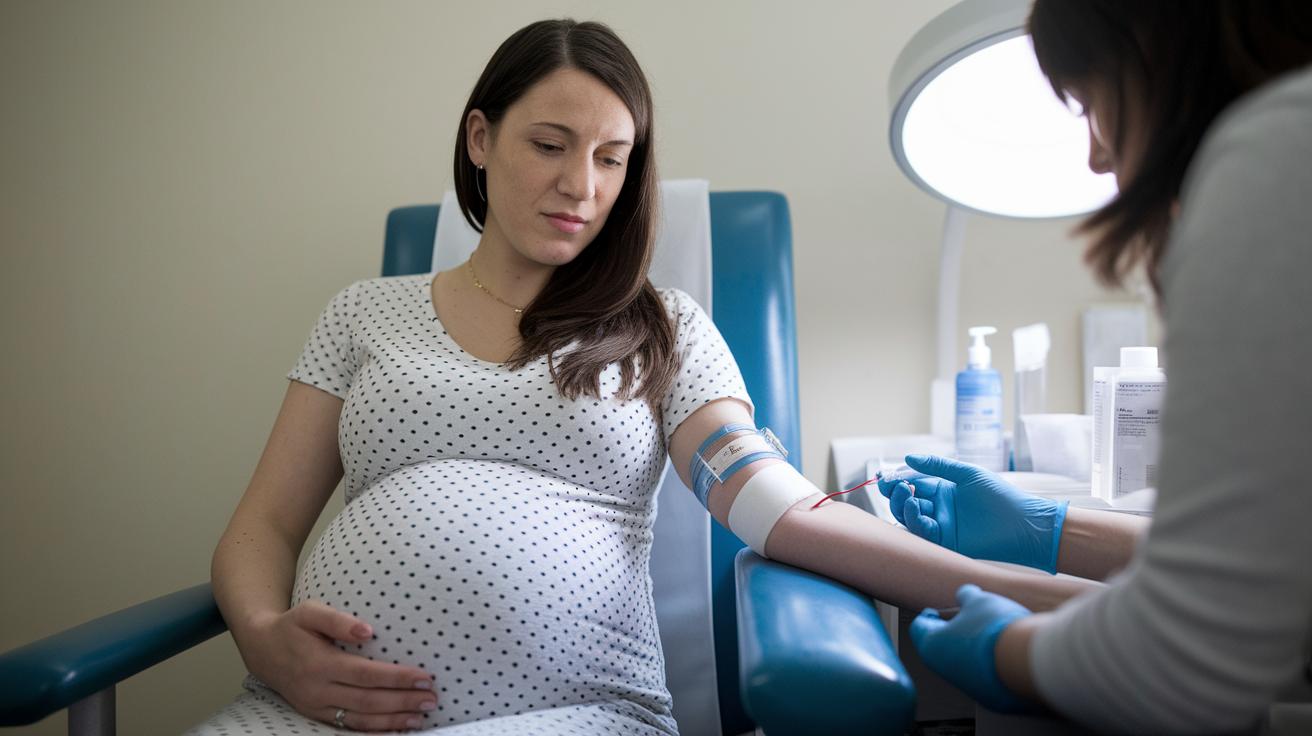
NIPT uses a simple blood draw instead of surgery, which makes it a lot safer than older methods. Instead of putting moms through invasive tests like amniocentesis, this test cuts down the risk of miscarriage from nearly 1% to almost none. It’s a gentler process that helps both the patient and the doctor, making sure that moms and their babies get a safer experience. Imagine getting clear and reliable results without any uncomfortable procedures.
Data from top centers show that this breakthrough test really works. It picks up common chromosomal issues with over 99% accuracy, and the chance of a false alarm is as low as 0.09%. This means doctors have a strong tool to decide on the best care for a pregnancy. Many complex cases now rely on these precise numbers, which gives moms extra peace of mind when they see a report backed by such impressive stats.
Thanks to NIPT, care during pregnancy becomes much more personalized. Doctors can tailor treatments and offer clear, easy-to-understand advice based on the test's results. This patient-focused approach helps families feel more secure about the choices they make during such an important time.
Ethical Frameworks and Genetic Counseling in Non-Invasive Prenatal Testing
Expanded genomic panels bring unique challenges that can sometimes feel overwhelming. Often, these tests show gene changes (that scientists still don’t fully understand) and leave families feeling a bit lost. Imagine getting a test result that looks like a secret code you just can't crack, leaving you to wonder what it means for your baby's health. This is why clear and compassionate communication is so important.
Today, genetic counselors are stepping up with modern ways to help. They use simple comparisons, like saying a confusing gene mutation is just a missing puzzle piece, to turn complicated information into something familiar. They also offer kind, clear explanations and psychological support so that expectant families better understand the risks and uncertainties involved.
And it doesn’t stop with individual cases. Clinics and regulators are also tackling larger issues like reducing false positives, ensuring fair insurance coverage, and making sure everyone has equal access to these tests. This hard work aims to ensure that all families, no matter their background, can truly benefit from these advanced testing methods.
Future Trends in Non-Invasive Prenatal Testing Technologies

Innovations in maternal monitoring are changing the way we look after pregnancies, making care more personalized and responsive. Pilot programs now use wearable devices that keep track of a baby’s heartbeat, movement, and even the mother's sleep patterns in real time. And thanks to telemedicine, non-invasive prenatal testing (NIPT) results can be paired with remote genetic consultations. Imagine a expectant mother in a distant area chatting with an expert via a virtual visit while her wearable device sends vital updates to her doctor.
Another exciting breakthrough is happening with liquid biopsy and biomarker discovery. Liquid biopsy (a simple blood test that finds small amounts of DNA) is being fine-tuned to pick up both genetic details and subtle changes in fetal DNA from a mother's blood. This not only widens the range of conditions that can be detected but also sharpens the accuracy, even for rare anomalies. New biomarkers (specific signals in the body) are emerging that catch the gentlest signs from the baby, giving doctors a more detailed diagnosis earlier on.
These new diagnostic methods are set to make maternity care even more personal. By combining data from wearable gadgets and advanced blood tests, healthcare providers can build a clearer, tailored profile for each pregnancy. This means families receive focused advice and feel more assured during prenatal check-ups. As these trends grow, they’ll help support better decisions and lift prenatal care to a new level of individualized attention.
Final Words
In the action, we explored key advances in prenatal testing, from cell-free DNA analysis to integrating next-generation sequencing, AI-driven imaging, and modern counseling methods. We also highlighted improved patient safety and emerging wearable and telehealth trends.
These non-invasive prenatal testing: breakthrough diagnostic innovations represent a refreshing shift in prenatal care, making science more approachable and safe. The future looks bright with exciting developments that continue to shape everyday health and inspiring progress for everyone involved.
FAQ
What are some examples of non invasive prenatal testing?
Non invasive prenatal testing examples show blood tests that analyze cell-free fetal DNA from a mother’s blood. These tests screen for chromosomal issues like trisomies 13, 18, and 21 with high accuracy.
How does non invasive prenatal testing present a low risk?
Non invasive prenatal testing low risk refers to a non-surgical blood draw method that significantly cuts the risk of miscarriage compared to traditional invasive methods, making it safer for both mother and fetus.
What is the non invasive prenatal testing procedure and method?
The non invasive prenatal testing procedure and method start with a simple maternal blood draw. The lab then analyzes cell-free fetal DNA to screen for chromosomal abnormalities, providing early and reliable insights.
How should one interpret non invasive prenatal testing results?
Non invasive prenatal testing results indicate whether the fetus may have common chromosomal conditions. The results are highly reliable with over 99% detection accuracy, offering clear guidance for further medical evaluation if needed.
When is non invasive prenatal testing done?
Non invasive prenatal testing when is it done typically occurs as early as 5 to 10 weeks into pregnancy. Early timing allows for prompt evaluation and informed decision making throughout the pregnancy.
What factors affect non invasive prenatal testing cost?
Non invasive prenatal testing cost varies by provider, location, and the specific type of screening offered. Generally, its affordability makes it a popular alternative to more invasive diagnostic procedures.
How does non invasive prenatal testing use DNA?
Non invasive prenatal testing DNA analysis involves examining cell-free fetal DNA present in the mother’s bloodstream. This method enables early detection of chromosomal anomalies without the need for procedures like amniocentesis.

