
Have you ever thought that the gadgets you use might change more than just your work? Think about your phone or computer – they're more than simple tools. They can shape how you think, feel, and interact with others every day. The idea here is that even big, complex notions about technology can be broken down into smaller, easier-to-understand parts. These digital devices can shift our views and change our social habits. In this chat, we'll look at how the everyday gadgets around us spark fresh ideas about our society and invite us to rethink the world we see.
Foundational Concepts in the Philosophy of Technology
The philosophy of technology looks at the good and not-so-good sides of modern inventions. It breaks big, complex ideas into simple parts so we can see how everyday tools like smartphones and computers change our lives. Think of it as a guide to decoding digital artifacts (objects or systems created by technology) and figuring out ways of knowing in our digital world (methods for understanding information in a digital context). For example, imagine a device that not only processes facts but also sparks human creativity in ways you’d normally think belonged in science fiction.
This field brings together abstract ideas and real-life effects. It asks how technology changes the way we see our world and make choices. It also digs into how significant scientific breakthroughs can reshape society, reminding us that every new tool shifts the way we interact with one another. It’s a bit like putting together a puzzle where every new piece makes you think, “How does this change the whole picture?”
In the end, the philosophy of technology invites us to look closely at our gadgets and wonder about their impact on our lives. It nudges us to question, analyze, and really appreciate the link between new innovations and our everyday experiences.
Historical Evolution in the Philosophy of Technology
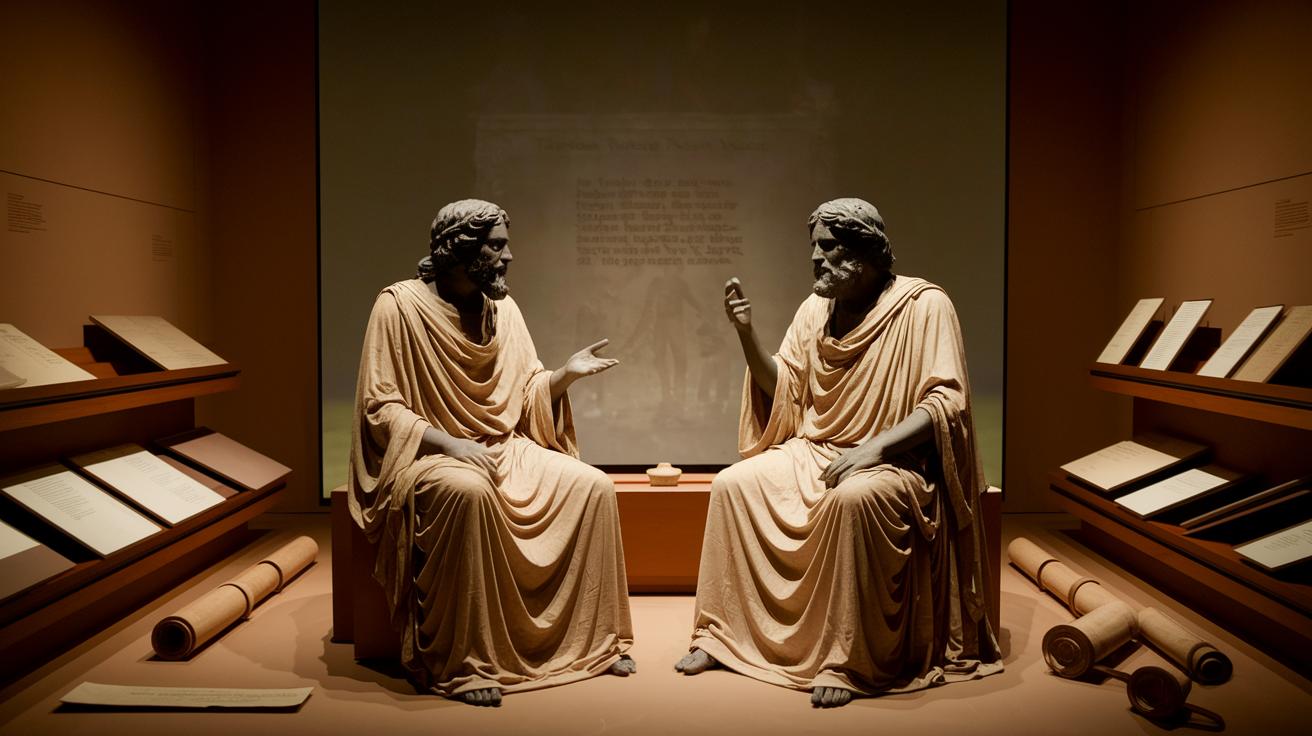
The story of deep thinking about technology goes all the way back to Ancient Greece. Greek thinkers like Socrates, Plato, and Aristotle asked big questions about life and tools. Socrates wondered if chasing material success really fed the human spirit, while Plato cautioned us about leaning too much on tools like writing, which might change how we think. Aristotle believed that practical innovations should always walk hand in hand with careful thought.
Later on, during the Enlightenment, ideas about nature and science took a turn toward a more mechanical view. People began to see the world in scientific ways, and suddenly technology wasn’t just a tool but also a big driver of social change. By the early 1900s, debates got even more interesting. Some argued that technology itself shapes our society, while others felt that our cultural values help decide which innovations stick. Isn't it fascinating how these ideas shifted over time?
Ancient debates over technology reveal ideas that echo in our digital era. These early discussions laid the groundwork for our modern tech mindset and challenge us to think about how today's innovations shape our lives. It makes you wonder how ancient wisdom still sparks important questions about technology and society today.
Technological Determinism Debates in the Philosophy of Technology
At its heart, technological determinism is the idea that our tools and systems shape the world we live in. Think of it like a domino effect where each new invention sends ripples through our culture, economy, and the way we behave daily. It’s a bit like how the first communication networks changed entire industries and the everyday lives of people.
Some really famous thinkers like Karl Marx, Thorstein Veblen, and Marshall McLuhan explored how technology can shake up the world. Marx believed that technology could shift where power lies in the economy. Veblen pointed out that our everyday habits and lifestyles can change when new ideas and gadgets come around. And McLuhan showed us that media and communication tools (ways we share and receive information) change how we experience life. Just imagine how a smartphone today does so much more than just make calls, it brings people together and changes how we interact.
On the other side, critics say that blaming technology alone is too simple for our complicated world. They remind us that even though a new tool can open up opportunities, it’s really people who decide how to use it. This view invites us to think more deeply about the mix of human choices and technology in our lives.
In the end, this ongoing discussion reminds us to balance the amazing power of new inventions with the important role of human insight and decision-making. Isn't it fascinating how both sides can help us understand our world a little better?
Social Constructivism and Instrumentalism in the Philosophy of Technology

Social constructivism is the idea that our society, politics, and economy guide how technology develops. It’s like looking through a special lens that shows how our cultural values and power balance shape the design and use of everyday gadgets. Researchers such as Thomas Hughes, Wiebe Bijker, and Trevor Pinch have found that decisions on what technologies to build are closely linked to social norms and who holds influence. For example, before digital networks became huge, local communities often decided on technology based on what fit their own needs.
On the other hand, instrumentalism sees technology as a simple tool, a bit like a hammer or screwdriver that only works when we decide to use it. This view holds that technology doesn’t push changes on its own; it’s up to us to choose how and when we use these tools.
- Social constructivism shows us that tech is built by cultural, political, and economic forces.
- Instrumentalism treats tech as a neutral tool that only acts when we command it.
This discussion still sparks lively debates today, reminding us that the way we build and use tools says a lot about who we are. Have you ever wondered how much our choices shape the technology around us?
Key Thinkers Shaping the Philosophy of Technology
When we think about technology, a few smart thinkers really change the way we view our everyday devices. Martin Heidegger asked deep questions about existence and saw our modern tools as a way to unlock hidden parts of our world. His ideas nudge us to look a bit deeper than just the surface when we use our gadgets.
Jacques Ellul spent a lot of time asking if our constant push for speed and efficiency might be taking control away from us. He worried that by always chasing faster systems, we might lose our ability to choose for ourselves. His work makes us stop and think about whether our creations truly help us or if they end up running the show.
Don Ihde looked at how we interact with technology and discovered something interesting. He argued that our tools aren't just simple instruments; they actually shape how we see and experience the world. His insights remind us that our feelings and perceptions are closely connected to the devices we rely on each day.
Andrew Feenberg added another layer to the conversation by suggesting that technology should mirror our shared social and cultural needs. He believes that because so many voices are part of our community, our tools should reflect that diversity. This idea helps us think about living with technology in a way that's fair and balanced.
| Thinker | Key Concepts |
|---|---|
| Martin Heidegger | The nature of existence, the idea of enframing (seeing things in a structured way), and what makes technology tick |
| Jacques Ellul | The challenges of a tech-driven society, our obsession with efficiency, and whether technology takes over our choices |
| Don Ihde | How our bodies and minds interact with devices, and how these tools shape our view of the world |
| Andrew Feenberg | Bringing critical ideas into technology, ensuring it serves everyone, and considering its social and cultural impacts |
Have you ever wondered how these ideas change the way you use technology every day? Their powerful insights keep sparking new conversations and help us understand our evolving relationship with the tools that shape our lives.
Ethical Dimensions of Digital Transformation in the Philosophy of Technology

Have you ever wondered who really controls the personal details you share online? In today’s digital age, every tap and swipe might give away more than you think. Companies collect our information in ways we might not notice, gently steering our decisions. This makes us ask: who is really in charge of our data, and do we have a say in how it's used?
When we talk about artificial intelligence (smart systems that learn from data), things get even more interesting. Imagine an AI helping decide who gets a loan or what suggestions you see online. It needs to work without bias and be open about how it makes its choices. That way, if something goes wrong, we know exactly who should be held responsible.
But these issues don't stop there. Consider the challenging topics like self-playing weapons and advanced deep-learning systems (types of AI that learn from huge amounts of information). These raise tough questions about who should make serious decisions when lives are at stake. And it's not just about people, our planet feels the impact too. New tech tools often use more energy and create extra electronic waste, so we’ve got to find a balance between progress and caring for our Earth.
Let’s break down some of the main ethical issues:
- Privacy and surveillance: How our data is gathered, kept, and used.
- Machine autonomy: Figuring out responsibility and fairness in decisions made by AI.
- Autonomous weapons: Questioning the role of AI in matters of global security.
- Social justice: Making sure digital advances benefit everyone equally.
- Environmental impacts: Weighing tech innovation against energy use and waste.
All in all, these conversations show us how digital transformation is reshaping the ethical rules that guide our society. Each new technological advance brings its own set of challenges, reminding us to think carefully about how we blend innovation with our values.
Future Paradigms in the Philosophy of Technology
Curious minds in the philosophy of technology are diving into our digital world to see how it changes the way we view reality. Researchers are now exploring how experiences in virtual realms (actually, how we feel inside digital worlds) make us ask, “What does it really mean to be there, even when you’re not in a traditional space?” Imagine strapping on a VR headset and finding yourself in a place where the usual laws of nature just don’t apply. It’s like stepping into a whole new kind of universe.
Some designers and thinkers are using fresh ideas from speculative and critical design to challenge our everyday views. They’re not just looking at digital tools (the gadgets and systems we use) as things that serve us. Instead, they’re uncovering how these digital artifacts can subtly shape our thoughts and actions. This fresh perspective pushes us to think twice about who we are online and what community really means on the digital stage.
Other scholars are zeroing in on the ways we build and manage our online identities. They’re exploring digital epistemology (a fancy term for how we create and check what we know in digital spaces) to understand how we verify what’s true. These lively debates could completely change how we think about society and technology in the near future.
Final Words
in the action, we explored how the philosophy of technology helps us weigh benefits and drawbacks in our modern world. We touched on ancient ideas, debates on tech shaping society, and how thinkers questioned the role technology plays. We also looked at digital ethics and future paths in digital thinking. This article reminds us that understanding the philosophy of technology can spark thoughtful discussions and deepen our curiosity. Keep questioning, stay inspired, and celebrate the wonder behind every scientific breakthrough.