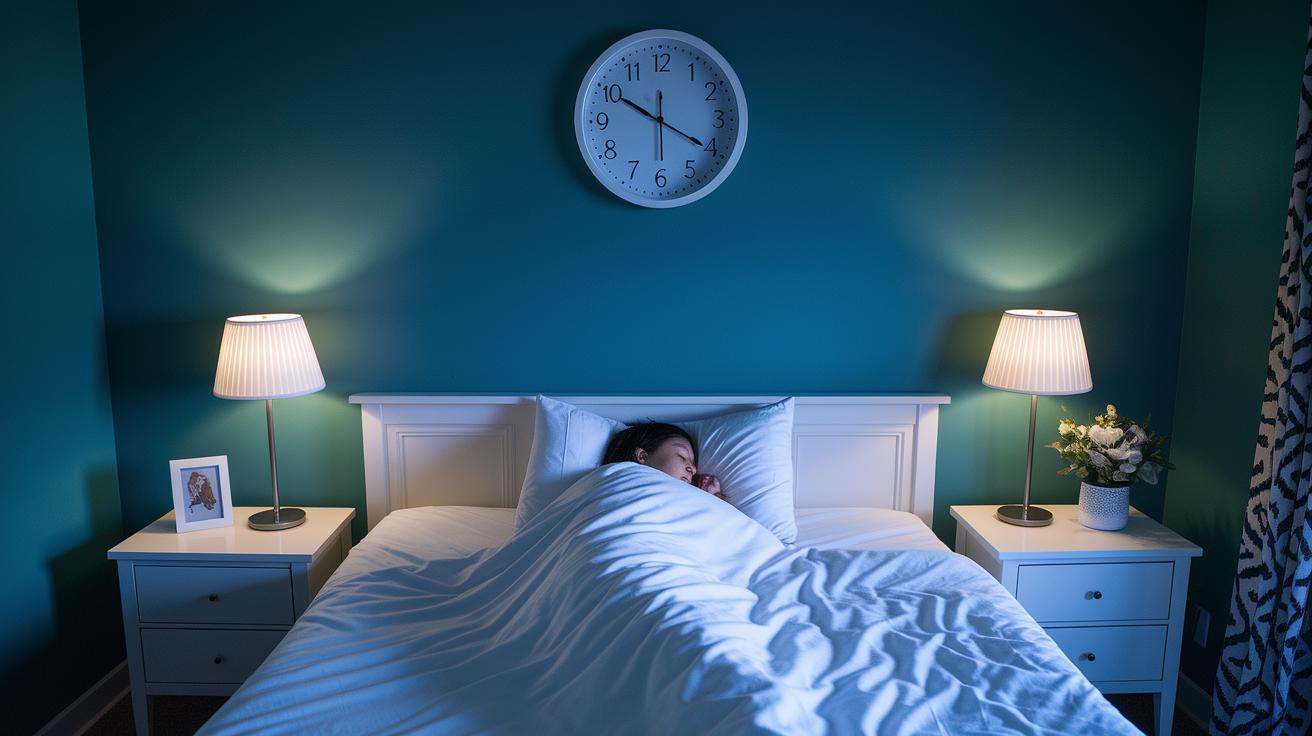
Have you ever wondered why getting a good night’s sleep can feel so elusive? Lately, sleep medicine breakthroughs are changing the game for people battling insomnia and sleep apnea. These innovations are offering hope to millions who miss out on that refreshing, deep sleep.
Imagine a small, wearable device that gently nudges you to shift positions while you sleep, or a new medicine that helps calm your mind when it races at bedtime. These treatments combine smart technology, trusted medications, and easy-to-use digital tools to help you rest better.
In this post, we take a friendly look at these new methods that could truly boost your sleep quality.
Breakthrough Treatments in Sleep Medicine: Innovations for Insomnia and Sleep Apnea
In 2024, breakthroughs in sleep treatment are making real changes for people who struggle with sleep. Device-based therapies are now at the forefront. For instance, there are wearables that gently encourage side sleeping. This simple change can greatly reduce sleep pauses in those with position-related sleep apnea. And then there are hypoglossal nerve stimulators that send small, gentle pulses (tiny electrical signals) to keep the airway open. Many individuals are reporting better sleep because of these innovations.
New drugs have also stepped up this year. One group, called orexin receptor antagonists, works by calming down the brain's signals that keep you awake (these signals are like little alerts to stay active). Early trials have shown that these medications help people fall asleep faster and increase overall sleep duration. Plus, there are wake-promoting agents aimed at reducing daytime tiredness, so you can feel more alert when the morning comes.
Digital and behavioral tools are playing a big role too. Mobile apps now offer cognitive behavioral therapy for insomnia (CBT-I), which helps you slowly adjust your sleep habits through step-by-step advice. Telemedicine platforms add another layer by allowing your doctor to check in with you from afar. This helps you stick to a personalized treatment plan more easily.
Doctors are now looking at combining these treatments, drugs, devices, and digital approaches, to create a plan that fits each person. Imagine using a custom 3D-printed oral appliance along with targeted medication and digital sleep coaching. It’s a mix that could really change how well you sleep.
Overall, these new therapies are setting the stage for a future where better sleep is within everyone’s reach.
Innovative Sleep Therapies for Insomnia
Lemborexant has helped many people who struggle to fall asleep. In recent studies, it cut the time needed to fall asleep by about 25 minutes and added nearly 67 extra minutes of sleep. This not only helps you sleep faster but also gives you more rest.
Daridorexant is another hopeful treatment now in advanced testing. Early results show it may reduce the time you spend awake at night by about 30%, meaning fewer interruptions. This can make your sleep more steady and relaxing.
Tasimelteon is already approved for a condition called non-24-hour sleep-wake disorder and is now being considered for insomnia due to a mixed-up body clock. It works similarly to melatonin (a natural hormone that helps signal sleep) to adjust your internal clock, so your sleep cycle feels more regular.
Digital CBT-I platforms, which use therapy techniques on mobile apps, are also changing the way we treat sleep problems. Users of these tools have enjoyed a 15% rise in sleep efficiency and an 8-point drop in their insomnia scores over eight weeks. They mix simple behavioral techniques with the convenience you get from mobile technology.
Studies on low-level transcranial magnetic stimulation, a gentle way to stimulate brain activity, have also shown a roughly 20% improvement in keeping sleep steady. This method may help the brain’s rhythms sync up, leading to more continuous sleep.
| Treatment | Improvement |
|---|---|
| Lemborexant | +67 min total sleep, -25 min sleep onset |
| Daridorexant | ~30% reduction in wake after sleep onset |
| Transcranial Magnetic Stimulation | ~20% improvement in sleep continuity |
Cutting-Edge Interventions for Obstructive Sleep Apnea
Positional therapy devices help people sleep on their sides, cutting breathing problems nearly in half. Imagine a small wearable gently reminding you to lie on your side. It makes a big difference night after night.
Another exciting idea is Inspire hypoglossal nerve stimulation. This device sends tiny electric pulses to the nerve that controls your tongue (keeping your airway open). Studies show it can reduce sleep apnea events by over 50%. One patient even said it felt amazing to wake up refreshed after years of restless nights.
Customized treatment is also moving forward with 3D-printed oral appliances. These devices are made from digital scans of your mouth, ensuring a perfect fit and boosting treatment effectiveness by about 30% compared to standard models. This personalized approach gives you relief that feels tailor-made.
We’re also seeing more minimally invasive procedures. One method, endoscopic radiofrequency ablation of the soft palate (using controlled heat to modify tissue), can lower breathing disruptions by roughly 25%. Another neat option, nasal EPAP valves (small devices you place on your nose), has been shown in studies to cut the apnea-hypopnea index (AHI, a measure of breathing interruptions during sleep) by around 40%. This offers a lightweight alternative to traditional CPAP machines.
| Treatment | Reported Improvement |
|---|---|
| Positional Therapy Devices | About 50% fewer sleep apnea events |
| Hypoglossal Nerve Stimulation | More than 50% less AHI |
| 3D-Printed Oral Appliances | Roughly 30% better effect |
| Endoscopic Radiofrequency Ablation | Close to a 25% reduction in events |
| Nasal EPAP Valves | About 40% drop in AHI |
Combined and Personalized Approaches in Sleep Disorder Management
Doctors and researchers are finding that mixing different treatments can really help people sleep better. For instance, a plan that includes losing extra weight, using special pillows or devices to change your sleep position, wearing a CPAP (a machine that blows air to keep your airway open), and even using custom mouthpieces has shown amazing results. In some cases, these combined treatments have cut the number of breathing disruptions (apnea-hypopnea index) by as much as 70%.
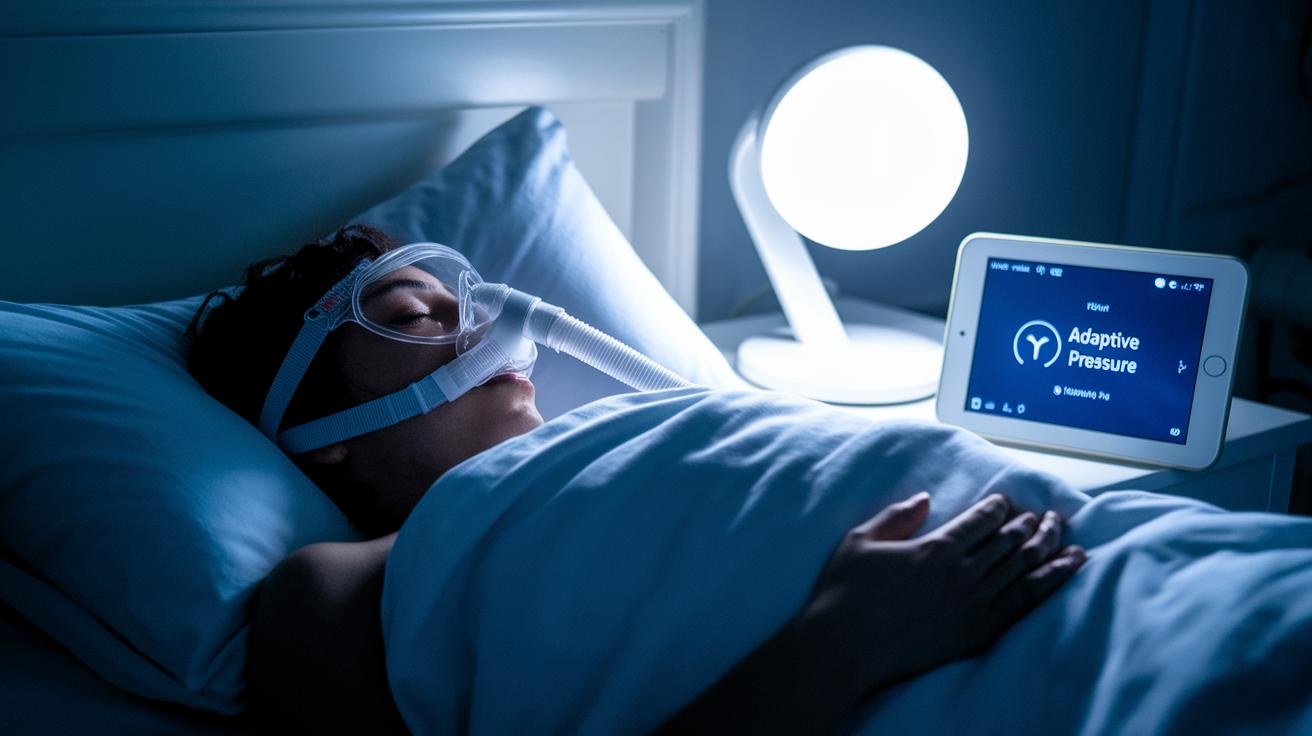
Imagine waking up after using a CPAP that adjusts its pressure all by itself in real time. That smart feature has helped reduce the time spent awake after sleep starts by about 15%. And on the medicine side, when solriamfetol (a drug that helps to reduce sleepiness) is used along with CPAP, daytime drowsiness drops by around 40%.
Patient-focused care is another big win. Many clinics now team up experts from different fields to offer help with things like cognitive behavioral therapy for insomnia (CBT-I, a type of talk therapy for sleep) along with sleep aids and device treatments. These programs have seen adherence rates as high as 85% over six months. One patient said, "Using a combined approach, I really felt a difference, my nights became calmer and I woke up more refreshed."
All of these examples show that treating sleep problems is not just about fixing a couple of symptoms. Instead, a personalized, well-rounded plan helps with both the physical issues and overall lifestyle changes. This mix of treatments reminds us that a custom plan made just for you can truly change how you sleep and feel every day.
Digital and AI-Driven Solutions for Sleep Health
Telemedicine platforms are changing sleep health by letting patients easily connect with their doctors online. For example, remote check-ups for sleep apnea have led to a 20% improvement in following up compared to regular office visits. It’s great to see how technology makes treatment more reachable.
AI tools are also breaking new ground in diagnosis. These smart programs, which analyze sleep data collected at home, now spot sleep apnea signs with over 90% accuracy. In simple terms, this advanced software is almost as good as traditional lab tests, helping doctors catch problems early.
Wearable devices like Oura and Fitbit also play an important role. They agree with detailed sleep tests about 85% of the time. These gadgets track your sleep stages and offer real-time insights into your rest, giving you a clearer picture of your sleep health.
Mobile apps are growing in popularity because they make the process fun and interactive. Features like sleep diaries and modules for CBT-I (a method that helps change thinking patterns) have boosted patient participation by 30%. Digital monitors for CPAP machines even offer live coaching. One user said, "It feels like having a coach by my side every night," and their missed use dropped by 25%.
| Technology | Improvement |
|---|---|
| Telemedicine | +20% follow-up adherence |
| AI Sleep Analysis | >90% sensitivity in OSA detection |
| Wearables | ~85% concordance with lab tests |
| CPAP Monitors | -25% non-use episodes |
| Mobile Apps | +30% patient engagement |
Emerging Research and Future Directions in Sleep Medicine
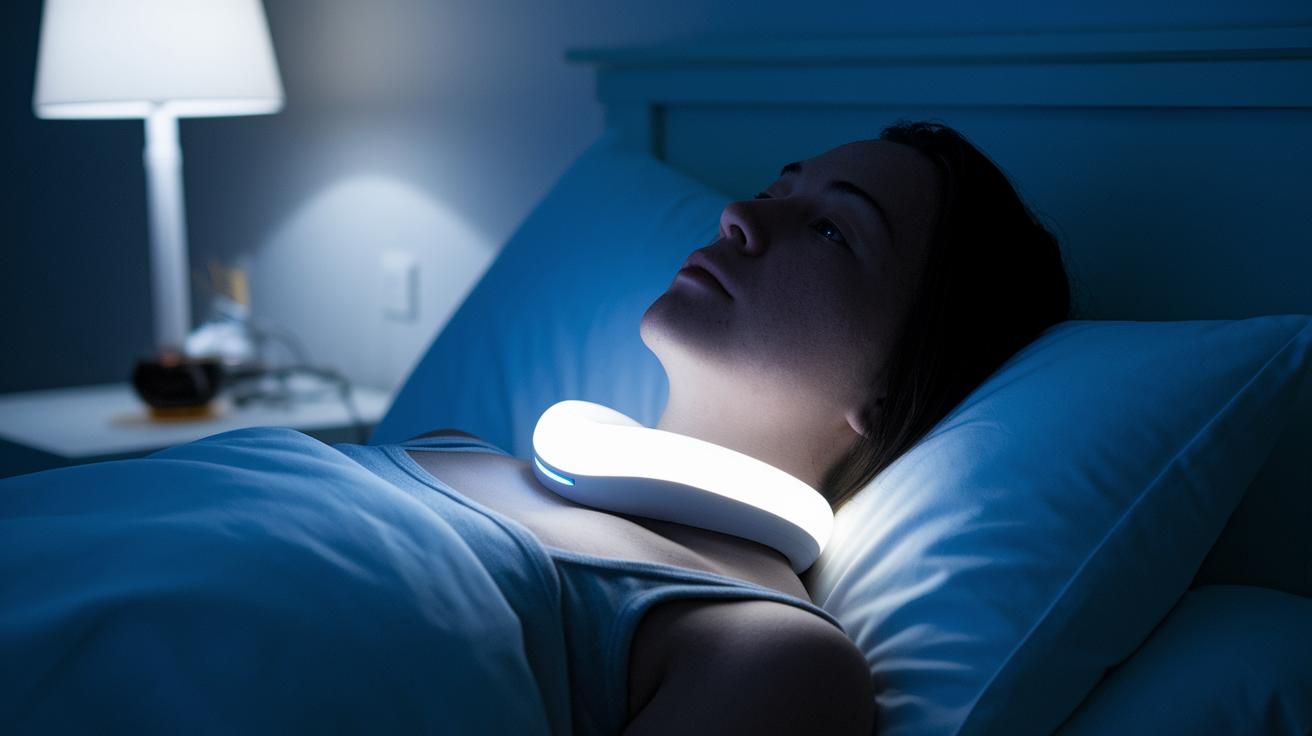
New studies are showing that using a gentle electric pulse on a nerve in the neck (vagus nerve) may help people sleep better. In early Phase II trials, patients with long-term insomnia experienced roughly a 30% improvement. This technique hints at a future where targeted nerve stimulation could boost sleep quality.
Researchers have also found that changes in certain sleep-related genes (orexin receptor polymorphisms) may increase the risk of insomnia. As our understanding deepens, these discoveries might lead to treatments tailored to an individual's unique sleep cycle. Imagine having a therapy plan designed just for you!
Scientists are now looking at specific markers in the body, small proteins and chemicals that signal inflammation and energy use, to predict the severity of sleep apnea. This fresh approach could soon help doctors better assess and manage sleep breathing issues.
Innovative surgical techniques are making headway too. In early tests, a precise surgery on the upper airway cut sleep apnea symptoms by about 60%. These pioneering methods could completely change the way we treat sleep disorders.
Plus, new gene therapy research for narcolepsy (a condition causing sudden sleep attacks) is opening the door to treatments for stubborn insomnia. It’s an exciting glimpse into the future of sleep medicine.
Final Words
In the action of breaking down today’s approaches to sleep health, we explored smart devices, fresh medications, and digital tools changing the way rest issues are managed. We touched on improved therapies for both insomnia and sleep apnea, from wearable solutions to real-time monitoring and personalized care plans. These sleep medicine breakthroughs: new treatments for insomnia and sleep apnea pave the way for easier nights and brighter days ahead. Every step brings us closer to clear, achievable remedies for better sleep.
FAQ
What is the best medication for sleep apnea, including new pills like AD109 and FDA-approved drugs?
The best medication for sleep apnea remains debatable since most treatments rely on devices, while drugs like AD109 are under study and haven’t yet become a standard option.
What is the new treatment for sleep apnea without a mask?
The new treatment for sleep apnea without a mask uses alternatives like positional therapy devices, hypoglossal nerve stimulation, and custom oral appliances, reducing interruptions without traditional CPAP.
What is the new sleep medication for insomnia, including Belsomra and the so-called miracle drug?
The new sleep medication for insomnia, such as Belsomra, targets receptors linked to wakefulness, helping improve sleep metrics even though there isn’t a single miracle cure for everyone.
What does Zepbound sleep apnea refer to?
Zepbound sleep apnea appears to refer to emerging treatment strategies that integrate modern technology with personalized care, aiming to manage the condition more effectively than older methods.
How did Shaq fix his sleep apnea?
Shaq managed his sleep apnea with a tailored approach combining device-based treatments and lifestyle changes; his experience highlights the value of personalized management plans.
What is the new breakthrough treatment for sleep apnea, especially looking ahead to 2025?
The new breakthrough treatment for sleep apnea involves innovative options like hypoglossal nerve stimulators and 3D-printed oral devices, promising significant improvements in reducing apnea episodes by 2025.