Have you ever stopped to think about how today's science builds on past discoveries? History gives us amazing moments, like landing on the moon and creating smart gadgets, which still shape how research moves forward. Looking at these old successes, you can see that strong teamwork, clear rules, and bold ideas have started big changes. In this post, we explore how case studies from the past connect with modern science, sparking new insights along the way. Get ready to discover how lessons from long ago continue to light the way for scientists today.
Comprehensive Case Studies of Historic Scientific Breakthroughs
The Lessons from History project brings together experts across AI, research, activism, and practice to mix the past with today's technology rules. It uses examples like the new advances in generative AI (technology that lets computers create content), open science efforts, and even great achievements like Apollo 11 (the moon landing) to show how big breakthroughs change our work today.
By exploring many fields and real-life effects, this project offers fresh, number-based ideas that sometimes go against old ways of thinking. It even hints at ideas similar to those in "the structure of scientific revolutions" (a way to explain major shifts in science). The main aim is to draw clear lines from past discoveries to today's innovations, showing how landmark studies inspire and guide our modern science.
Here are some of the key ideas they look at:
- How breakthroughs move research communities forward
- How ideas from one area can help solve problems in another
- How methods and data (the facts and figures) can be repeated by others
- How clear policies and rules support progress
Before you dive into our selected case studies, here’s a simple table that explains our framework. It lists three important examples with the year they happened and the central idea behind each breakthrough.
| Case Study | Year | Key Insight |
|---|---|---|
| Generative AI Breakthrough | 2017 | Rapid innovation under competitive circumstances emphasizing team dynamics and purpose |
| Open Science Initiative | 2020 | Transparent data sharing and collaborative methodologies overcoming cultural and technical challenges |
| Apollo 11 Mission | 1969 | Strong leadership and policy alignment catalyzing remarkable achievements in space exploration |
Case Study of the 2017 Generative AI Breakthrough

Back in early 2017, eight researchers at a big tech company found themselves in a race against time. They were busy working on a new generative AI paper (a type of computer program that learns to create text or images) and managed to finish and submit it just two minutes before the conference deadline. You can almost feel the tension in the room as every second mattered. This story shows how high pressure and fast decisions helped spark a breakthrough that would later shape modern large language models.
There are four big lessons from this case. First, having a clear research goal is key, it keeps everyone on the same path. Second, sticking with a project steadily over many months, even when it gets tough, really pays off. Third, building a team where every member’s work counts makes all the difference. And fourth, it reminds us to care about the challenges inside our own teams by understanding and supporting one another. One surprising detail is that the team submitted their groundbreaking paper just two minutes before the deadline, showing that even extreme time pressure can boost creativity.
Looking back, this event has had a lasting impact on today’s AI research. The urgency and teamwork these researchers showed turned challenges into opportunities. Their work not only pushed generative AI forward after 2023 but still inspires new efforts to build smarter and more reliable AI systems.
Case Study of Open Science as a Scientific Breakthrough Strategy
Open science is reshaping research by letting scientists share data openly and work together across different fields. One cool example is the open-data portal at 2734 17 Avenue Southwest in Calgary, Alberta, Canada. This portal gives free access to genomic datasets (detailed gene information made easy for everyone), breaking down old research walls and setting a new standard of teamwork. Imagine stepping into a digital library where every dataset lets you peek into the secrets of biology.
At first, these open science methods hit some bumps and even met some pushback from researchers used to keeping things under wraps. But by putting clear rules in place and actively involving the community, they managed to overcome those challenges. Their progress came from embracing practical guidelines and moving away from the old ways.
Next, the plan calls for better digital tools and updated policies to welcome even more people into the process. Swift changes and engaging global teams not only smooth out how things work but also spark fresh ideas everywhere. This journey shows how openness can change the way we do research, breathing new life into modern science every day.
Case Study of Policy-Driven Scientific Breakthroughs: Moon Landing and Beyond
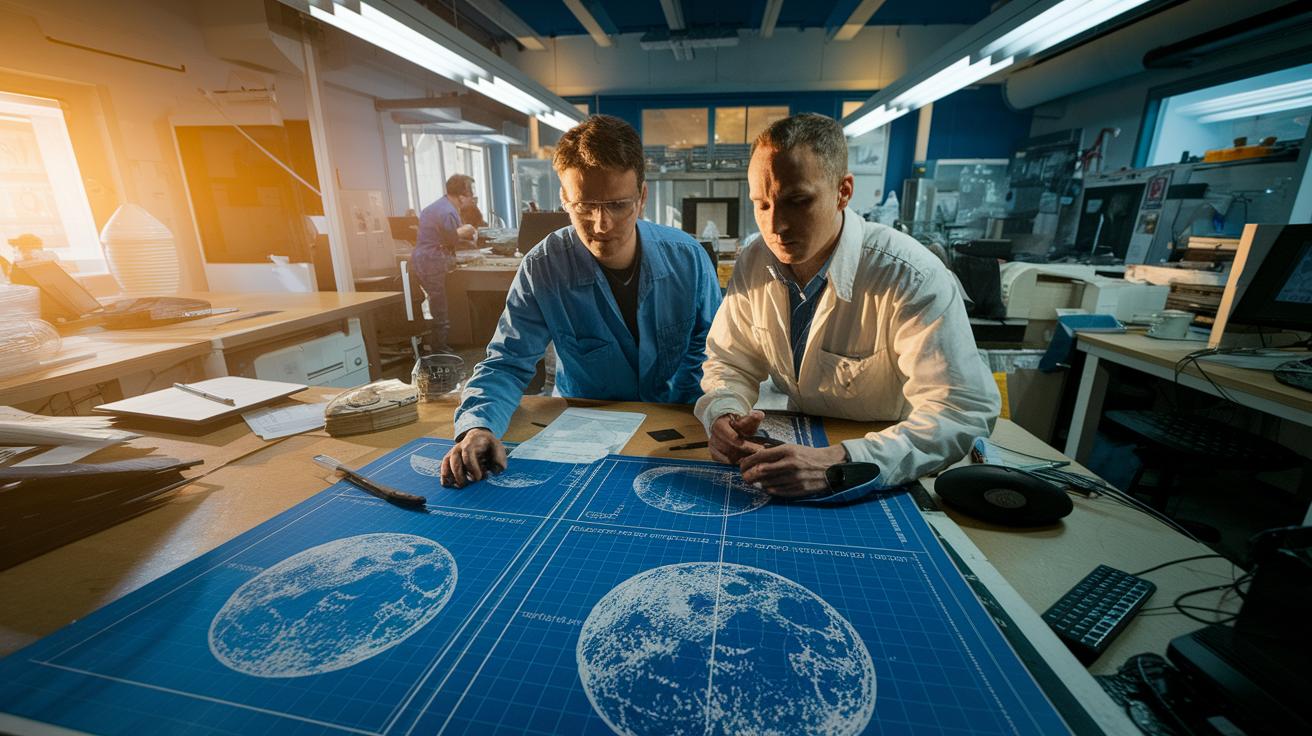
Back in 1961, President Kennedy made a daring promise: landing a man on the moon by 1969. That bold goal sparked a surge of investment and ignited a spirit of teamwork and innovation. Picture a whole nation buzzing with energy as labs came alive and engineers worked day and night to build what would become the Apollo 11 mission.
Laws and policies played a big role in turning this dream into reality. For example, clear rules like the UK's Human Fertilisation and Embryology Act of 1990 and early policies on internet domain names show how legal guidelines can steer research and fund projects. These rules created a safe space for scientists to explore big ideas while keeping things under control. In essence, mixing legal support with financial backing helped these ventures take flight.
The impact of these policy-driven efforts can still be felt today in both space exploration and new technology. Apollo 11, achieved with strong government support and smart legal planning, paved the way for many technological breakthroughs and improved research methods. At the same time, well-thought-out laws in areas like embryology and digital management continue to shape how we do science, highlighting just how powerful a good policy can be.
Milestone Lessons from Historical Scientific Breakthrough Case Studies
Looking back at major scientific breakthroughs can really help us tackle today’s challenges and tricky ethical questions. When we learn from past successes, we’re better prepared to fuel future innovation.
-
Try mixing clear goals with ethical thinking in your research.
Example: Begin with a strong focus, set a clear aim for your study and take time along the way to check if you’re staying true to ethical standards. -
Check in on ethics as your project grows.
Example: Arrange regular review sessions to make sure your work still meets today’s social values and keeps up with new concerns. -
Build teams that bring different viewpoints together.
Example: Put together a group of people from diverse backgrounds so you can tackle both ethical issues and unforeseen challenges head-on. -
Use methods that are both solid and flexible.
Example: Design your experiments so that you can adjust your approach based on fresh ethical insights and new scientific data. -
Stay flexible with your plans to keep up with changing rules and expectations.
Example: Include scenario planning in your project so you’re ready to adapt as situations or public guidelines evolve.
These ideas not only honor the lessons history has taught us but also help researchers deal with today’s ethical puzzles and emerging challenges in science.
Final Words
In the action, we explored key moments from historic breakthroughs, from generative AI surprises to policy-driven moon landings and open science efforts that reshaped research norms.
We broke down clear lessons like teamwork, transparent methods, and the impact of precise policy choices. Our review of scientific breakthrough case studies: lessons from history shows that these stories not only inform us but inspire modern progress. Each example sparks hope for more innovative and engaging science in everyday life.
FAQ
What do scientific discoveries that changed the world include and how can kids learn from them?
The scientific discoveries that changed the world include inventions like electricity and the internet, which reshaped our lives. They offer fun ways for kids to see how bold ideas solve everyday problems.
What is the biggest scientific and medical breakthrough in history?
The biggest scientific breakthrough redefined how we see the natural world, while the biggest medical breakthrough has saved many lives. Both have set new paths for research and practical applications in our society.
What lessons can we learn from the history of scientific breakthroughs?
The lessons from history stress setting clear goals, working well as a team, and committing to long-term research. These guiding insights show how persistent effort and transparent methods lead to breakthrough results.
What event in history most significantly changed science?
A major event like the Apollo 11 moon landing dramatically altered scientific progress. It sparked widespread enthusiasm, reshaped research directions, and showed how leadership and vision can move science forward.