
Ever wondered how one tiny satellite could change everything? In 1957, a little rocket-powered craft set off a wave of brave missions and fresh ideas. Political tensions drove a race that lifted science high into the sky, where big dreams met smart innovation. The start of the Space Age marks a huge turning point, a time when the human spirit made a giant leap that still shapes our quest to understand the mysteries around us. Let's dive into that exciting era that transformed our future one launch at a time.
Space Age Origins and Historic Overview
Sputnik 1 took off on October 4, 1957 and sparked a new age that changed how we see our world. The little satellite flew into space using rockets perfected during World War II. In 1957, a small satellite not only circled the Earth but also set off a wave of scientific dreams and rivalry.
By January 1959, the Soviet Vostok program and the U.S. Mercury program were running at full speed. These teams worked hard to master launches for both robotic and crewed missions. Their achievements laid the basic steps for sending humans into orbit and showed that even big dreams can become real.
Political tension and the wish to prove national strength pushed each country to outdo the other in space. What started as a bold experiment quickly grew into a thrilling race that boosted rapid research and innovation. Early wins in 1957 and 1959 were not just about politics; they ignited a lasting love for exploring the unknown.
This exciting era created a blueprint for both teamwork and competition in space. The early missions built the strong foundation for later milestones in space travel. Their legacy continues to inspire our adventure into the vastness beyond our planet.
Space Age: Key Missions and Milestones
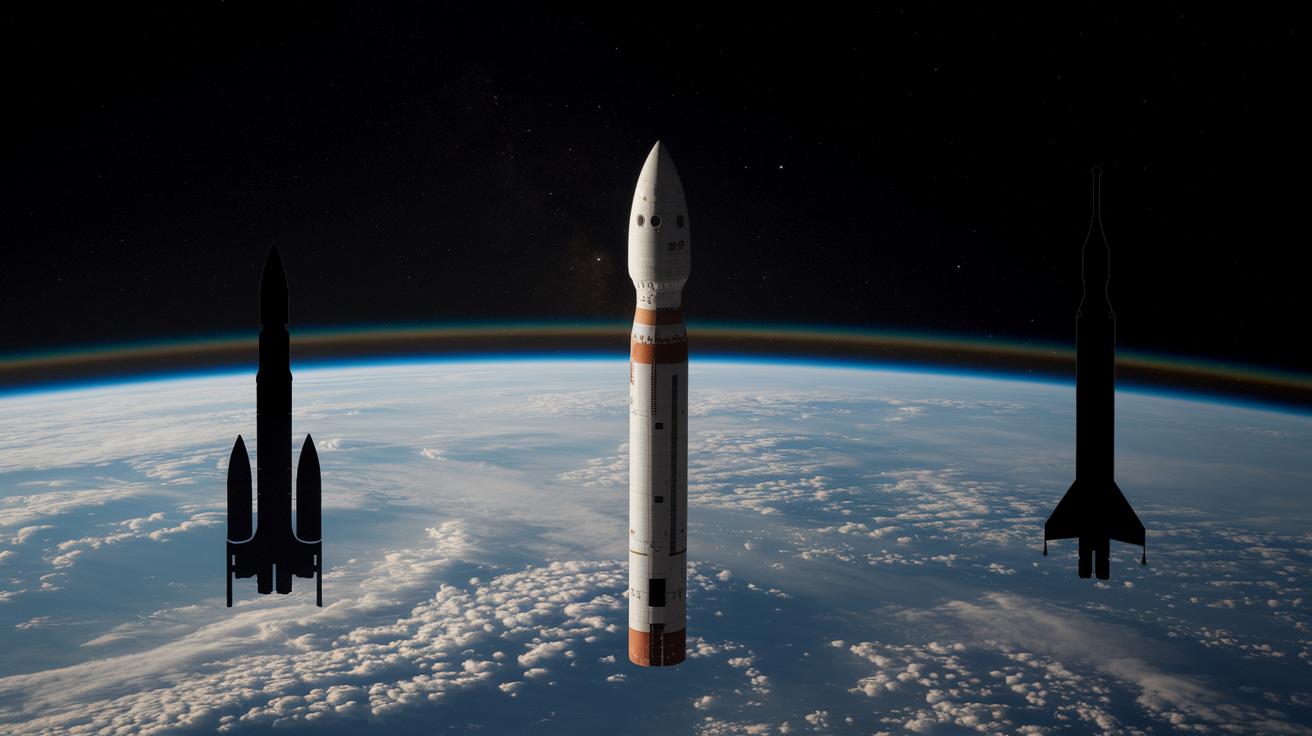
On October 4, 1957, Sputnik 1 blew everyone away by being the first satellite to leave Earth. It used liquid-fuel rockets (rockets powered by liquid fuel) that had been improved during World War II. This little satellite stirred up excitement around the world and kicked off a fierce space race. By January 1959, both the Soviet Vostok program and the American Mercury program were in full swing, opening doors to crewed space flights and amazing new technology. These early adventures weren’t just about rocket science, they marked humanity’s brave leap into the great unknown.
Then, in April 1961, Vostok 1 carried Yuri Gagarin into space, making him the very first human to orbit the Earth. This event changed everyone’s ideas about what space travel could be. Just a few months later, on February 20, 1962, Mercury-Atlas 6 sent John Glenn into orbit, proving that American creativity was ready to face the challenges of space too. And who could forget the awesome moment on July 20, 1969? Apollo 11 landed humans on the Moon for the very first time, an achievement that still inspires wonder today. In the early 1970s, NASA even started exploring reusable spacecraft, a choice that set the stage for the Shuttle Program and opened up new ways to explore the cosmos.
Next, check out this simple timeline that shows these amazing milestones:
| Mission | Year | Achievement |
|---|---|---|
| Sputnik 1 | 1957 | First artificial satellite |
| Vostok 1 | 1961 | First human in orbit |
| Mercury-Atlas 6 | 1962 | First American orbital flight |
| Apollo 11 | 1969 | First Moon landing |
| Shuttle Program Approved | 1972 | Reusable spacecraft research |
This timeline shows a time when bold ideas and brave missions not only pushed science forward but also fueled dreams of reaching far-off worlds. Isn't it amazing how far we've come?
Space Age Technological Breakthroughs
Engineers improved rocket designs by borrowing ideas from old World War II liquid-fuel technology and adding several booster stages to help them soar higher. Back then, every space launch felt like a bold adventure into uncharted territory. New designs let rockets travel farther while carrying fragile, intricate equipment. Later spacecraft like Voskhod and Gemini even showed us how two vehicles could meet and join together in orbit using docking systems. This progress made missions not only more daring but also safer and more efficient.
In the early 1970s, research on reusable spacecraft led to the creation of engines and heat shields that could be used over and over again. This new approach brought better fuels and improved ways to work in a world of almost no gravity (the state where gravity is very weak). Scientists and engineers kept pushing the boundaries by trying out new materials and engine designs that lowered weight and saved fuel. Their efforts created a blueprint for today’s space travel and set the stage for the Space Shuttle’s remarkable systems.
| Breakthrough |
|---|
| Multi-stage liquid-fuel rocket configurations |
| Cryogenic propellants (liquid hydrogen/oxygen) |
| Orbital rendezvous and automated docking |
| High-performance heat shields for re-entry |
These advances changed the way we explore and work beyond our planet. Better rocket designs and engines opened up new ways to reach higher while making missions safer. By using improved fuels, smart docking systems, and strong heat shields, engineers not only reinvented space travel but also set a lasting mark on human innovation. Their groundbreaking work still influences today’s space technology, keeping our spirit of exploration alive.
Space Age: A Bold Epoch in History

Retro-futuristic Interiors
In mid-century homes and public spaces, design took a brave turn inspired by outer space. Furniture became smooth and streamlined with gentle curves that recalled the futuristic rockets of the time. Kitchens and living rooms often sported shiny, metallic surfaces that felt cool to the touch, much like a spaceship's exterior. Designers added starburst patterns to wall art and lamps, giving a nod to the endless expanse of the cosmos. And then there was space-inspired lighting, light panels that glowed softly like far-off galaxies, making any room feel magical. Ever wondered what it would be like to step into a room that sparkles like a starry sky? That was the dream in action.
These design touches didn’t just create a futuristic vibe; they made the style fresh and easy to enjoy. They offered a sneak peek into a future imagined when space was a mystery wrapped in promise, sparking the imagination of a whole generation.
Iconic Sci-Fi Fashion
Space ideas also leaped into fashion, where bold styles turned everyday wear into a cosmic adventure. Shiny metallic fabrics, reflecting light like a satellite’s surface, became a favorite. Simple jumpsuits, inspired by astronauts’ uniforms, mixed style with practicality perfectly. Some even wore helmet-like hats for that extra touch of playful innovation. TV shows like The Jetsons helped popularize these trends with bright neon highlights and clean, modern lines that said, "The future is here." Just picture someone stepping off a spaceship in a sleek silver suit, you can almost feel the excitement of exploring new worlds.
These fashion trends didn’t just style a decade; they shaped a vision of the future. By blending ordinary clothes with a dash of cosmic fantasy, people turned their outfits into bold statements of hope and progress.
Evolution of Space Age Operations: Stations and Shuttles
Early Space Stations
After Apollo wrapped up its Moon missions in 1972, space crews and engineers started to focus on living in space for long periods. Think of it like testing out a new home that floats above Earth. Early projects such as the Soviet Salyut system and America's Skylab were like trial runs, where scientists learned how to support people in space. Salyut was built to let crews do experiments while orbiting, and Skylab helped researchers learn how to operate a floating lab. These projects showed that to live in space, we need clever designs, smart power setups, and reliable life support (systems that help keep people alive), much like getting a house ready to handle long stays.
Space Shuttle Program
Then came the Space Shuttle Program, which changed the game in space travel. The shuttle first flew in 1981 and was different from earlier spacecraft because it could be used more than once. Instead of building a new vehicle for every mission, engineers made a craft that could take off, do its work, and land safely, almost like an airplane. This reusable design helped cut costs and made trips to space more common. The shuttle was busy with lots of jobs, such as moving astronauts, launching satellites, and doing space experiments. It was a flexible tool for trying out new ideas and boosting global research.
International Space Station
Starting in 1998, the International Space Station (ISS) became a truly international project, built with help from many countries until 2011. The ISS is like a giant floating laboratory where scientists from all over come together to study things in zero gravity (the condition where you feel weightless). Imagine working side by side in a setting straight out of a science fiction movie, exploring everything from new medicines to how humans can live in space for a long time. With a crew living there continuously, the ISS stands as a real-life example of teamwork across nations, showing us how exciting and challenging life in space can be.
Future Concepts and Commercial Visions of the Space Age
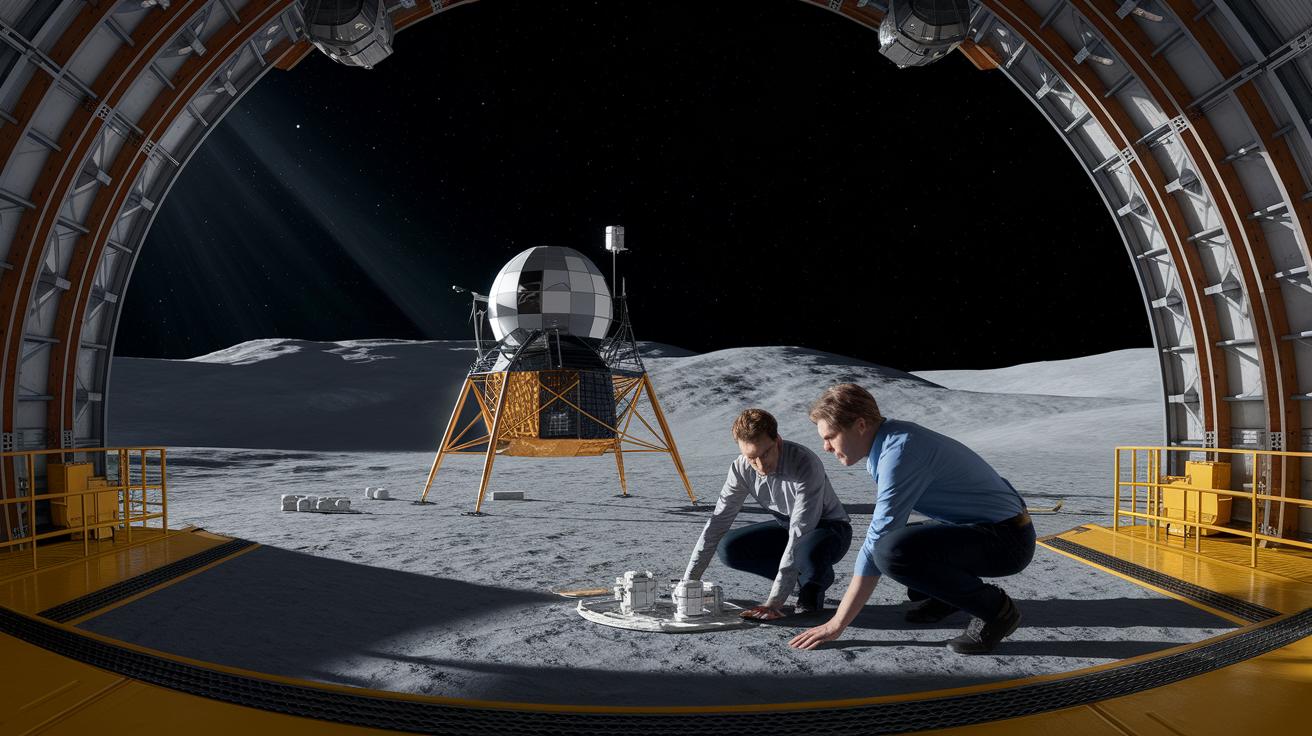
Government agencies and private companies are teaming up like never before, sharing ideas to brighten the future of space travel. Companies are busy creating commercial launch services that might soon make boarding a spaceship as ordinary as catching a bus. Plans for lunar bases are picking up steam, and we’re already seeing early models for space habitats that will orbit our planet. These exciting projects mix the magic of intergalactic travel ideas with the practical work of engineers, fueling big dreams about exploring the stars.
This new wave of excitement isn’t just about faster rockets or quicker trips. It’s about reimagining what it means to live beyond Earth. Imagine small communities in space, where each module is like a room in a futuristic home, designed to support life for a long time. Lunar bases are being thought of not only as hubs for scientific discoveries but also as launchpads to other worlds. The blend of federal initiatives and private ventures shows a shift, from a competition among rivals to a group effort chasing shared goals like space tourism and more.
Designers and scientists are now sketching out what we call cosmic community architecture. These projects aren’t just about sending people into space; they’re about creating real, livable environments up there. The work being done today lays the groundwork for tomorrow’s outposts in low Earth orbit and on distant celestial bodies. It’s an era where big, ambitious ideas meet smart design, paving the way for humanity’s next great adventure in the cosmos.
Space Age Legacy in Media, Education, and Exhibits
Movies, video games, and simulations keep the Space Age spirit alive by letting us relive its bold adventures. Films bring vivid tales of daring space missions, while video games put you right in the cockpit to explore the challenges of rockets and their crews. Museums and planetarium shows take technical achievements and transform them into engaging stories that anyone can enjoy.
Critics cheer films that capture the thrill and trials of early space flights, and new video games invite you to dive into the history behind these great adventures. Educational exhibits break down the complex eras of cold conflicts and groundbreaking science into clear and fun experiences. Visitor centers, like Space Center Houston, welcome you with relics, interactive displays, and hands-on activities that spark wonder about our journey into space.
Planetariums lay out simulation timelines that mark key events from the very first satellite launches to the modern era of space travel. These multimedia displays blend history with innovation, showing us just how exciting the quest for discovery can be.
Final Words
In the action, we traced the timeline of the space age from its early satellite launches to bold human feats in orbit. We looked at technological advances, design influences, evolving operations, and fresh ideas that push our cosmic curiosity forward.
This article brings together a rich mix of science and culture while making complex topics easy to follow. The spirit of the space age continues to inspire new questions and spark meaningful discussions. Stay curious and keep exploring.
FAQ
What does Space Age news refer to?
Space Age news covers updates on breakthroughs, historical milestones, and emerging trends that echo the innovations of mid-20th-century space exploration, keeping readers informed about both past achievements and modern echoes of the Space Age.
What does Space Age design involve?
Space Age design involves a stylish look that uses sleek shapes and futuristic materials inspired by visions of space exploration, creating interiors and products that feel both modern and innovative.
What do the terms Space Age Factorio and Space Age game indicate?
The terms Space Age Factorio and Space Age game refer to video game mods or titles that use futuristic themes drawn from space exploration, merging creative gameplay with a nod to historical space innovation.
What is Space Age Gas?
Space Age Gas is a term that can indicate specialized fuels or gas mixtures linked to aerospace research, reflecting advances in propulsion and energy technology developed during space exploration.
What is meant by Space Age paint?
Space Age paint describes coatings that mimic futuristic finishes, often featuring unique textures or reflective effects inspired by the technology and aesthetics of space exploration.
What is considered the Space Age and are we living in it?
The Space Age is considered to have started with Sputnik 1’s launch in 1957, marking a period of rapid exploration and innovation. Today, we mostly enjoy its legacy rather than experiencing the original era firsthand.
What is the Space Age font?
The Space Age font is a typeface that reflects sleek, futuristic design, mirroring the minimal and innovative style seen in space-related artwork and mid-century modern influences.
How long is one year in space time?
One year in space time is the same as on Earth — 365 days — though theoretical effects like time dilation (minor time differences experienced at high speeds) have a negligible impact on everyday measurements.
Do people in space age slower or faster?
People in space age almost at the same rate as on Earth. While high speeds and gravity differences can introduce very slight time variations, these effects are too minimal to noticeably affect the aging process.
What are the Space Age and related credit unions?
Space Age Credit Union, along with Credit Union of Denver, Zing Credit Union, Fitzsimons Credit Union – Anschutz Branch, Partner Colorado Credit Union – Arvada Branch, and Premier Members Credit Union, are financial cooperatives offering community-based banking services with a focus on personalized support.