
Could our warming planet actually spark bold new progress? Our weather is getting stranger and the Earth is heating up, with temperatures rising and more extreme weather affecting our lives. We have unbalanced our climate by burning fossil fuels and cutting down trees. Yet, in the midst of these problems, clever ideas and real improvements are taking shape. In truth, the errors we make today might just lead us to a safer tomorrow.
Understanding climate change issues
Climate change issues mean that our planet is getting warmer and weather patterns are becoming less predictable. This happens because of global warming, which is the slow rise in Earth's average temperature due to extra greenhouse gases (air pollutants that trap heat) in our atmosphere. Since 1880, our planet has warmed by about 1.1°C, making our climate more wild and putting stress on nature. Even the oceans are affected; for example, their acidity has increased by 26% since 1990.
Most of these problems come from things we do every day. We burn fossil fuels in cars, power plants, and factories, which adds extra carbon dioxide to the air. Cutting down trees (deforestation) makes it even worse because there are fewer trees to take in that carbon dioxide. Farming also plays a part, as large areas of land are cleared for agriculture. All these activities mix together and push our climate further out of balance.
We can see the impact all around us. Two out of every three people now live in areas with tough water shortages, and poor air quality caused 4.2 million early deaths back in 2016. More than 500 kinds of land animals could disappear in the next 20 years, and heat waves have become the leading cause of weather-related deaths in the United States. These facts really drive home how important it is for us to reduce harmful emissions and help our world adjust to these big changes.
Causes and drivers of climate change issues
Anthropogenic greenhouse-gas emissions
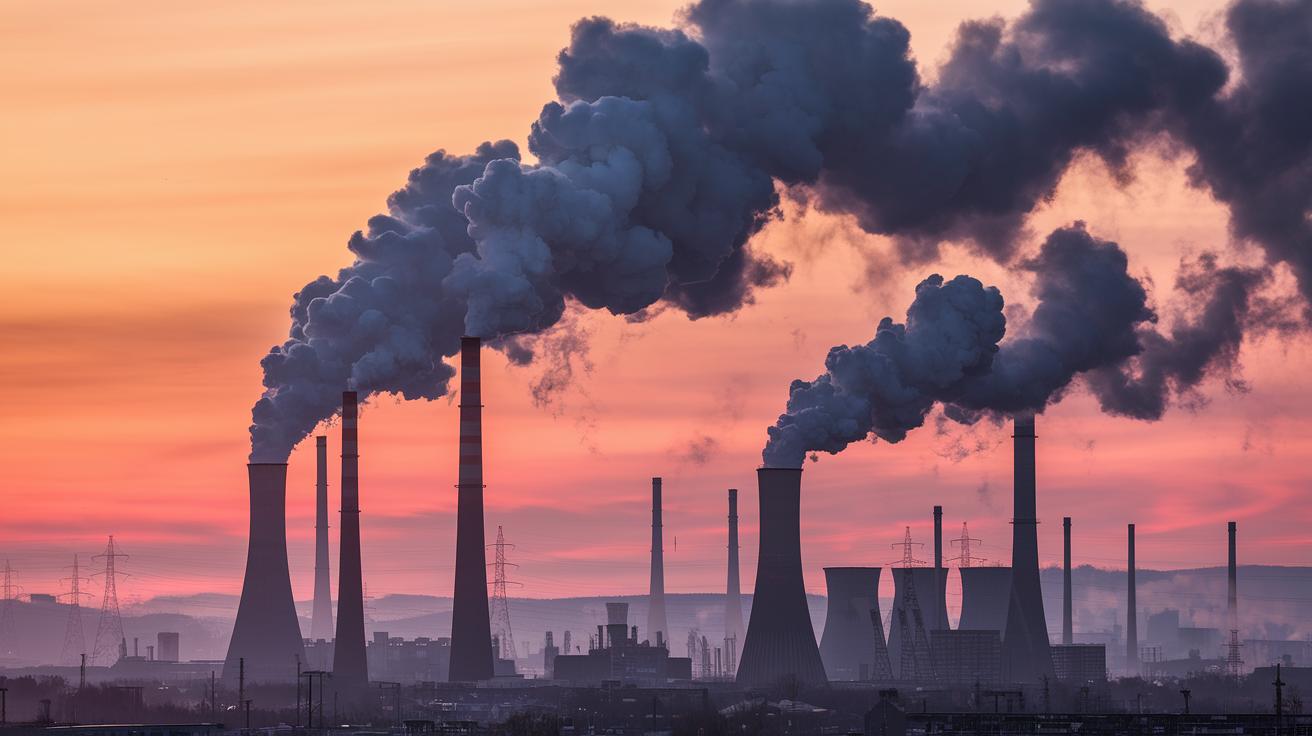
Human activities are the main reason we see so many greenhouse gases in our air. In the United States, power plants alone are responsible for about one-third of the carbon that heats up our planet. Energy production, transportation, and factories also add to the problem by releasing lots of carbon dioxide. Farming, like raising animals and growing crops, contributes close to 30% of the world’s greenhouse gas output. Plus, cutting down forests, especially in countries like Brazil and Indonesia where nearly 5 million hectares of tropical forest disappear every year, makes things worse. Think of it like a small hole in a bucket that slowly leaks water; even little drops can add up to a big loss over time.
Natural variability and solar influences
On the other hand, natural forces such as volcanic eruptions and changes in sunspot cycles have only a tiny effect on our climate compared to human actions. While nature does have its own ways of changing weather patterns, the main driver of climate change is our industrial and farming activities. Scientists agree that by lowering our emissions from these sources, we can work toward calming our changing climate.
climate change issues spark bold progress
Our warming planet is shaking up everything from our daily weather to entire ecosystems. Even a small rise in temperature can trigger big changes. Every extra degree Celsius not only makes heat waves more dangerous but also ups the chance of really heavy rain by about 7%. This mix of intense heat and heavy storms puts extra stress on local infrastructure and everyday life. In the U.S. West, for example, long dry spells have turned into a megadrought, the driest 22-year stretch in over 1,200 years. Clearly, communities need to adapt fast while scientists keep tracking these rapid changes.
The natural world is feeling the strain too. Wildfires now occur twice as often as they did between 1984 and 2015. And get this, the Arctic is warming almost twice as fast as the rest of our planet, so much so that it might be ice-free in the summer in just 15 years. Meanwhile, our oceans take in about one-quarter of all the CO₂ we produce, which makes them more acidic. This shift upsets marine life and alters how fish migrate. Along our coasts, rising sea levels, expected to be as much as 6.6 feet higher by 2100, are increasing flood risks and washing away shorelines. Both wildlife and human communities are dealing with big challenges.
| Impact | Evidence |
|---|---|
| Temperature deviations & heat waves | Leading cause of weather-related deaths in U.S. |
| Heavy precipitation & floods | +7% extreme rainfall per °C warming |
| Drought vulnerability | American West “megadrought,” driest 22 years in 1,200 |
| Sea-level escalation & coastal flooding | Projected +6.6 ft by 2100 |
| Ocean acidification risks | 25% of CO₂ absorbed annually, pH decline since 1990 |
These clear-cut data points are pushing scientists and policymakers to take bold steps. They’re working hard to protect vulnerable communities and rebuild ecosystems that can weather these rapid climate shifts. Isn't it intriguing how even the smallest change in temperature can ripple out and affect us all?
Societal impacts of climate change issues
Health burdens
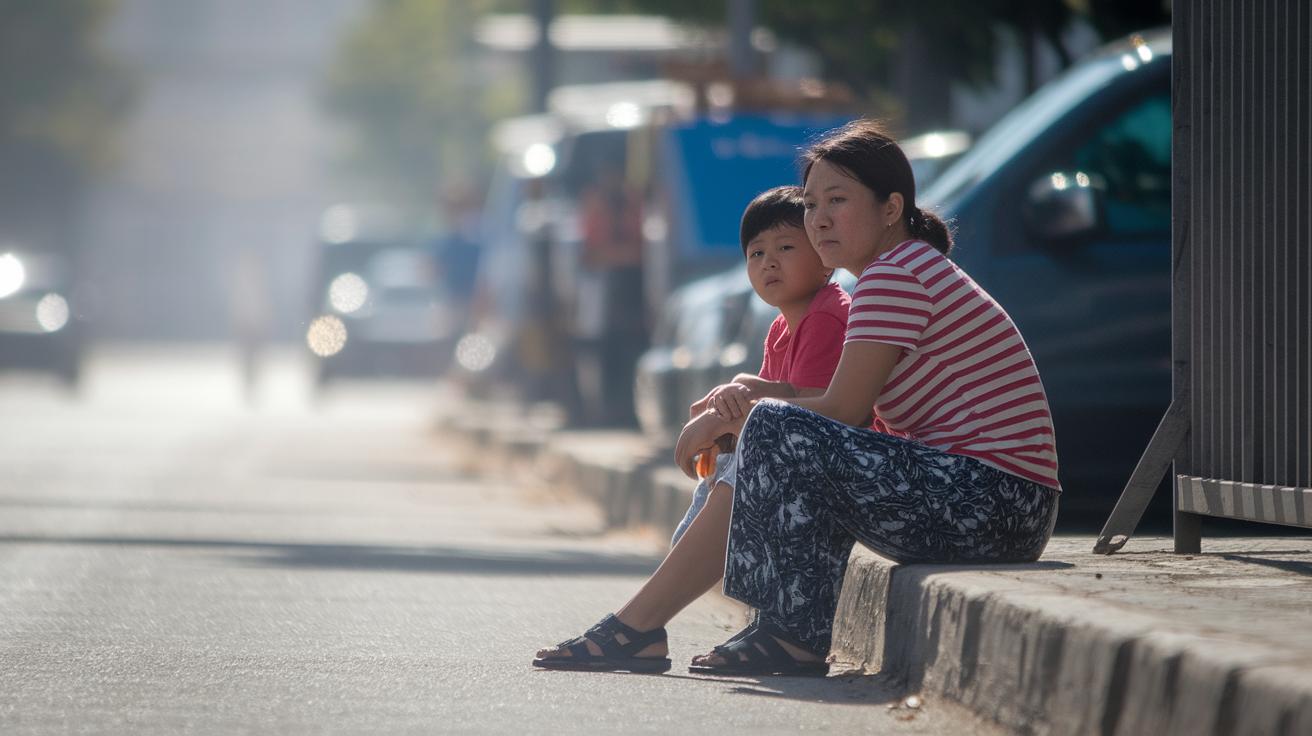
Climate change is making it harder for us to stay healthy. Hotter days and unusual weather can lead to about 250,000 extra deaths each year between 2030 and 2050 from problems like malnutrition, diseases spread by insects, and heat stress (when your body struggles to cool down). When air quality worsens and heat waves hit, breathing gets tougher and illnesses rise. Picture a neighborhood where a refreshing summer breeze turns into a dangerous, stifling heat wave, making everyday life risky. This puts big challenges on hospitals and communities trying to care for those most at risk.
Food & agriculture disruptions
Our food supply is feeling the heat too. Warmer weather has already cut down coffee production, and many crops we rely on are struggling because of pests and unpredictable growing seasons. These issues become even more serious when you consider that about 1.3 billion tons of food are wasted each year. Extreme weather can slow down deliveries and hurt crop yields, making it tougher for everyone to get enough food. Imagine your favorite local farmers market shrinking not only because of fewer harvests but also due to delays in getting food from the farm.
Economic challenges
The effects of climate change ripple through the economy as well. Experts warn that the U.S. could lose up to $500 billion each year by 2100 because of the costs associated with rebuilding after extreme weather and dealing with health crises. Climate change might also force up to 140 million people to leave their homes by 2050, putting even more pressure on housing, roads, and energy supplies in fragile areas. These economic issues highlight how important it is to create policies that help us adapt and build financial strength for the future.
Mitigation strategies for climate change issues
We need to take simple, clear steps now to keep our planet from getting too hot. Experts say that if we want to keep global warming at 1.5°C (degrees Celsius), we must reduce greenhouse gases (the gases that trap heat in our atmosphere) by 45% by 2030 compared to 2010. This means we have to change the way we produce energy in big ways. Have you ever wondered how small changes can add up? For instance, innovations like solar panels, devices that use wave energy, and even energy-saving robots are showing us a path to a cleaner future.
At the same time, we must replace old, polluting systems with renewable energy sources. In truth, our heavy use of coal without any controls needs to drop by about 80% in this decade. This shift means moving faster to use more solar, wind, and wave energy. Other methods, like systems that pull carbon out of the air and store it safely, also play a big role. Even changes in our diets, like eating more plant-based meals, can help reduce climate impacts. In short, our policies and technologies must work together to move us toward a sustainable tomorrow.
Key steps we need to take include:
| Mitigation Action |
|---|
| Implement carbon pricing and carbon tax |
| Achieve 45% greenhouse gas cuts by 2030 |
| Phase out old coal systems (80% reduction) |
| Scale up renewable energy (solar, wind, wave) |
| Deploy carbon capture and storage systems |
| Promote plant-based diets and reduce food waste |
| Strengthen and expand international climate agreements |
Every step taken to lower harmful emissions, improve our energy choices, and make smarter lifestyle decisions helps build a solid defense against climate change. These actions are our way forward, protecting our communities and nature while paving a road to a cleaner, more resilient planet.
Adaptation strategies in climate change issues
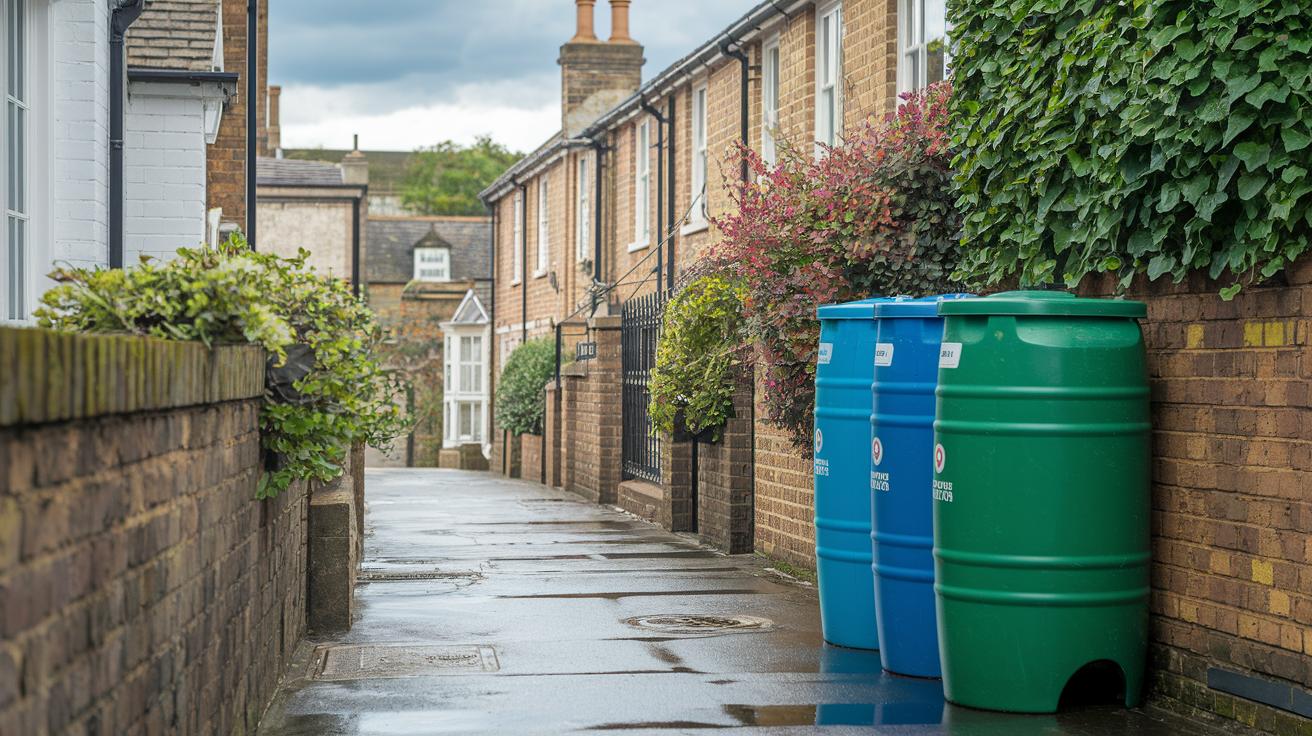
Communities are working hard to adjust to a rapidly changing climate. In the UK, experts predict that the cost of floods each year could become 15 times higher by the 2080s. This means that building better flood defenses is no longer optional. At the same time, two out of three people already face water shortages. That’s why everyday techniques like smarter irrigation and rainwater harvesting are now essential. Imagine a town installing sensors to track water use and reduce waste, small changes that make a big difference over time.
Cities also need to rethink their design because rising temperatures create areas known as urban heat islands. These spots can make cities feel stifling. Redesigning city spaces by adding more parks, green roofs, and shaded pathways can cool things down naturally. It’s like turning a concrete maze into a network of refreshing, green spaces where people can relax on a hot day.
Local adaptation programs are stepping in to update infrastructure so communities can cope with more extreme weather. This involves practical steps such as improving forest management and building better storm drainage systems, along with emergency response plans. Think of a community that not only prepares for floods but also plants trees along riverbanks to slow down water flow. This simple act not only beautifies the area but also offers real protection.
Policy, finance, and collaboration on climate change issues
Government agencies, advocacy groups, and local communities are joining forces for stronger environmental laws and better international agreements to fight climate change. There’s a network of 3 million supporters who want cleaner air and water, pushing for rules that make big polluters responsible. Leaders at all levels are urging policymakers to update old power plant standards and to rethink rollbacks that might weaken our emission goals. This united effort is a key step toward changing our energy systems for the better.
At the same time, green investment programs and business coalitions are playing a big role in funding sustainable projects. Companies now publish detailed reports on their sustainability efforts, and scientific research is getting its own boost. When public money mixes with private investment, the result is a clear and honest financing system that funds renewable energy, research, and eco-friendly innovations. It’s a smart move to back science-based plans since they help shift industries away from outdated, polluting practices.
Meanwhile, discussions about social justice and active engagement with all stakeholders are helping to shape fair policies. By bringing together voices from community groups and big corporations alike, everyone has a chance to share ideas on how to tackle climate challenges. These open and cooperative conversations help bridge gaps between different interests, making sure that our economic and environmental plans work together to protect both people and our planet.
Final Words
in the action of exploring climate change issues, we saw how human actions like power generation, deforestation, and fossil fuel use warm the planet. We learned that these changes not only affect weather but also our water, health, and daily lives. The post covered ways to reduce harmful emissions and ways communities can be prepared for shifting conditions. It all reminds us that science and smart policy can guide us toward a brighter, healthier future. Keep your curiosity alive and continue sharing what you learn!
FAQ
What is climate change?
The climate change refers to long-term shifts in weather patterns and temperature increases, driven by both natural processes and human actions. It affects living conditions on Earth.
What are the causes of climate change?
The causes of climate change stem mainly from burning fossil fuels, deforestation, and agriculture, which release greenhouse gases that trap heat and warm our planet.
What are the effects of climate change?
The effects of climate change include more extreme weather, rising sea levels, and shifts in precipitation patterns, leading to floods, droughts, and significant challenges for ecosystems and human societies.
What are the major issues of climate change today?
The major issues of climate change today involve rising average temperatures, severe weather events, water scarcity, and threats to public health and food production across the globe.
Can we solve climate change?
The potential to solve climate change lies in robust mitigation measures, such as transitioning to renewable energy, changing land use practices, and adopting policies that drastically cut greenhouse gas emissions.

